Backpacks, Buses & Burpees
  • Blog
  • About us
  • Contact

Lake Titicaca

5/19/2014

1 Comment

 
From Cuzco we took an overnight bus south to Puno. Puno sits at the northern end of Lake Titicaca, which is the world's highest navigable lake and is shared by Peru and Bolivia.

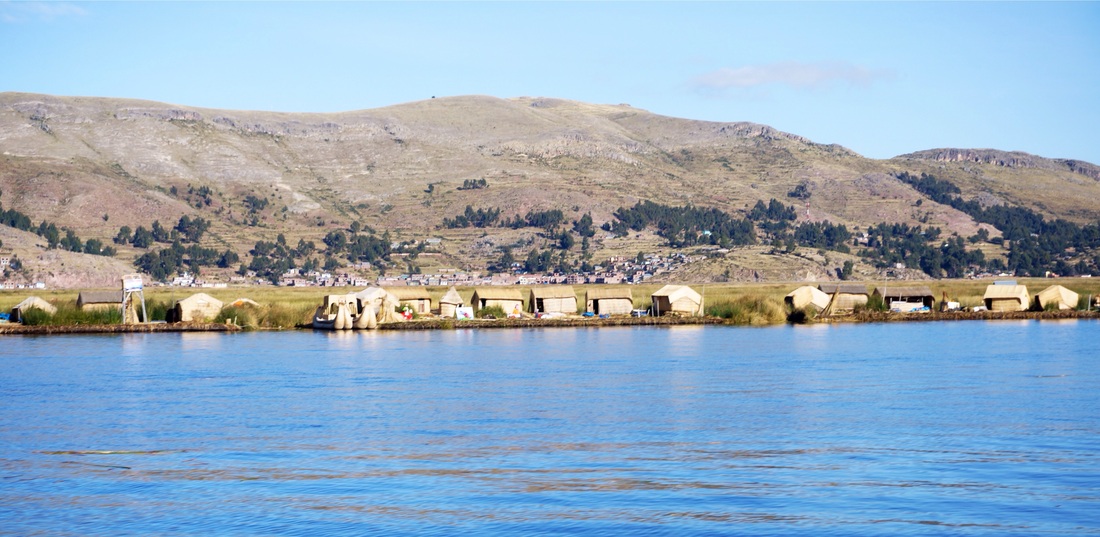
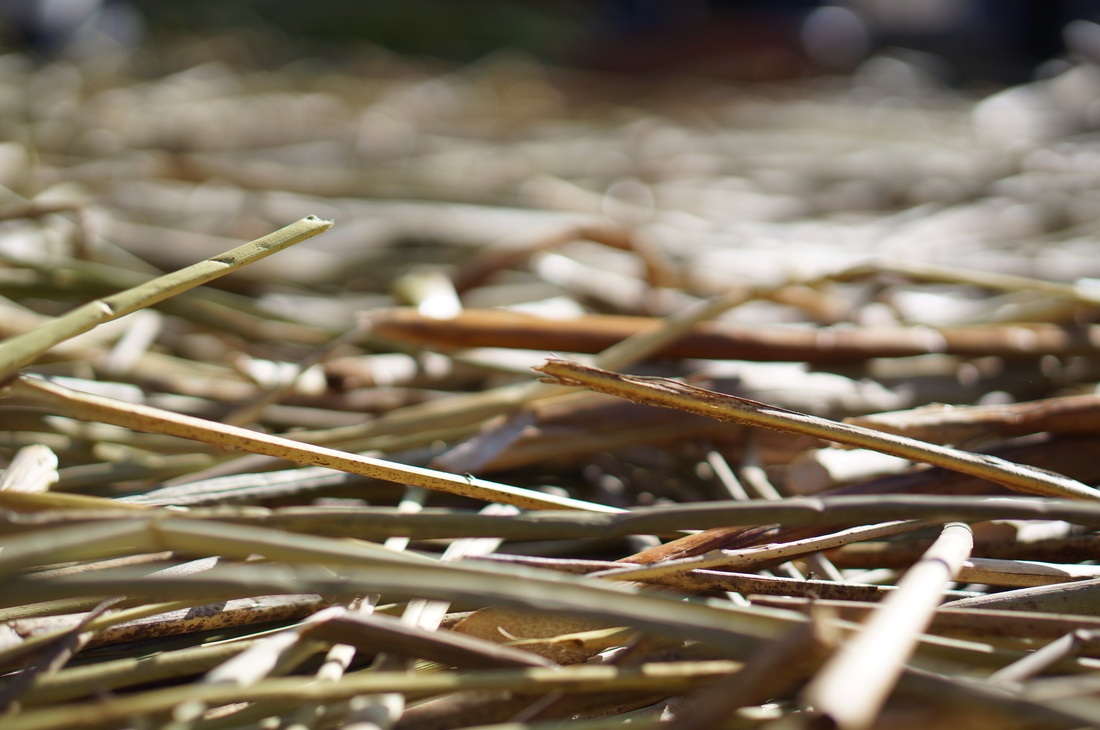
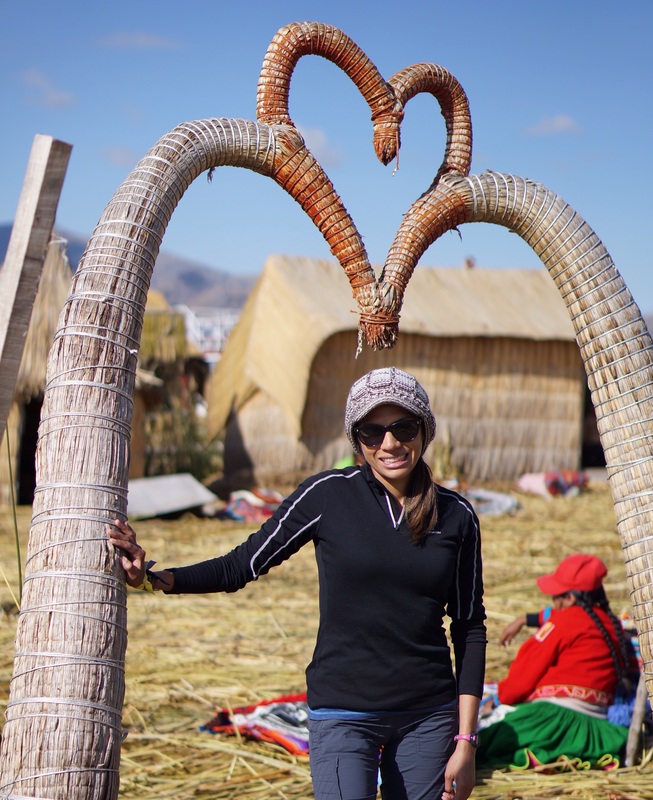
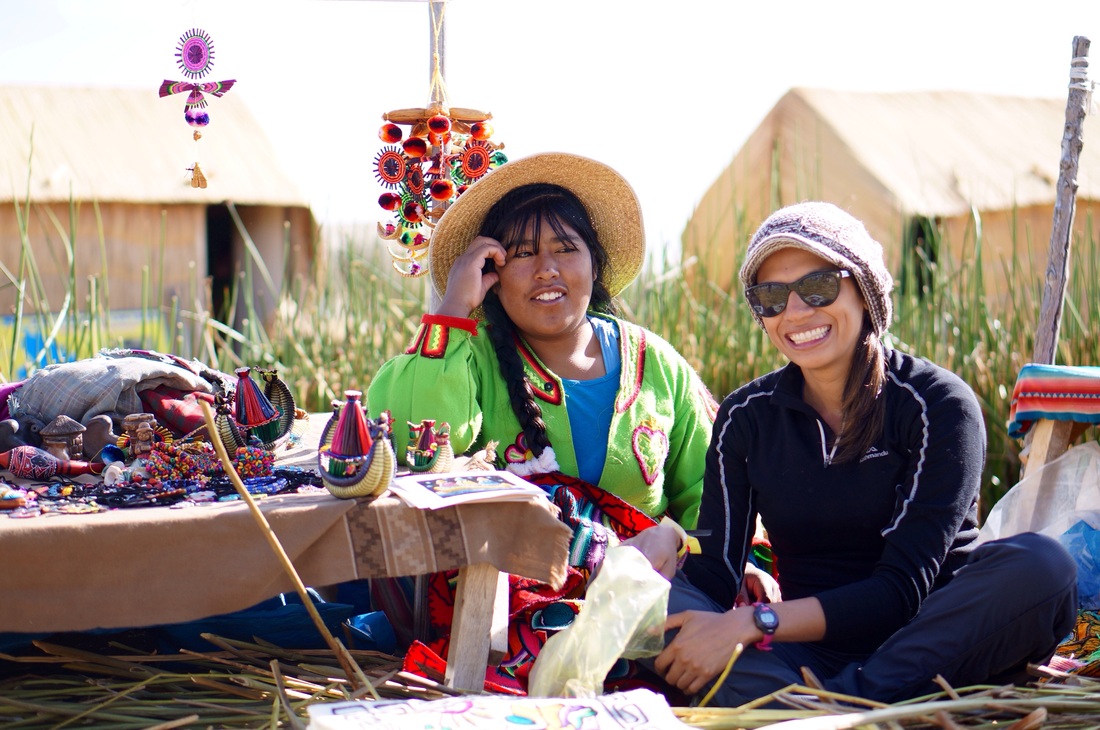
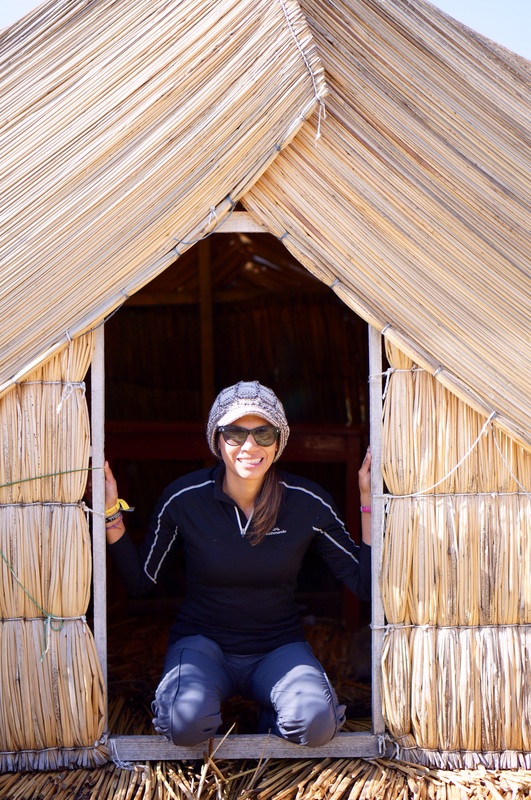
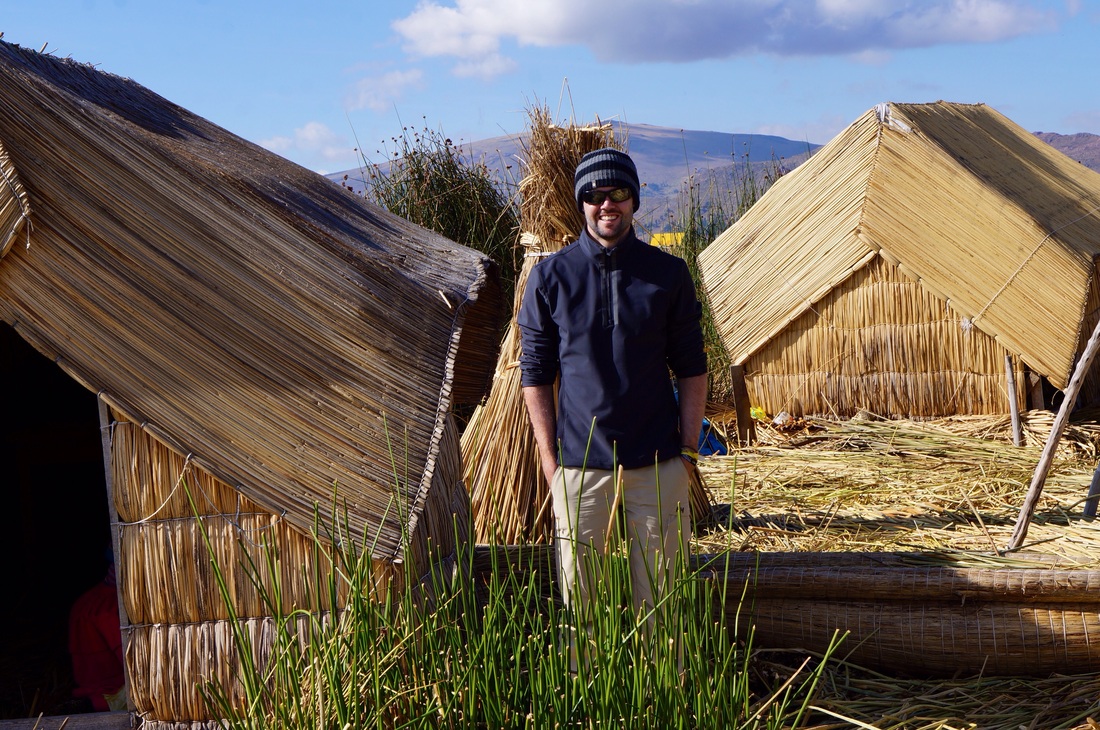
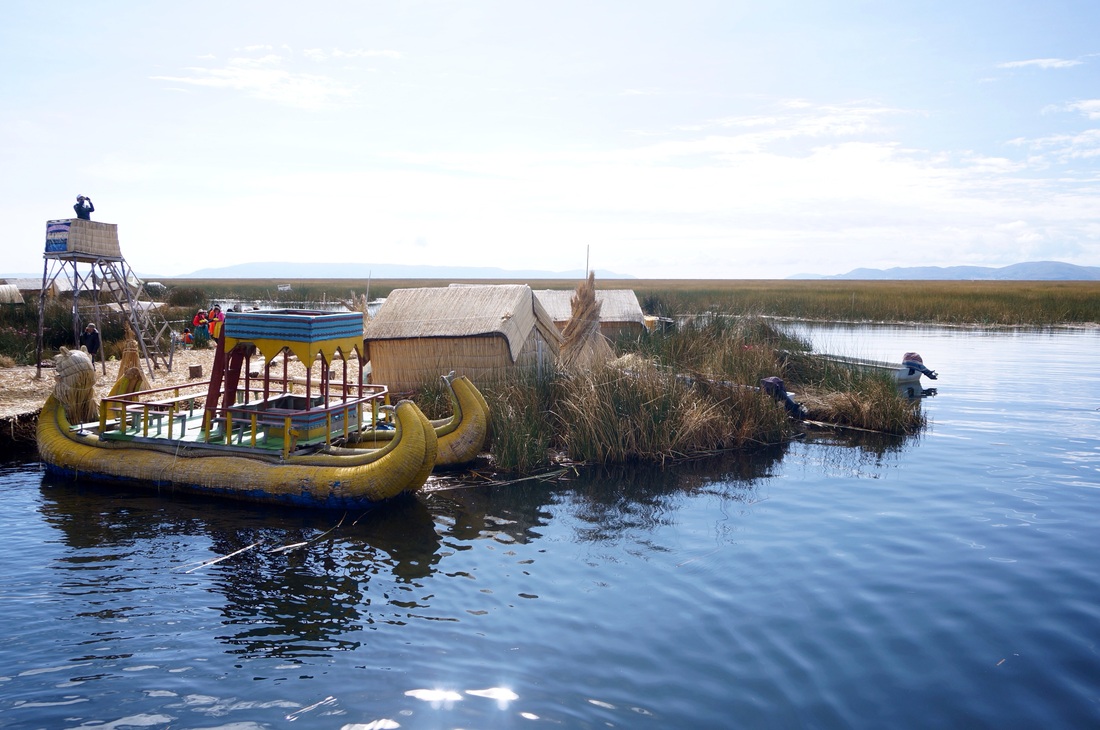
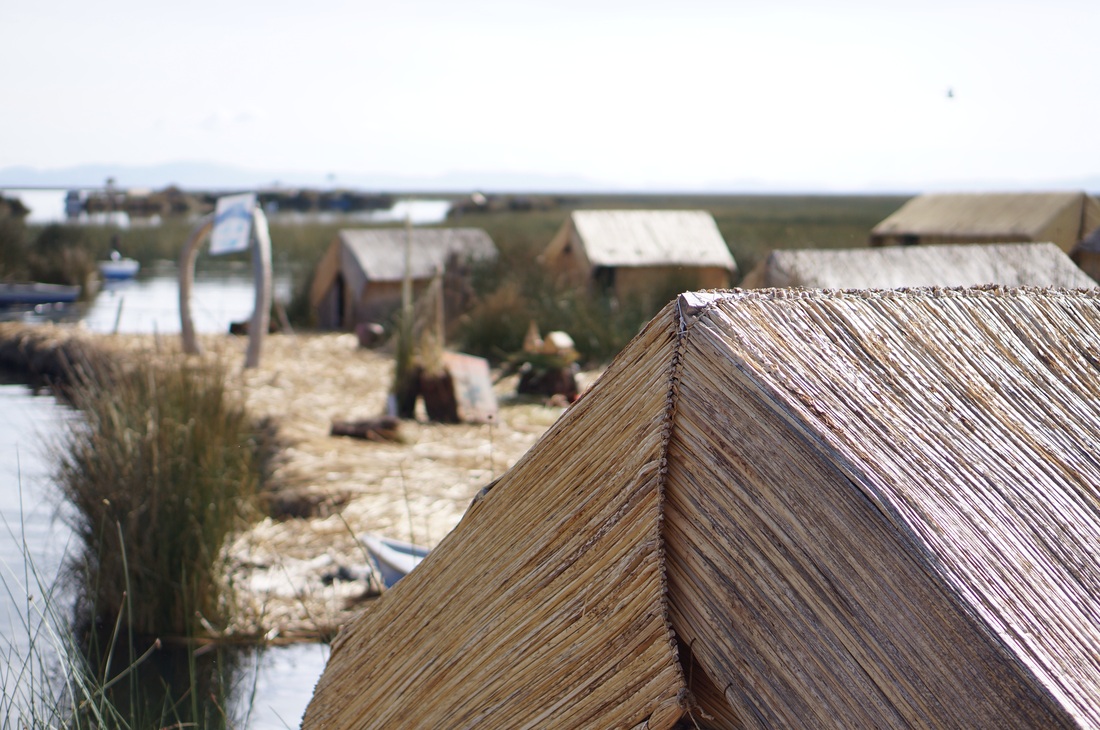
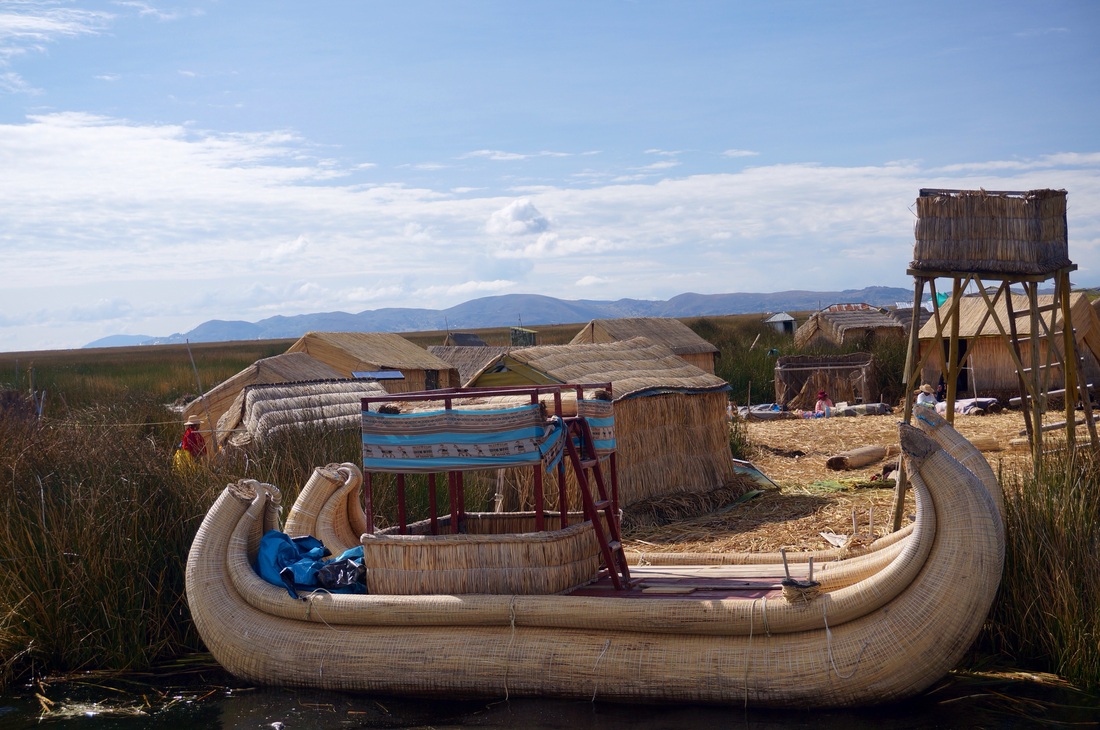
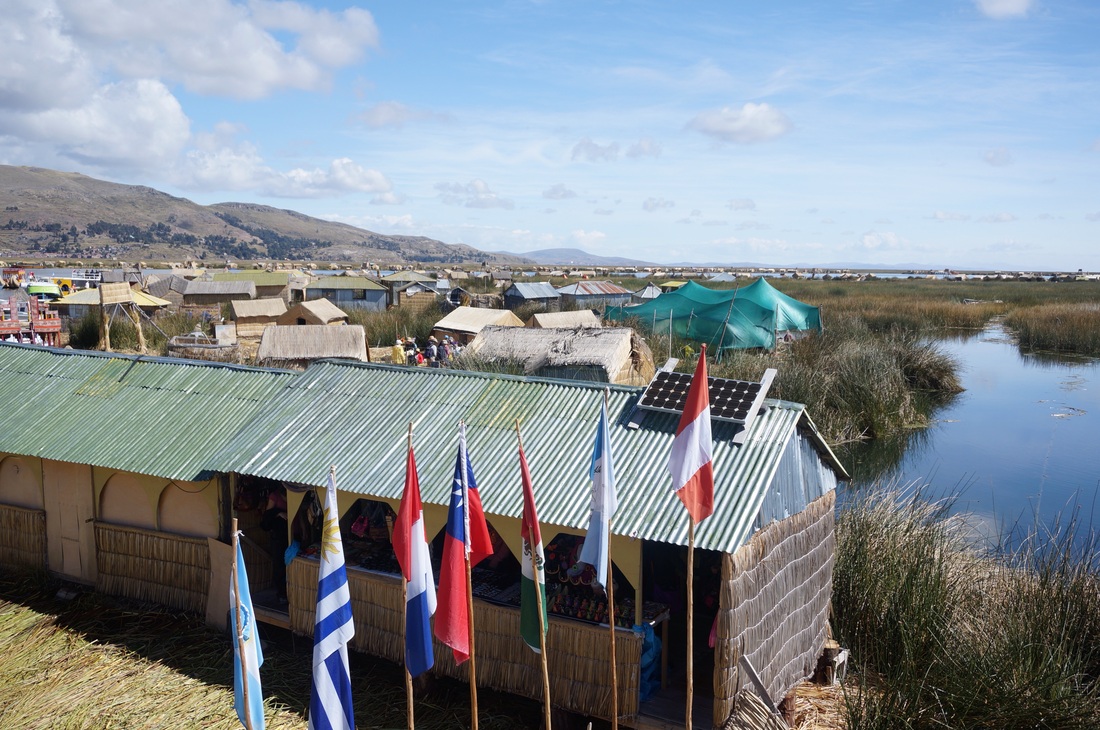
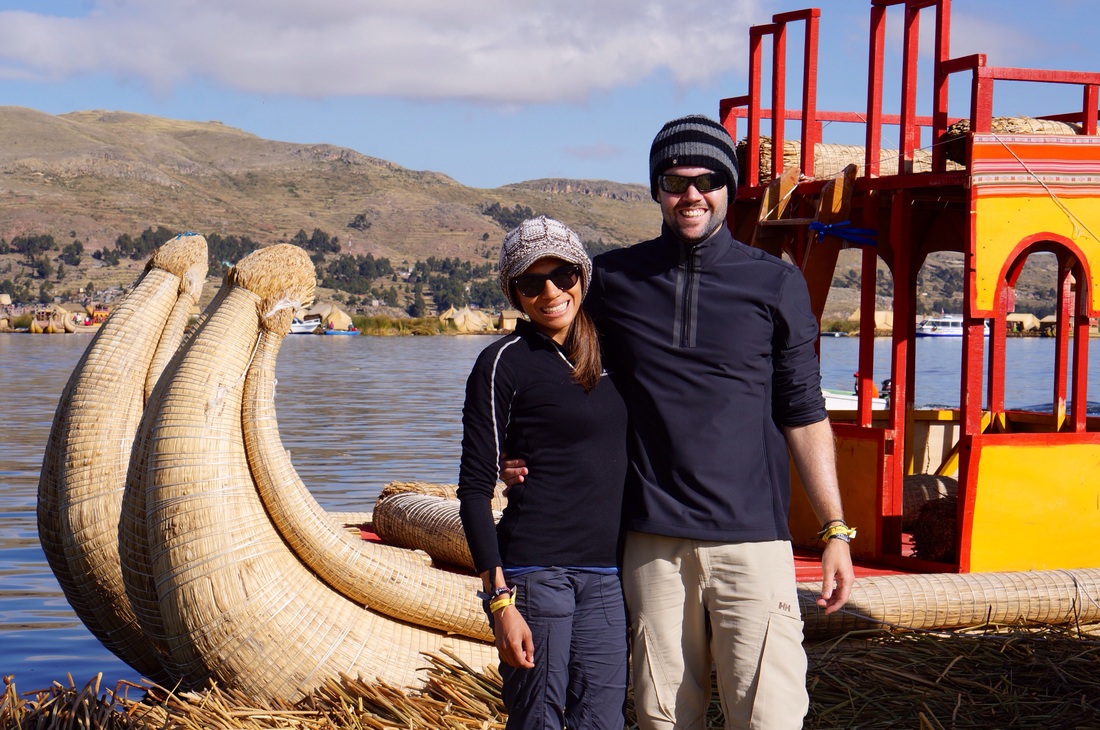
A short boat trip from Puno took us to the unique Uros islands. These floating islands (there are around 50 in total) are built using layers of buoyant reeds that are regularly replenished throughout each island's 20-year life span. The Uros people first moved on to Lake Titicaca hundreds of years ago to get away from Incan and other aggressors and have been living on the reed islands ever since. Although Uros culture certainly has been impacted by tourism, they still have many unique customs, such as electing a president for each island. The highlights of our visit were walking on the uneven surface (which took some getting used to), seeing a demonstration on how they build the islands, and riding a reed boat between islands.
Picture
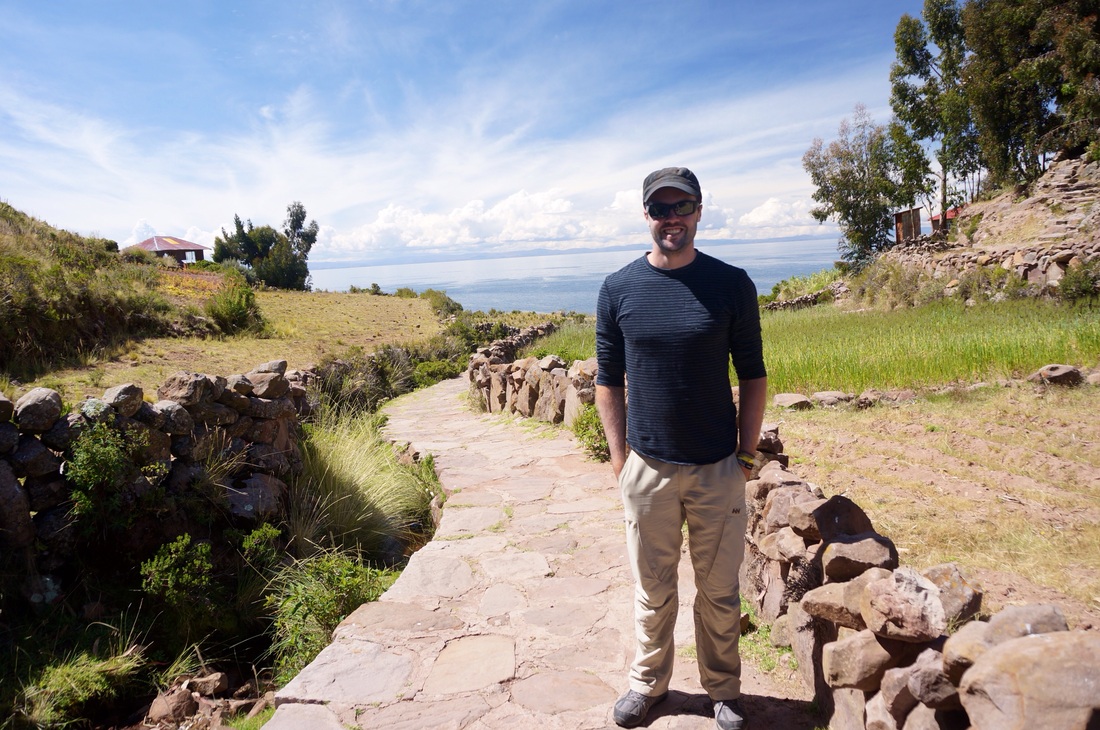
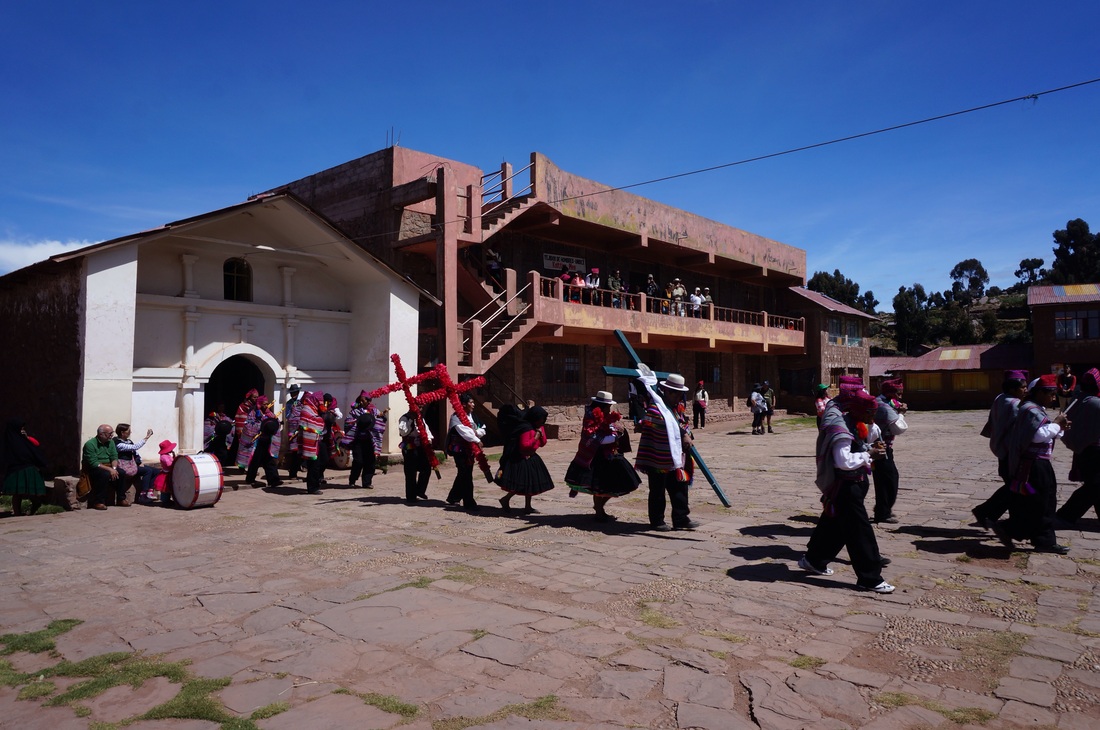
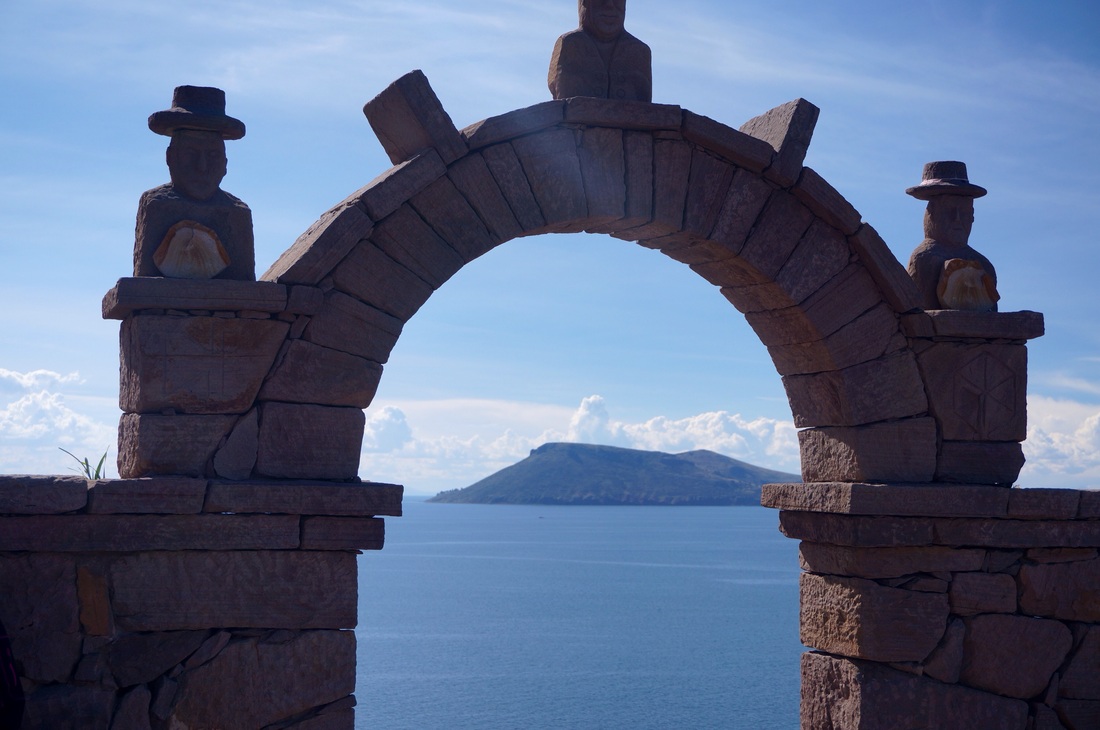
We also took a much longer boat trip to the island of Taquile, a more traditional island (excepting that it's almost four kilometers above sea level), with soil, rocks and a reasonably challenging ascent to its main village. One of the first things you notice on Taquile is that all of the locals are wearing elaborate headwear featuring differing shapes and pom poms pointed in different directions. At lunch we were told that the position and type of the headwear is used in much the same way as a gringo's Facebook relationship status to indicate whether the wearer is single, dating, married or 'it's complicated'. The advantage of Taquile being close to the centre of Lake Titicaca is that you get a true appreciation of how big the lake is. At times it was easy to imagine that we were looking at the Mediterranean sea rather than an inland high altitude lake.
Picture
Next stop was the Bolivian border, where Sam got a free pass into the country while Cindy paid $135 for a visa. Bolivians will tell you that their former president fled to the US with half the country's money, so perhaps they're slowly trying to claw it back from American tourists.

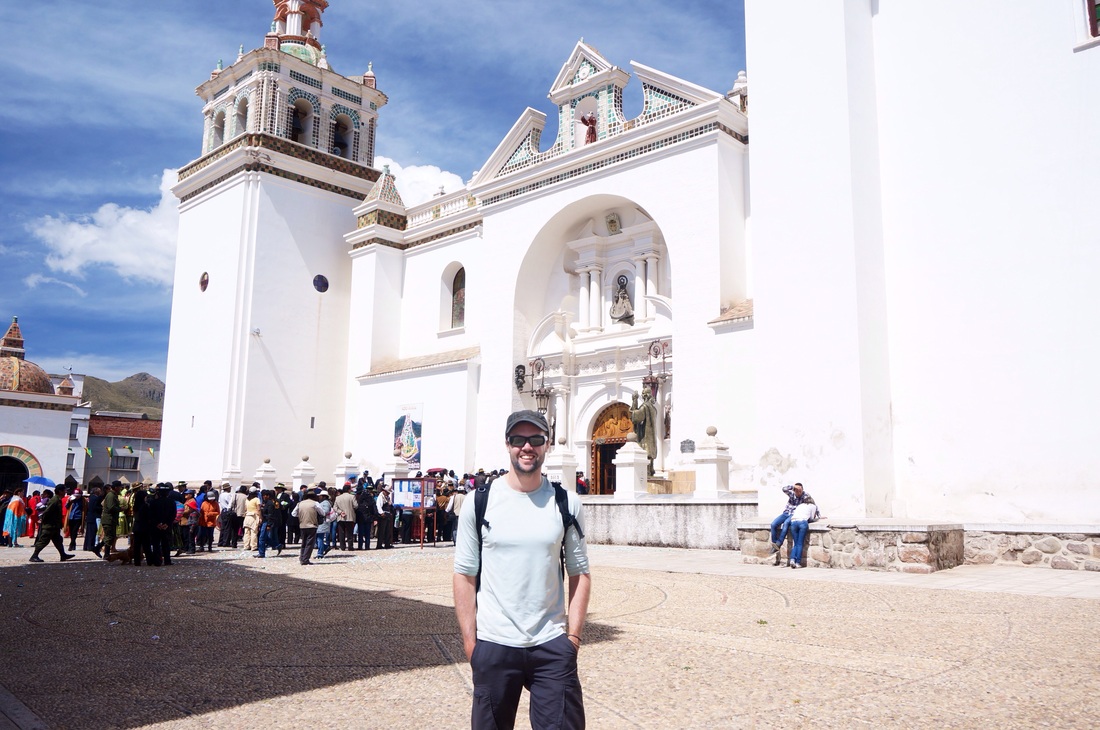
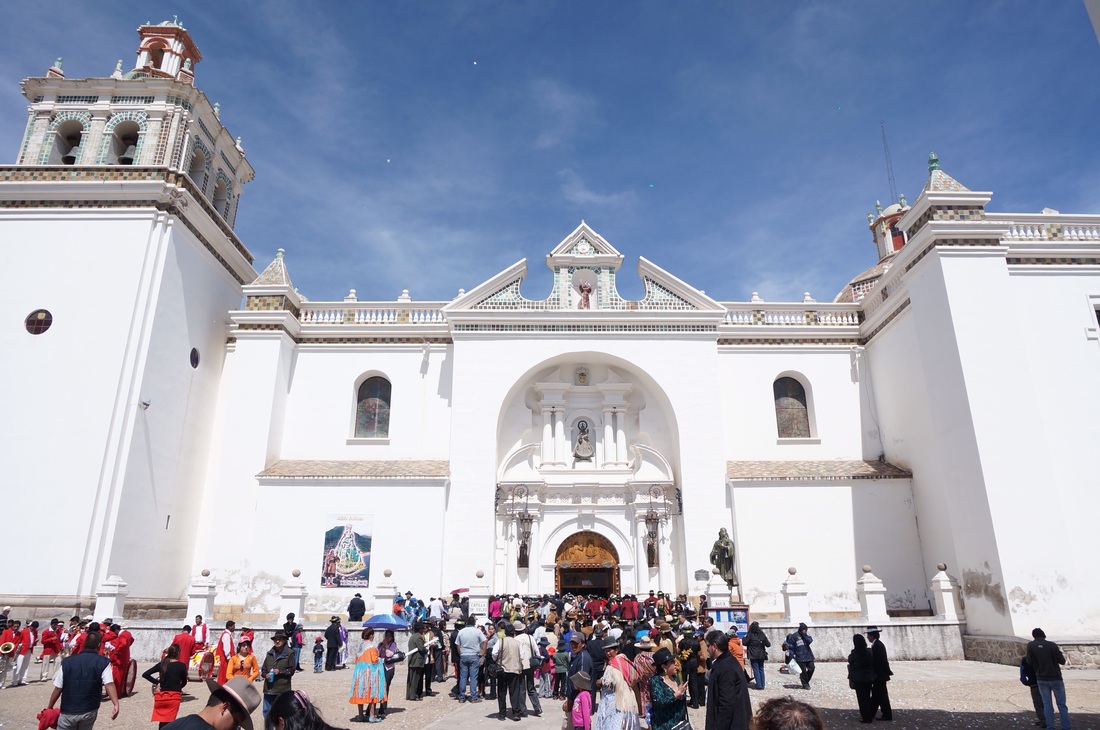
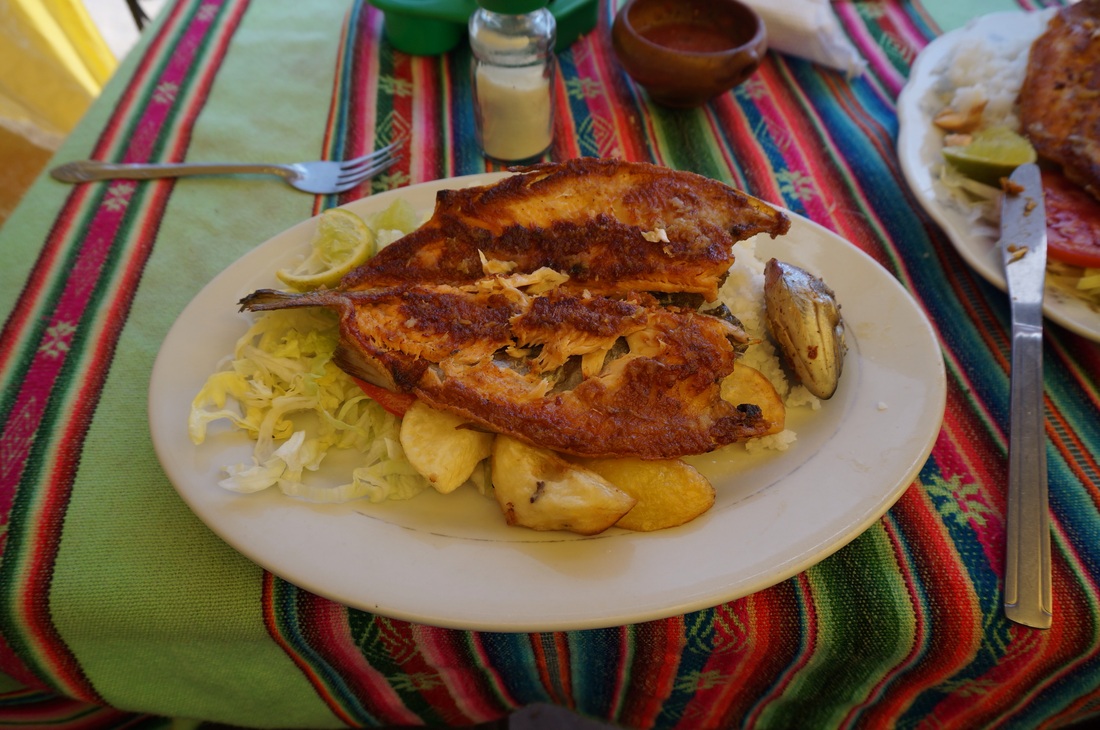
Just past the border was the small lakeside town of Copacabana, which inspired the naming of the much more famous (and we expect more picturesque) beach in Brazil. In Copacabana we wandered through the streets, visited the main cathedral and enjoyed some delicious local trout served with lake views from a street shack (which at $3 was the first of many memorable Bolivian cheap eats). 
Picture
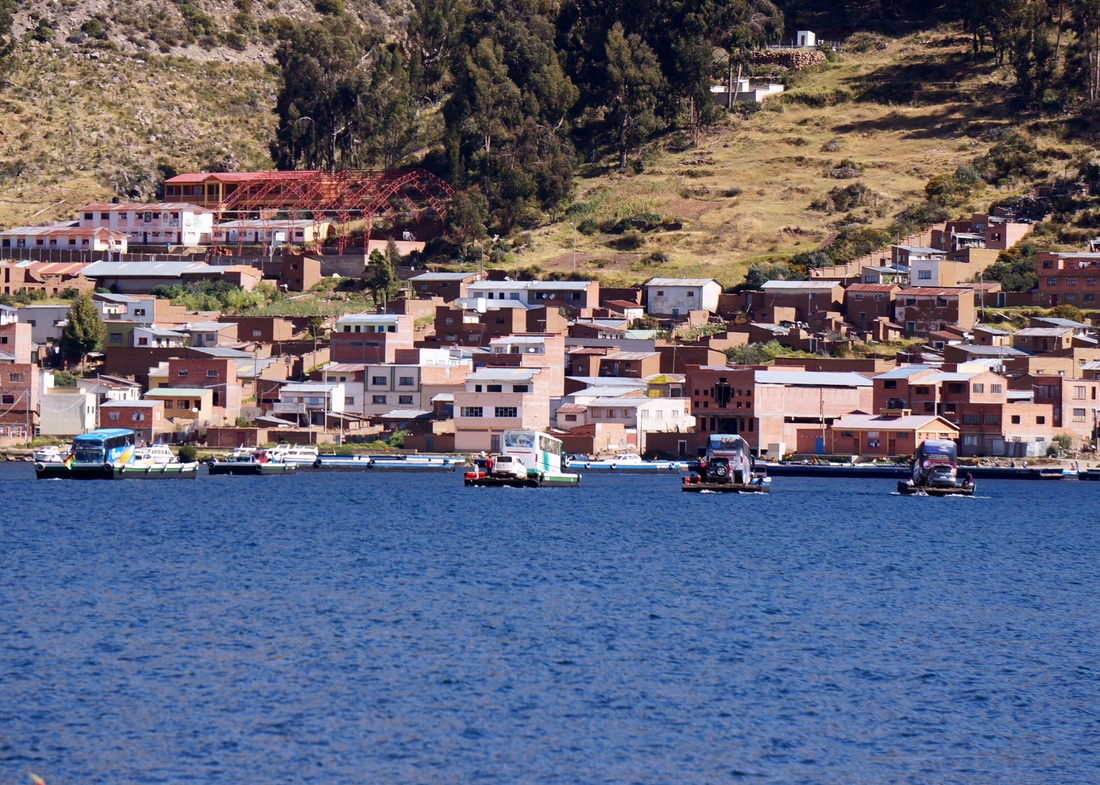
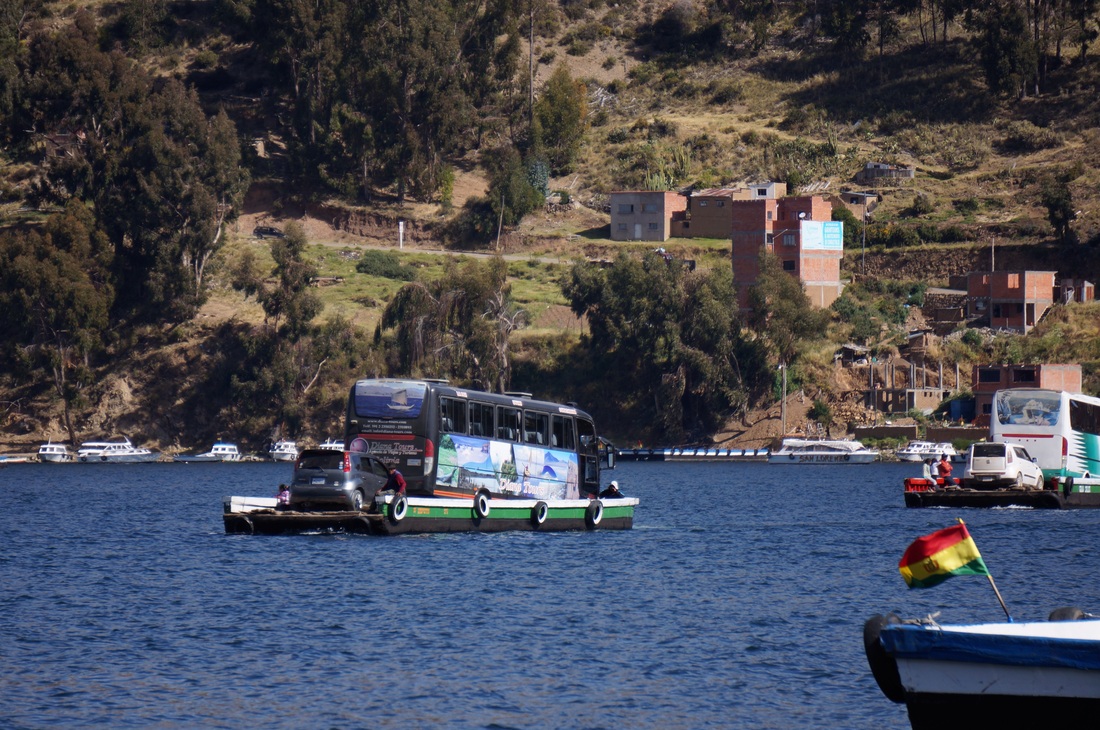
We then boarded a short, but interesting, bus trip to La Paz, featuring lake crossings (where we and our bus crossed on different vessels) and the most third world roads we'd encountered so far. There'll be more on La Paz (and interesting roads) in the next post.
Picture
1 Comment

Cuzco & the Inca Trail

5/10/2014

6 Comments

 
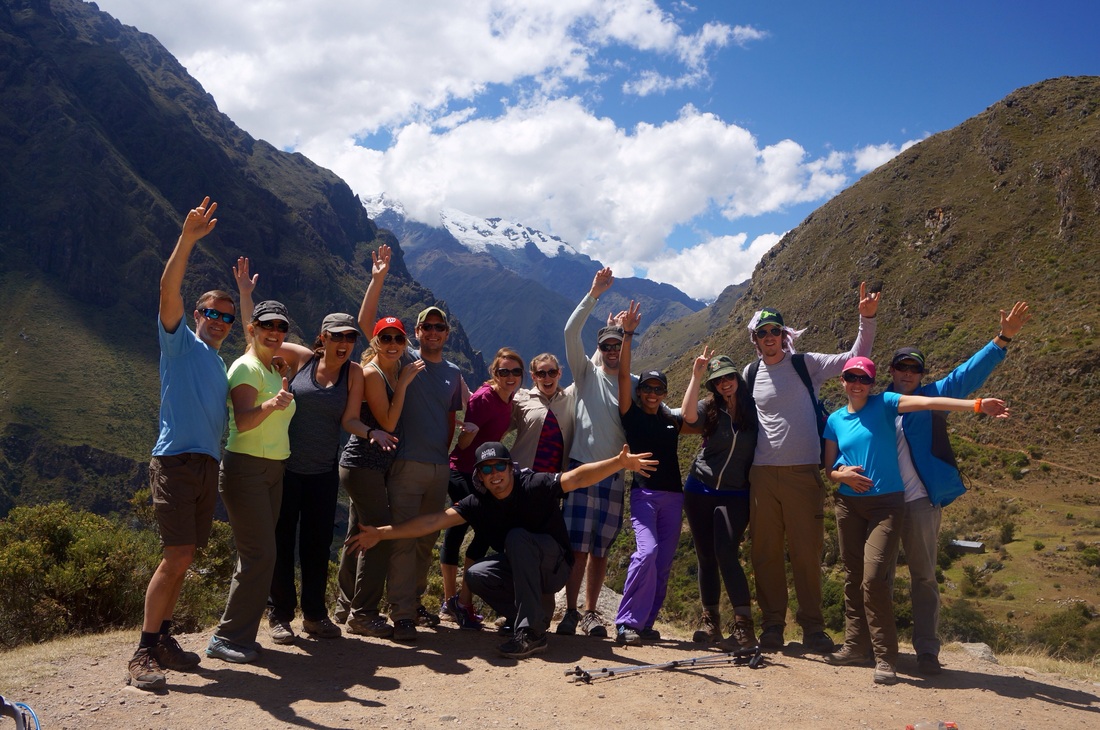
When most relationships become serious couples talk about getting married and having babies. At that stage of our relationship the discussions were about getting married and hiking the Inca trail to the Machu Picchu. Our four day and three night trek was the first thing we booked for our big South American adventure and our expectations were sky high. With the help of some beautiful weather, an awesome group of fellow trekkers and the most universally impressive tour company we've encountered anywhere in our world travels (Alpaca expeditions), the trek blew away even our expectations. More on all of that later... 

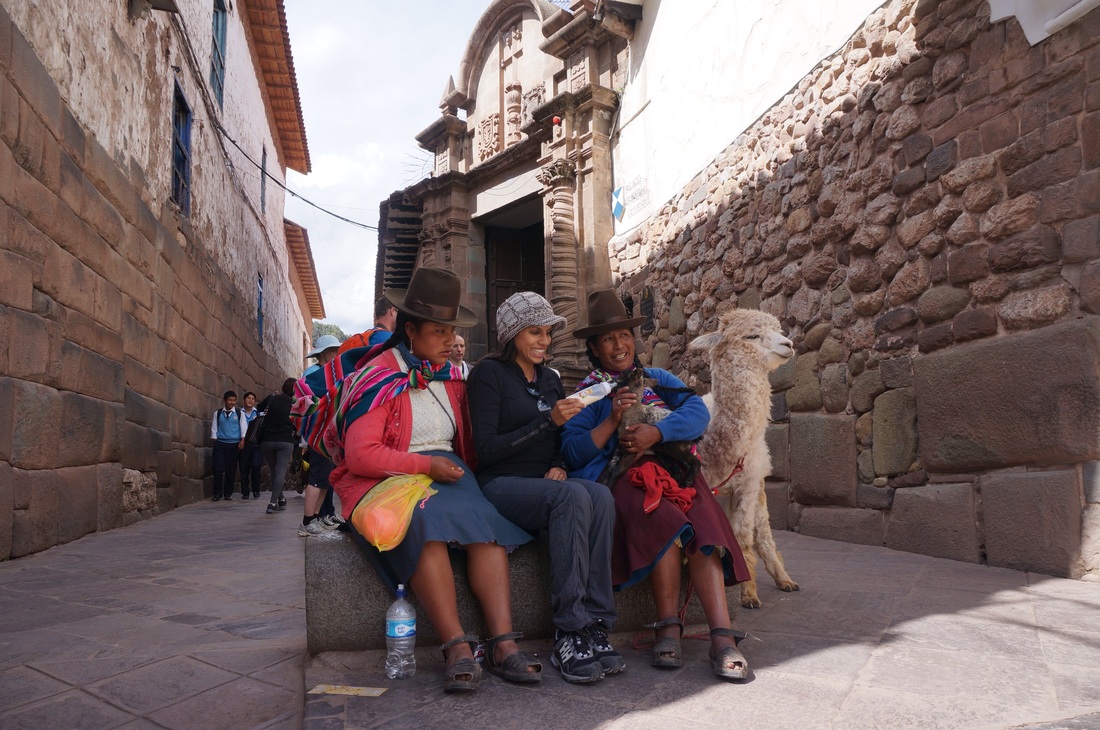
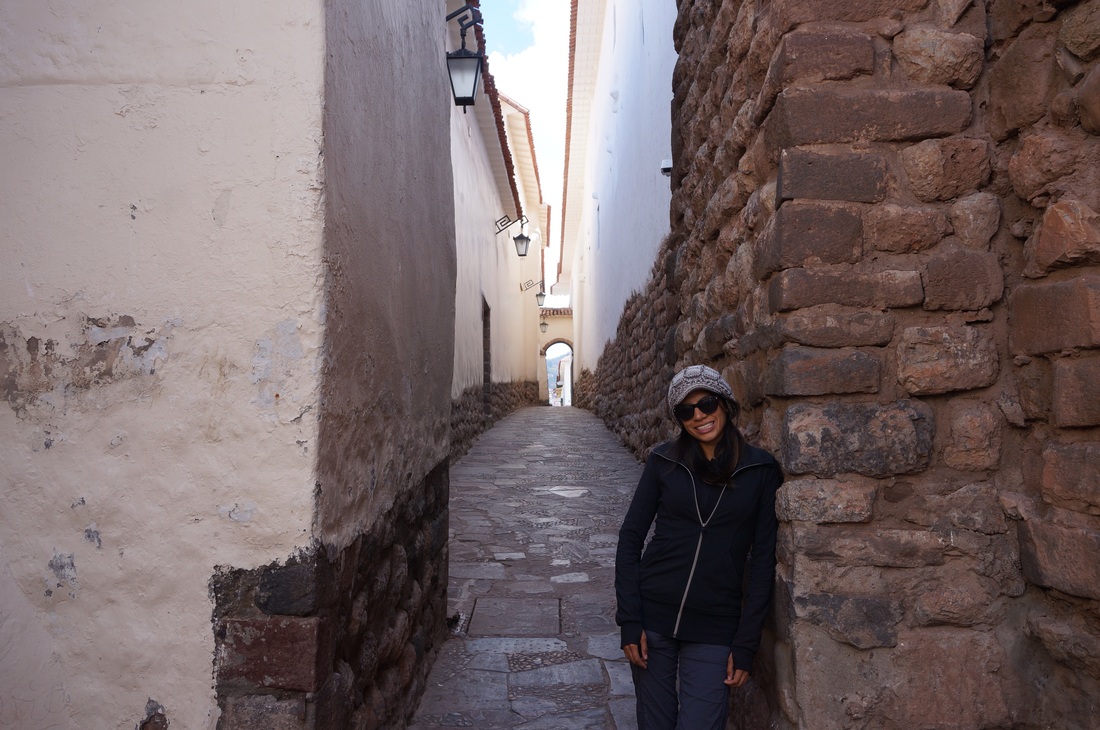
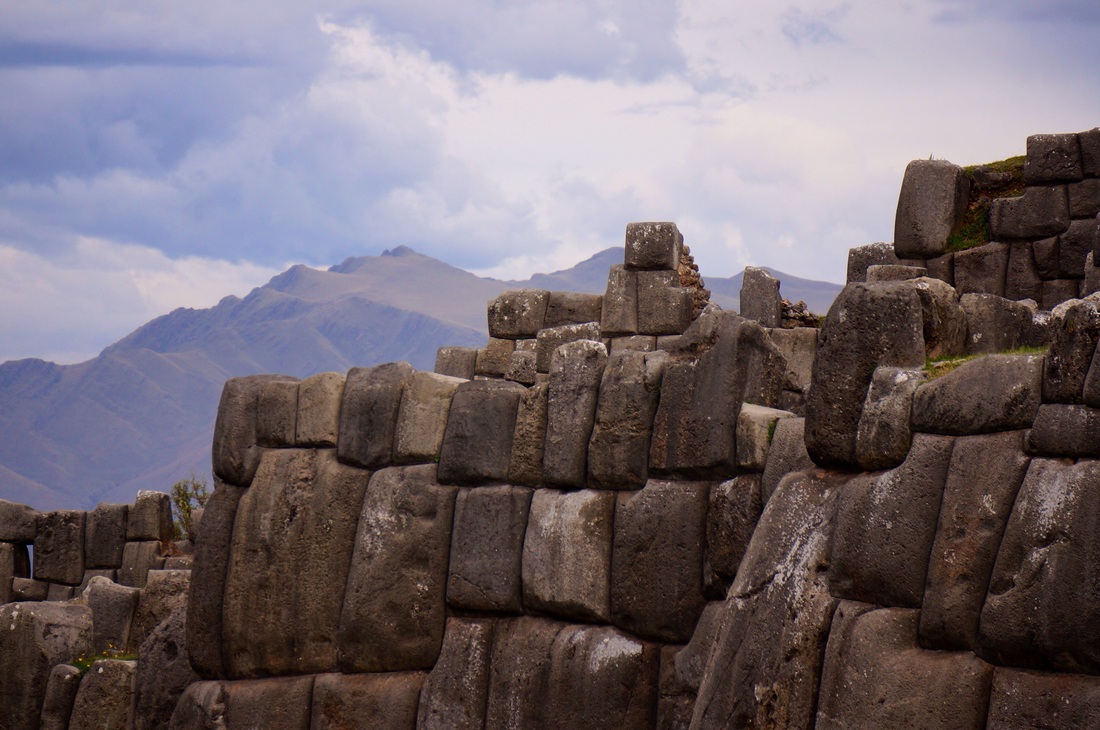
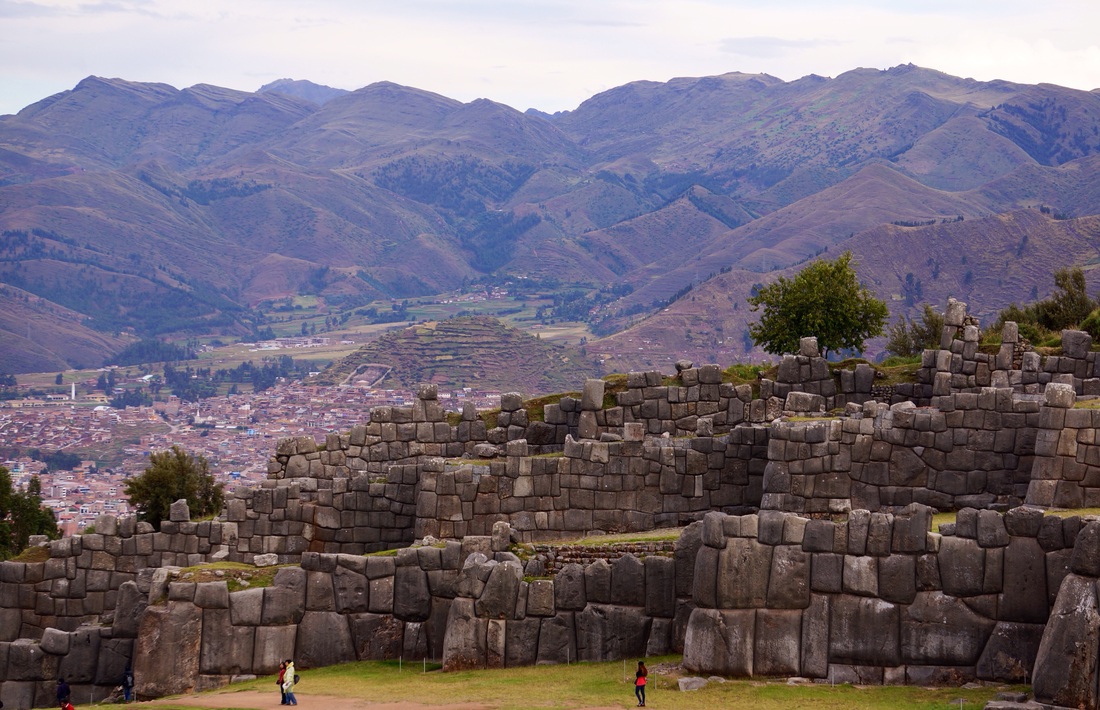
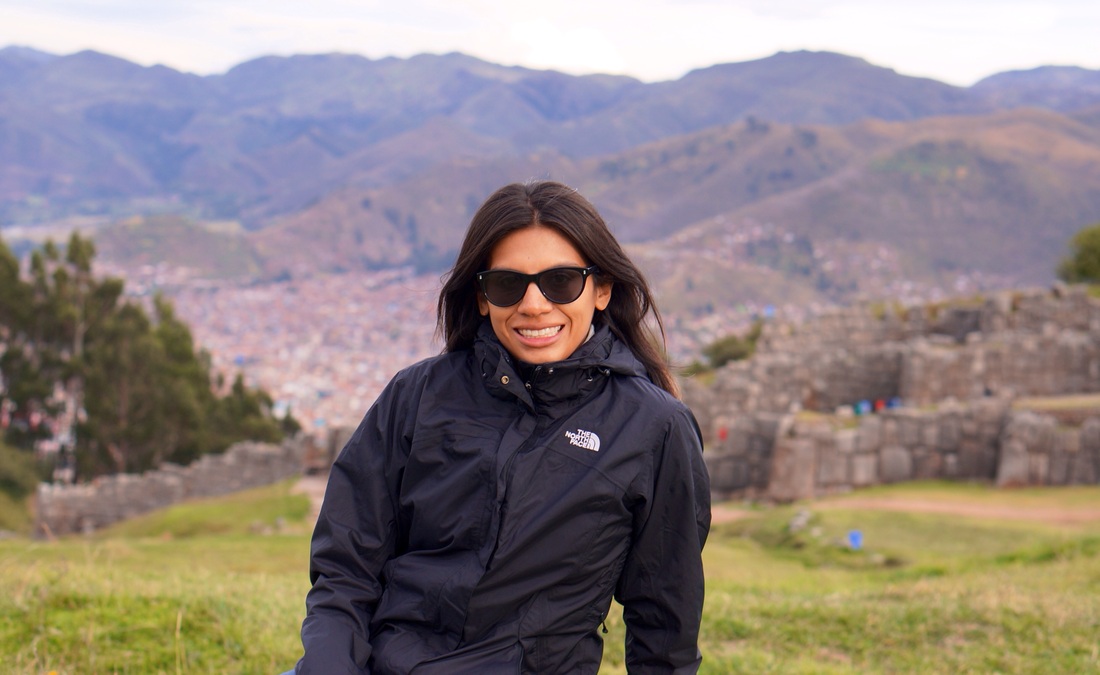
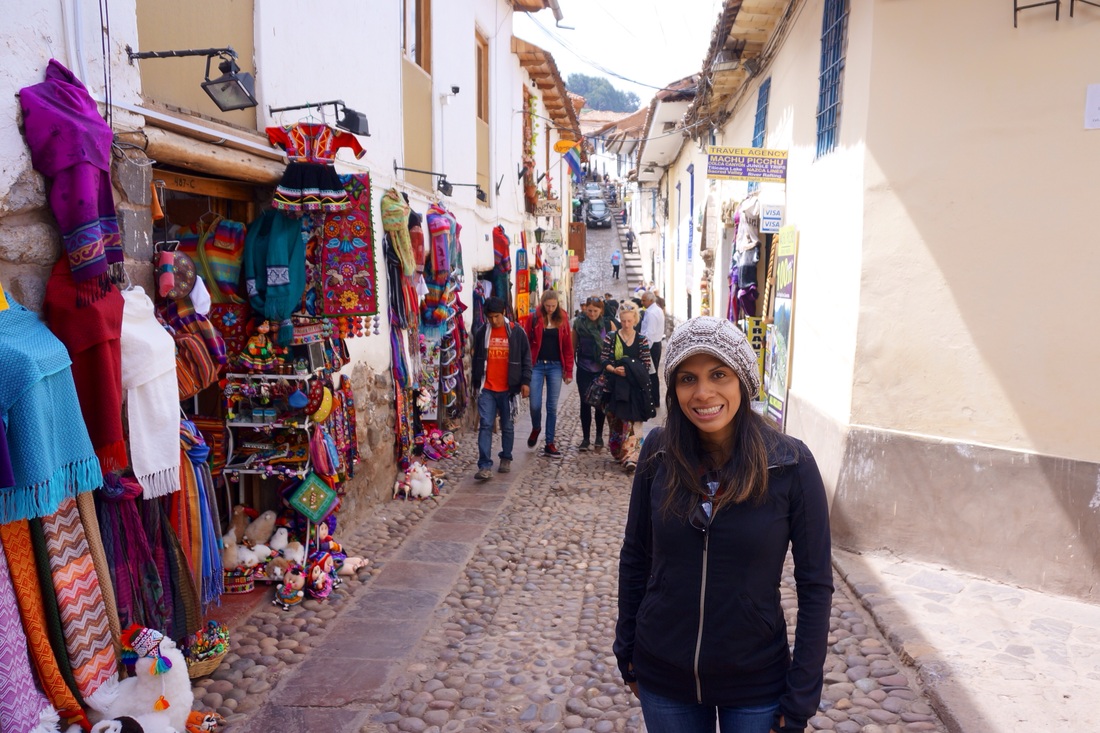
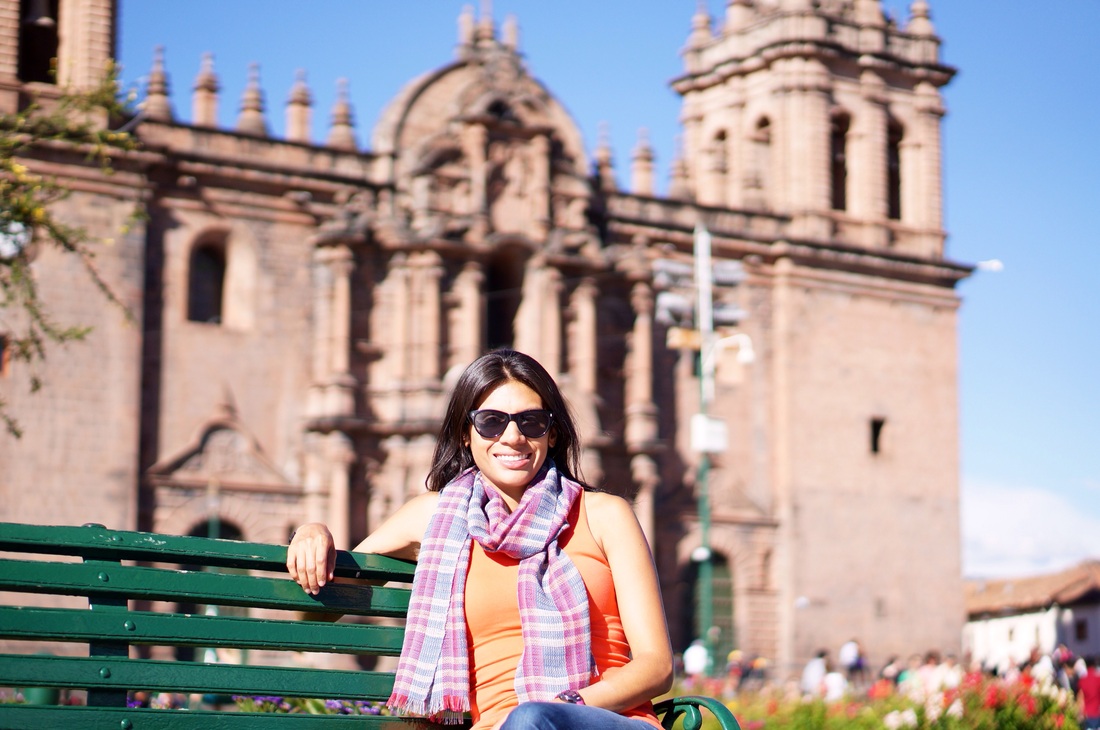
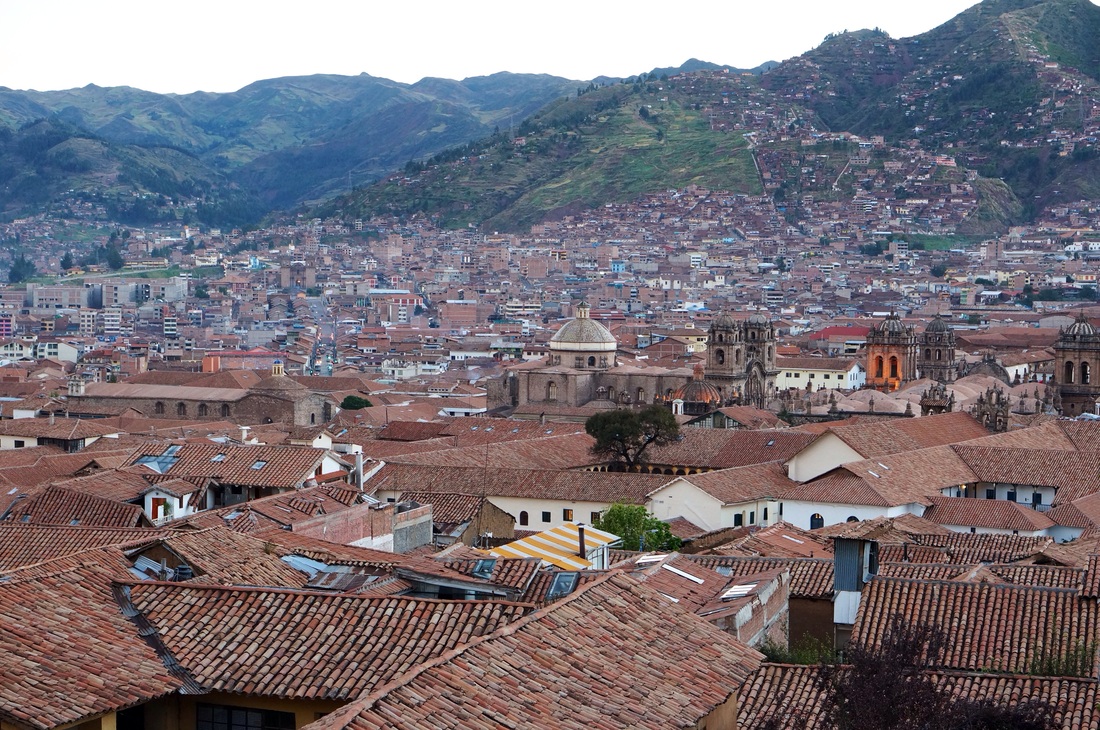
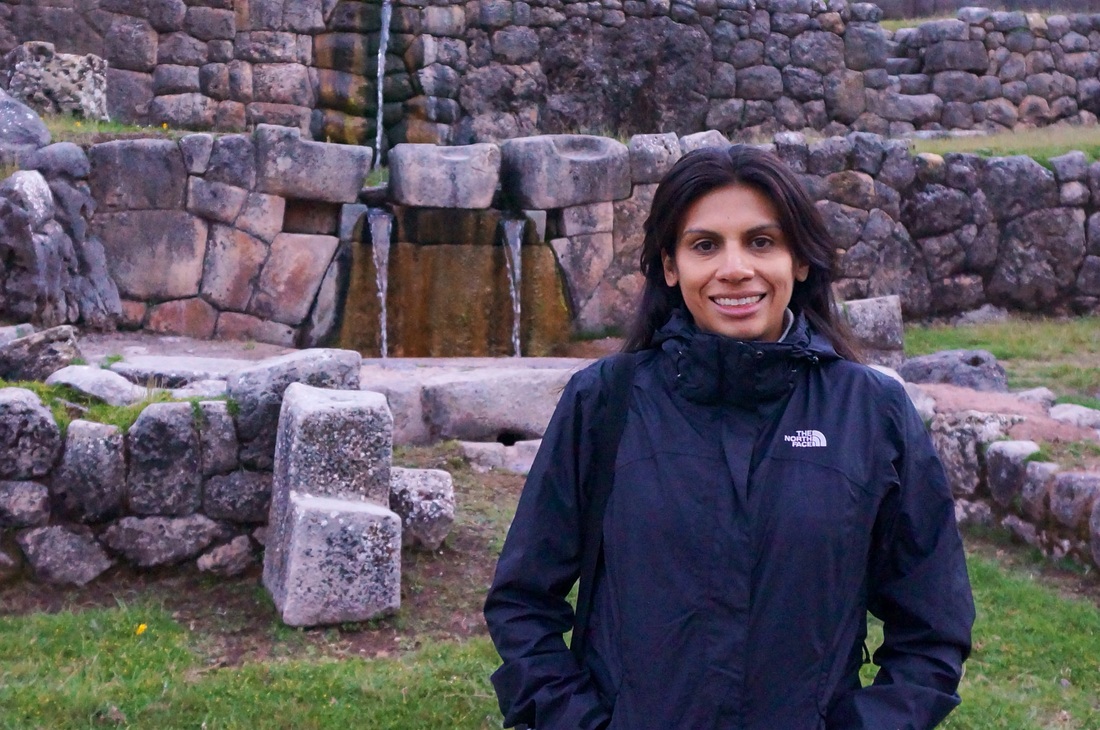
We arrived in Cuzco several days before our trek commenced to allow plenty of time to explore the beautiful city and acclimatize to the high altitude of the region. Cuzco was the centre of the Incan empire (in-fact the name Cuzco derives from an indigenous word cosq´o meaning the naval of the earth), and still features plenty of Incan walls and streets. During the 16th century, Spanish conquistadors took over the city and began reshaping it to suit themselves. The Spaniards tore down 80% of the Incan site of Saqsaywanan to build their own houses. They also put the locals to work, building large catholic churches across the city.

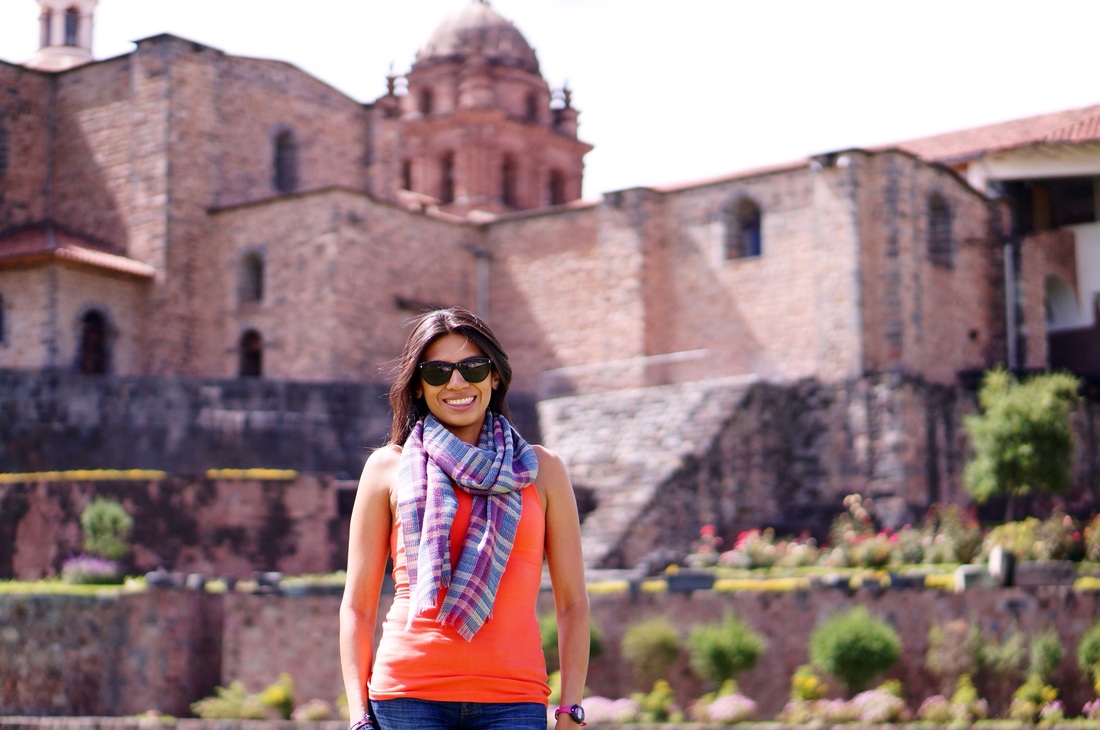
As a result, Cuzco features an interesting mix of Incan and Colonial architecture, both beautiful and impressive in their own way. One example of this is Qorikancha, which was originally the most important temple in the Incan empire before the Spaniards looted it and built a Church on top.

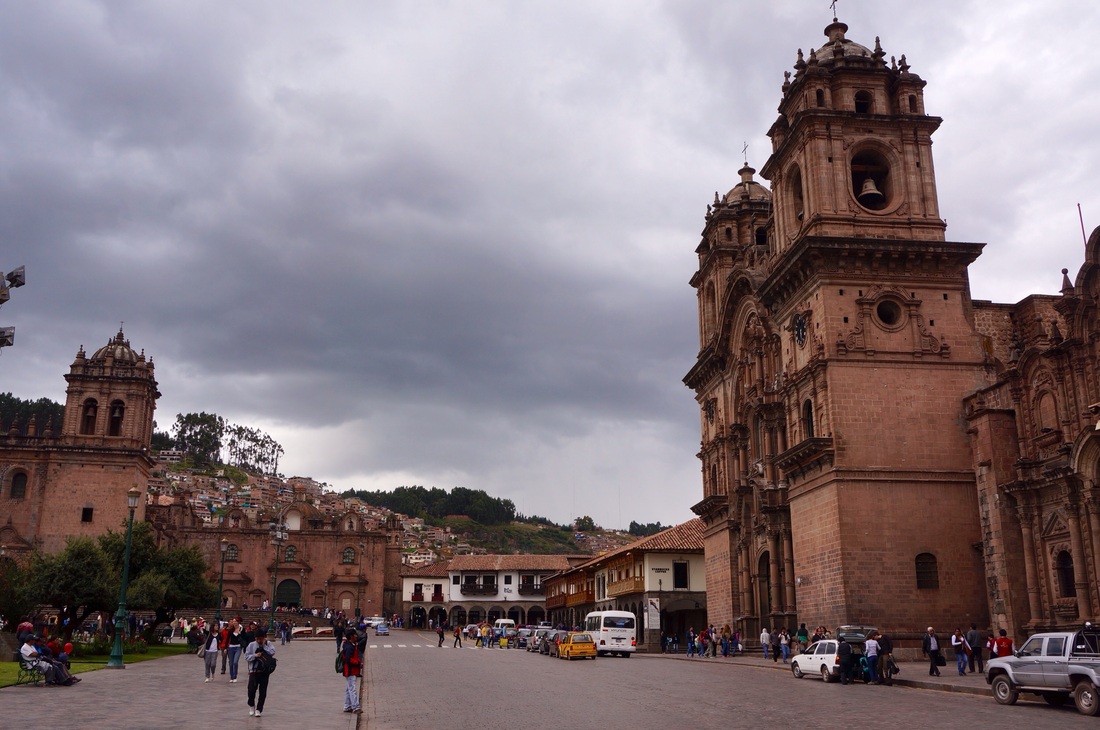
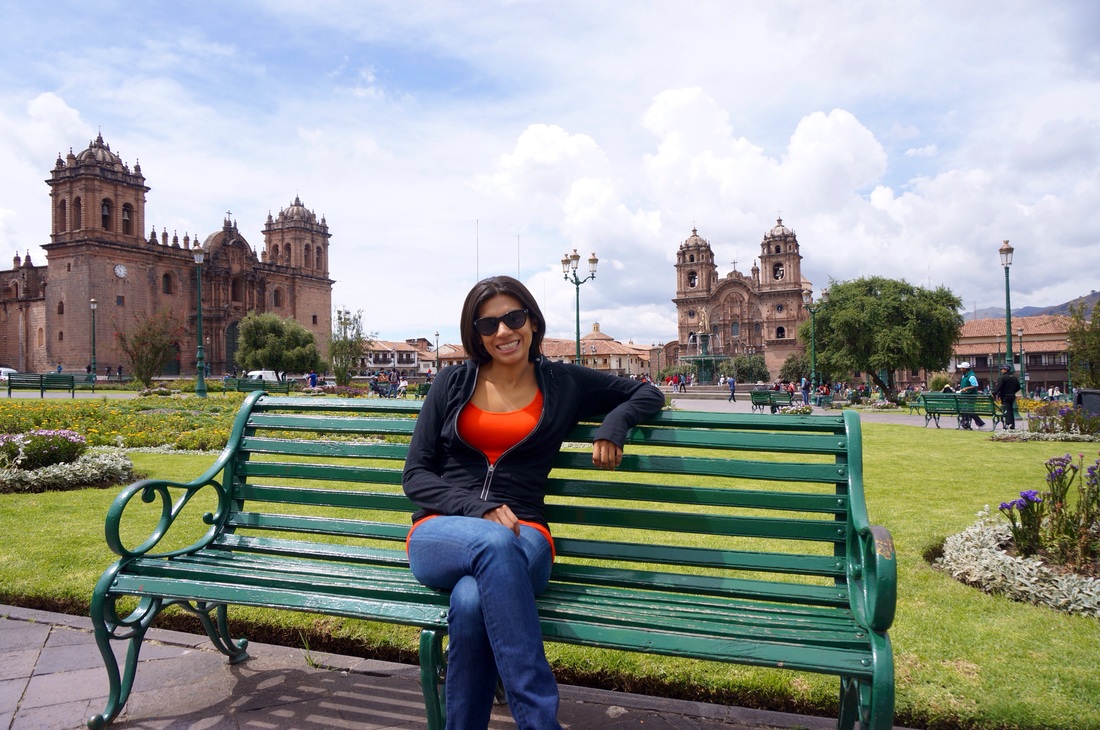
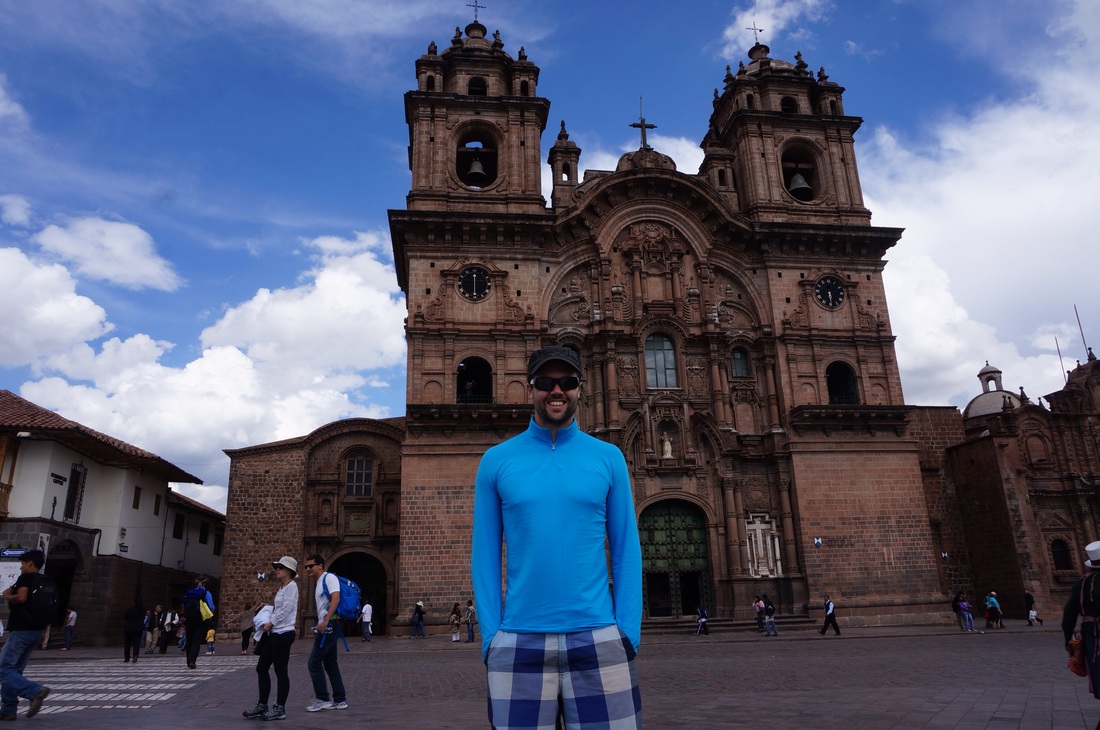
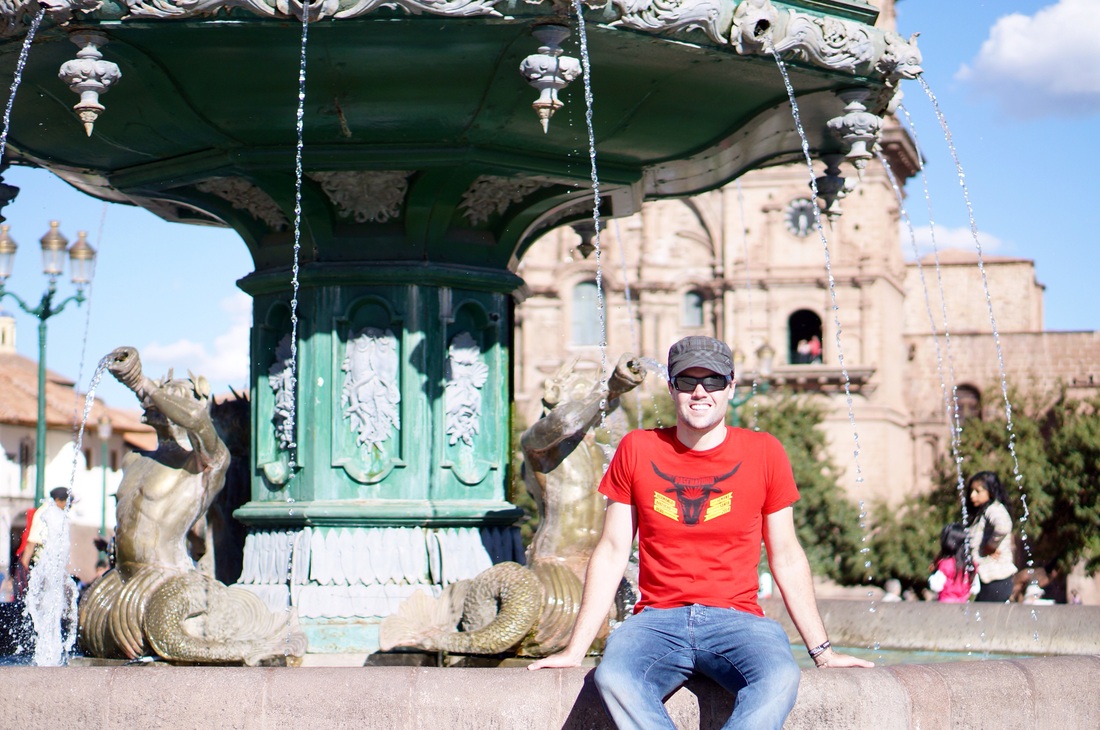
One of the main attractions in Cuzco is its Cathedral (and adjoining churches of Jesus Maria and El Triunfo), which sits prominantly at the head of the Plaza de Armas and houses some of the most valuable and interesting artworks in Peru. As our tour guide pointed out, the Incan builders, painters and sculptors who worked on the cathedral were forced to do so and didn't necessarily understand, or agree with, the Catholic faith they were tasked with celebrating. The scene of the last supper, for example, was somewhat lost in translation as the Incan painter included cuy (guinea pig) as the main dish. Our favorites were the cheeky signs of defiance, with Incan religious figures very carefully disguised in otherwise overtly Catholic paintings and sculptures.

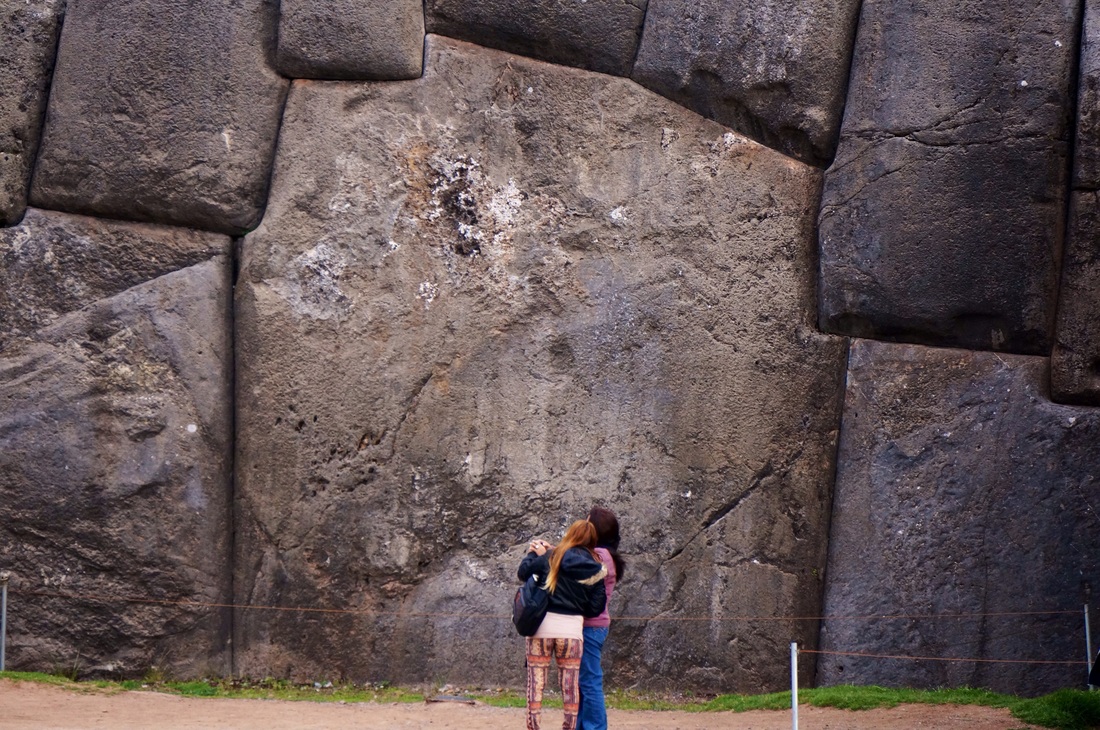
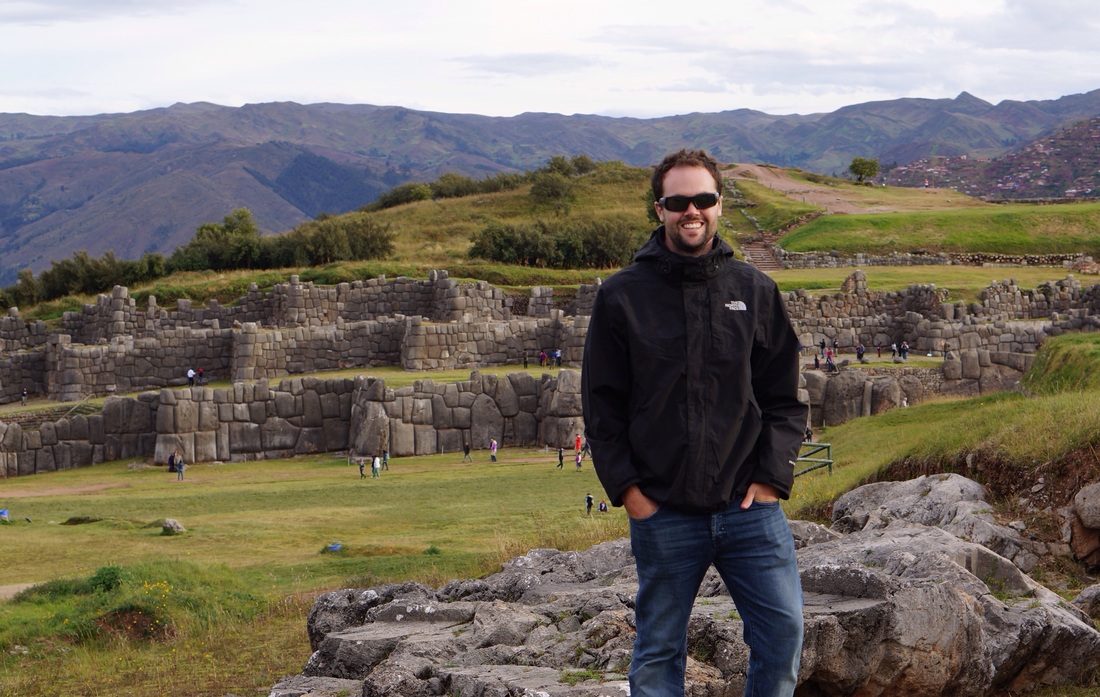
As most visitors do, we used Cuzco as a base to explore nearby archiological sites, including Saqsaywaman, Q´enqo, Tambomachay and Pukapukara. Despite being a shadow of its former self, Saqsaywaman was our favourite, not only because the name sounds a lot like sexy woman, but also because it features a 125 tonne rock that we imagine would have taken an army of people to move into place. We also toured the nearby Sacred Valley, visiting the Pisac and Ollantaytambo archiological sites, as well as the Pisac markets and the beautiful small town of Chinchero.

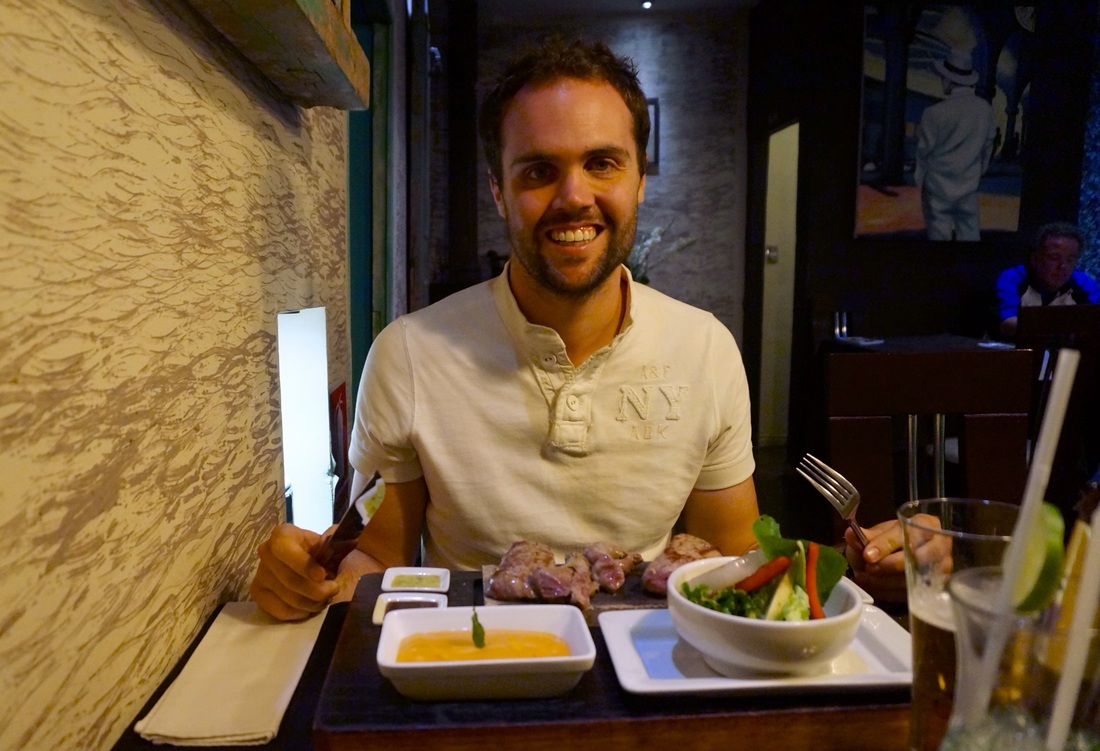
One of the advantages of Cuzco drawing crowds from all over the world is that some foreigners stay and open up nice restaurants. While in Cuzco we enjoyed some really nice crepes, pizza and american-style sandwiches. However, the highlight was still the Peruvian food, and in particular a really nicely cooked piece of alpaca tenderloin.
Picture
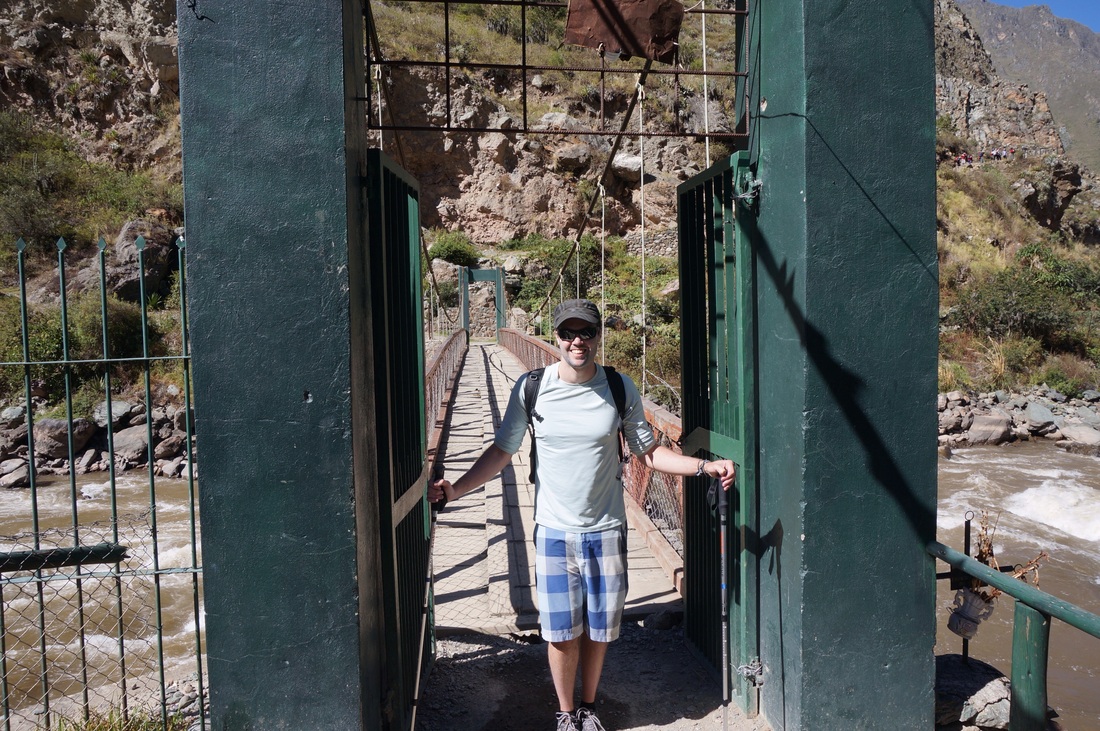
On the morning of our hike we were picked up at 4:20 and driven to kilometer 82, the starting point for the inca trail. At that stage most of the trekkers in our group were a little nervous, but those nerves turned to excitement as we started the relatively flat 14km walk to our first campsite. Along the way we saw the first archeological site, Llactapata, and enjoyed views of the snow capped mount Verónica. Our campsite was a couple of kilometers uphill from most others, and as a result we enjoyed seeing the sun set over the beautiful valley below. At dinner our guides assured us that the most scenic part of the trek was still ahead of us, which was good news since nobody had been disappointed with he scenery on day one.

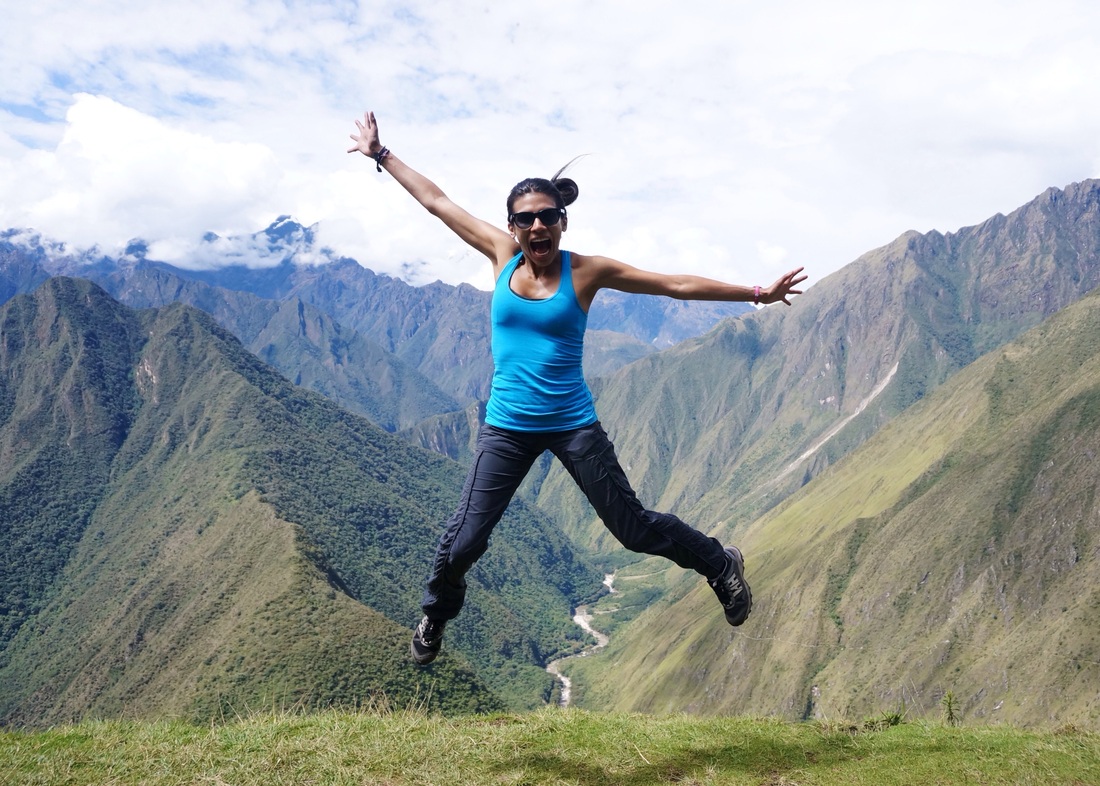
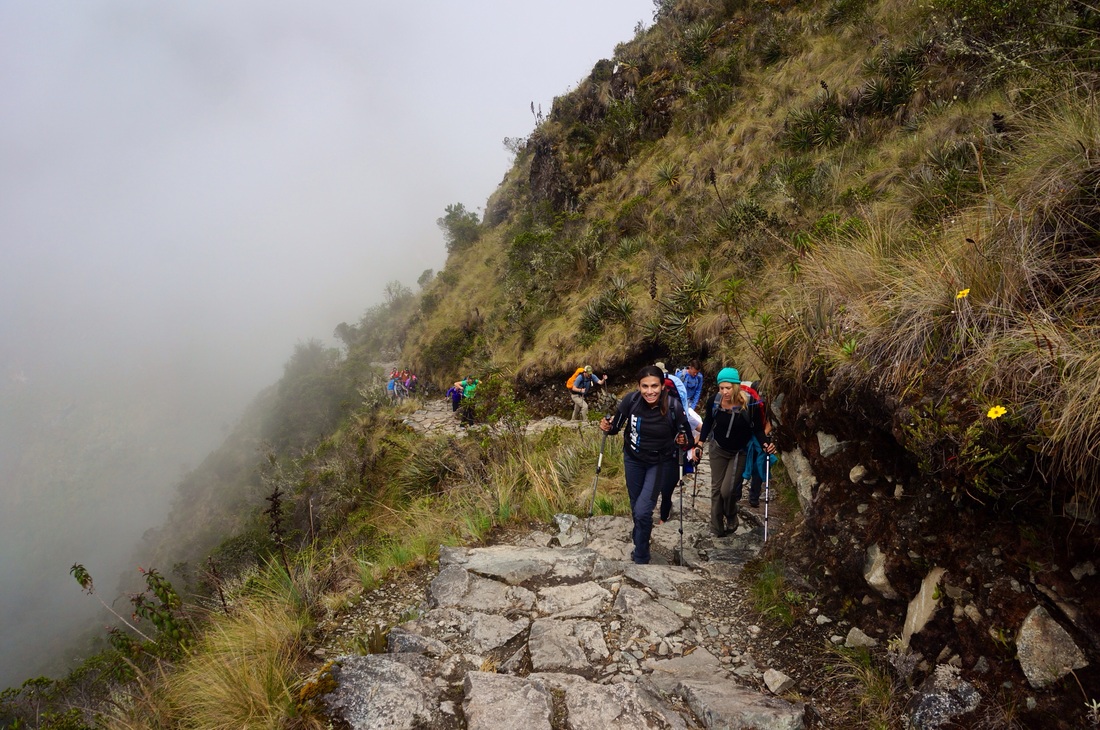
Day two was the toughest, featuring a steep climb to Warmiwañuska (or dead woman's pass), the highest point on the trail (at 4200 meters), followed by an equally steep descent. We had lunch where most trekkers camp, then took on a second climb to a false summit at 4000 meters. We arrived at our camp site just before sunset having covered 18 tricky kilometers on a long day. Although we were all tired, we were proud that we'd all made it in one piece and that nobody had succumbed to altitude sickness. The weather on day two was generally foggy and we got a little bit of rain, but if anything it probably helped that we couldn't see any more than 50 meters of the daunting trail ahead.

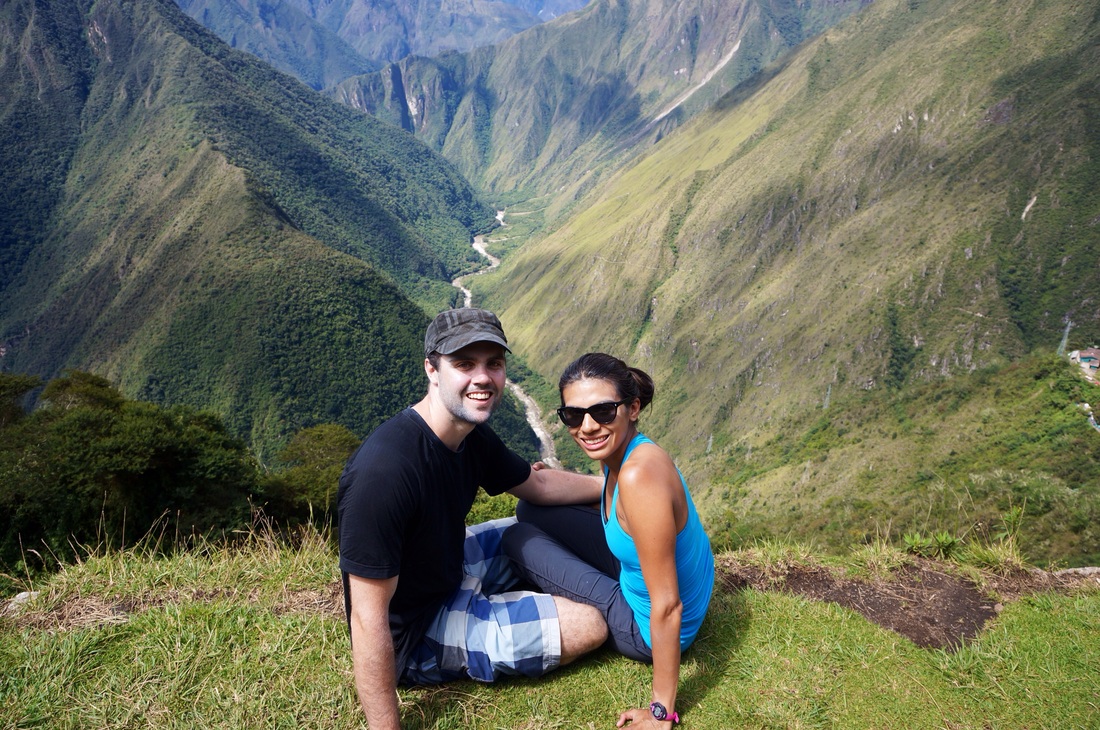
Our reward for covering so much territory in the first two days was that our hike on day three was at a relatively relaxed pace. On a beautiful sunny morning we enjoyed stunning views from the third pass and the nearby ruin of Phuyupatamarka. From there we descended steeply, shedding layers as we watched the vegetation change to match the lowering altitude. We arrived at our third campsite in time for a late lunch, hot shower (not a typo) and short nap. Just before sunset we visited the nearby ruin labelled 'the mini Machu Picchu', where our porters handed each of us t-shirts to congratulate us for making it. At the end of what was our favorite day on the trek we enjoyed one final dinner with our guides and fellow trekkers, who we'd become good friends with by then.

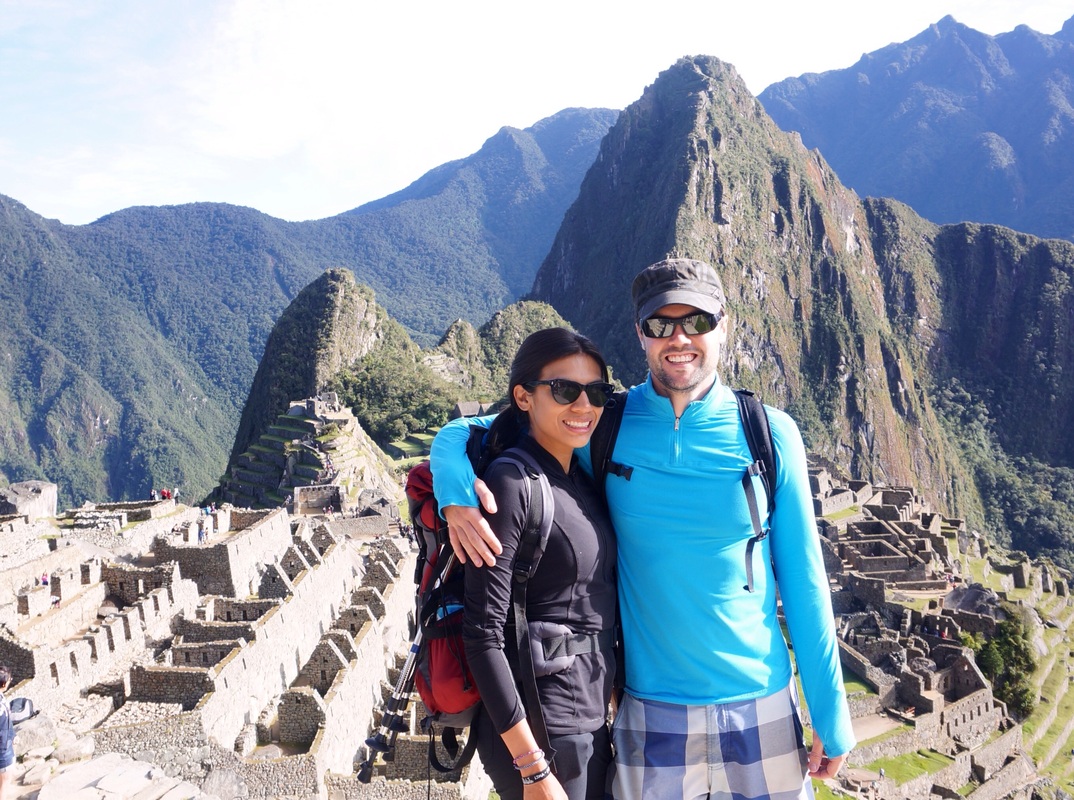
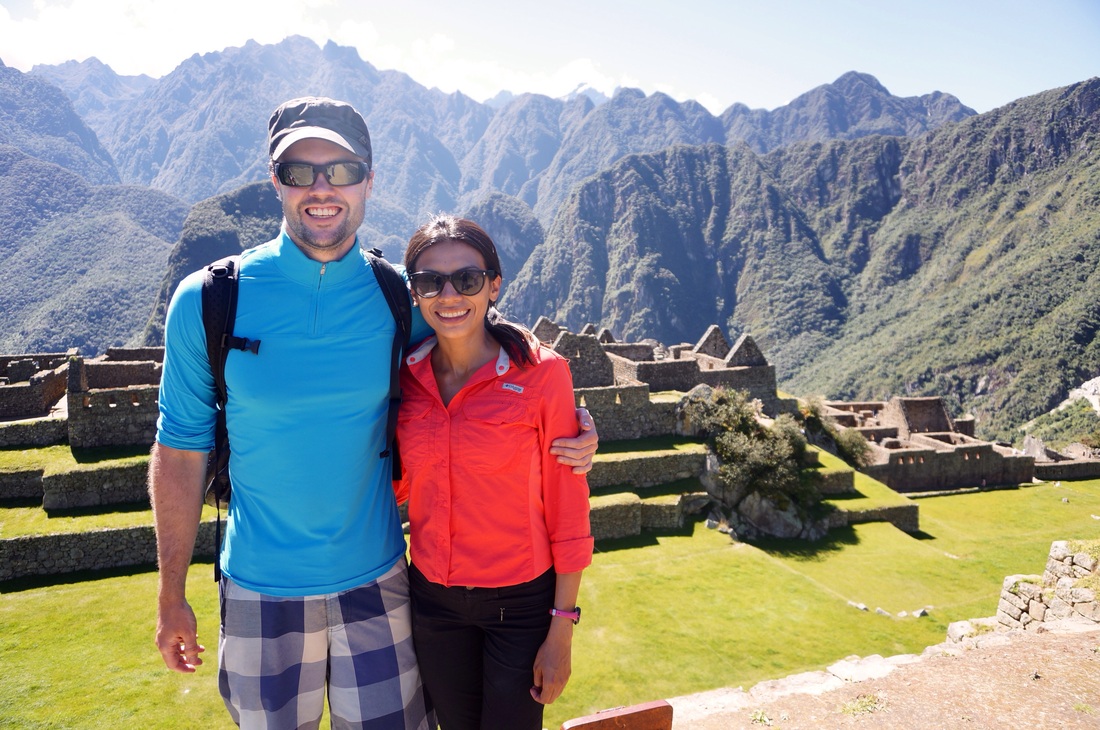
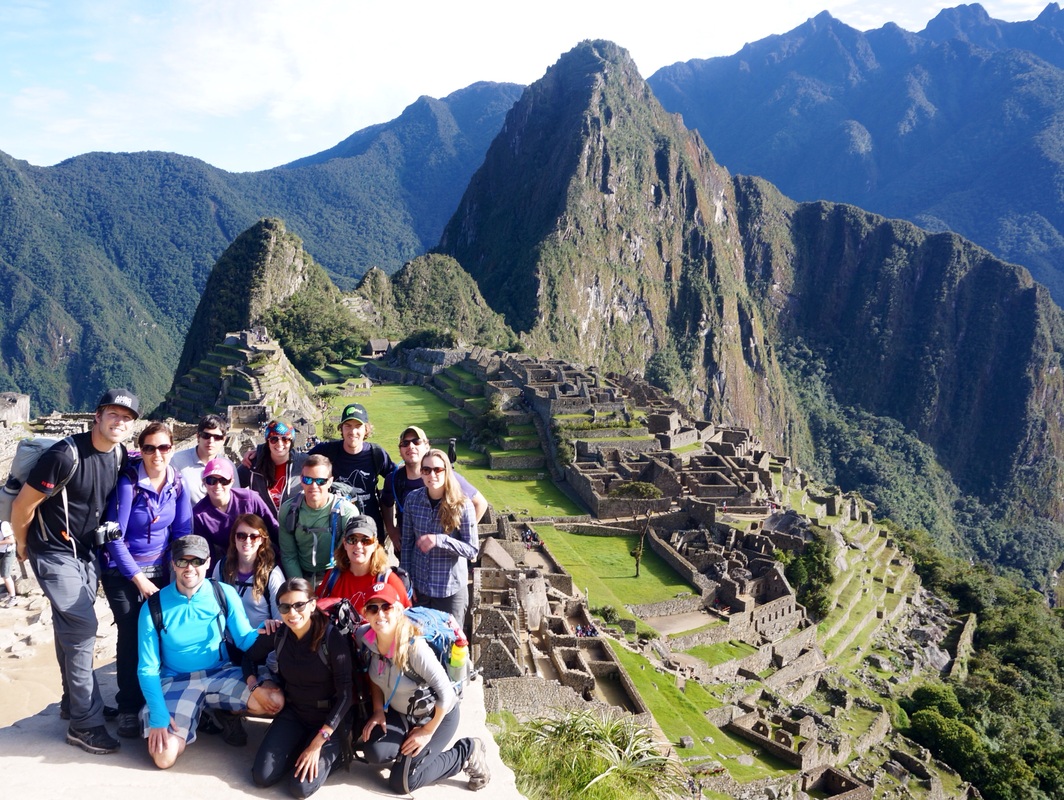
Day four started at 3am as we quickly packed our bags and rushed down to the nearby checkpoint to ensure we were one of the first groups let through at sun rise. After a steep climb we arrived at the sun gate and got our first view of the Machu Picchu. The weather was again kind to us, and one of our enduring memories of the trek will be watching the sun rise over the Machu Picchu. Having descended to join thousands of other, more nicely dressed, tourists, our guides gave us a tour of the lost city. Next, a few of us climbed Wayna Picchu (the mountain you see behind the Machu Picchu in all the postcard photos) to see the condor shaped city from a different angle. We met up with the rest of our group for lunch in the nearby town of Aguas Calientes before boarding the train and bus back to Cuzco. After a nice hot shower we met up with our new friends in Cuzco for dinner before saying goodbye.
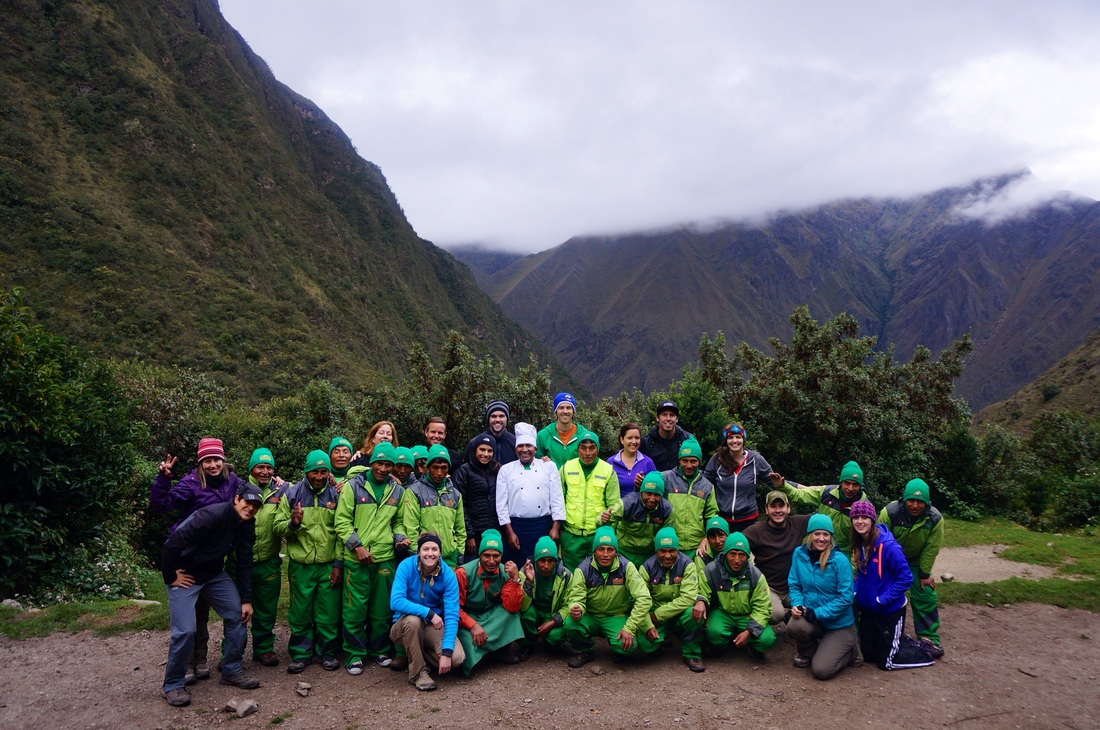
We usually try not to fill our blog posts with detailed reviews of tour companies (we figure that's what tripadvisor is for) but we'll make one brief, worthy, exception for Alpaca expeditions. In short, they ensured we always had the best of everything. Our guides were informative at the sites, direct when they needed to be (to make sure we stayed ahead of the crowds) and hilarious and friendly all the rest of the time. The chef consistently produced multi-course meals that you'd be happy to get from a fully equipped permanent kitchen. We were also the only trekkers to get some much welcomed creature comforts, including coca tea at the top of dead woman's pass and a warm shower on day three. Best of all, the company, which is owned by a former porter, looked after it's porters better than any other (including kitting them out with North Face equipment). When asked to provide suggestions for improvement on our feedback form it really was impossible to think of anything.

Anyone thinking about doing the inca trail should definitely give Alpaca serious consideration. You should also try to do it as soon as possible. Unfortunately we saw many signs that tourism is starting to swallow up the whole Cuzco region (even though we deliberately came during the quieter period between the wet and dry seasons). For example, each day 5,000 tourists pay 20 US dollars to visit the Cathedral which, in smaller crowds, we're sure would be a much more impressive and tranquil place. Climbing Wayna Picchu already attracts a large fee and, we think, an unsafe mass of people who are prepared to pay it (but in many cases not physically prepared for the steep climb and descent).

We're told there was a small window of opportunity a little over a decade ago, after the Peruvian government had got terrorism under control but before the crowds really started rushing in, when Cuzco and the inca trail were probably at their best. That's when Sam's grandparents, lifelong travelers and professional travel writers who put us to shame, came to the region.  But that's in the past - our best advice now is come as soon as you can get a hold of an inca trail permit. In the next couple of years a new international airport will open and tickets to the Machu Picchu will have a time limit on them.
Some places are supposed to be busy, like nightclubs and theme parks. However, Incan religion, architecture and culture was always focussed on nature, and the reality is that every train-catching, coke-sipping and selfie-snapping day tourist dilutes every other tourist's ability to fully appreciate the Machu Picchu, sun gate, sacred valley and other ruins. The real advantage of doing the inca trail is that it's the only archeological experience in the region with a head count limit. For this reason (together with choosing a tour company that kept us ahead of the pack) in many ways the ruins we enjoyed and appreciated most were those that we saw between kilometer 82 and the sun gate.
Picture
6 Comments

Paracas, Nazca, Huacachina & Lima

5/7/2014

1 Comment

 
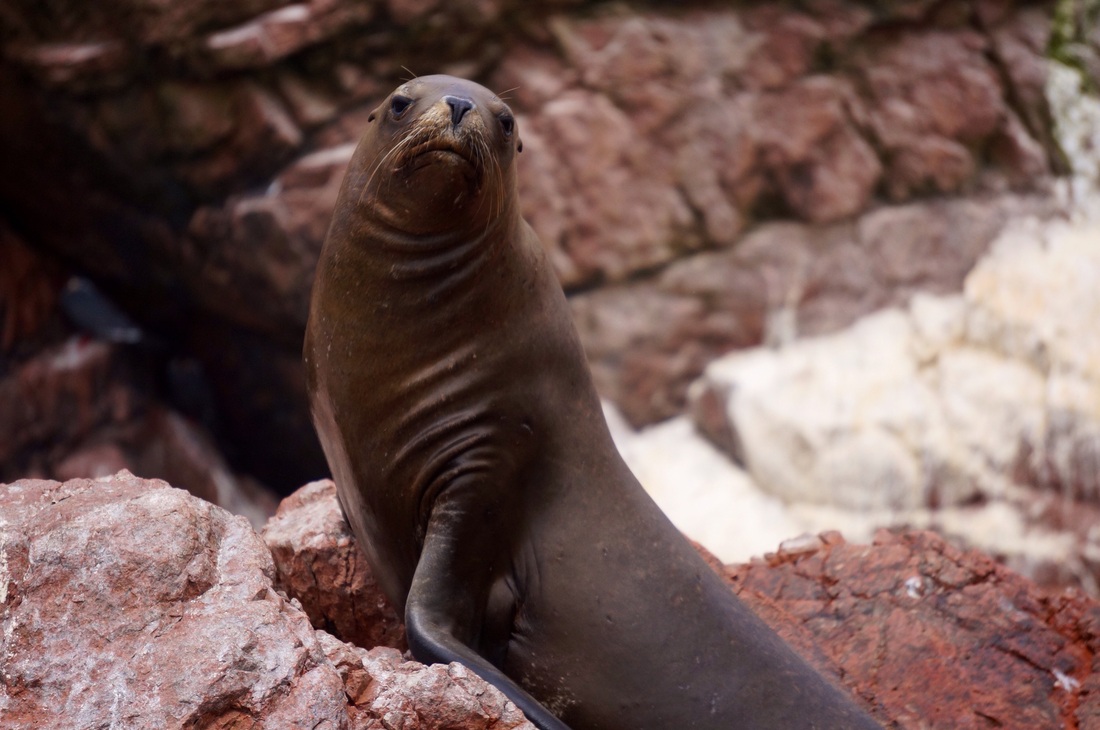
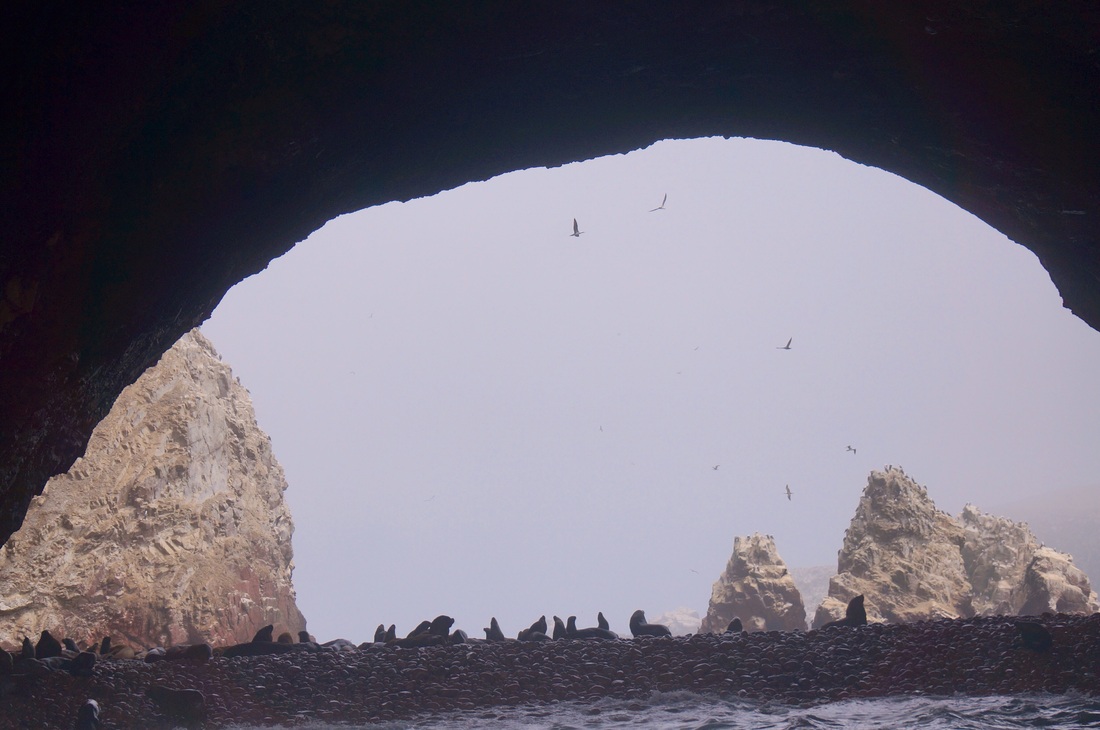
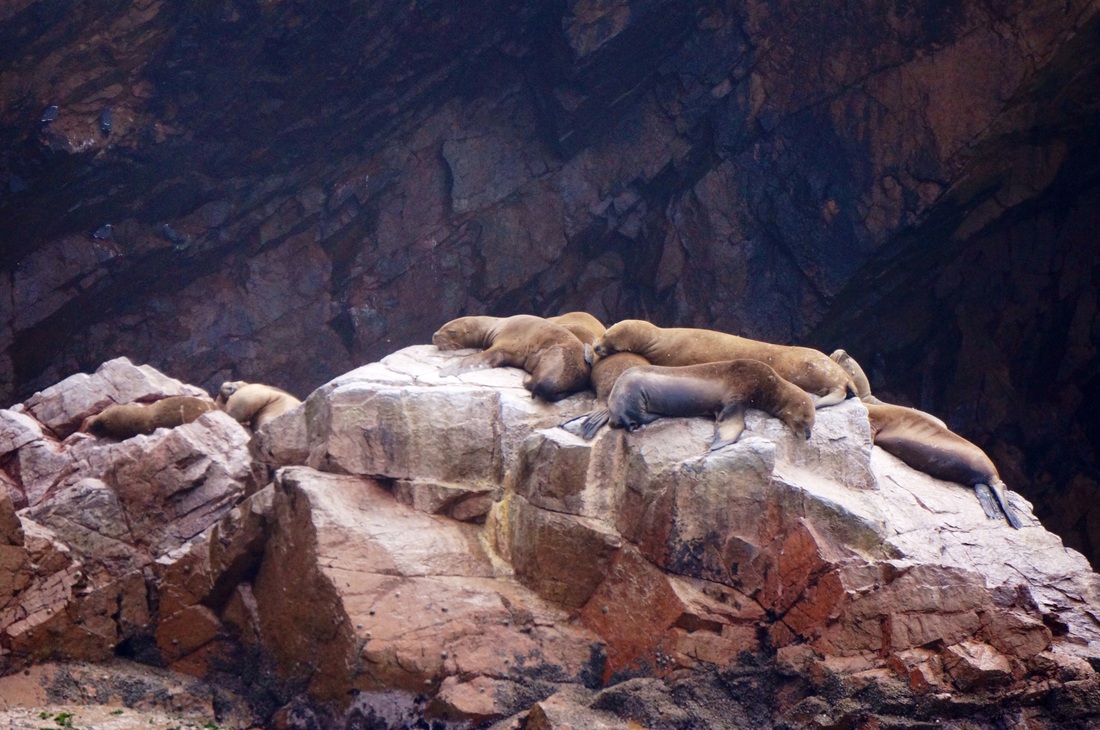
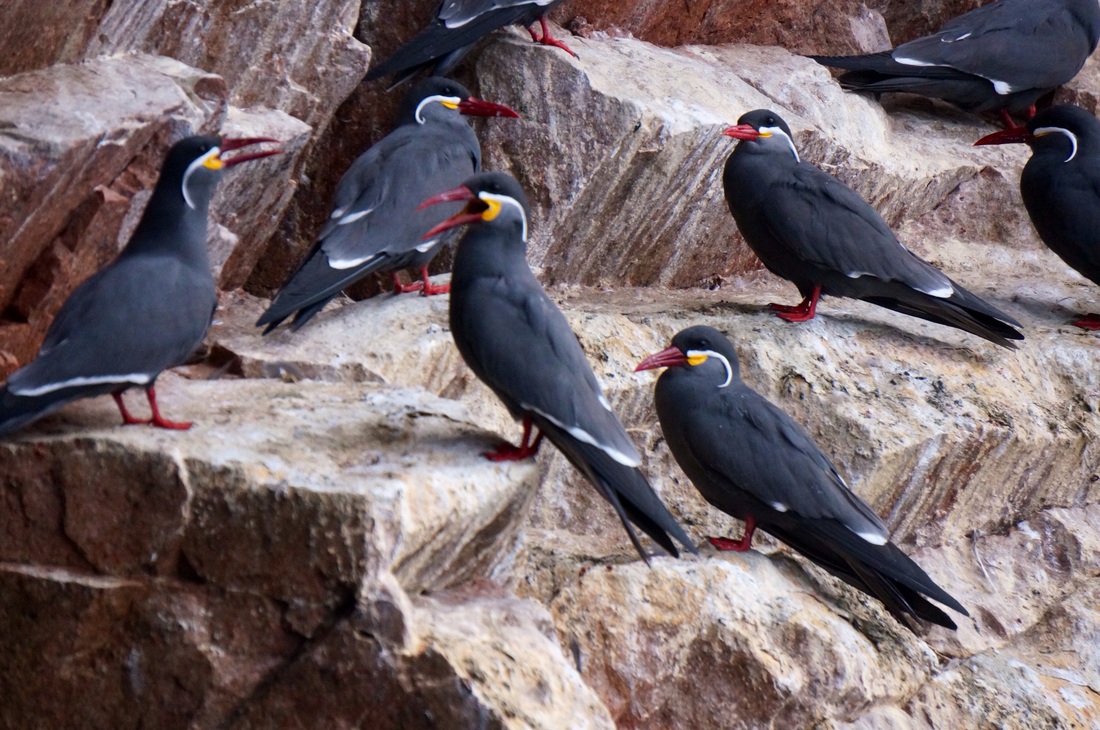
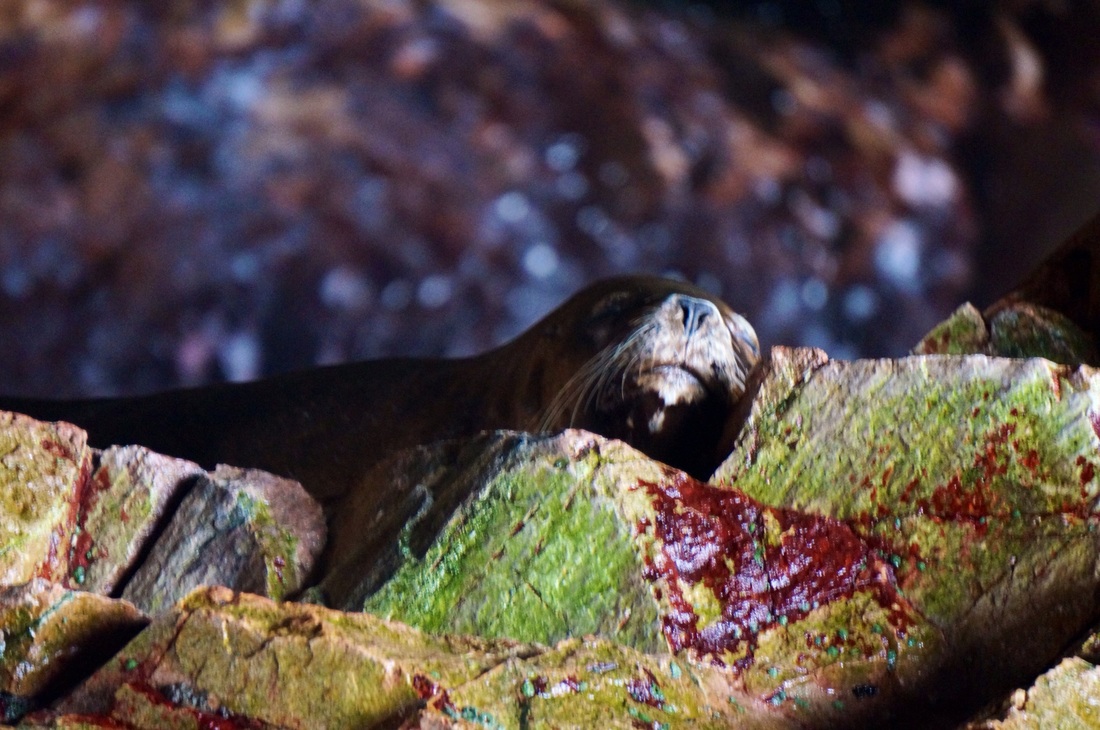
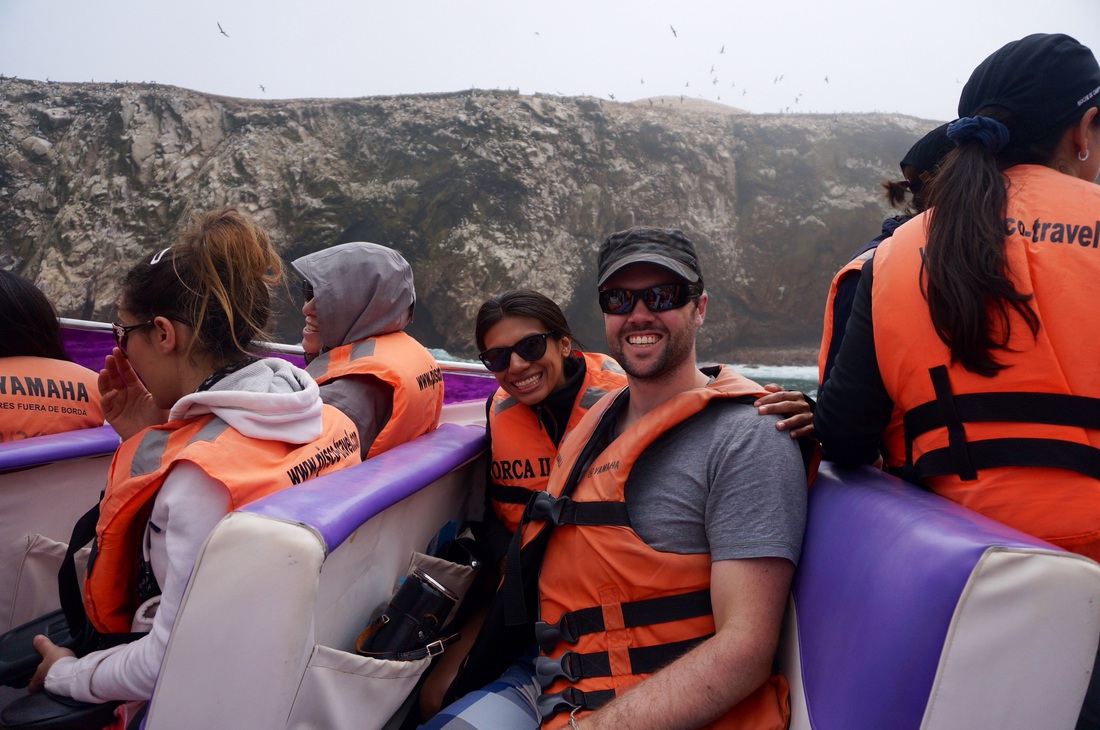
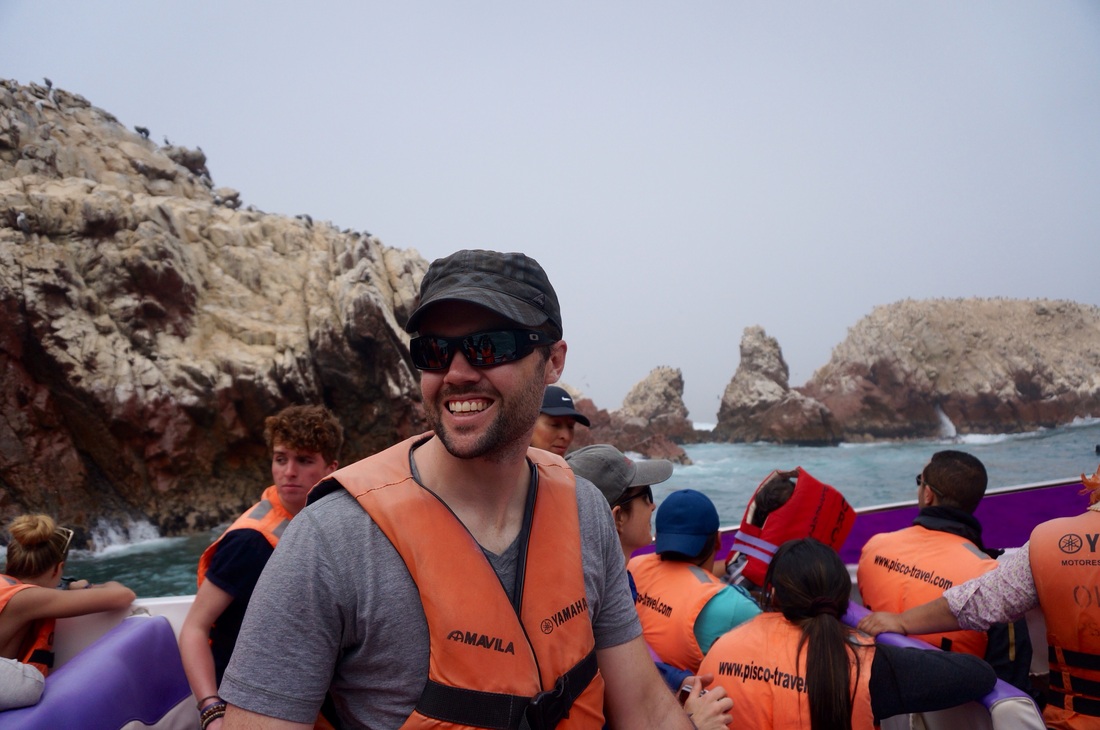
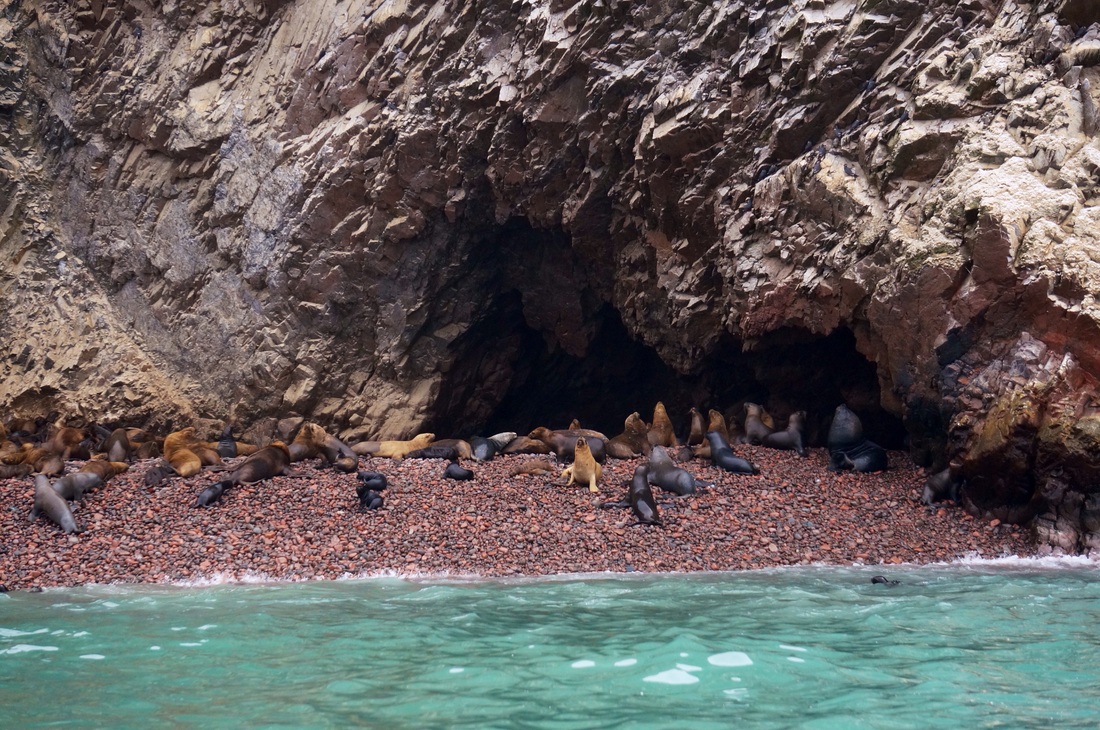
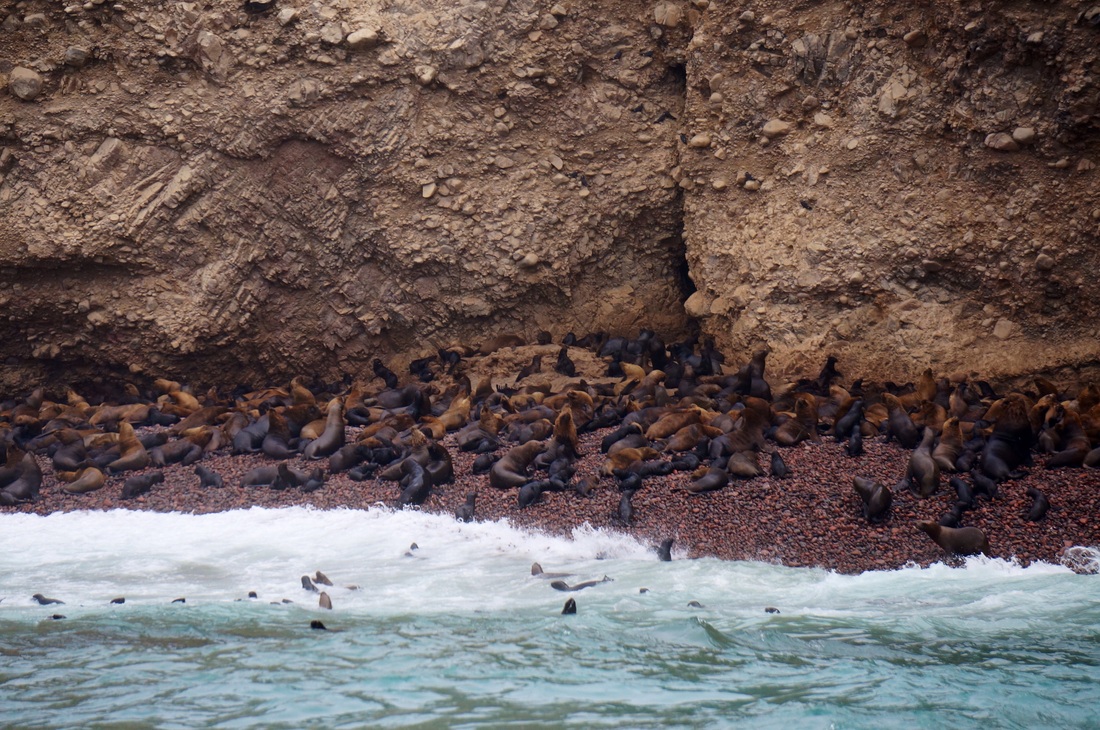
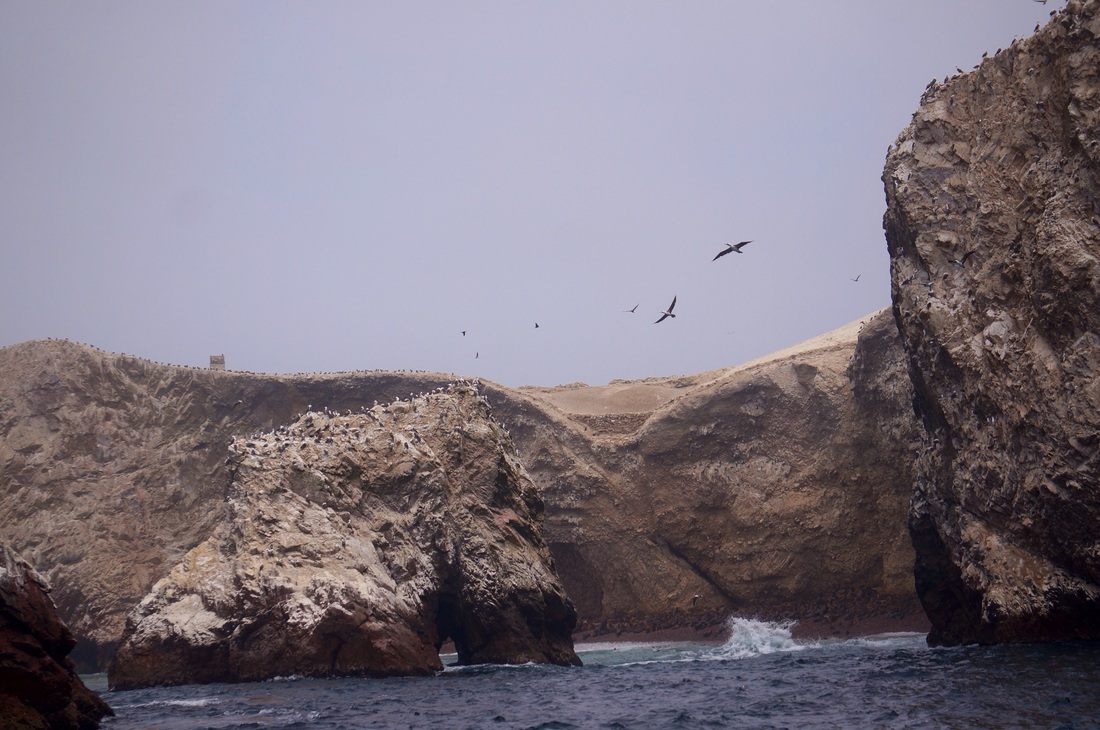
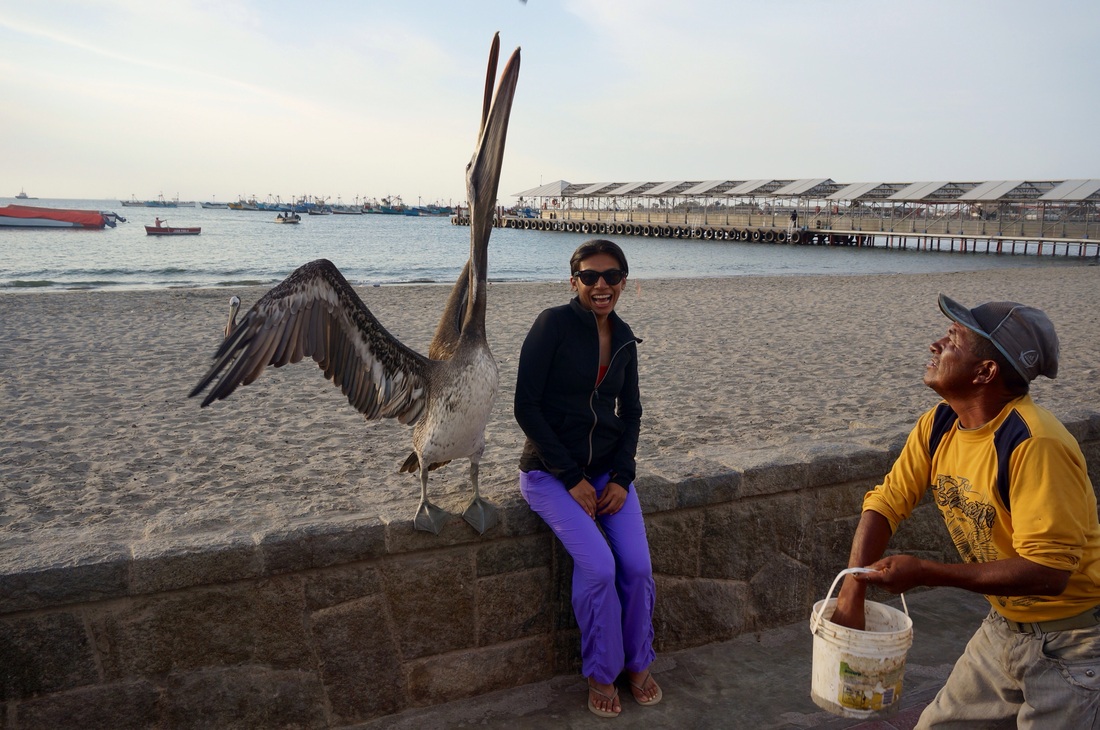
After a four hour bus drive down the coast from Lima, we arrived at Paracas, a small beach town known mostly as the launching point for boat tours to Islas Ballestas. The island, which Peruvians (but not Ecuadorians) call the Galapagos of Peru, features lots of sea lions, penguins, Peruvian boobies and other birds. There is also plenty of bird droppings known as 'guaneros' all over the islands. Before artificial fertilizer they used to export the stuff all around the world, but nowadays it stays where it is to ensure that tourists like us get a multi-sensory experience.
Picture
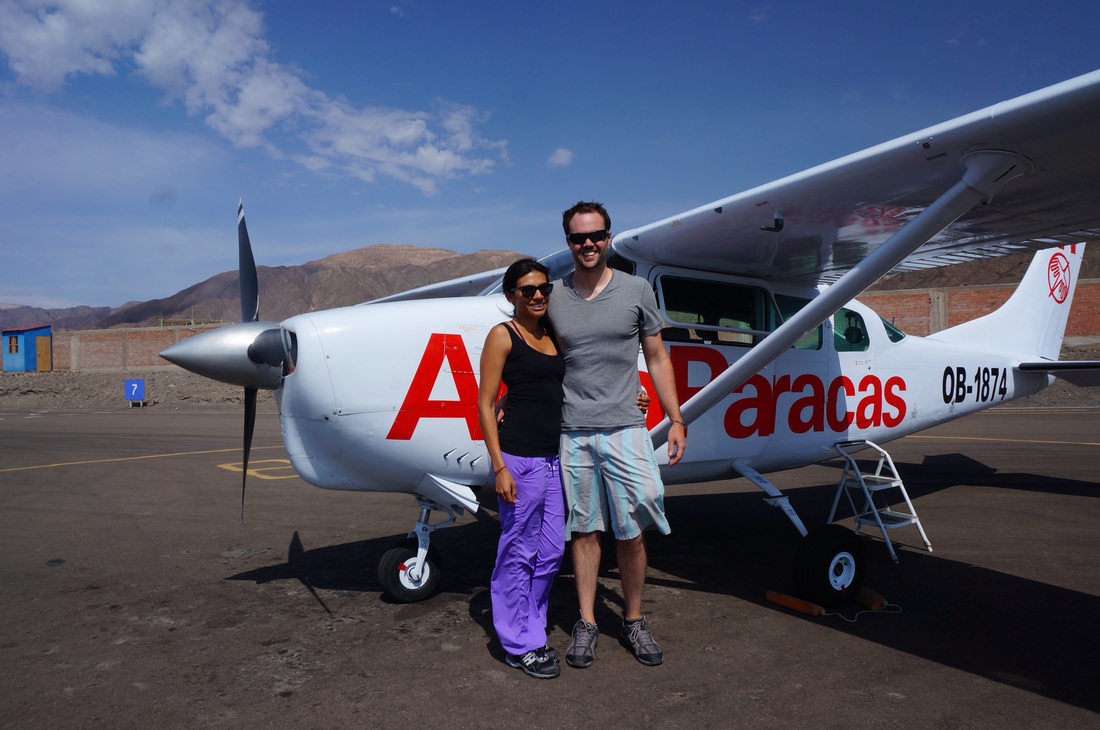
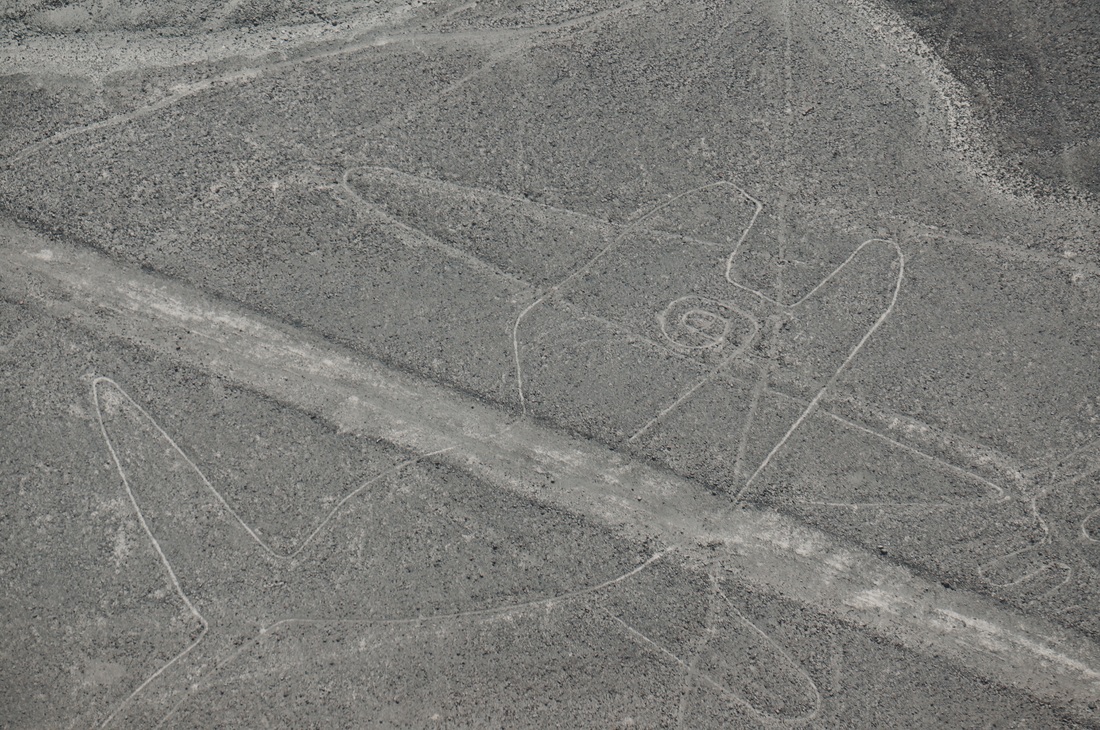
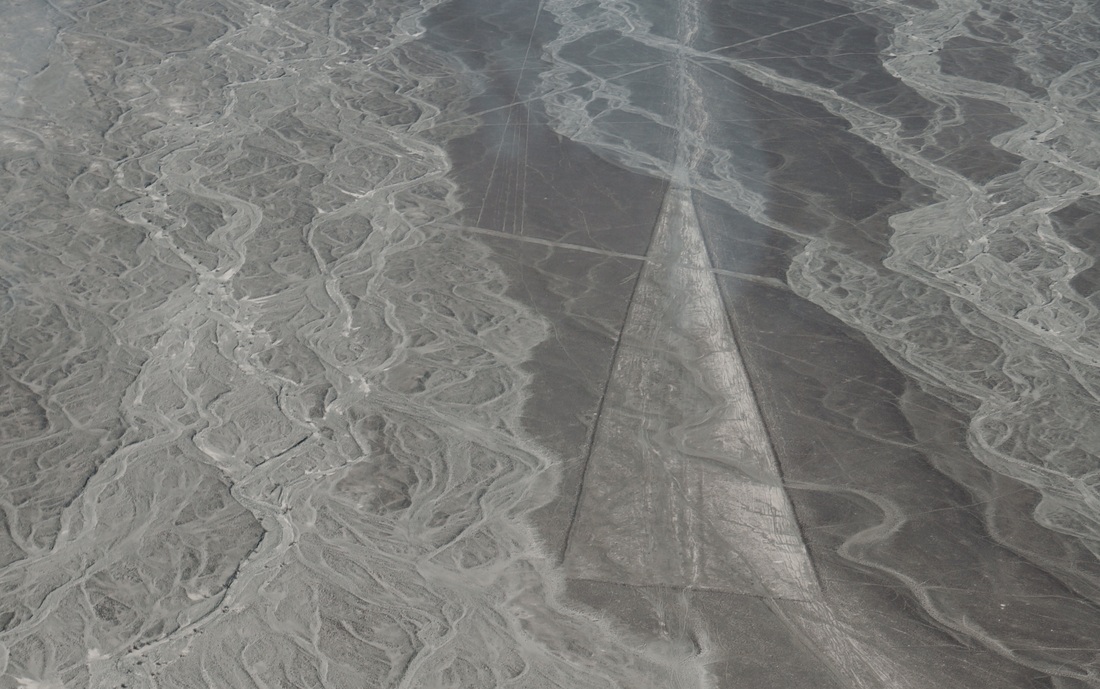
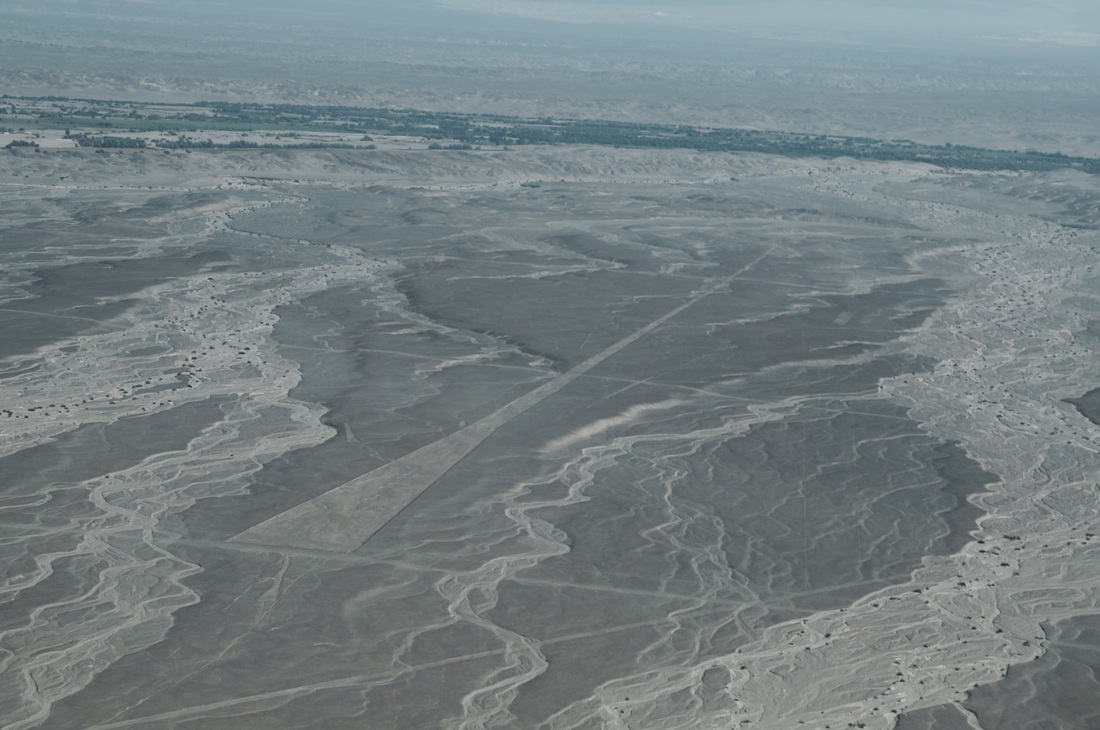
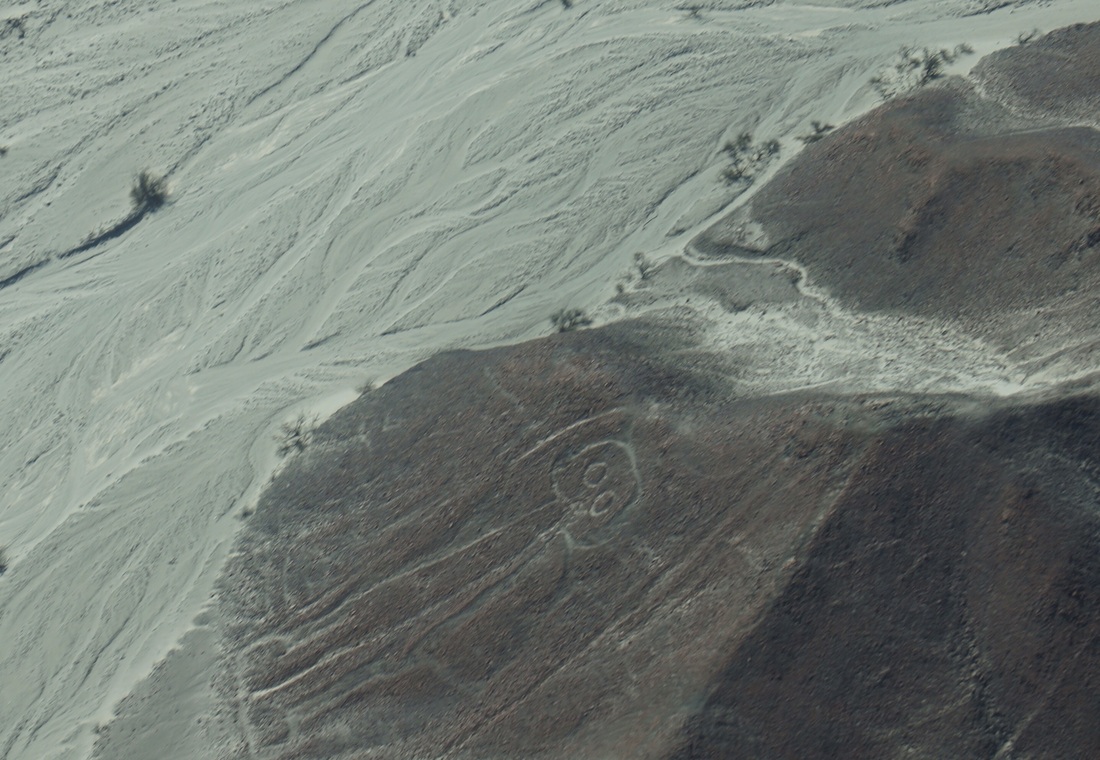
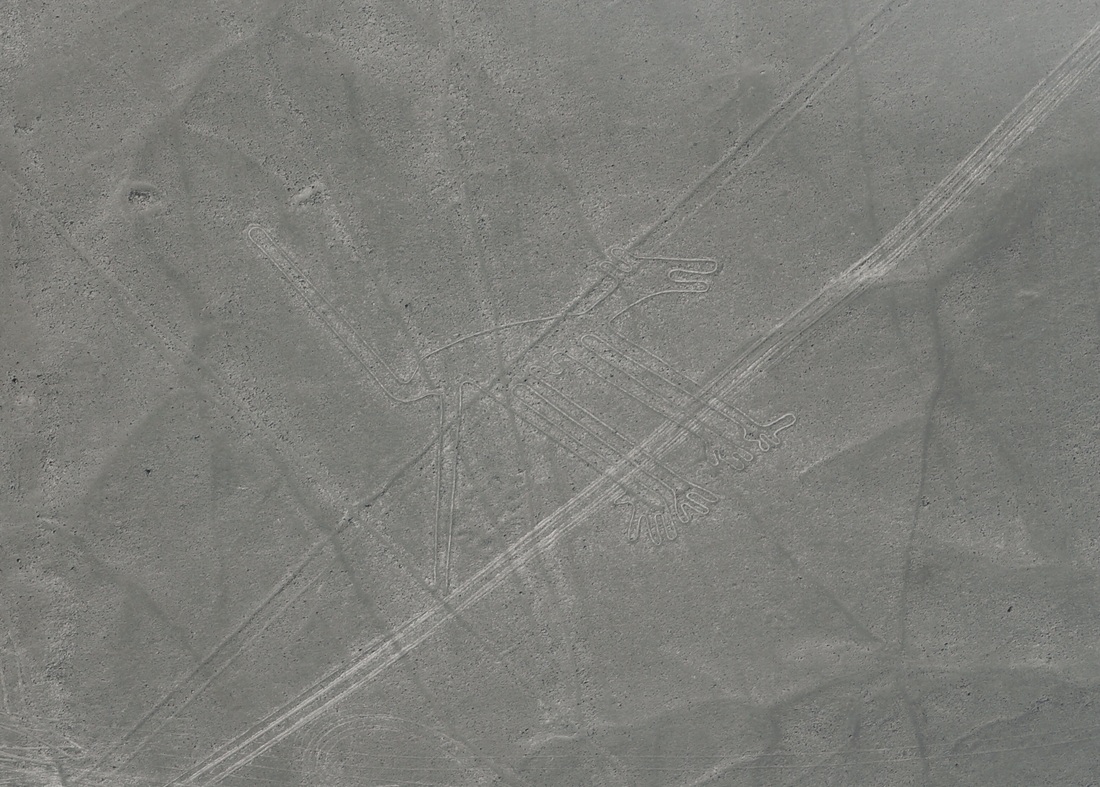
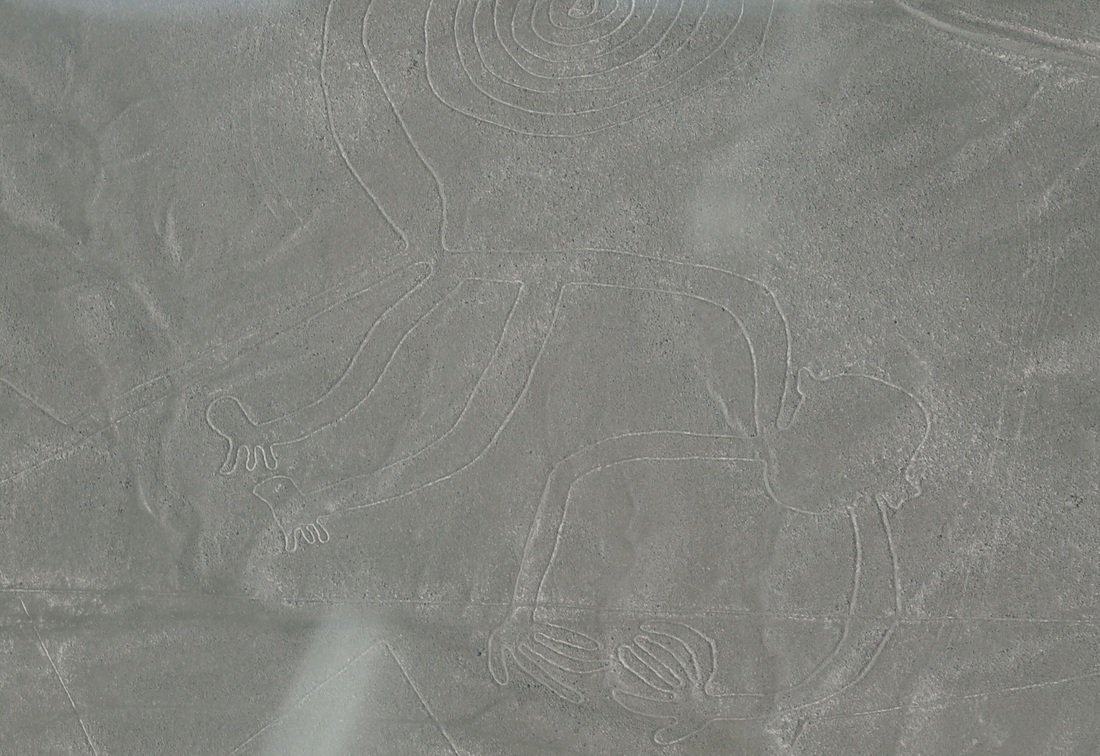
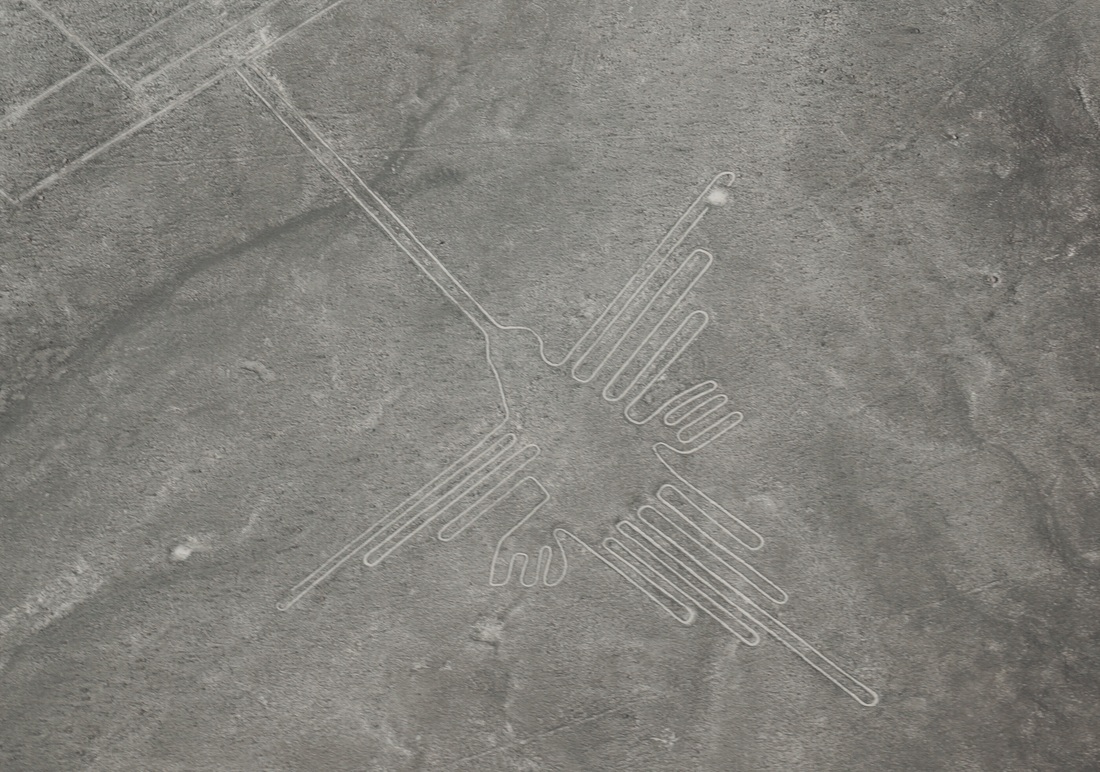
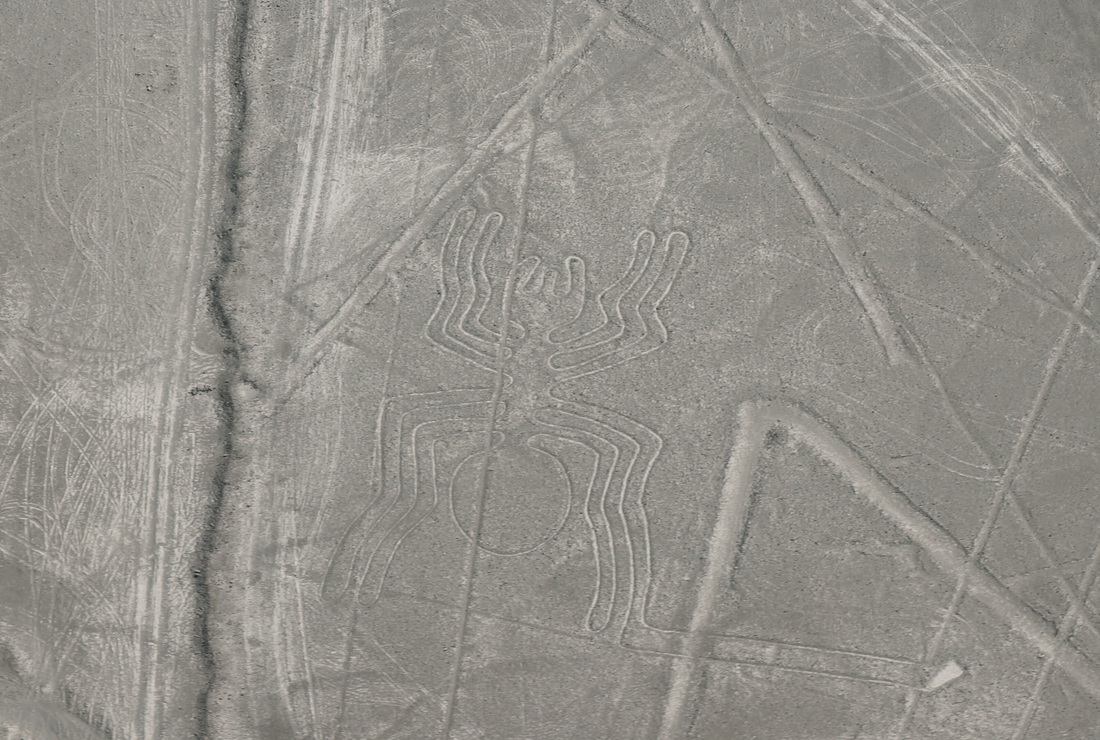
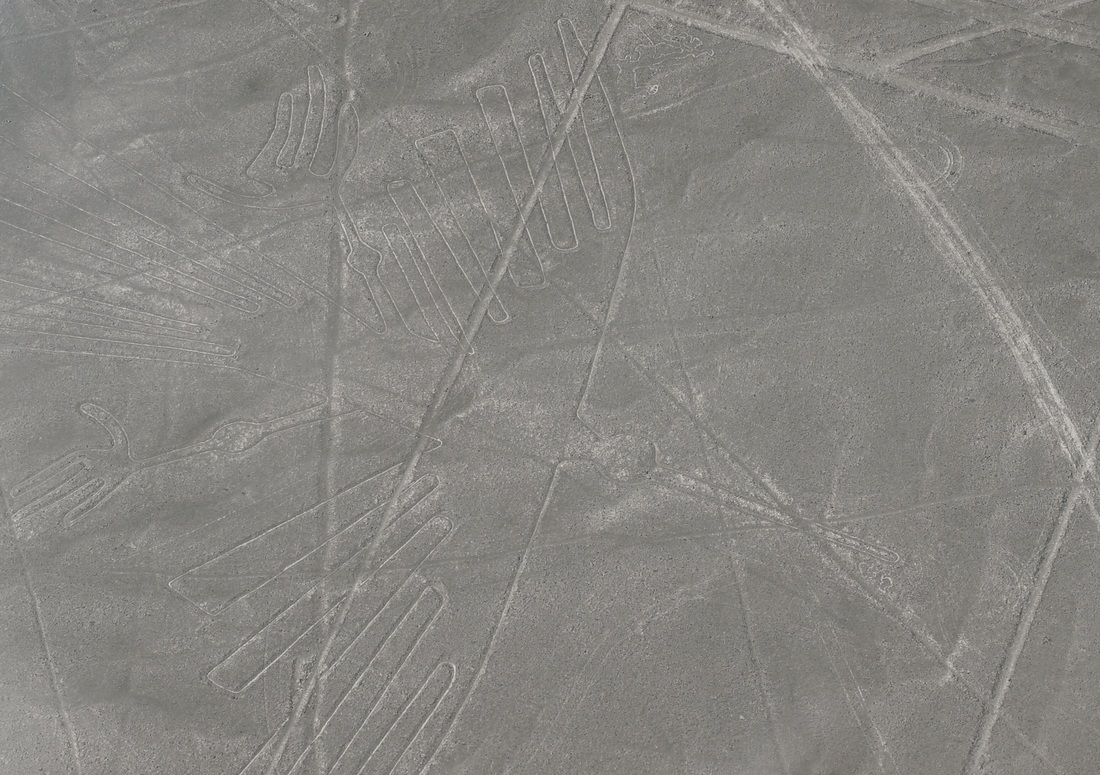
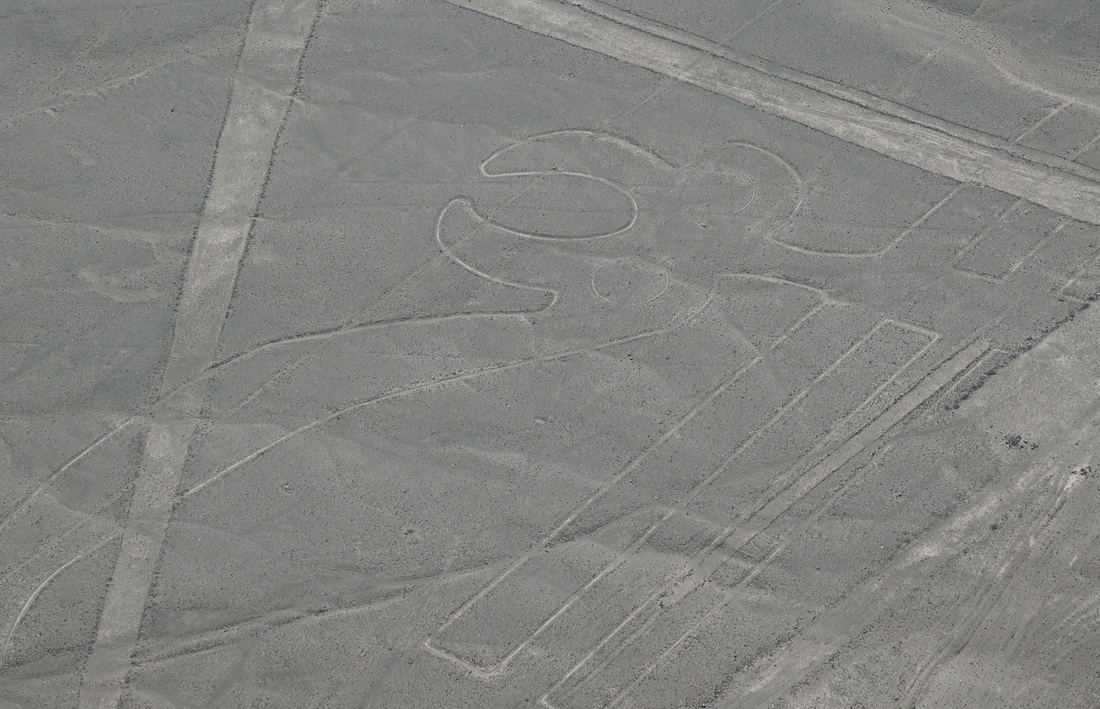
From Paracas we took an early bus to the town of Nazca, home of the famous Nazca lines and an otherwise unremarkable town. There's still some speculation about the origin of the Nazca lines (some people still believe there is some sort of extraterrestrial connection), but the most credible sources suggest they were constructed by the Nazca people around 1500 years ago. We took a 40 minute flight in a small plane over the most interesting lines, which enabled us to best appreciate of the massive scale of the ancient drawings (some of which exceed 250 meters in length). The flight definitely requires a strong stomach, as this was the first time on our trip (which has featured bus crossing over the Andes and choppy Galapagos boat trips) that motion sickness got the better of us, despite our magic pills. Even so, we're glad we did it, and that we paid a little more to fly with a safer and more established company (only a few years ago 18 people died in the space of two years when 3 different Nazca flights crashed).
Picture
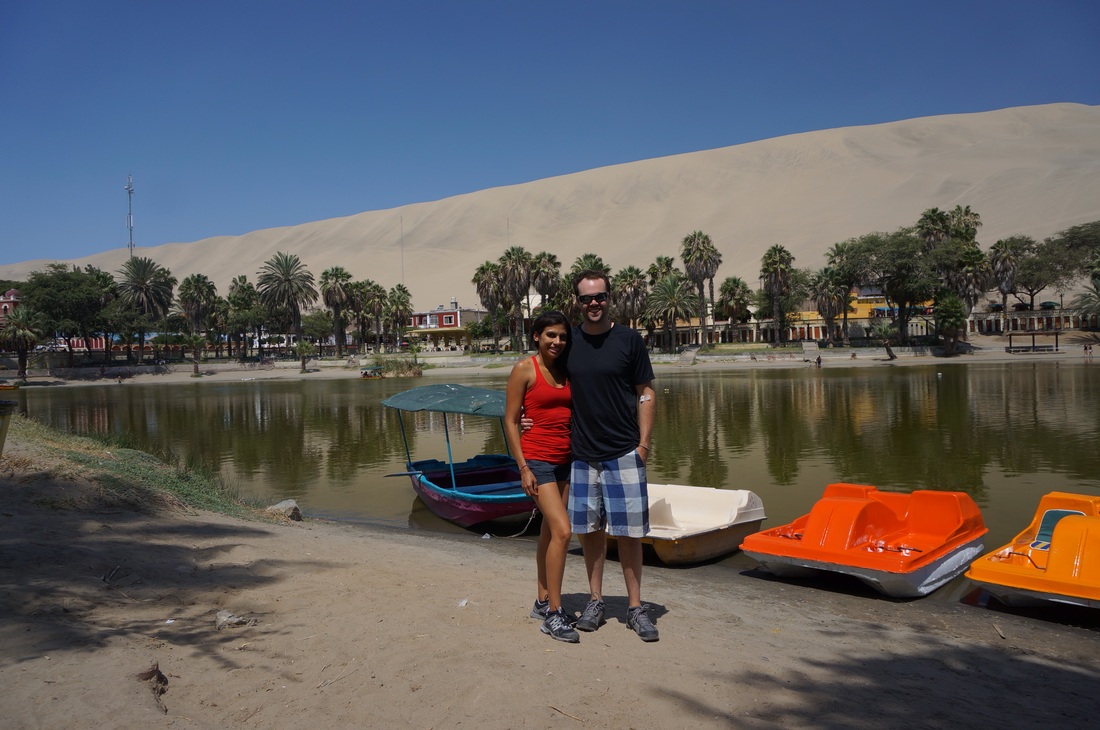
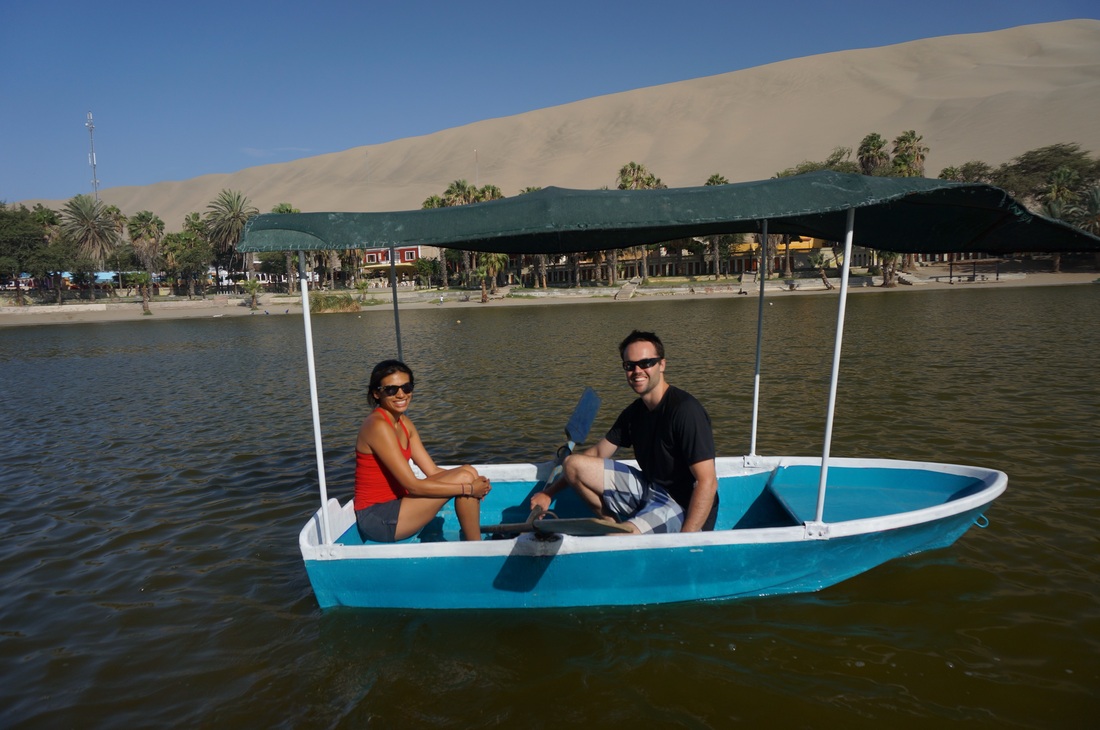
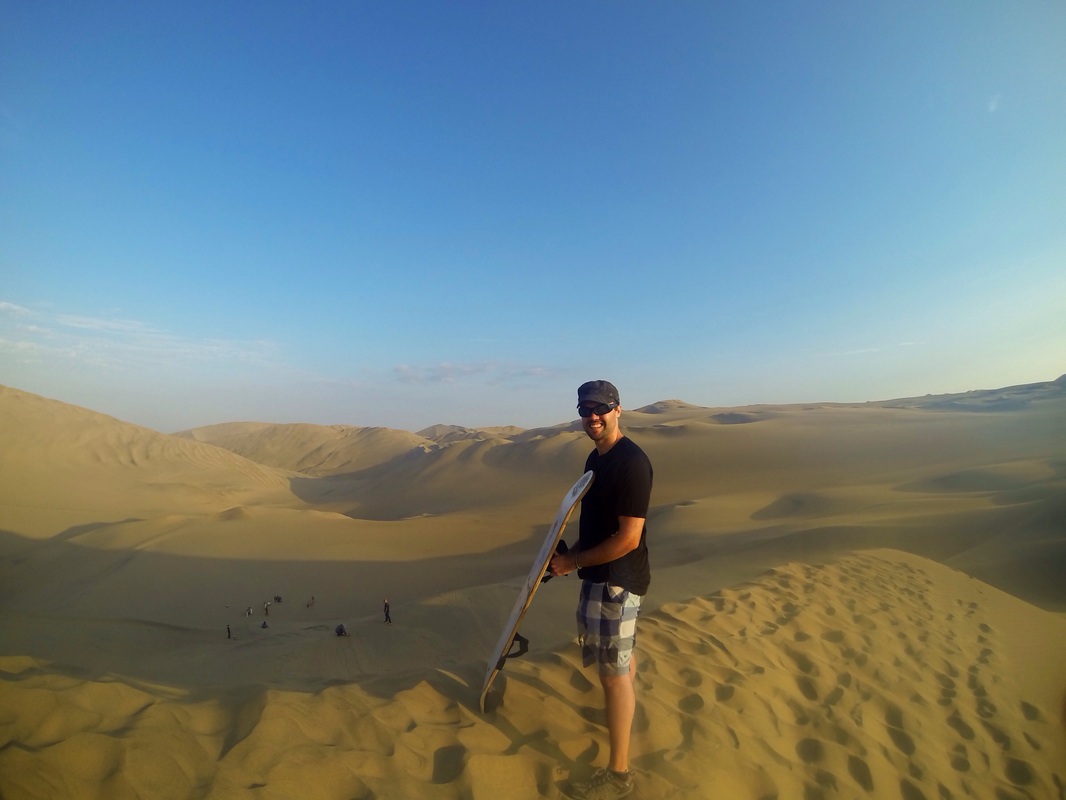
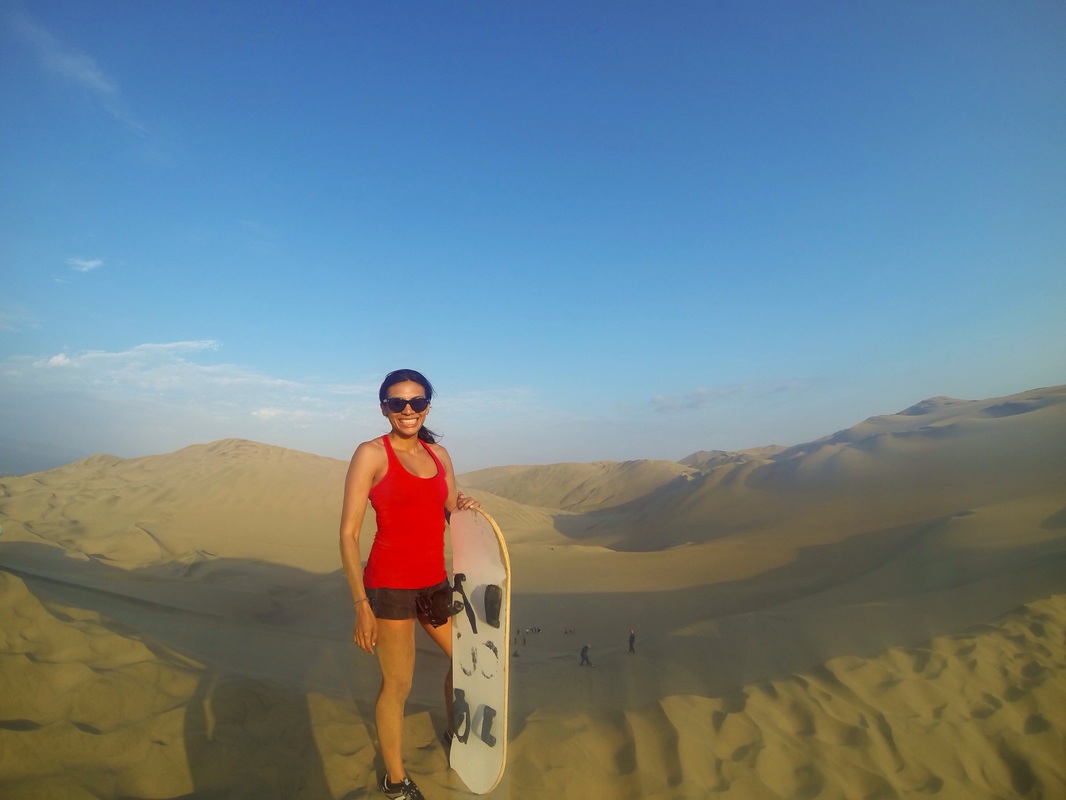
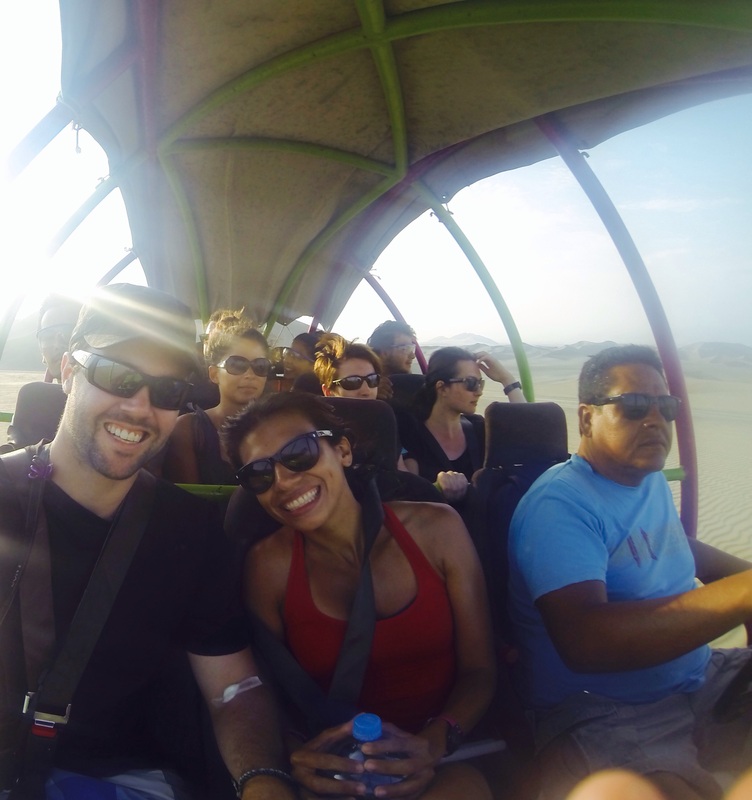
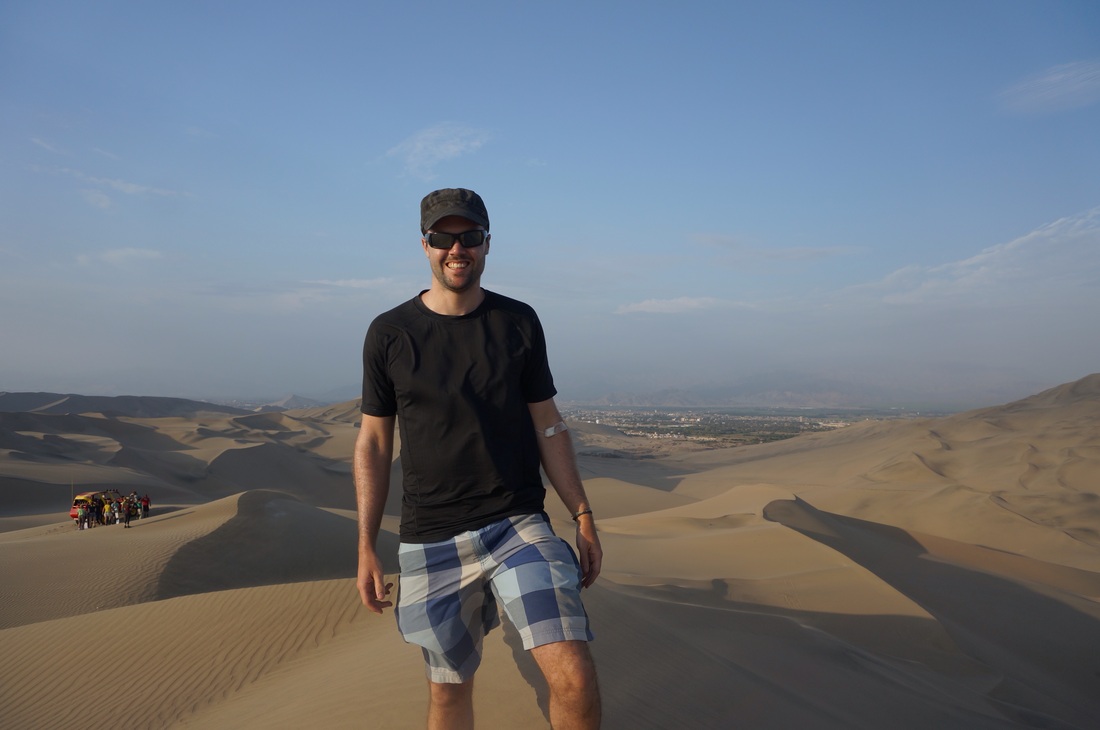
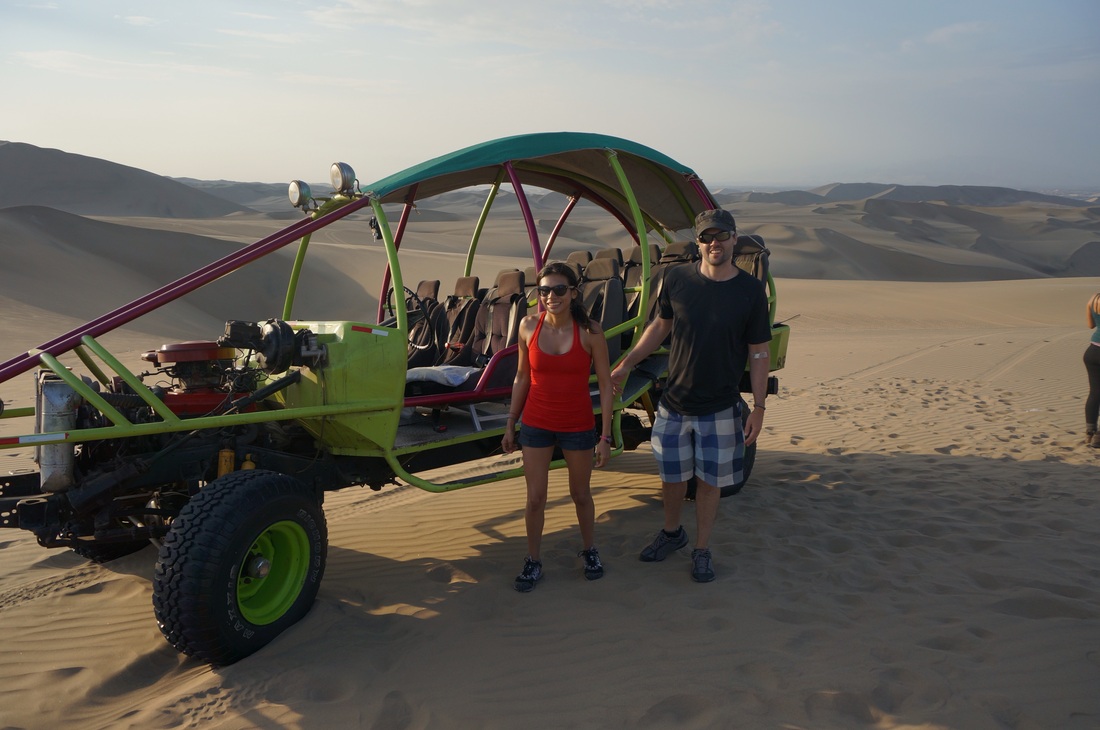
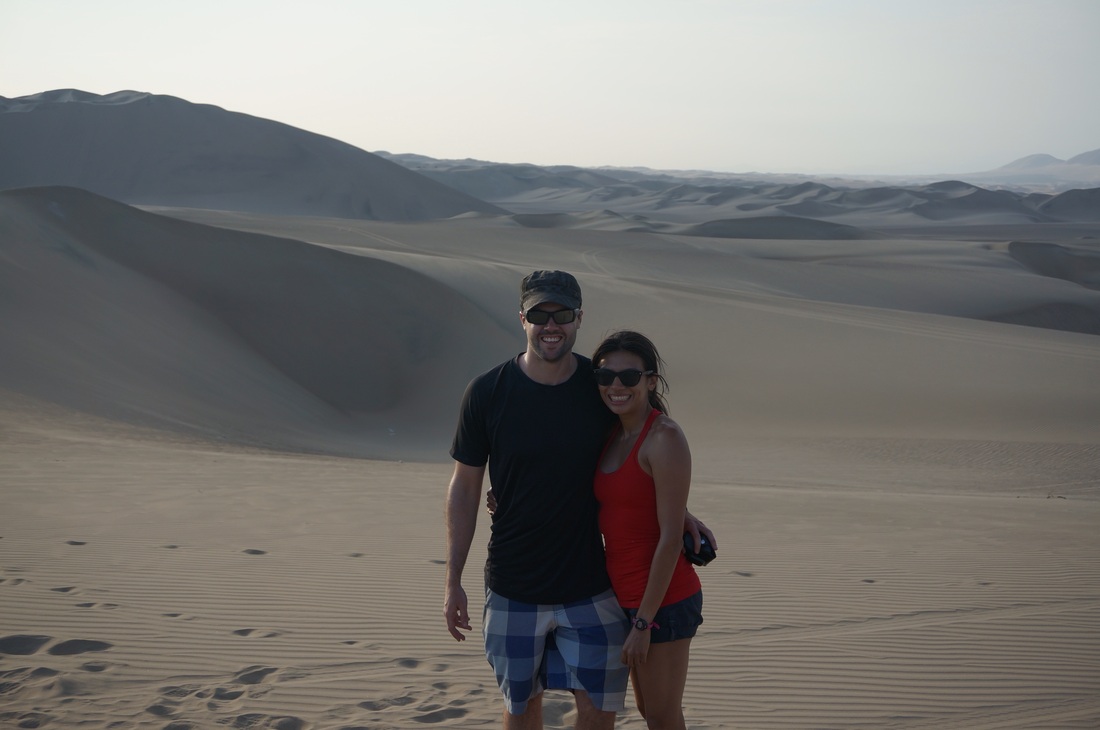
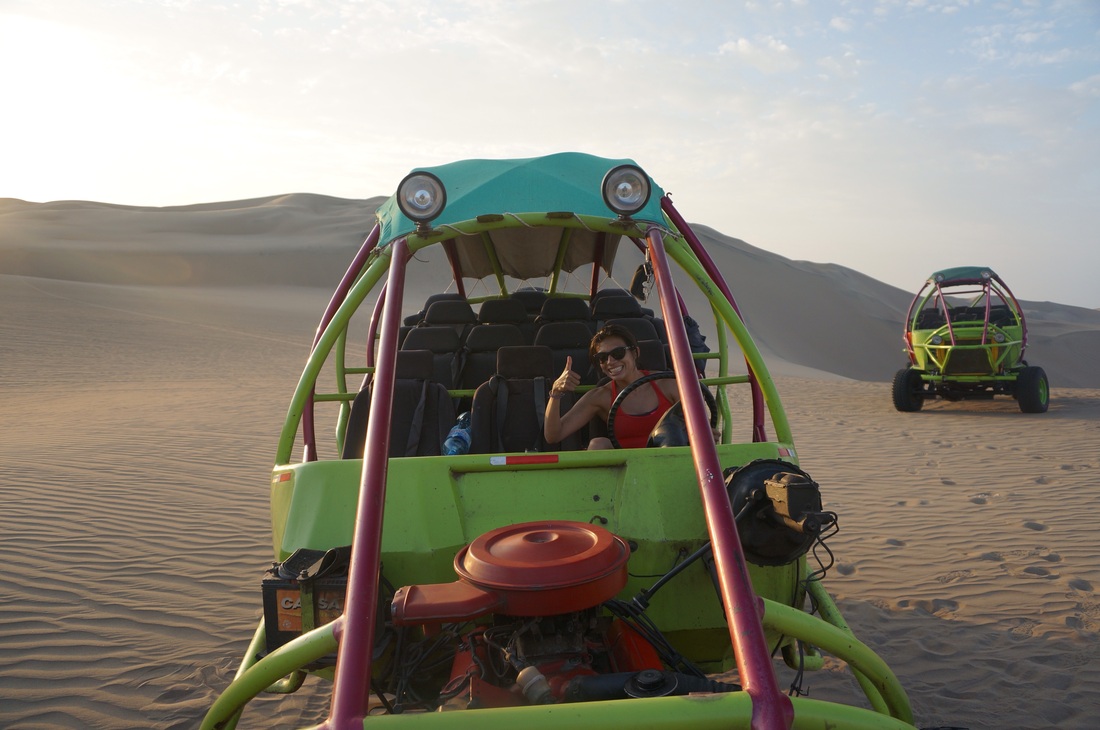
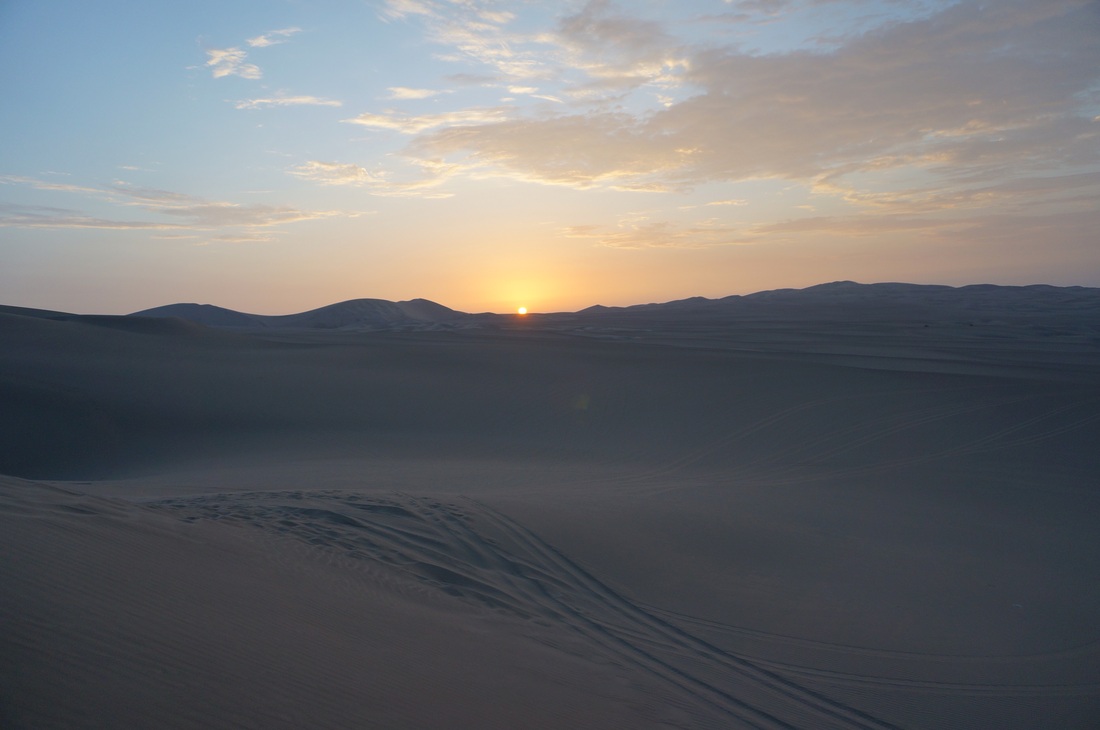
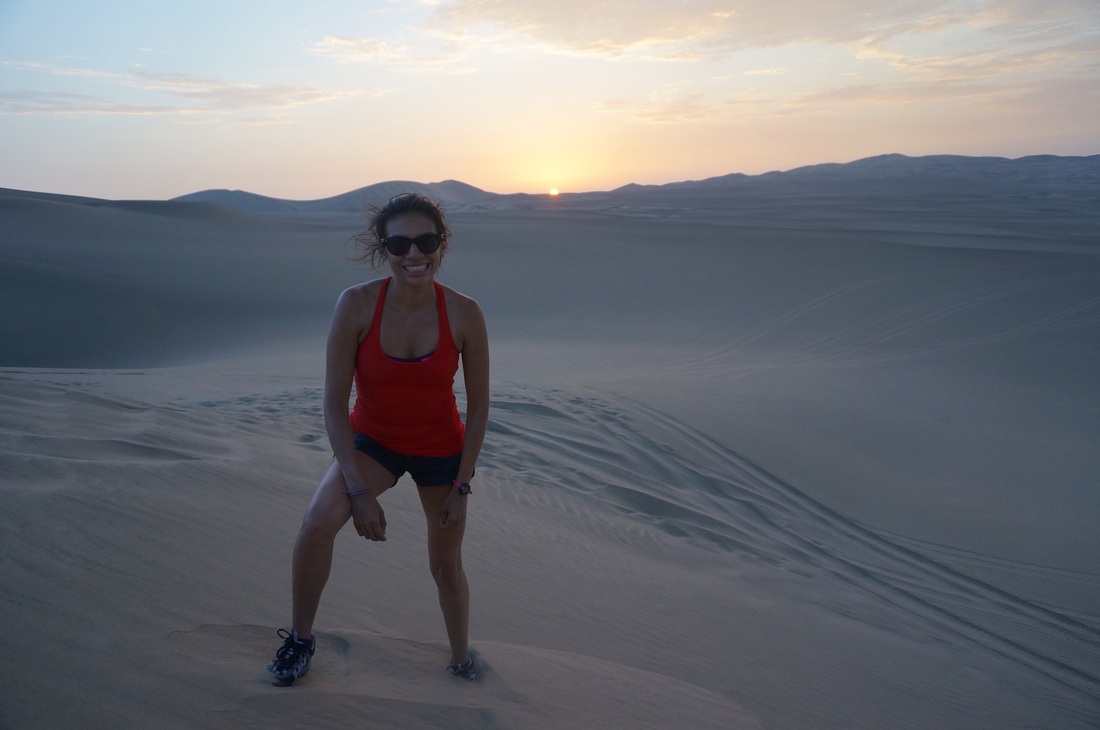
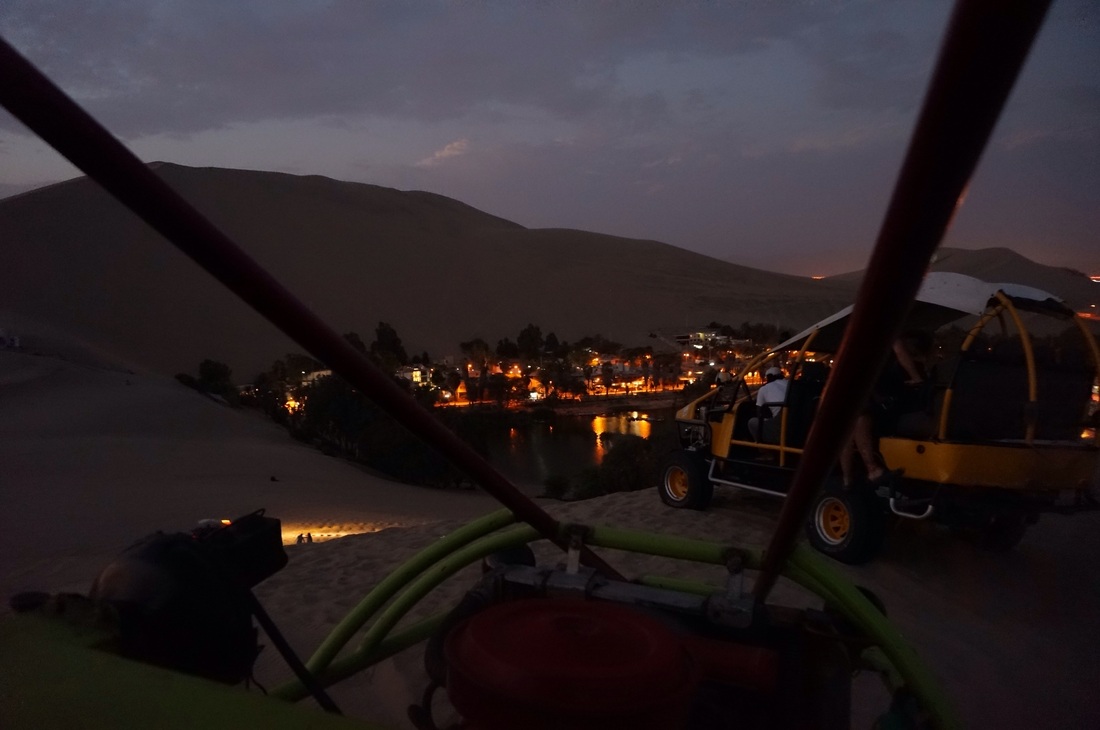
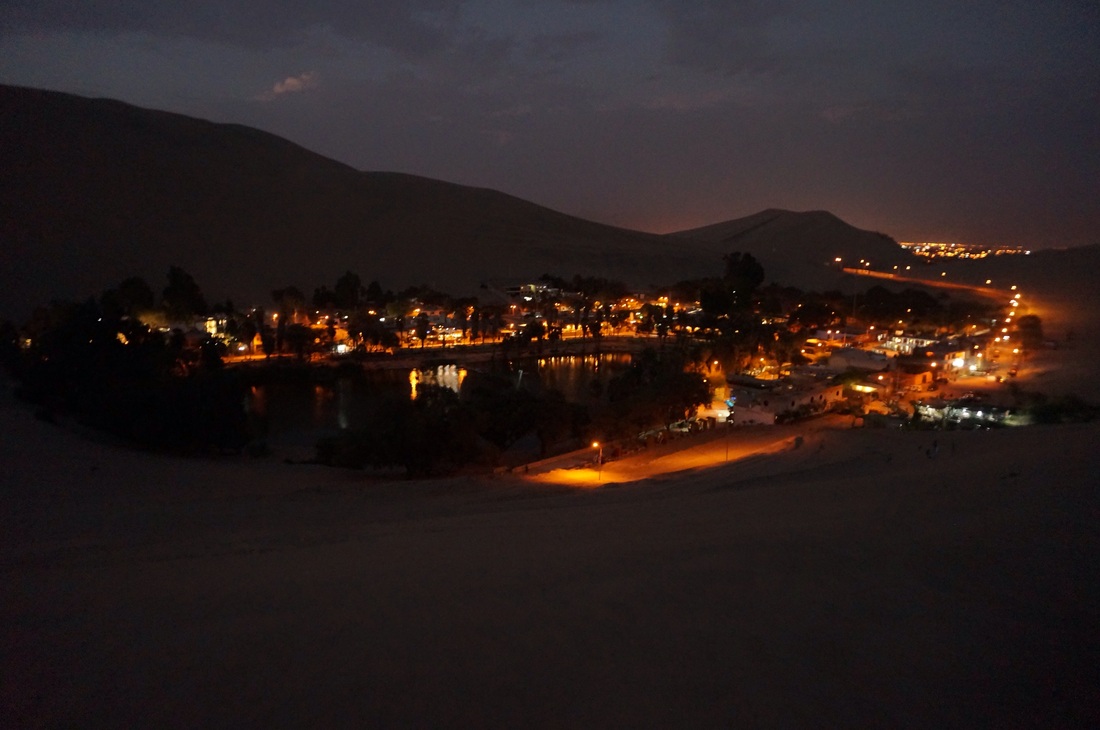
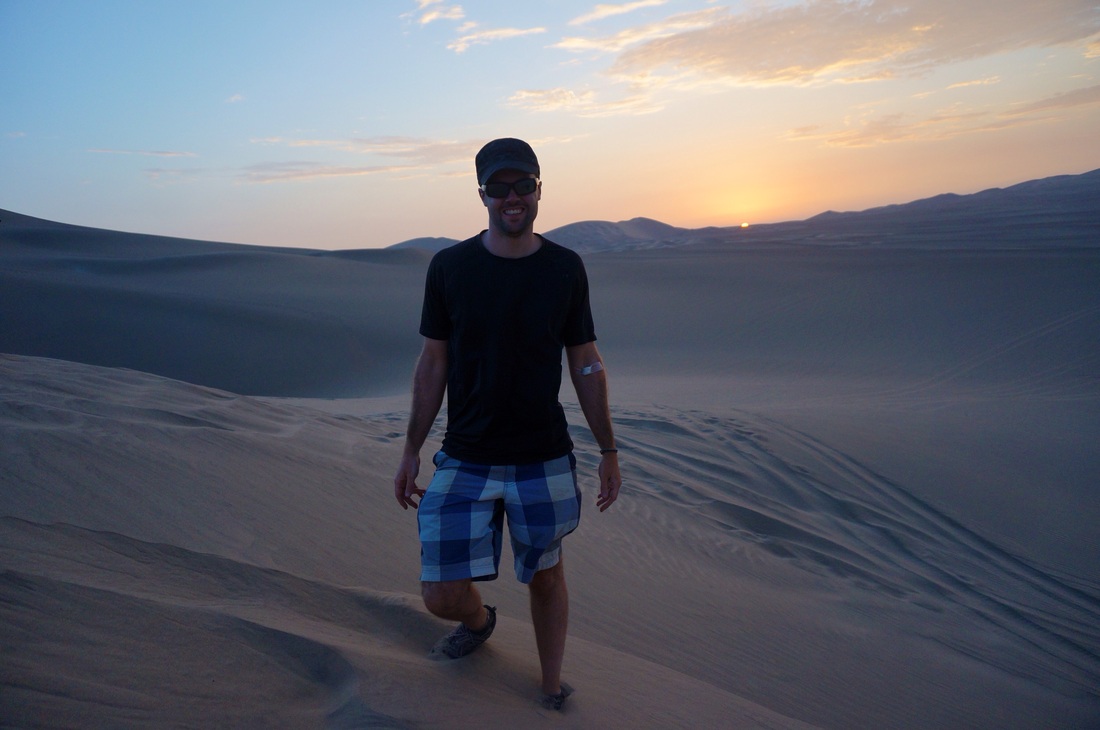
Next stop was Huacachina, a tiny town built around a desert oasis. Although the much larger town of Ica is only five minutes over the hill, the large sand dunes surrounding Huacachina's lake make you feel like you're in the middle of nowhere. While in Huacachina we spent plenty of time relaxing in hammocks and paddle boats. We also took on some faster paced activities, including sandboarding and a fast paced 4x4 ride through the desert. Both were a lot of fun!
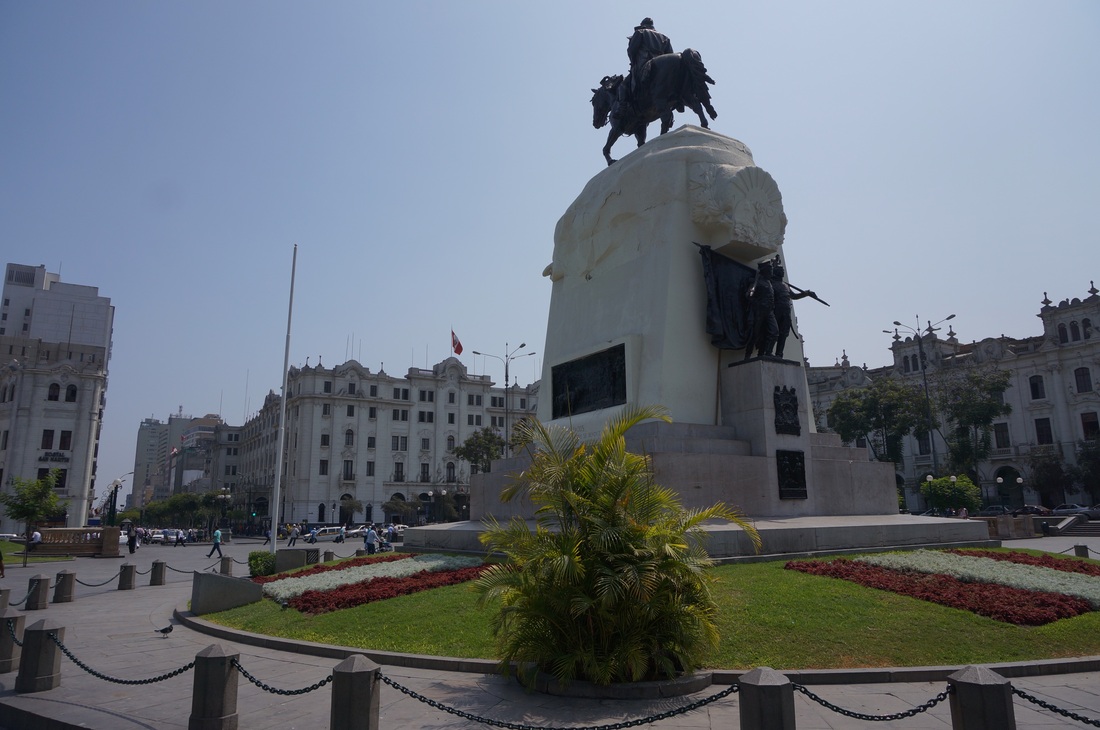
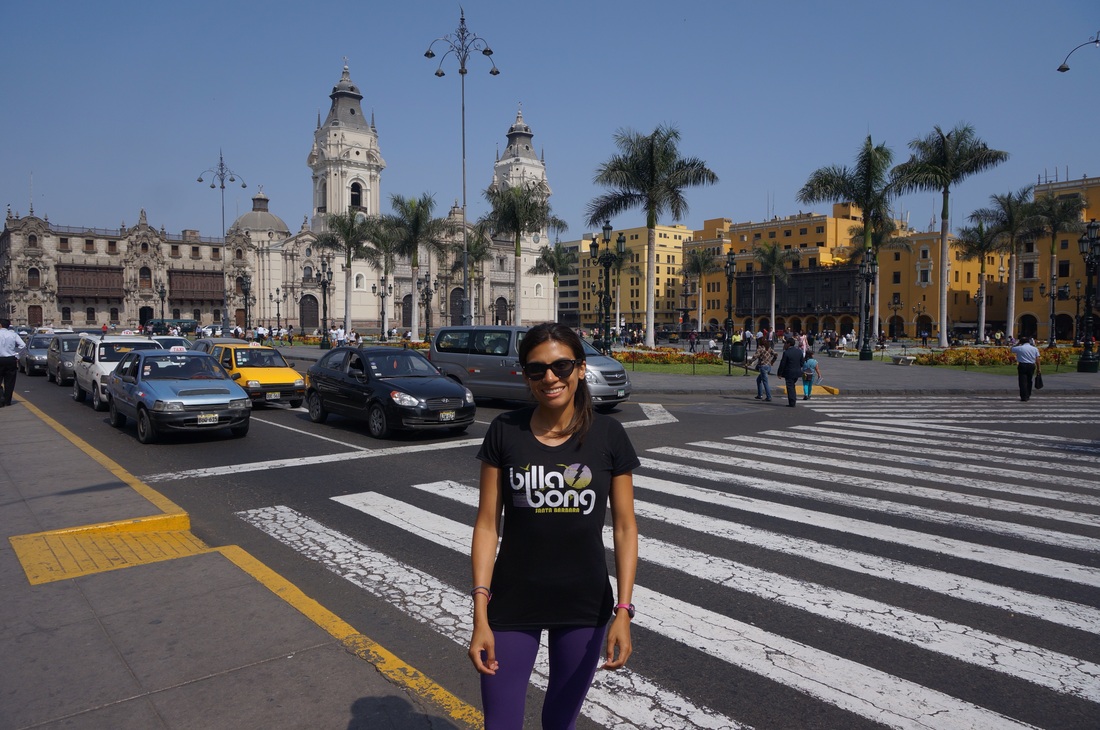
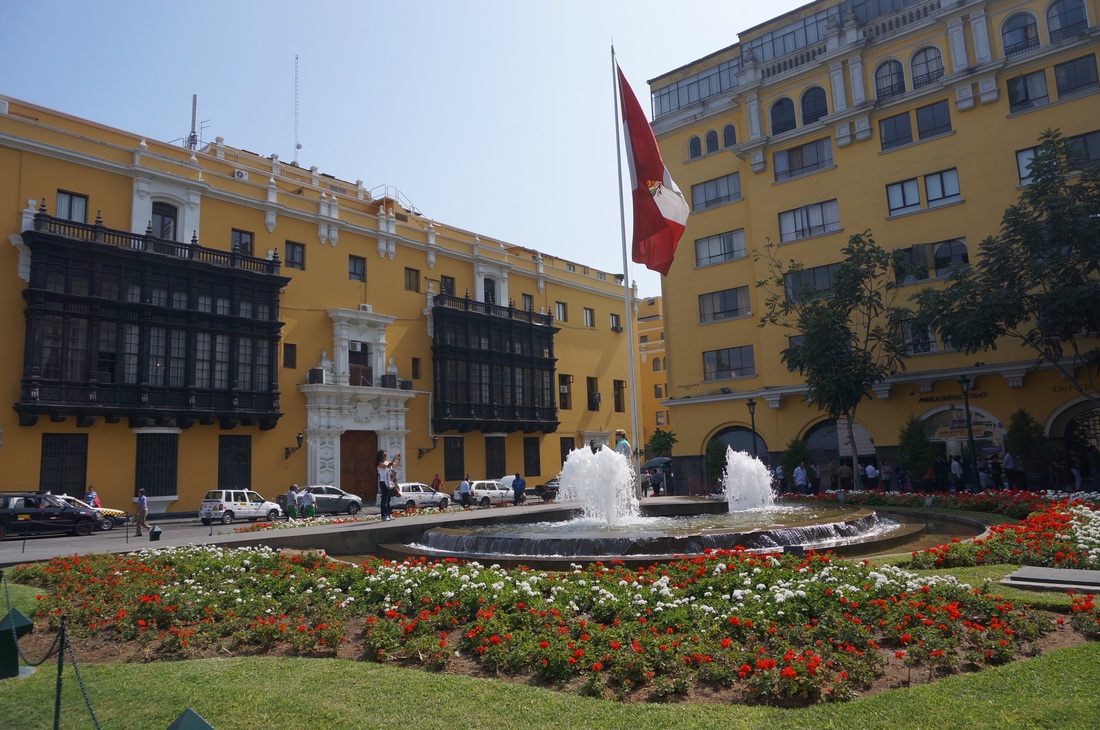
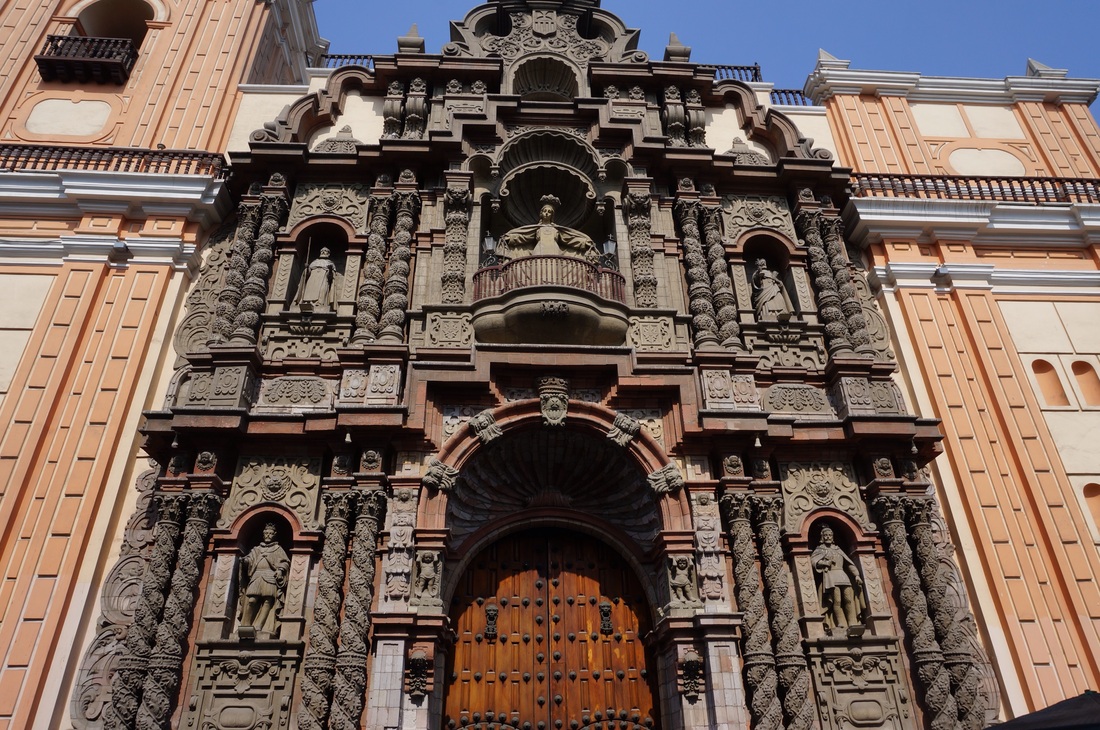
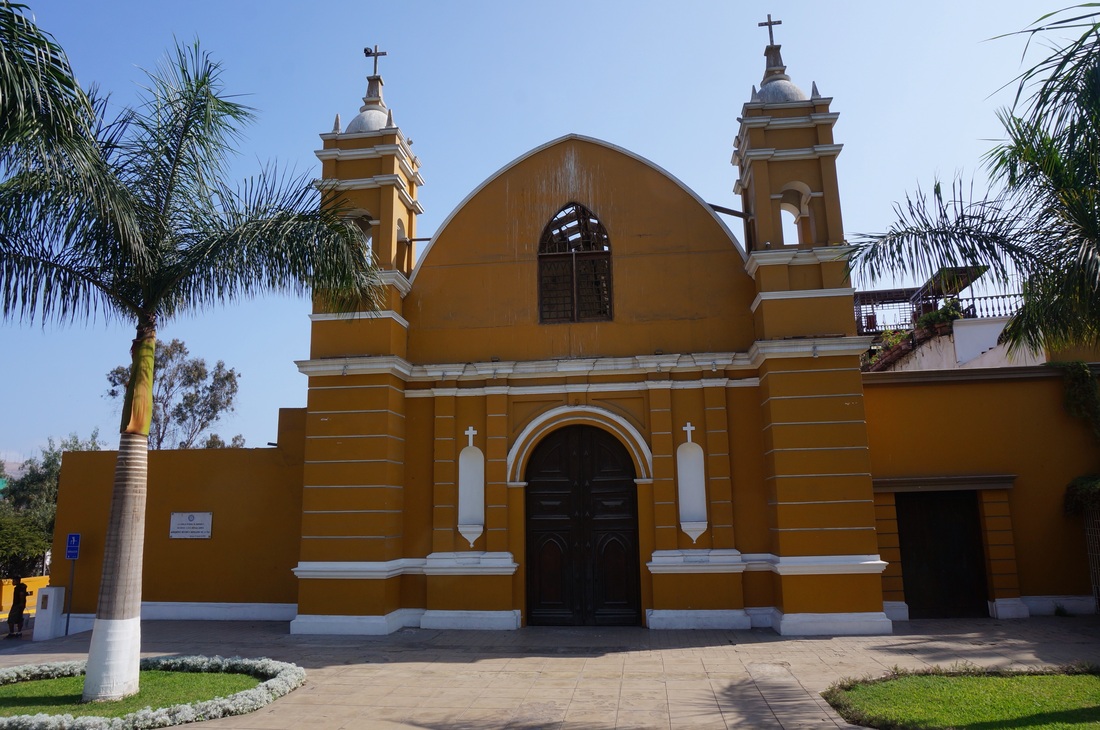
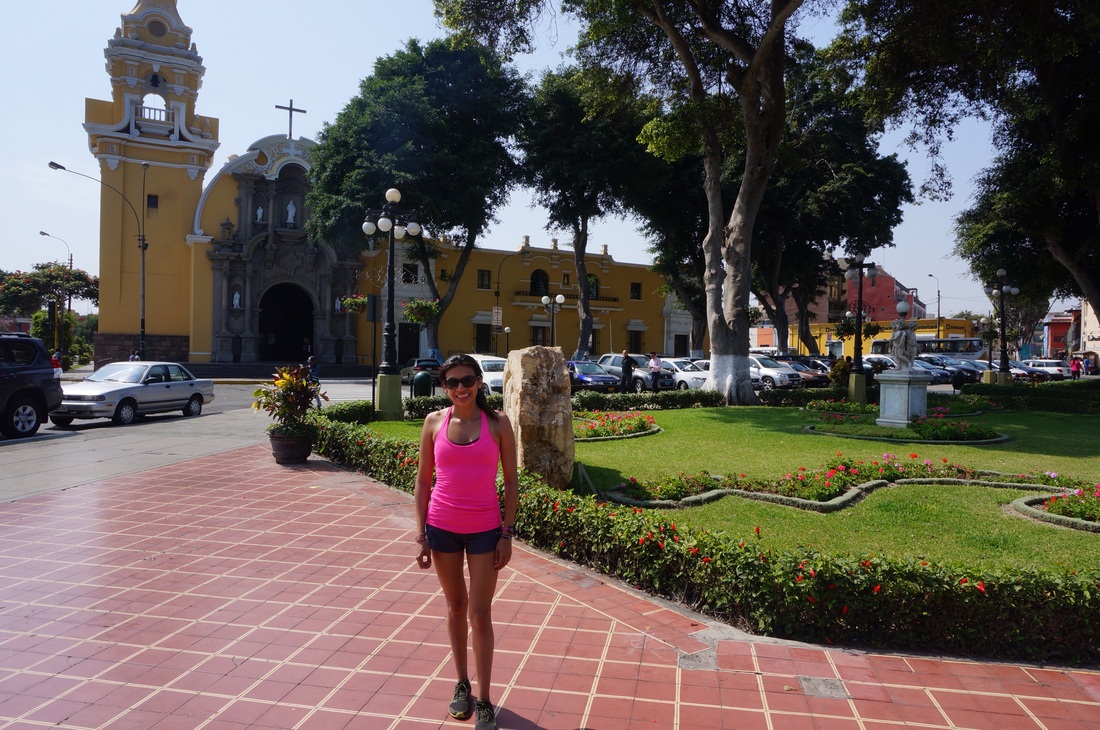
Our final stop before flying to Cusco (the Incan capital of South America) was Lima, the pre-Incan and Colonial capital of the continent. Initial impressions of Lima aren't particularly flattering, and many travelers spend no more than one or two nights there. One reason for this is that, despite its historical importance in the region, the city doesn't have much to show for it, largely due to a 1746 earthquake that wiped out most buildings of any relevance. As a result, the city lacks the historical charm of cities like Quito and Bogota. Even so, the historical centre still features some beautiful squares, churches and government buildings (although these were all built after the quake).

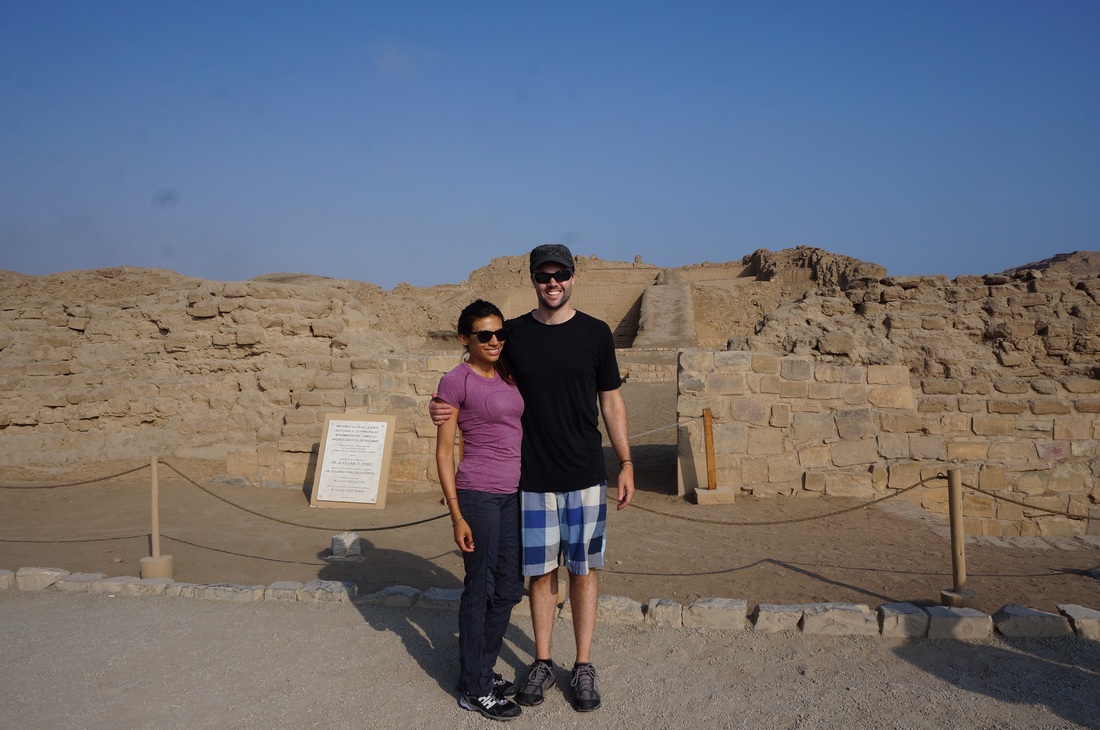
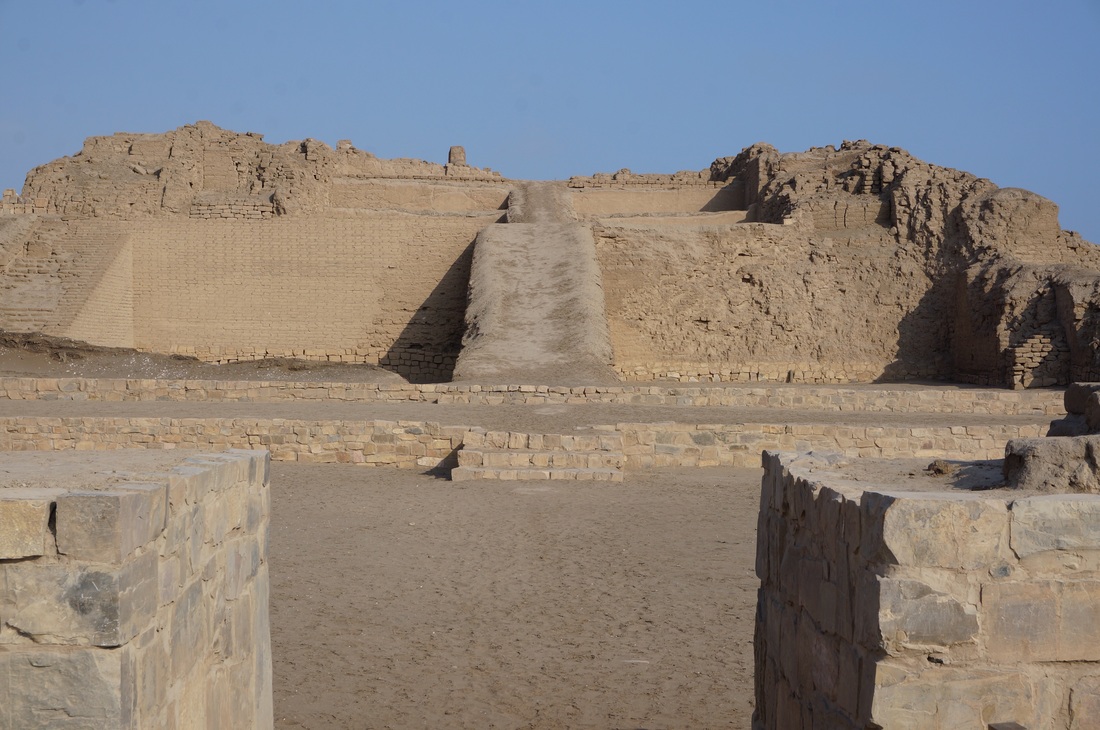
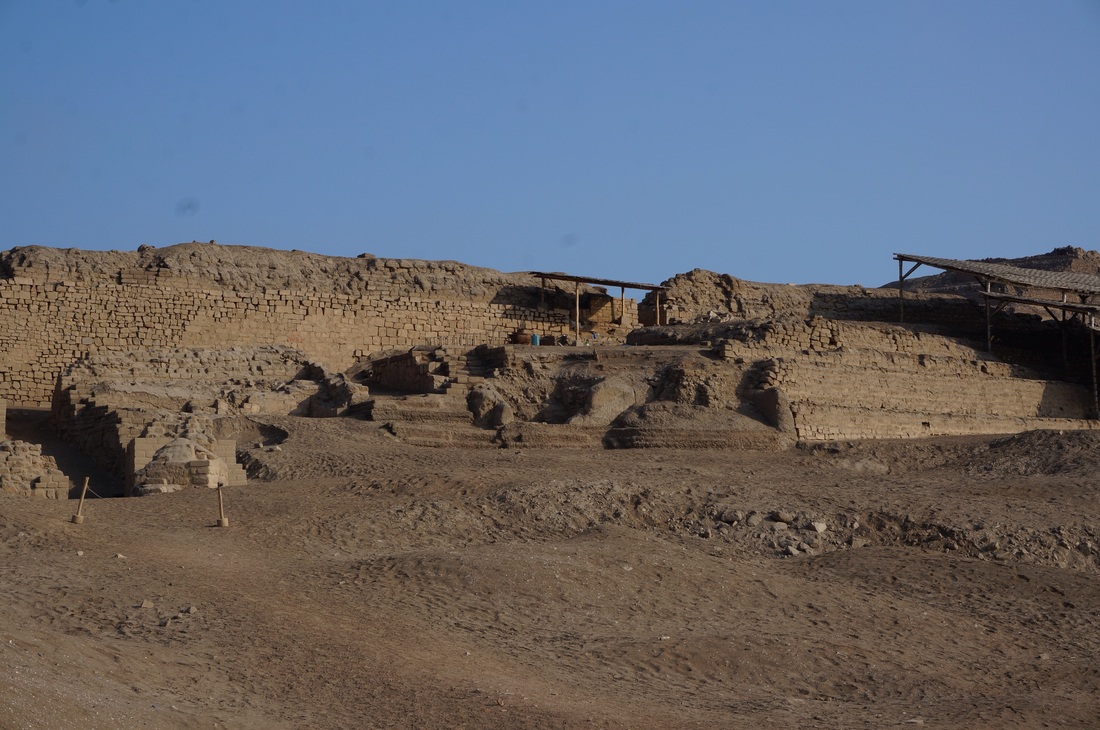
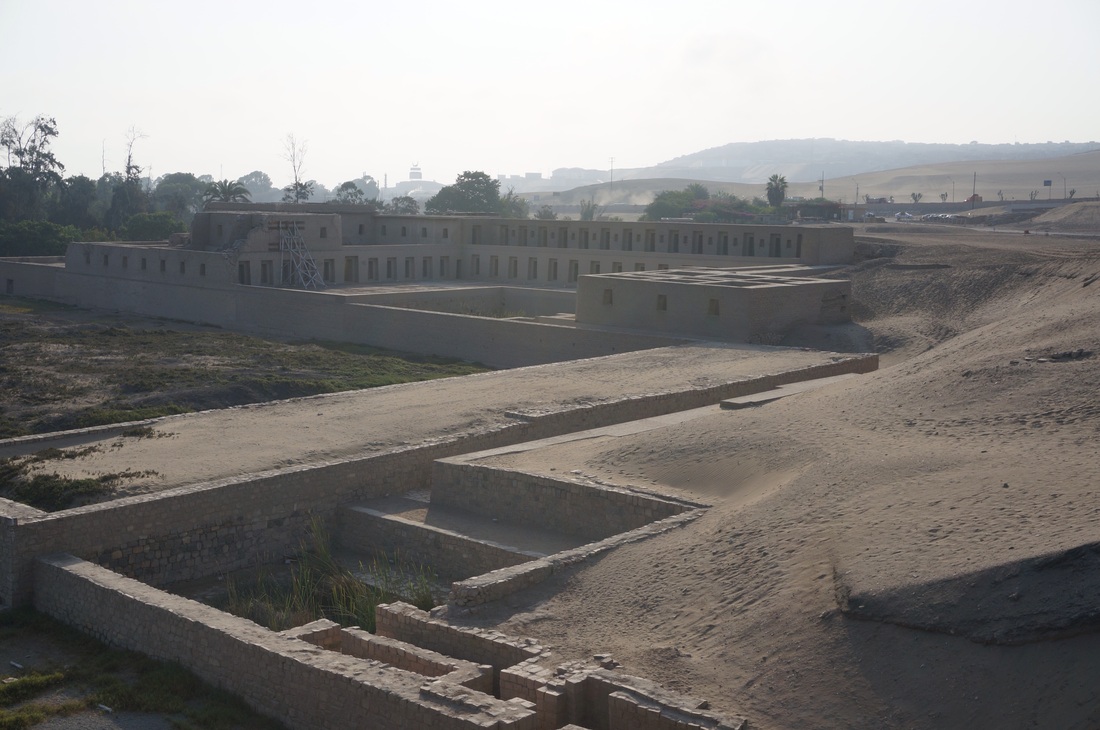
The other main knock on Lima is that it is both highly populated and extremely dry (behind Cairo, it's the second driest capital in the world). This was particularly evident as we travelled south of the city to visit the Pachacamac ruins south of Lima. The ruins themselves, which date back to pre-Incan times (800-1450AD), were interesting enough to be worth a visit, but we were confident that they were not going to be the most impressive ruins we saw in Peru.

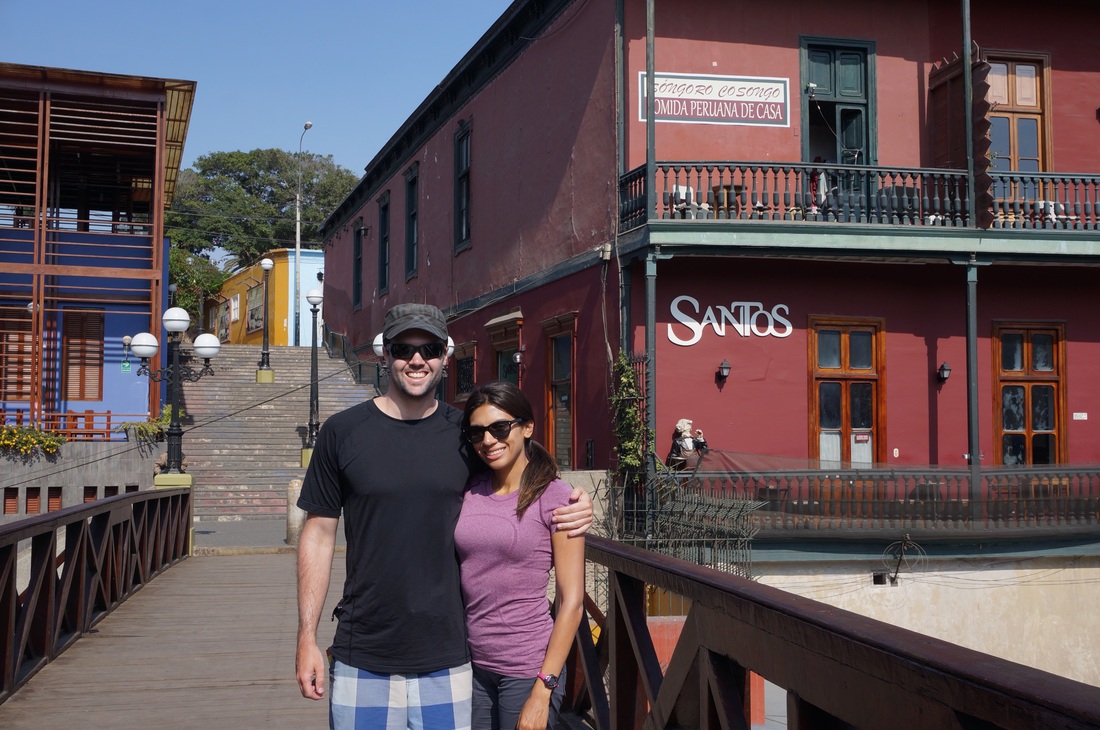
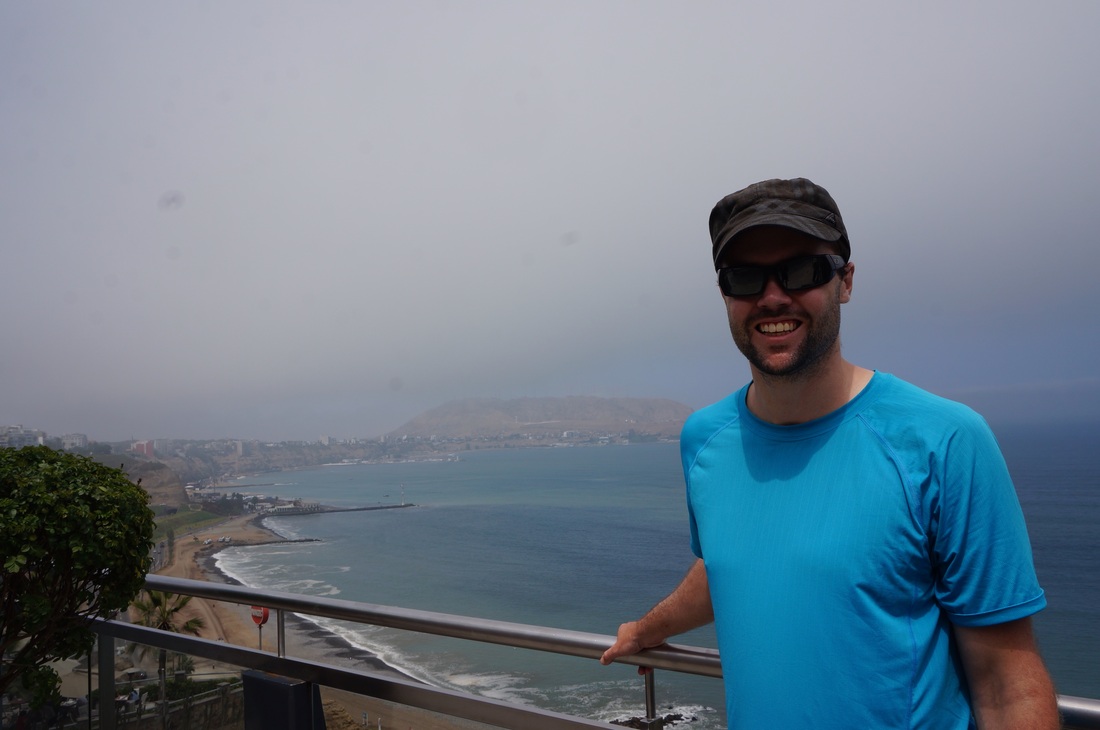
The real charm in Lima can be found in the bohemian hub of Barranco and the neighboring glitzy district of Miraflores, where we spent most of our time. Both sit on top of sea-side cliffs, offer stunning views of the Pacific Ocean, and host the city's best night spots. They also feature the best restaurants we've encountered in our travels so far (which we really enjoyed after many disappointing culinary experiences in Colombia and, in particular, Ecuador). The main highlights were the fresh seafood (fishing is Peru's second most important industry, behind mining), Lomo Saltado (a national stir fried beef dish with rice) and sandwiches made with beautiful fresh bread.

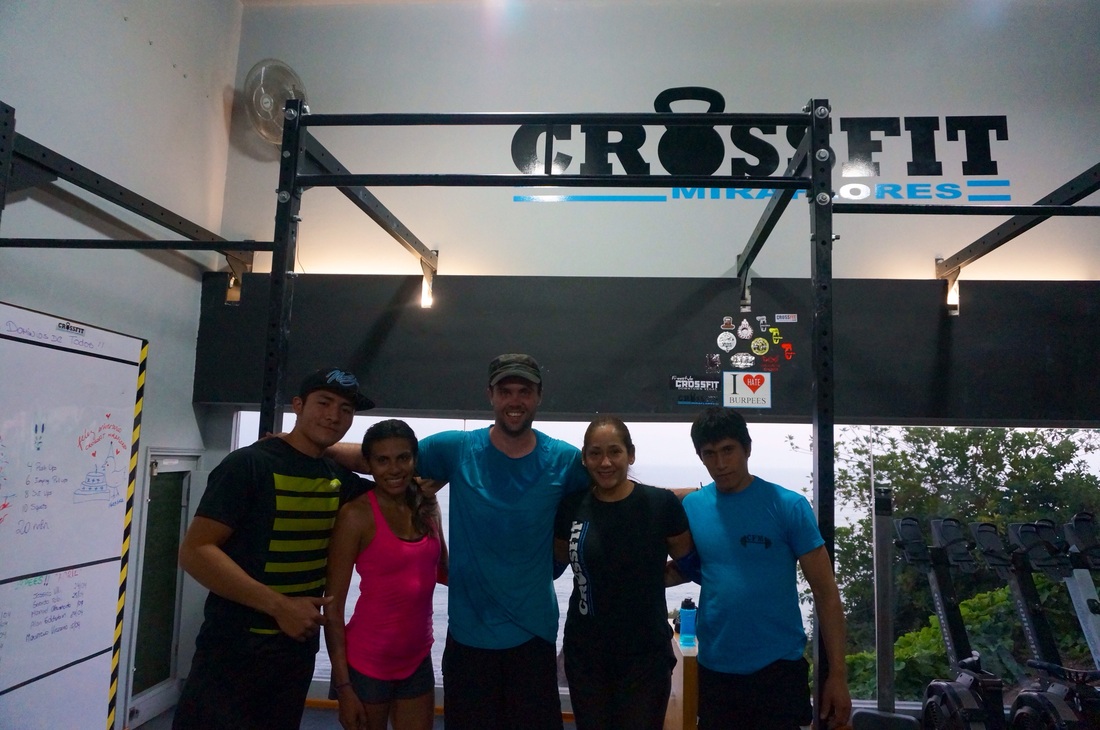
While in Miraflores we also visited a Crossfit gym in the fancy oceanfront Larcomar shopping centre. It had been almost two months since our last crossfit workout in Melbourne, and it showed, leaving us a little worried about whether we were still in good enough shape to take on the Inca trail (our next stop).
1 Comment

Ayacucho

4/27/2014

5 Comments

 
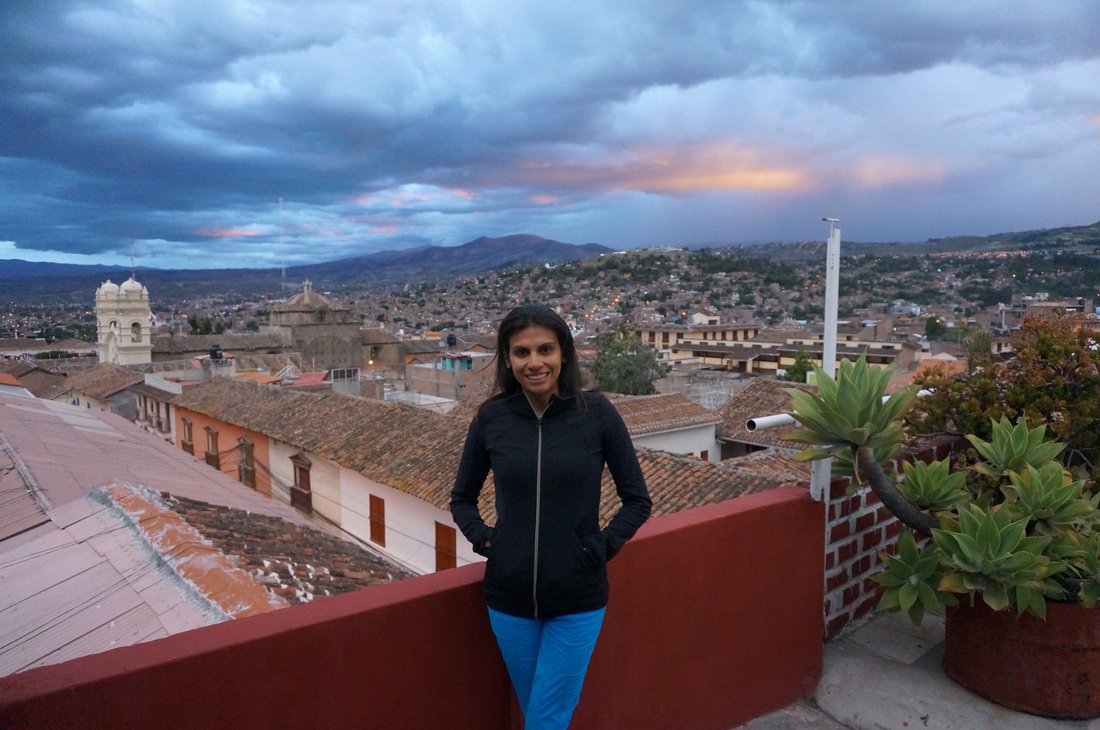
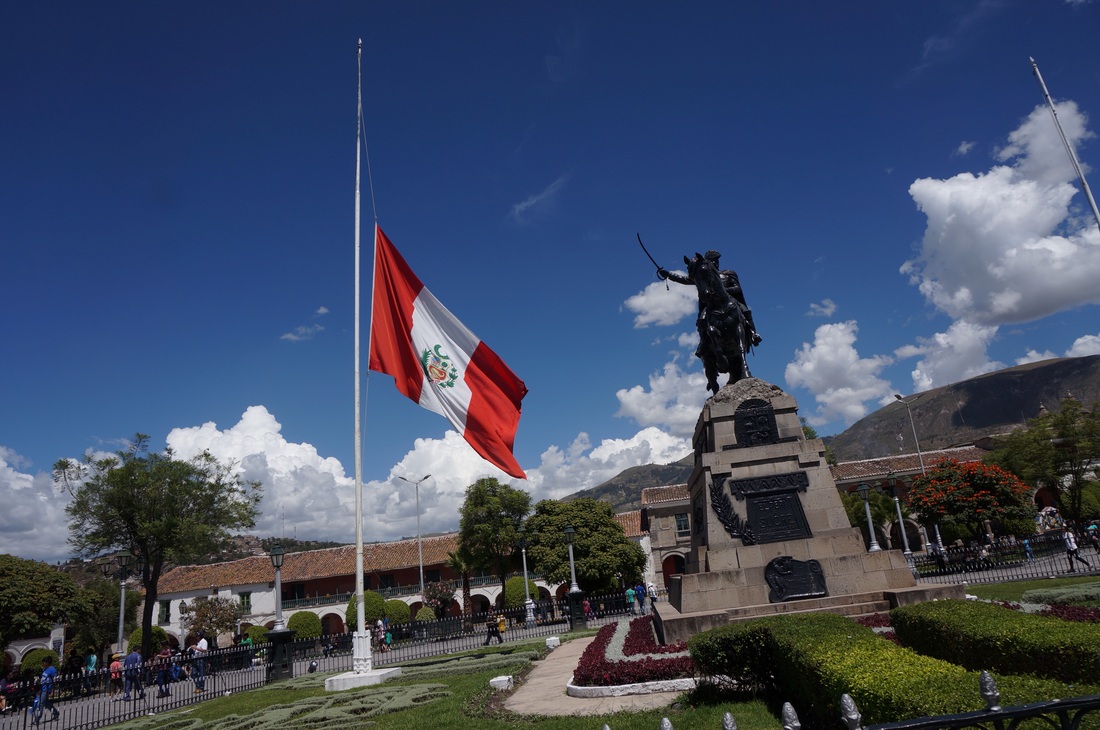
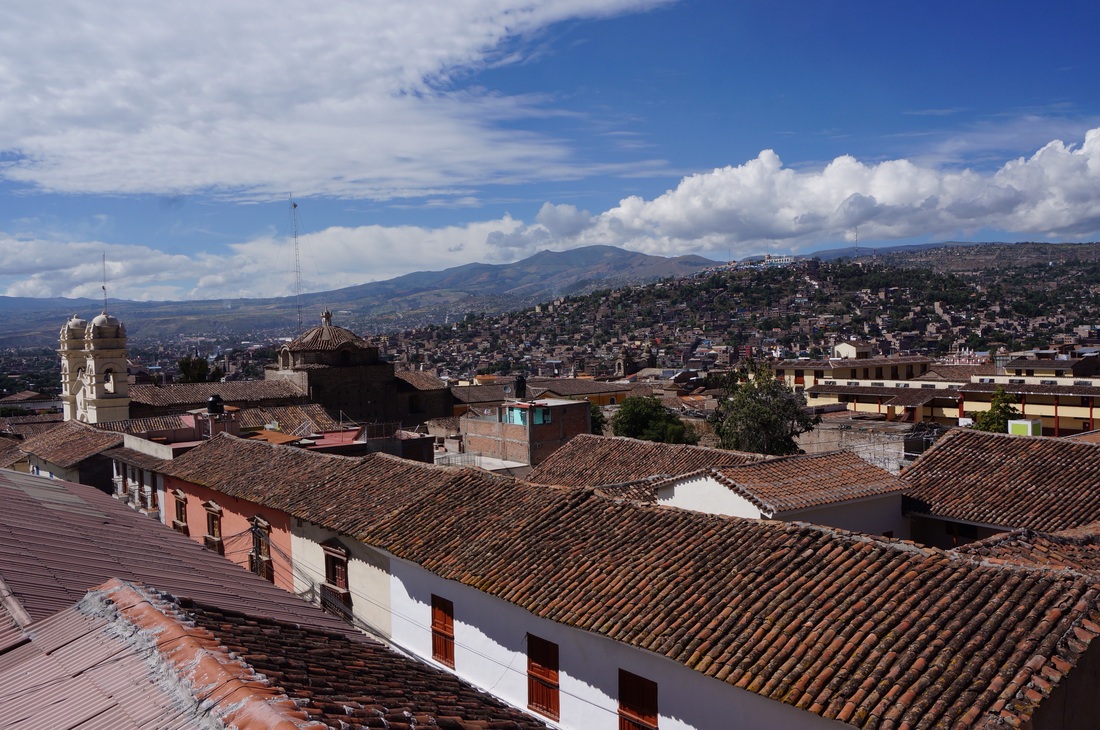
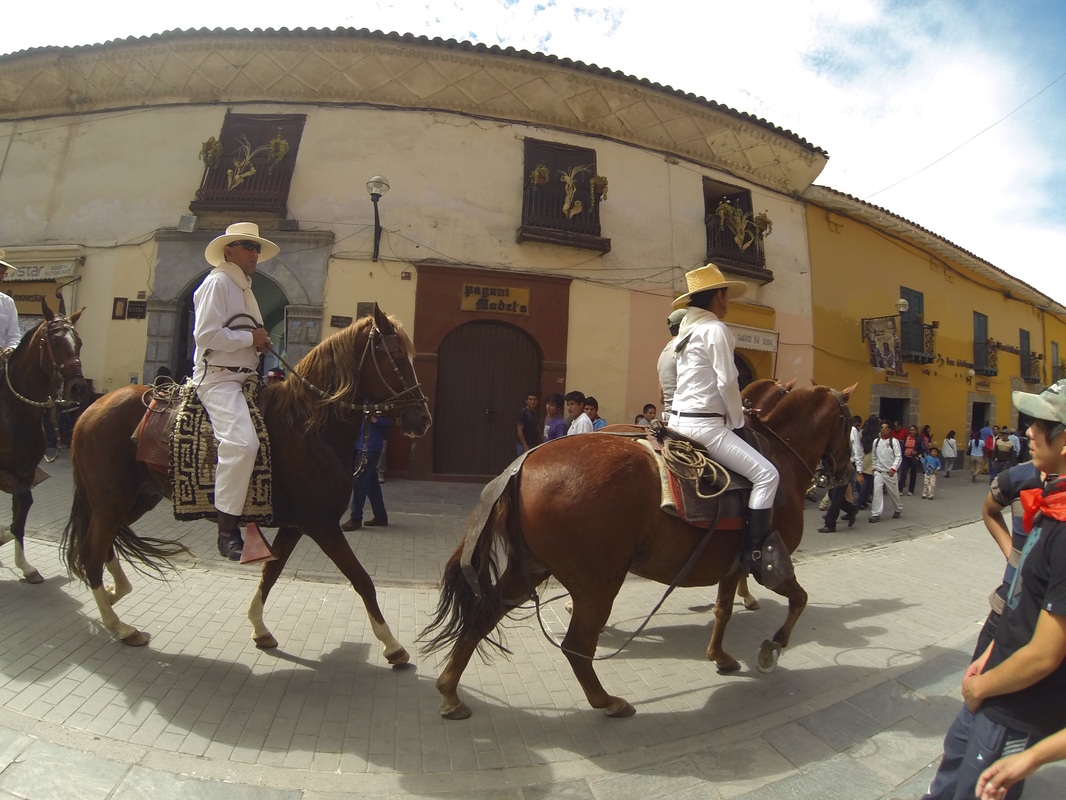
Ayacucho is a small town in the mountains of central Peru (about a 10 hour bus ride from Lima). In the early 1980s, Ayacucho was most famous as the headquarters of terrorist organization Shining Path. Nowadays, its much more peaceful, and for most of the year is a relatively sleepy town. The only exception is during Easter, when Ayacucho is known across Peru, and increasingly across South America, as the place to be.

Joining the semana santa celebrations in Ayacucho definitely requires some planning ahead. When we booked our accommodation over four months ago most places were booked out. Also, you won't find any international hotel chains - the hotel we booked, one of the bigger ones in town, wasn't even on tripadvisor and we had to send money through western union to secure our reservation.

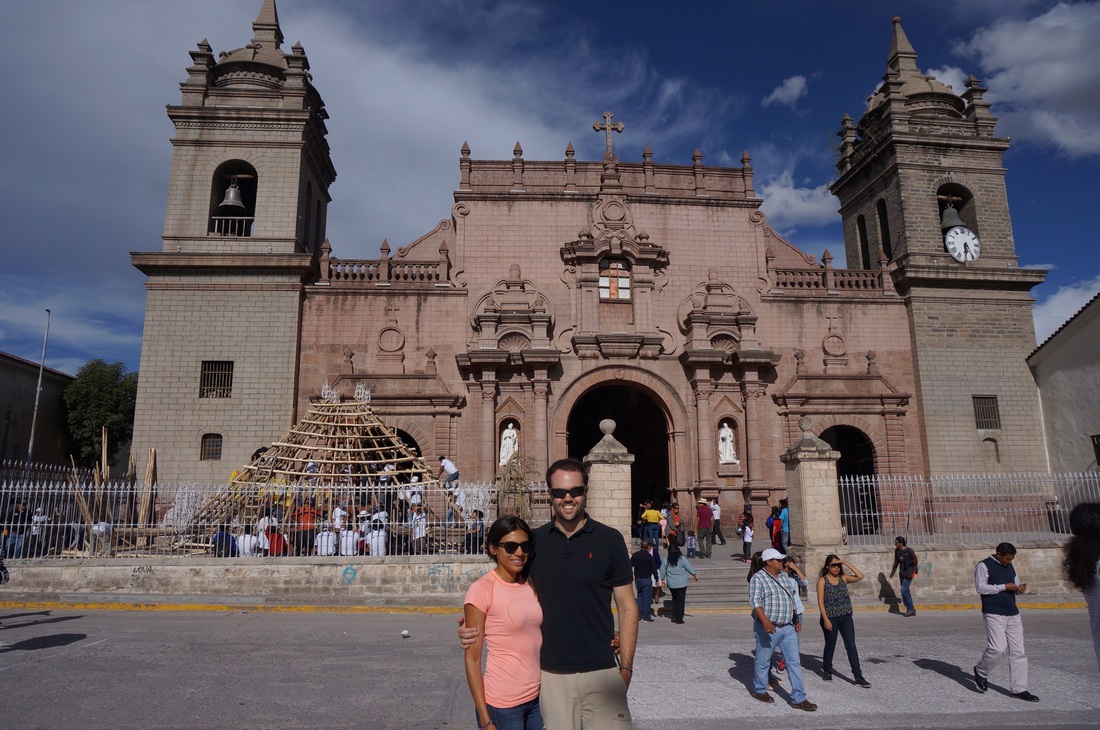
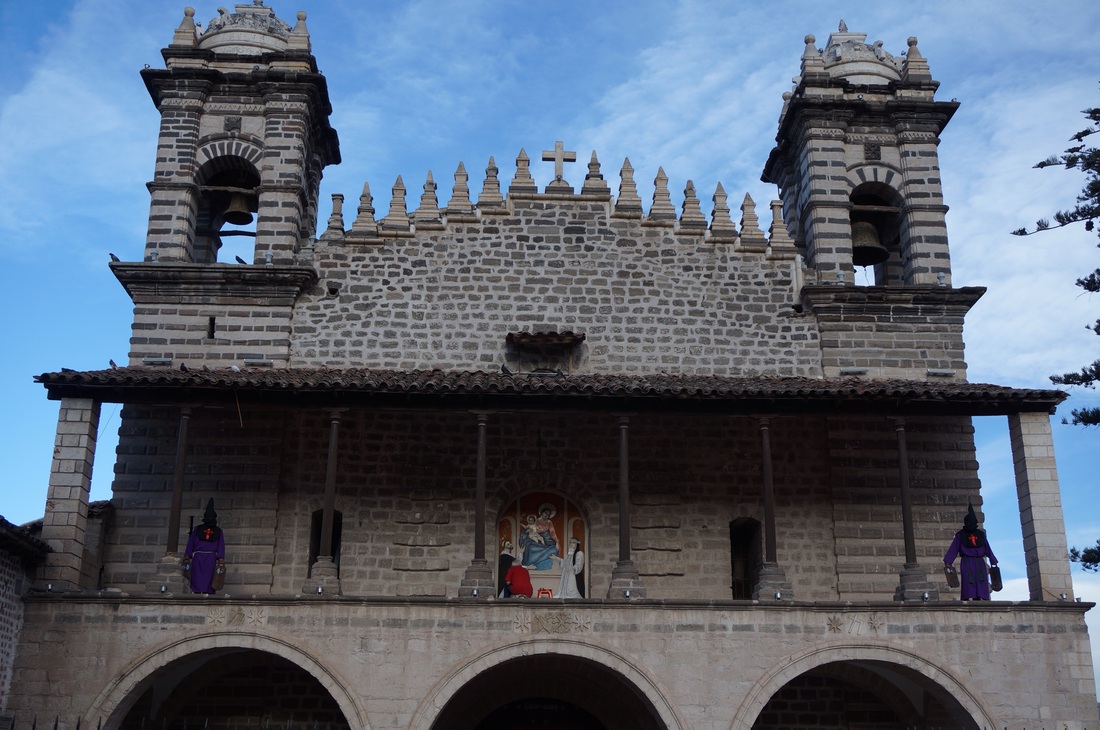
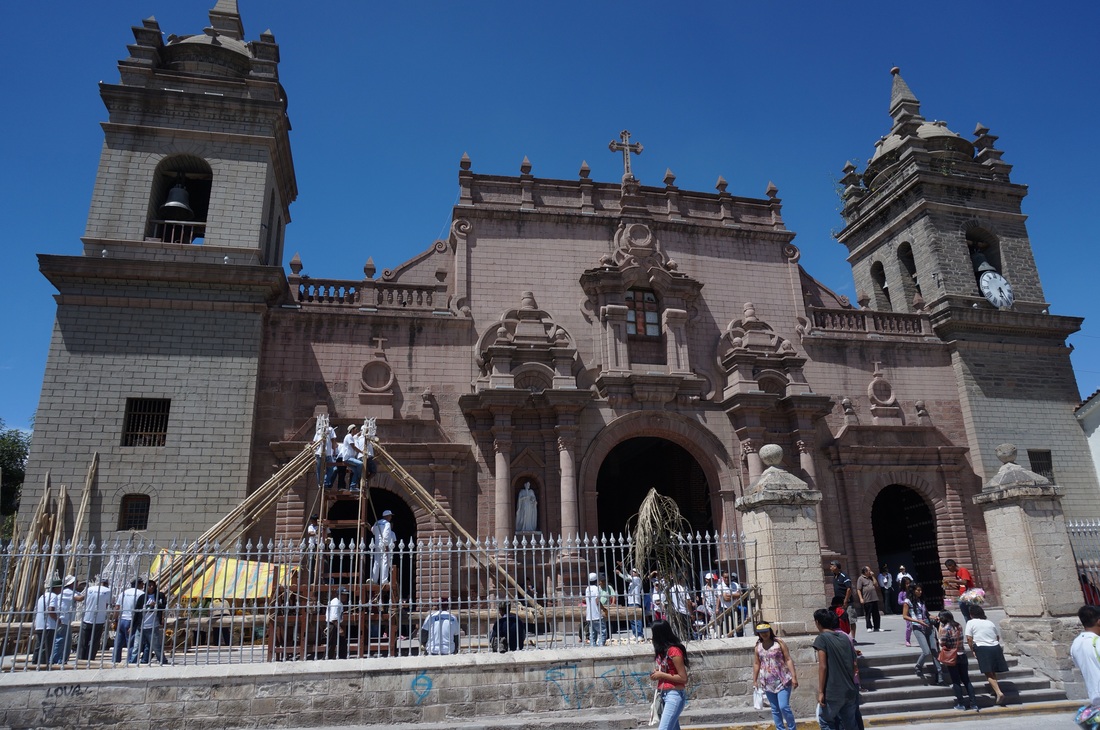
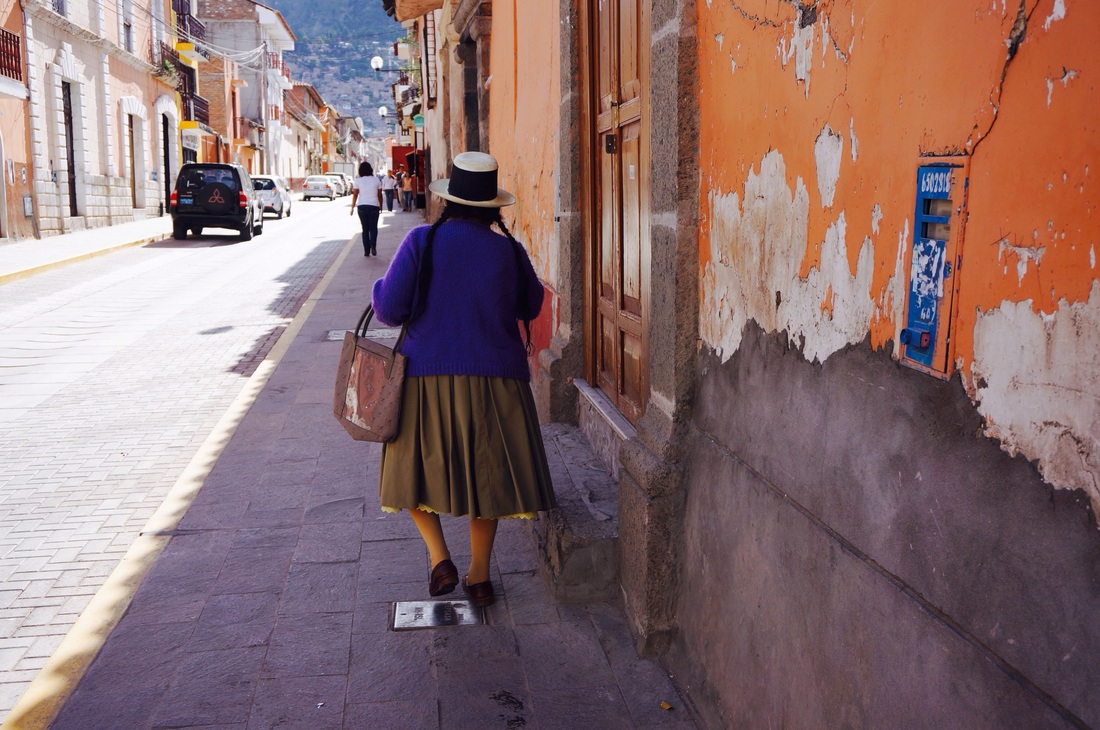
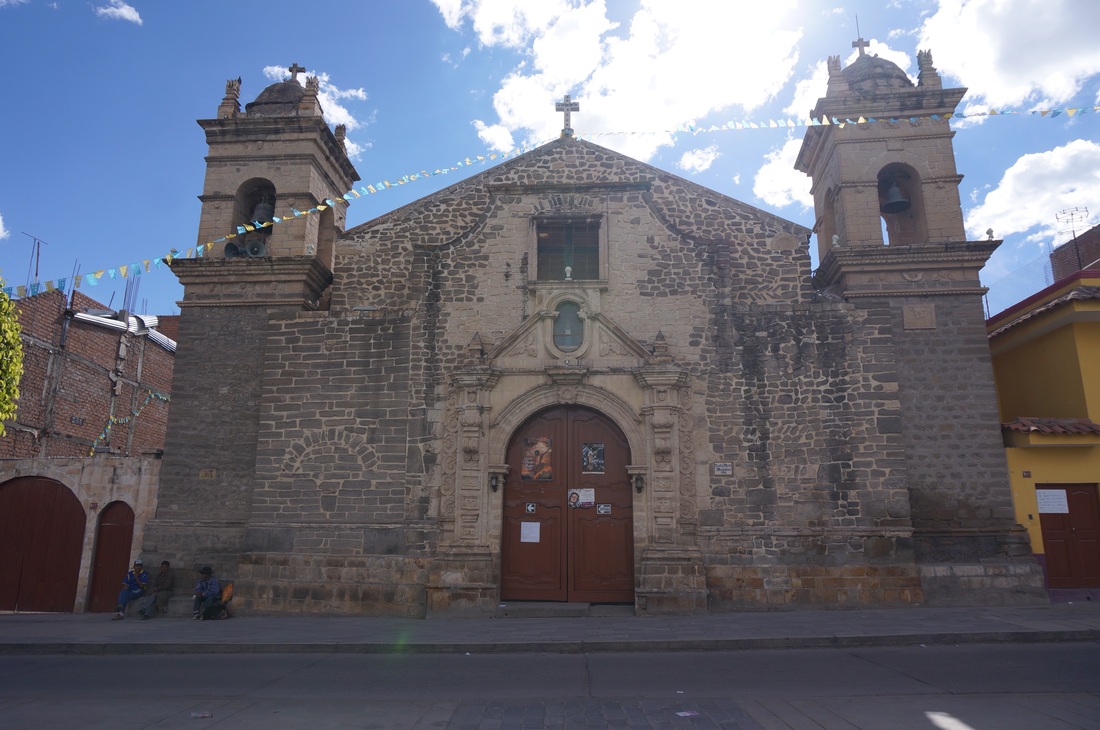
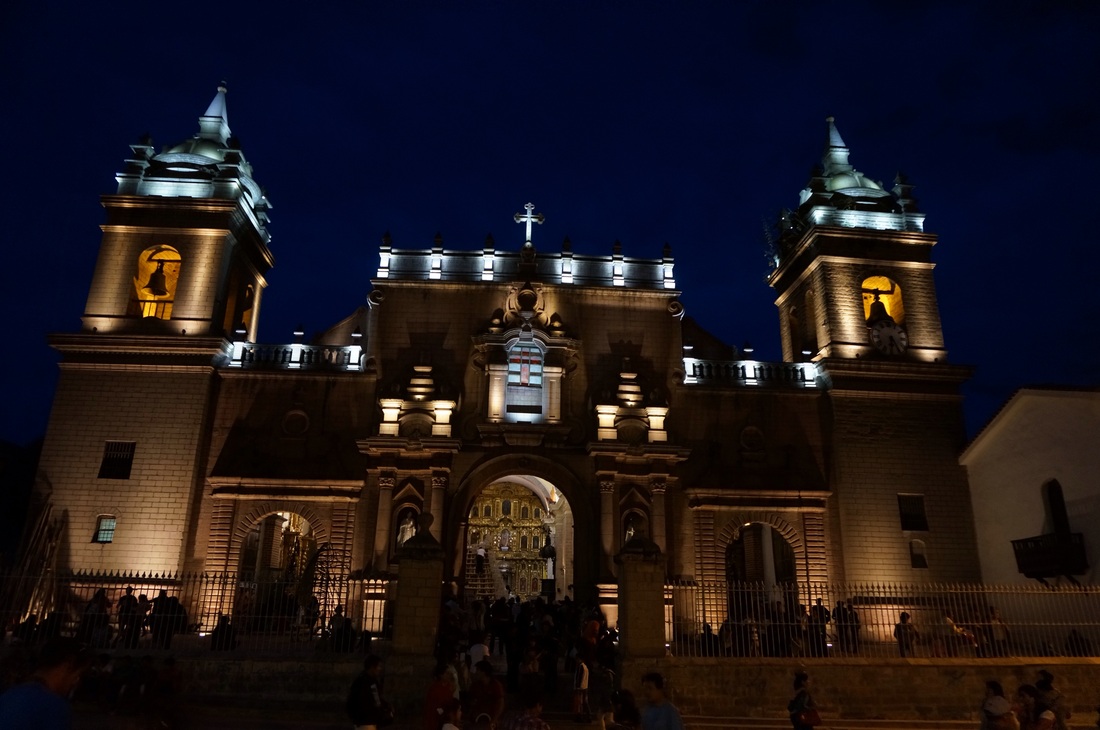
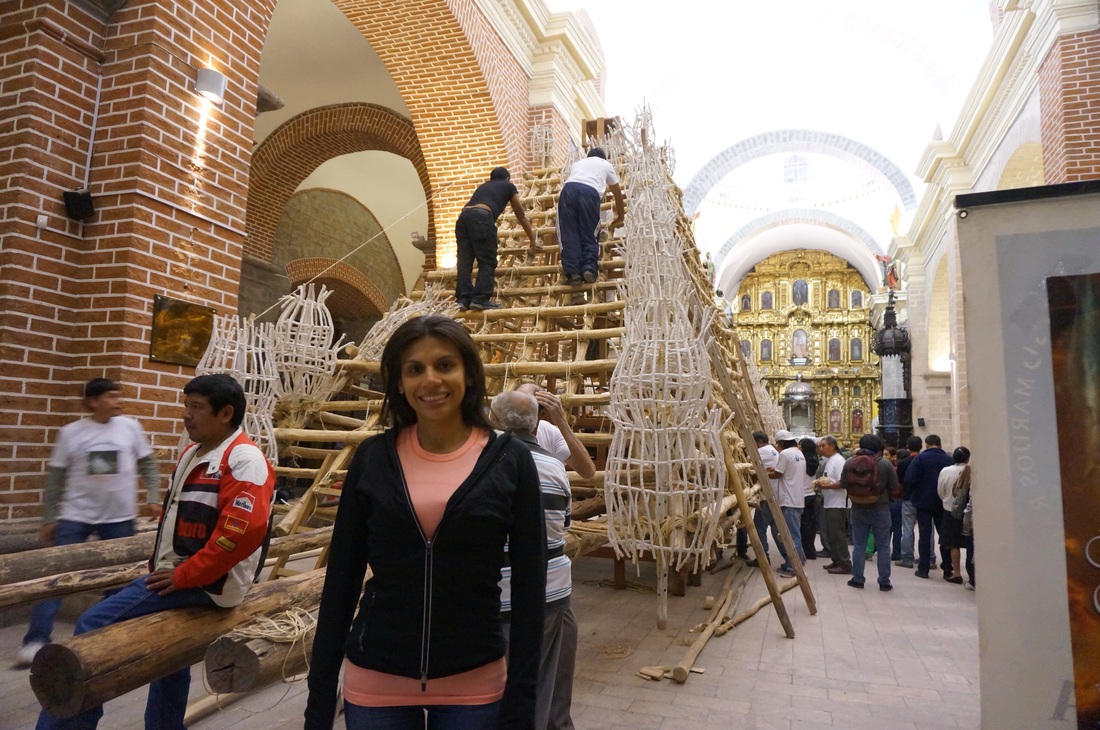
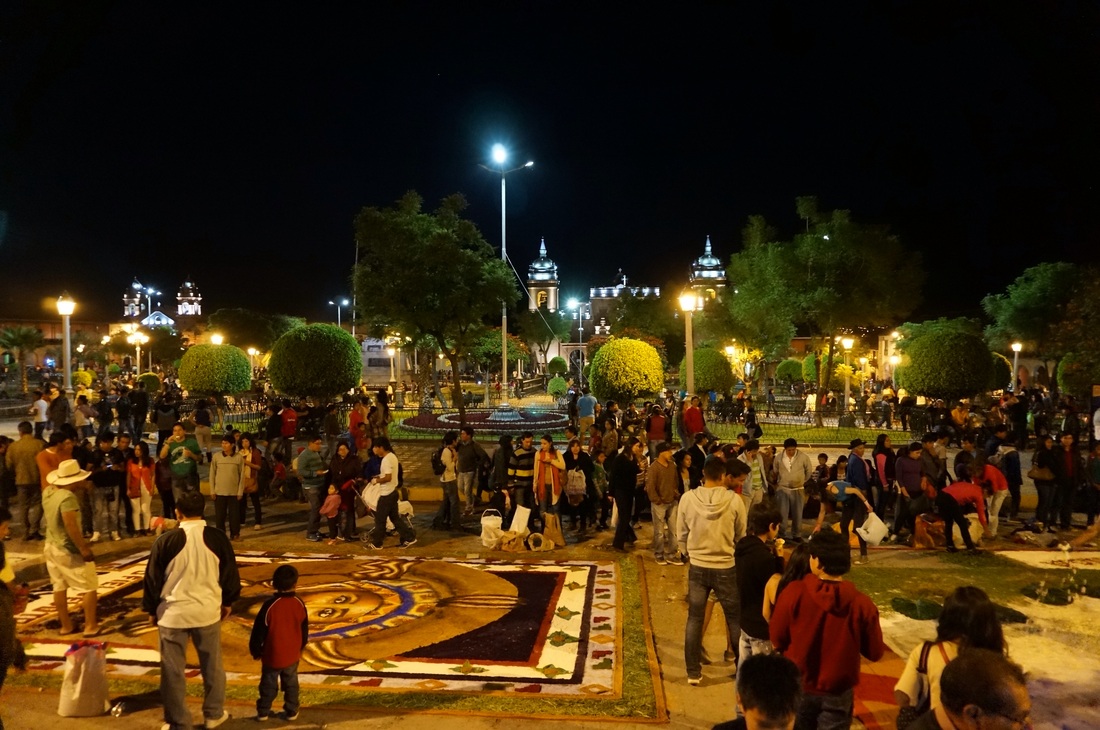
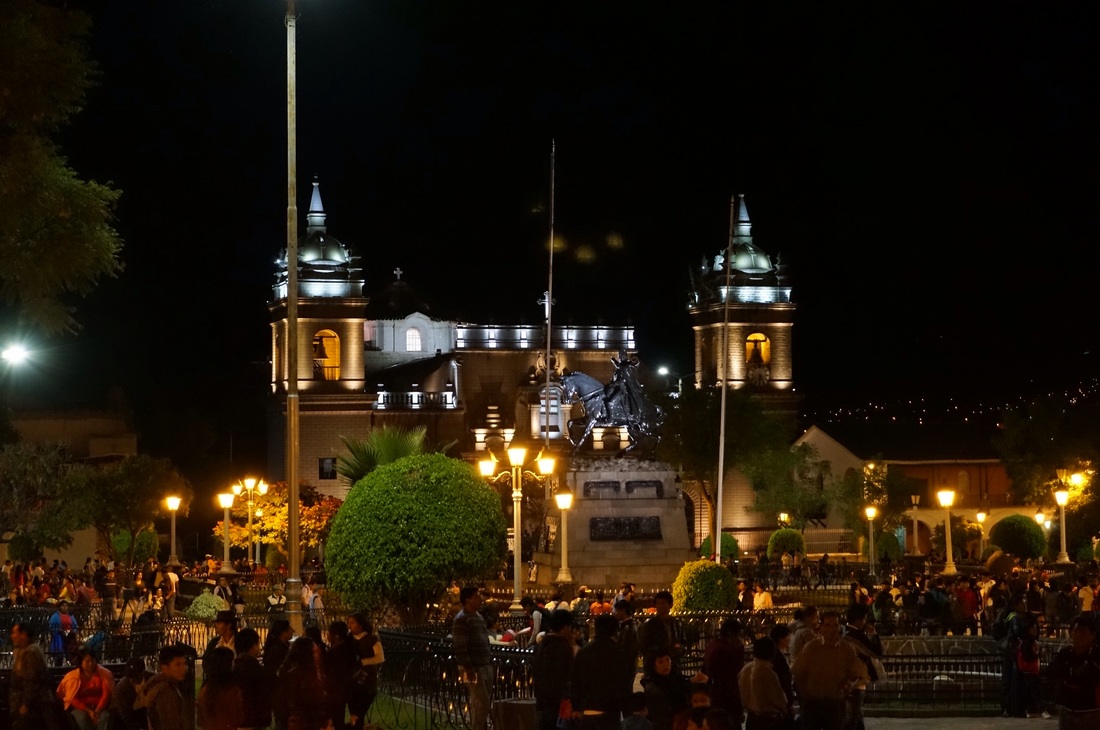
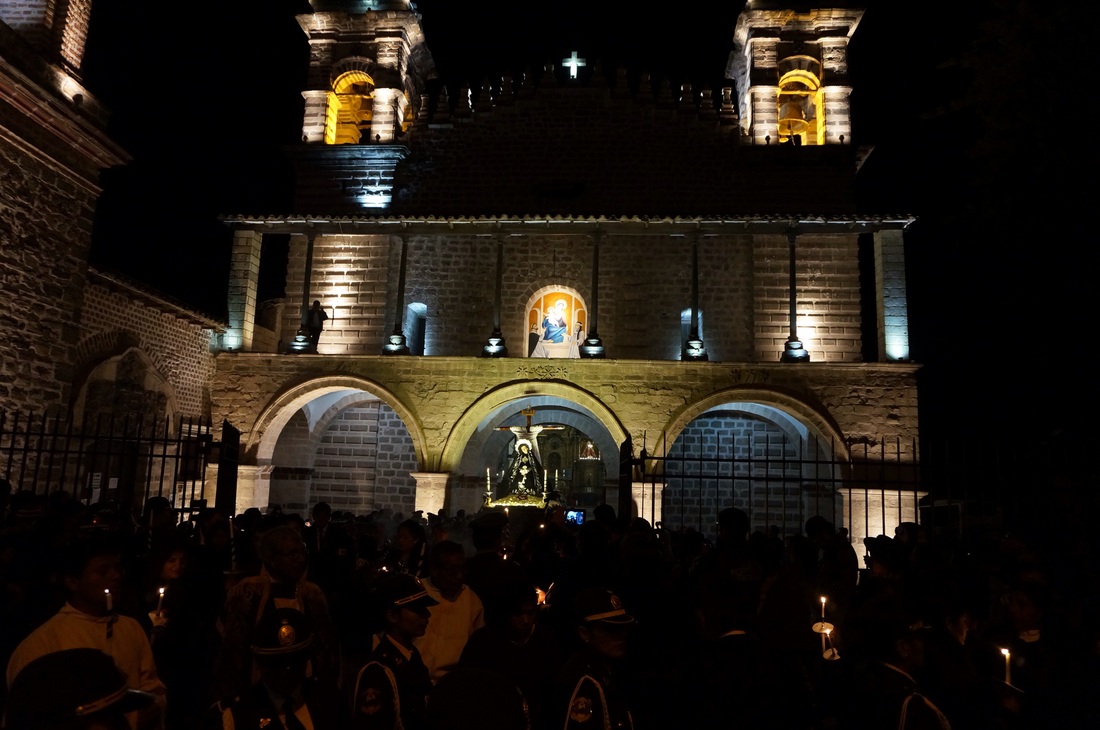
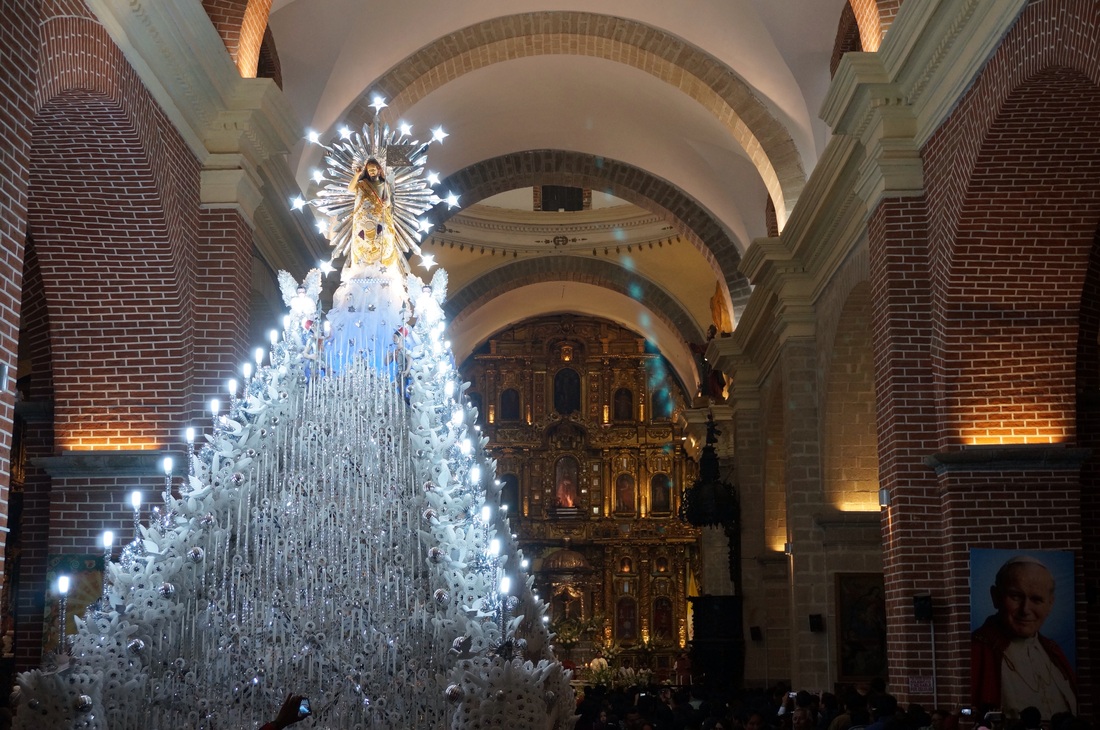
There are beautiful 16th and 17th century churches spotted all over central Ayacucho, and on the day we arrived there, Easter Thursday, the tradition is to visit each of them. We followed the crowds, witnessing all the final preparations for the big few days ahead.
Picture
The structure of the weekend follows the biblical chronology that we're all familiar with, and on the Thursday night some churches hosted performances representing that at that stage Jesus had been arrested.

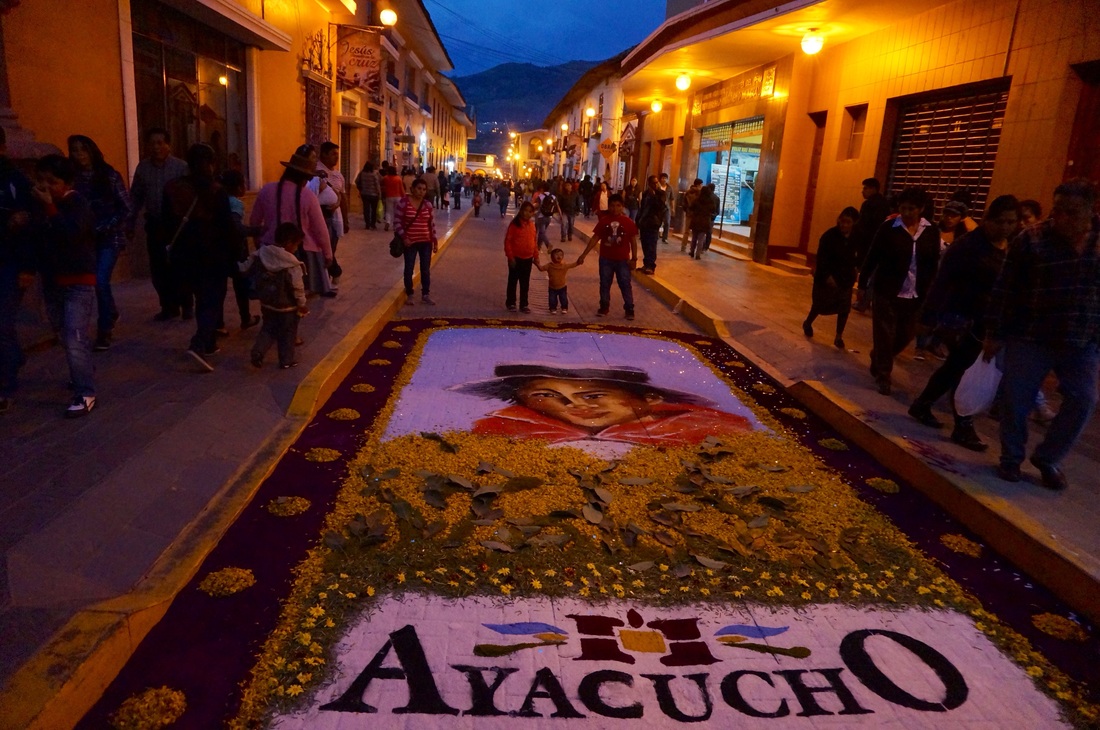
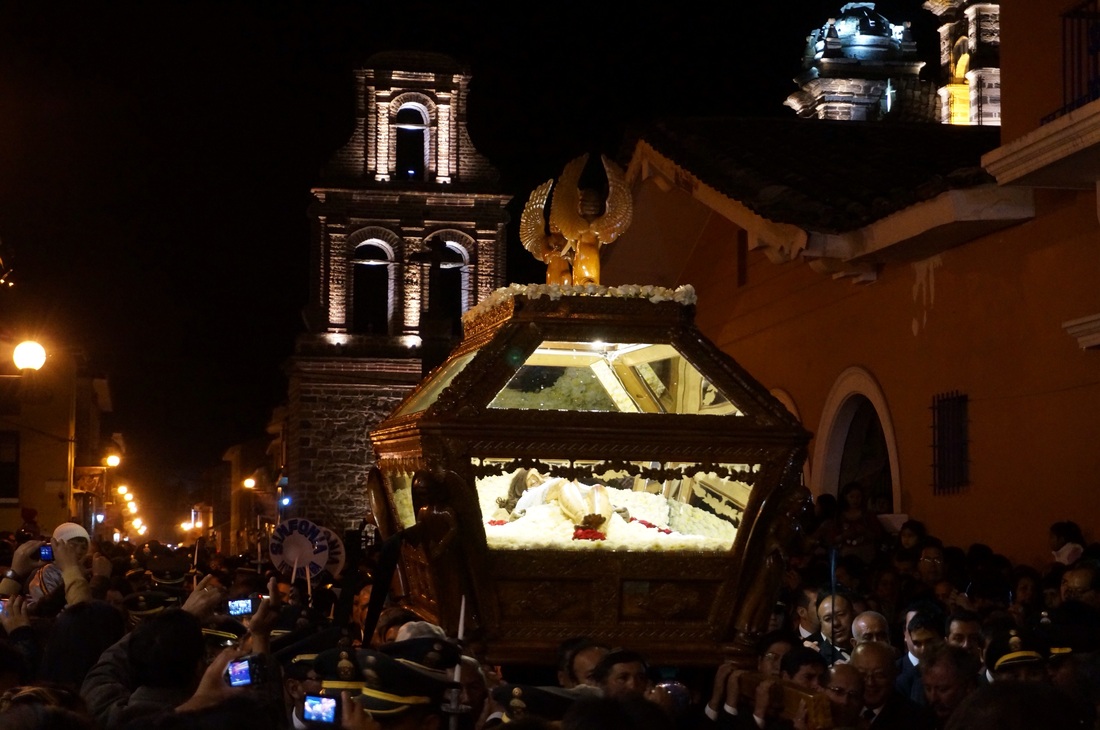
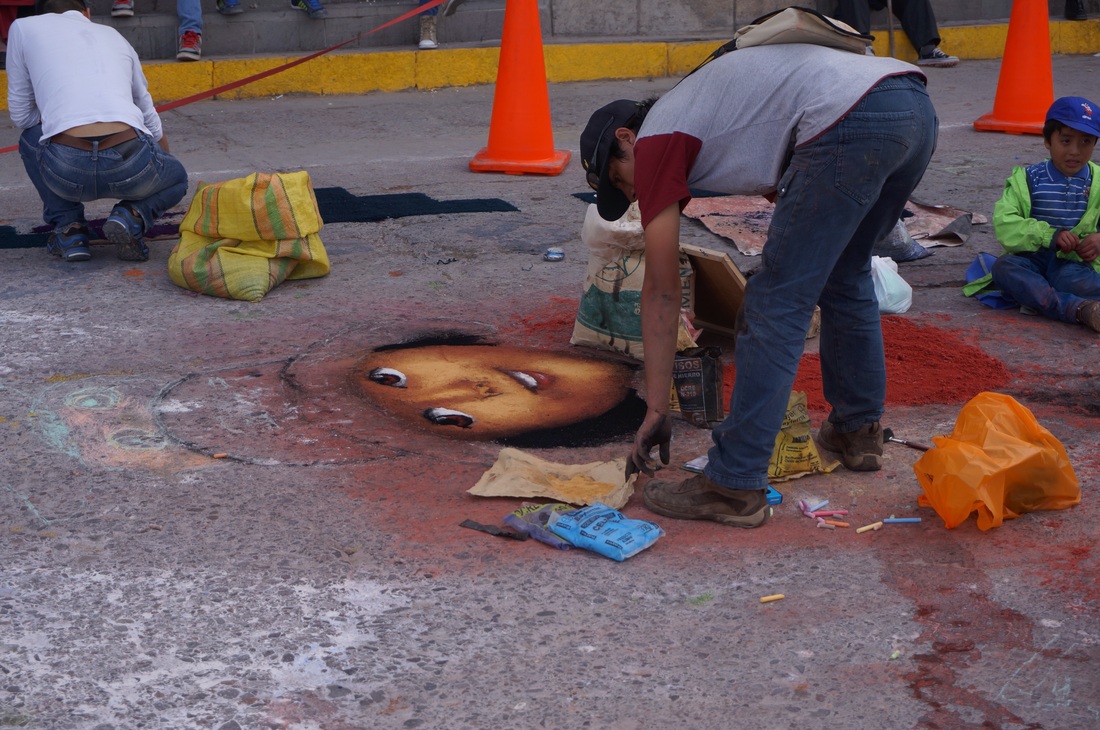
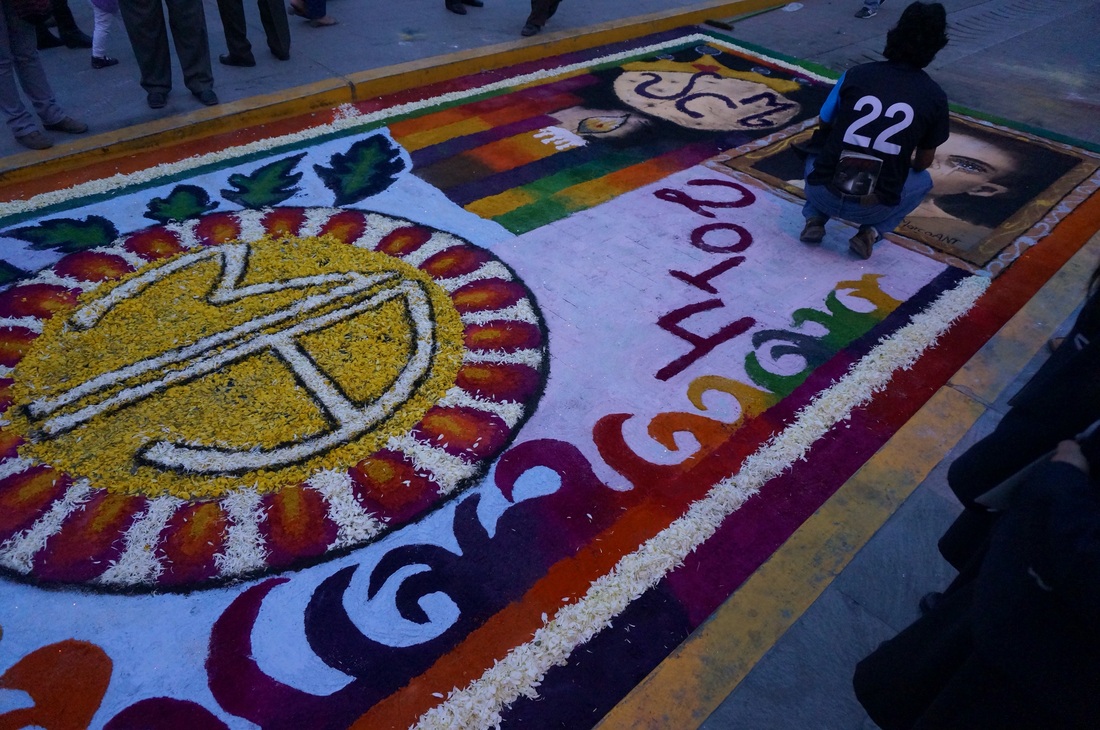
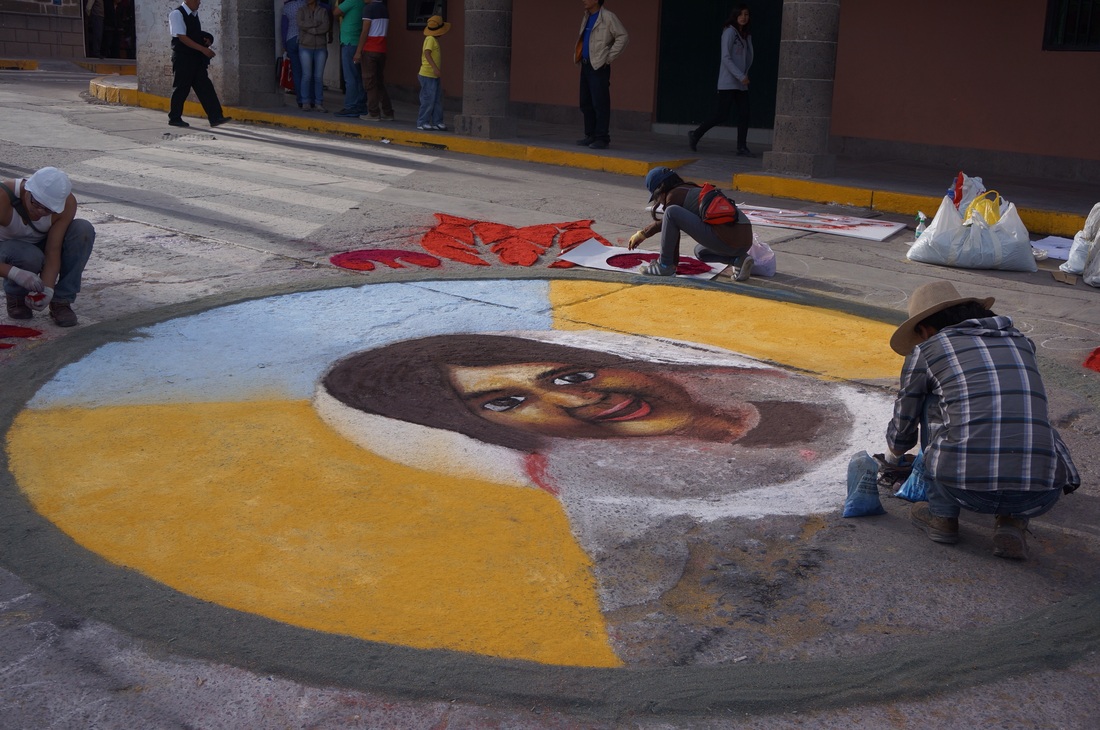
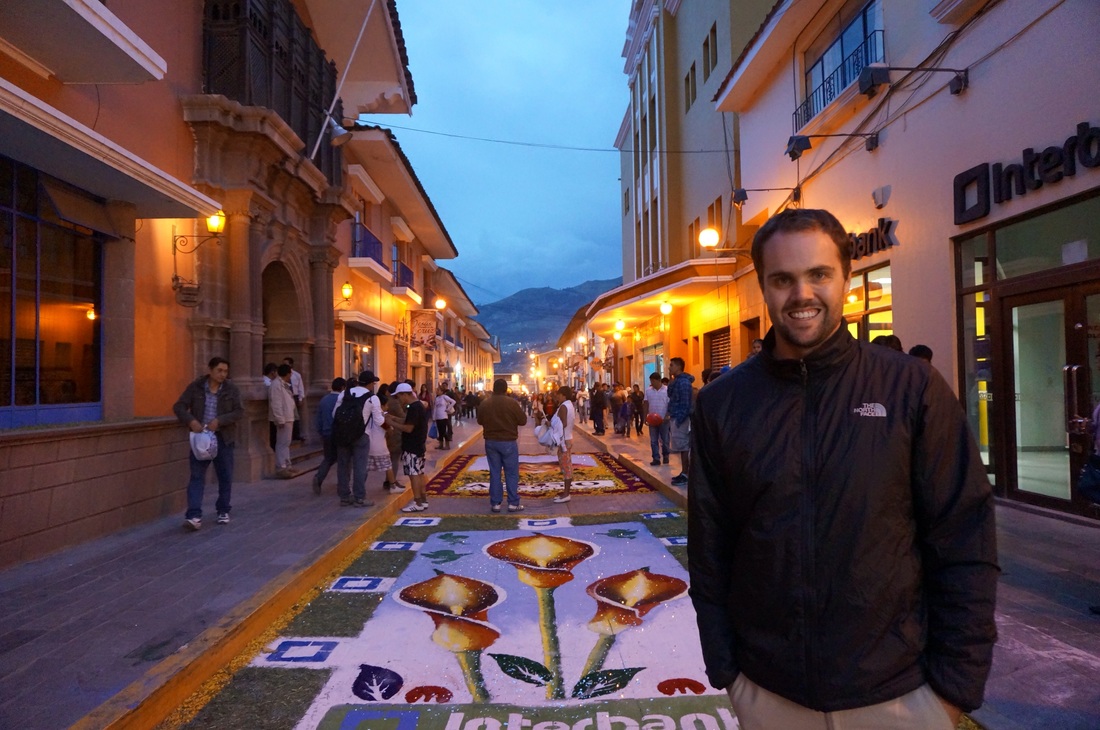
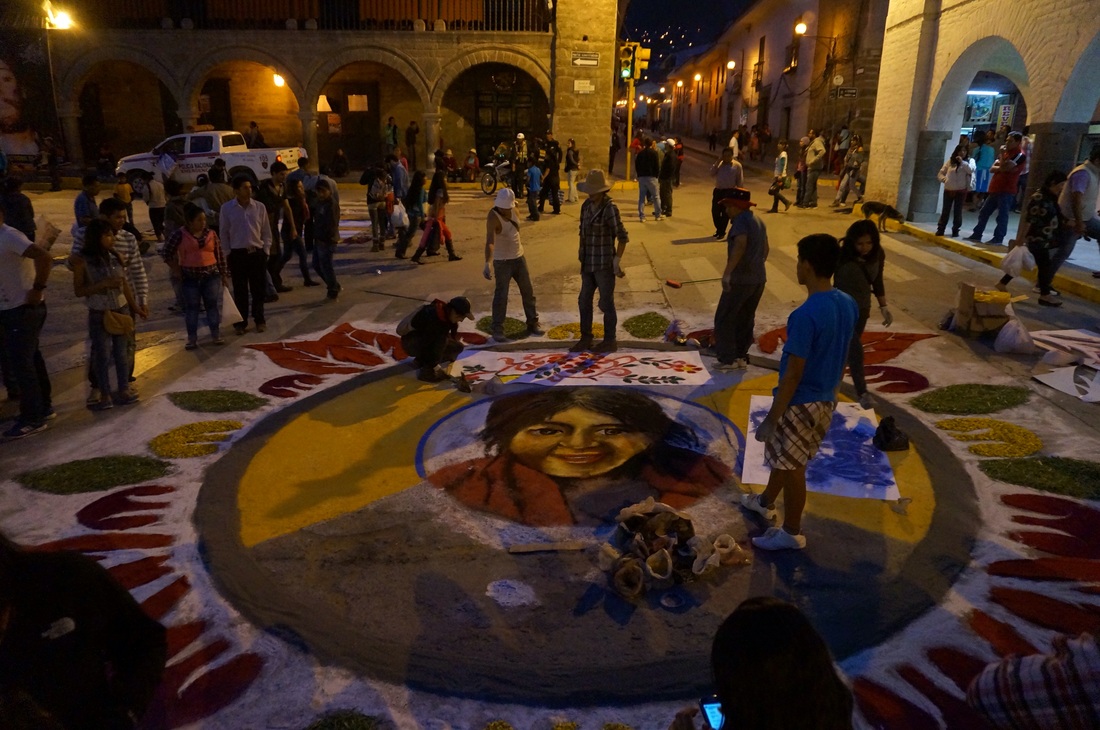
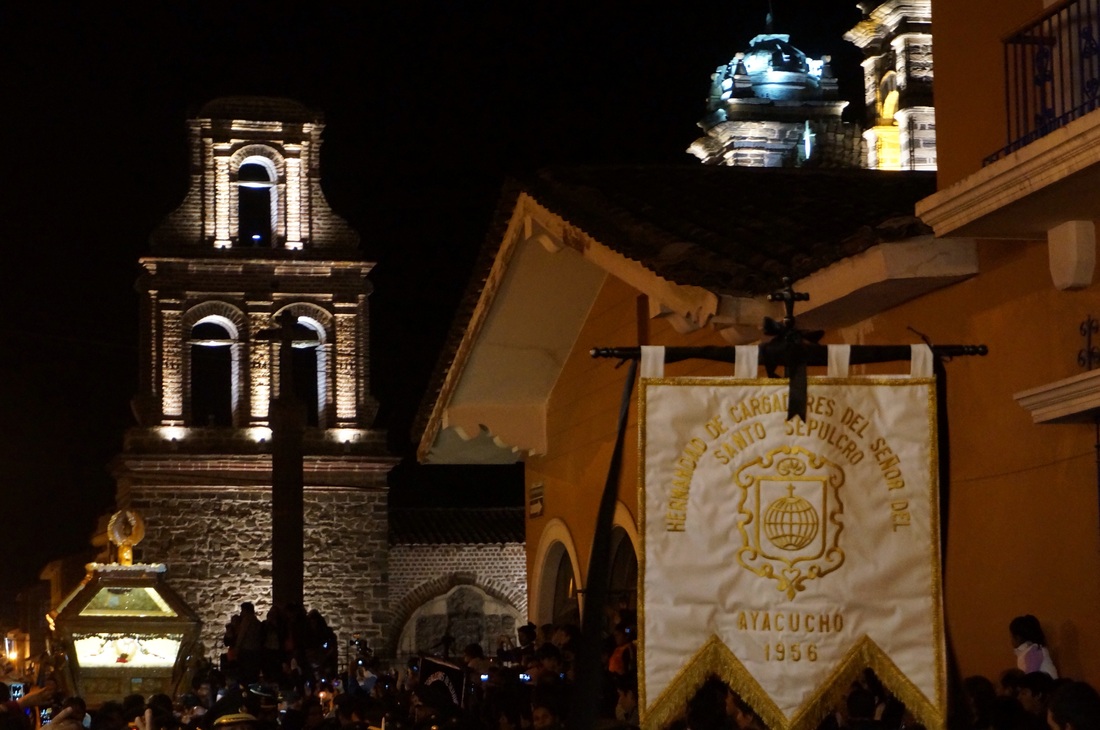
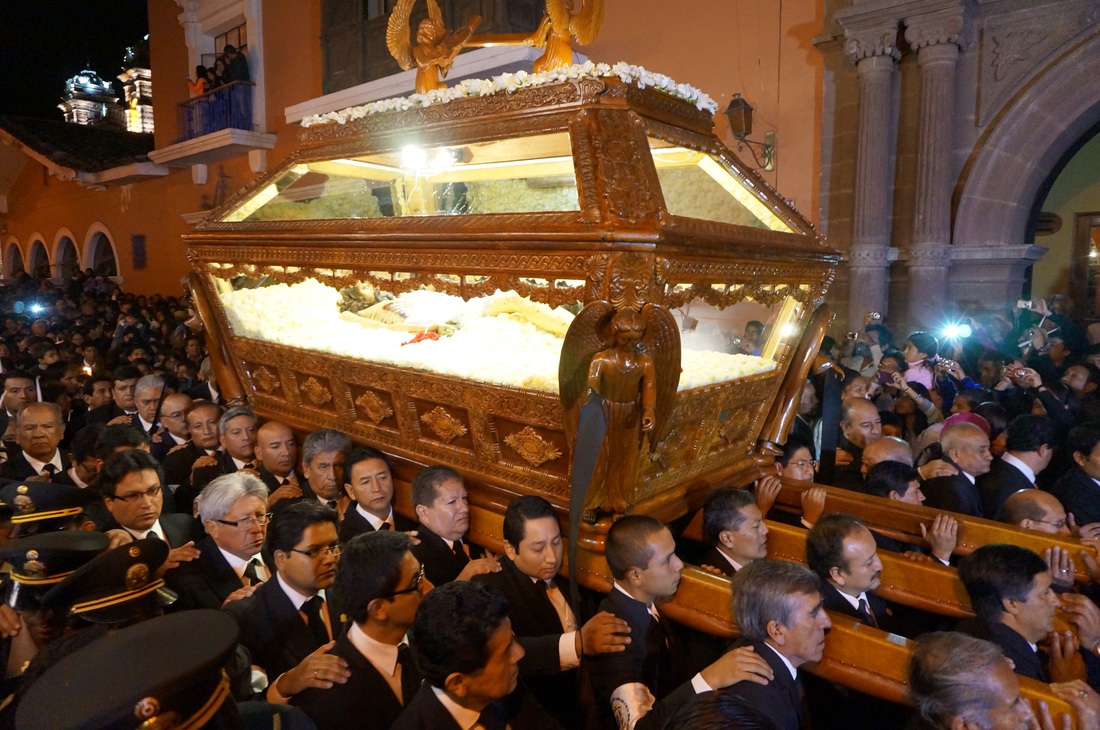
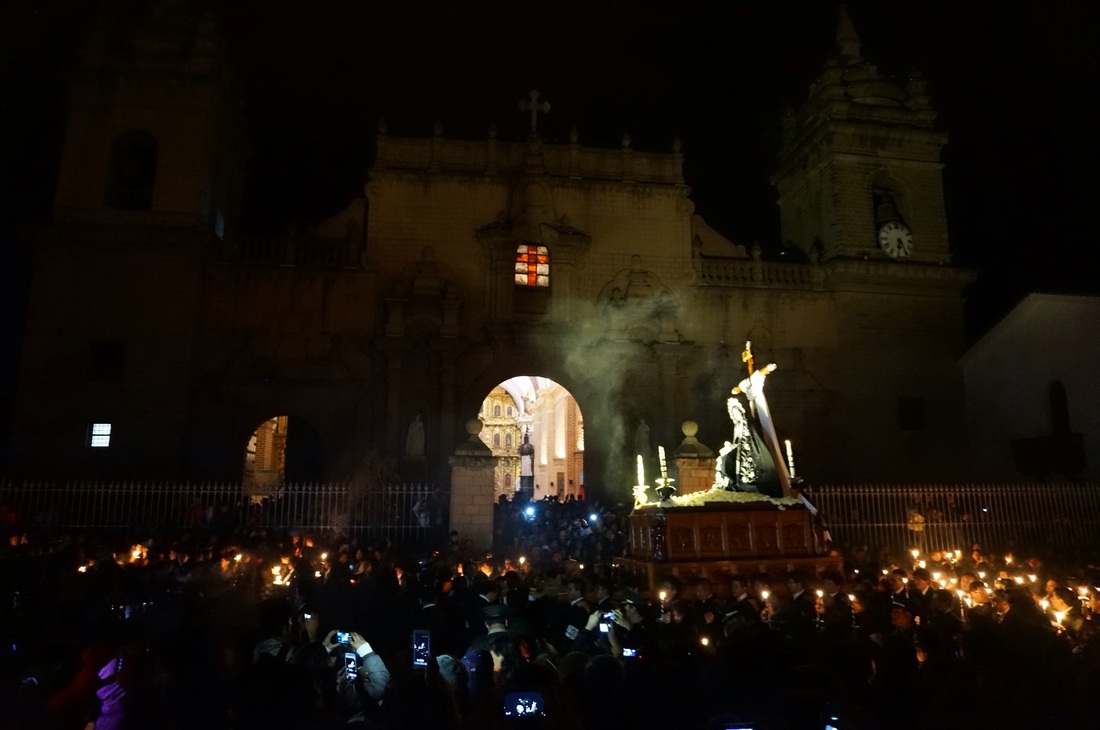
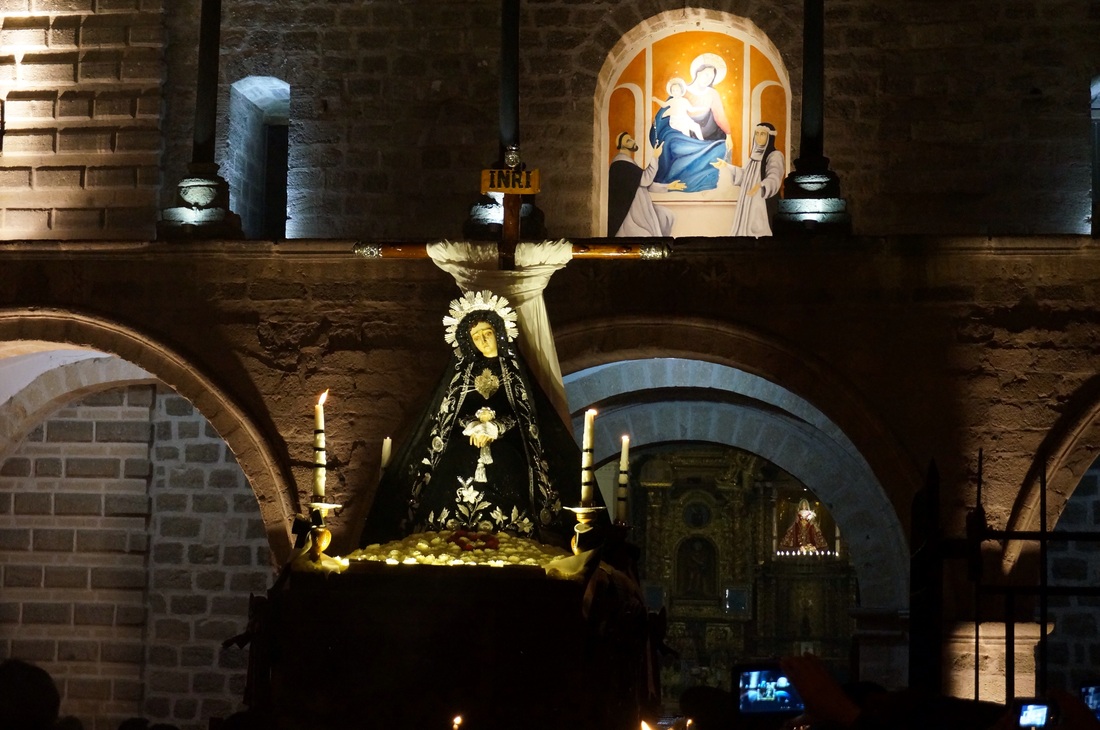
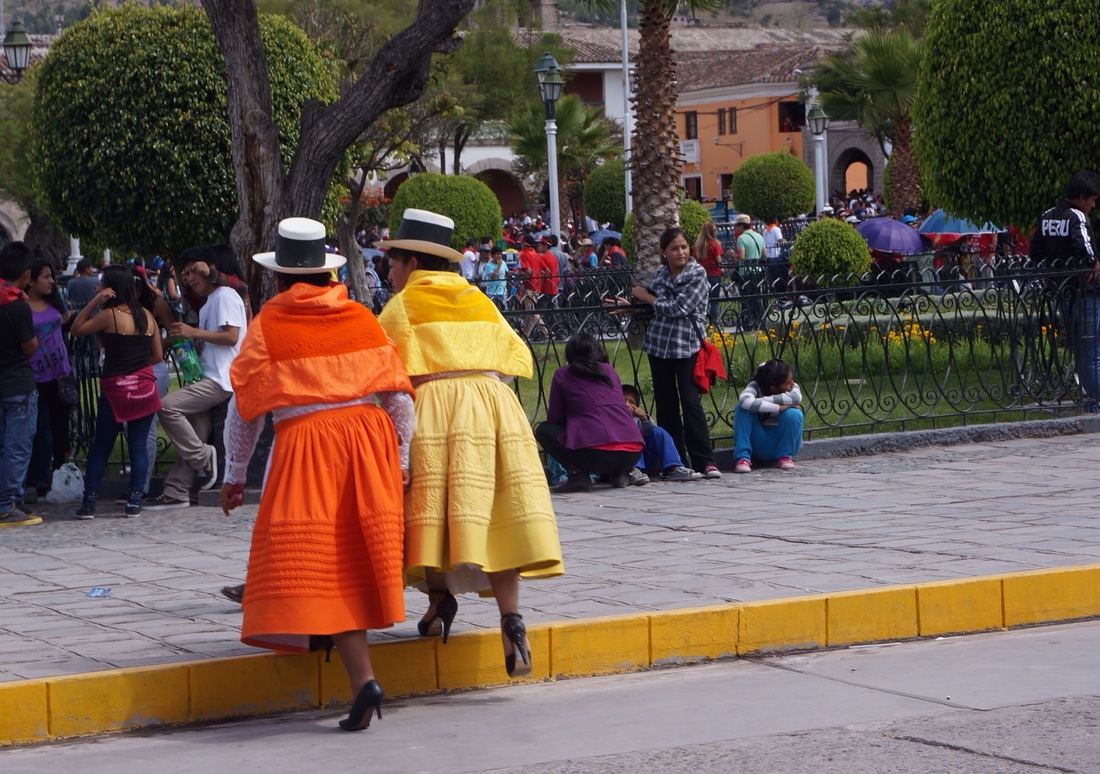
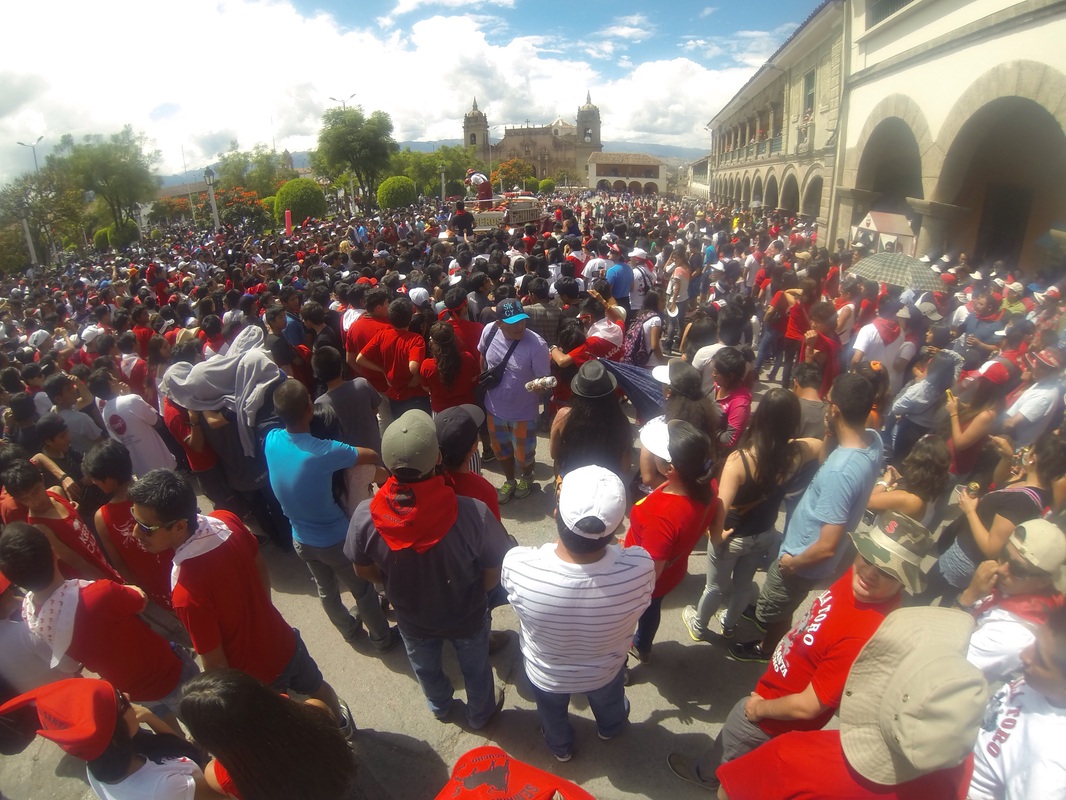
The main event on Good Friday was a procession through the streets of town to mark the stations of the cross. In preparation, locals spent all afternoon constructing beautiful religious street art, predominately using colored salt. Once completed, this served as a form of red carpet for the procession that night.
Picture
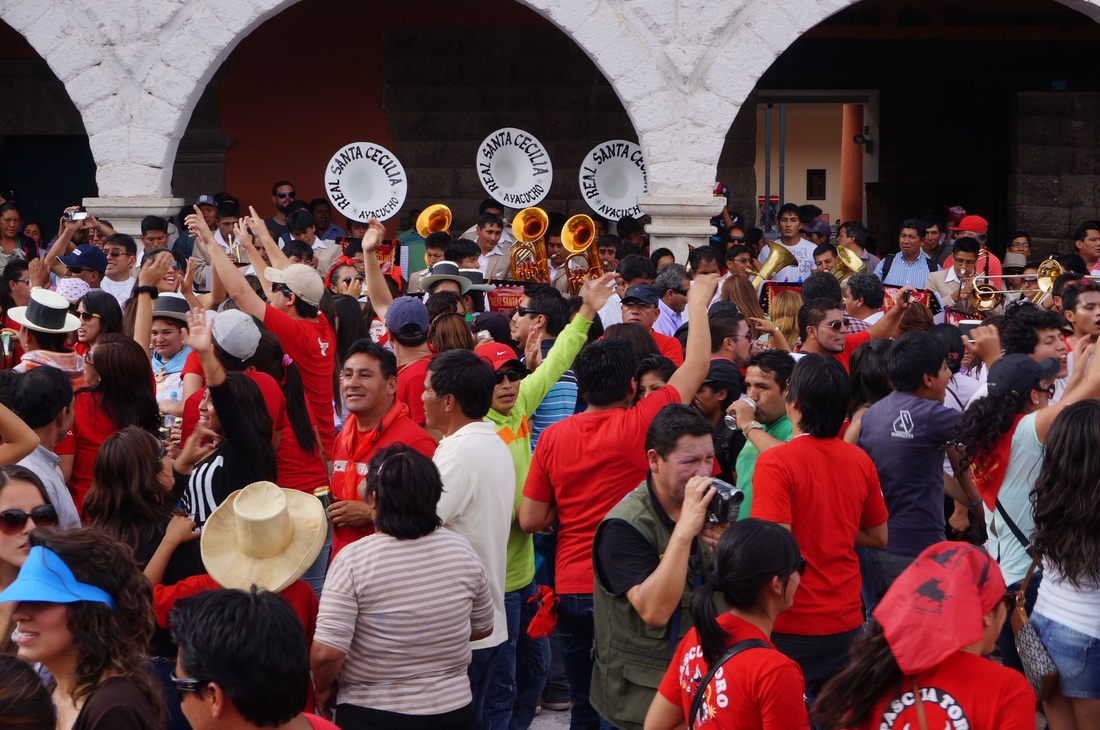
The crowds witnessing the procession were huge and at one stage, when some ambitious and wide-elbowed locals decided they wanted to push through the crowds to follow the procession, we were a bit worried there'd be a stampede. One advantage of Ayacucho being well off the gringo trail is that Sam was comfortably taller (often two feet taller) than almost everybody around him, so he had no trouble seeing the procession, even after we got pushed a few rows back.
Picture
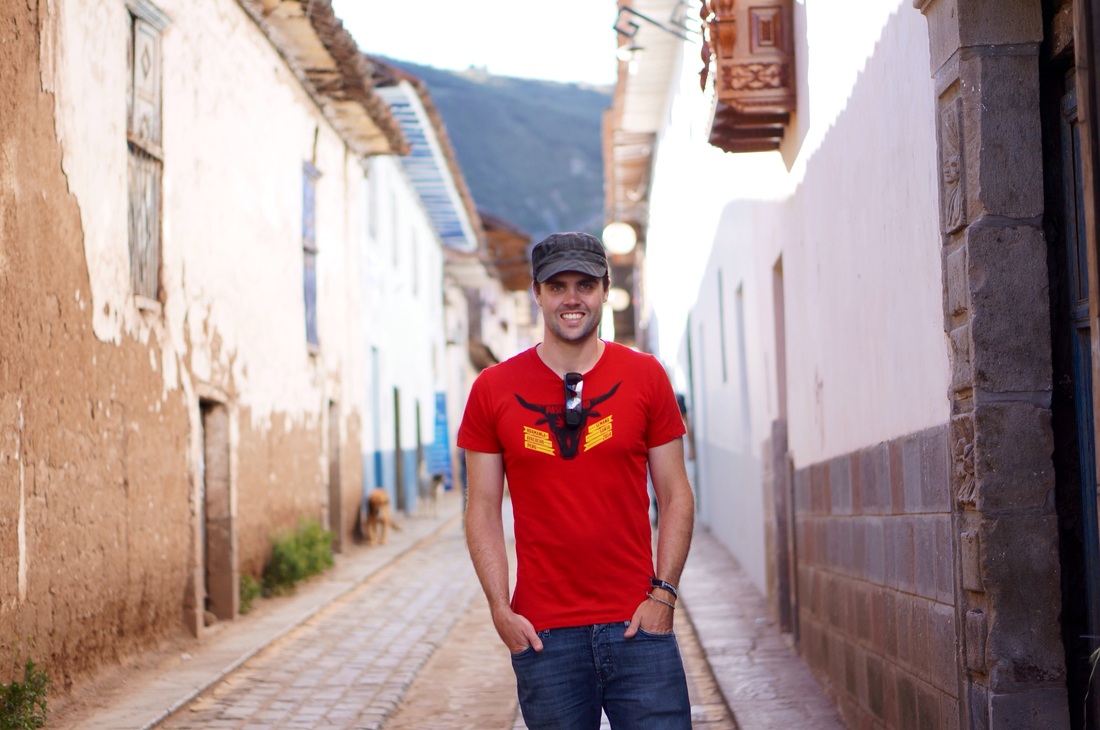
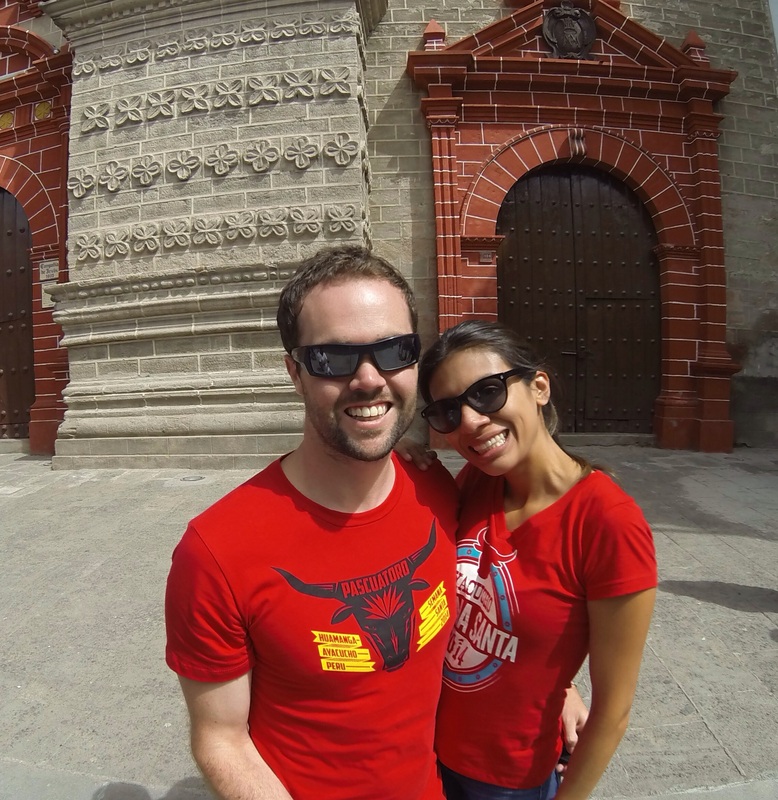
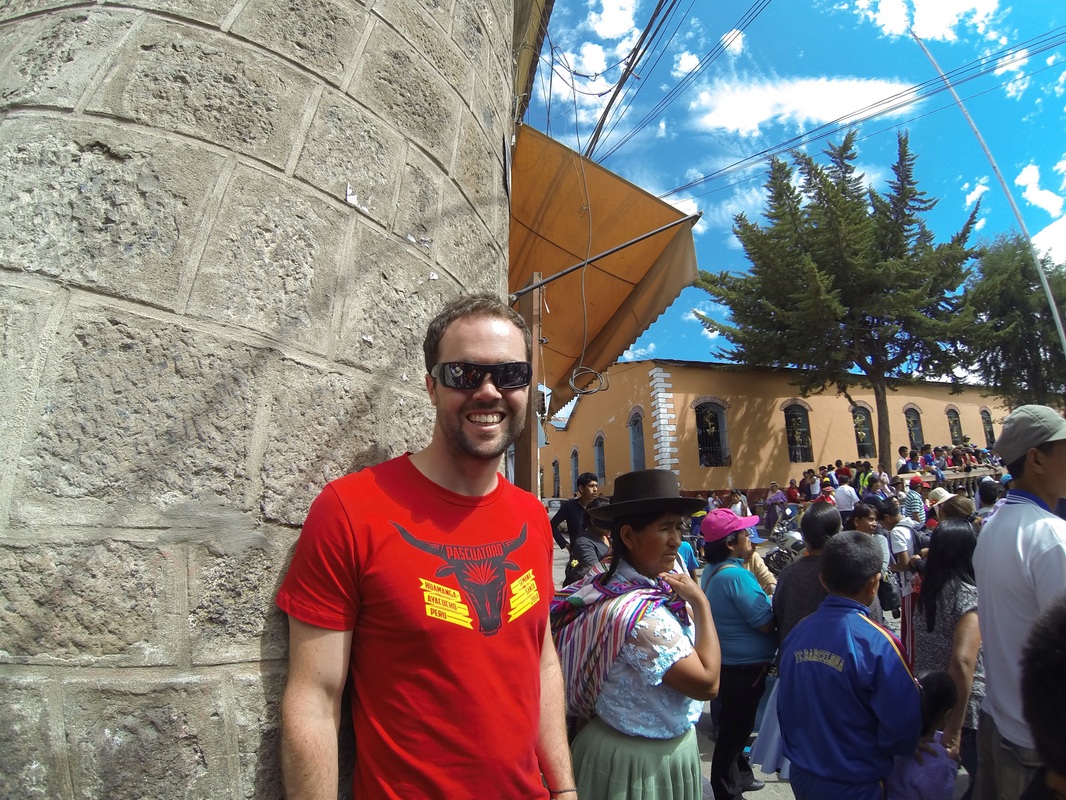
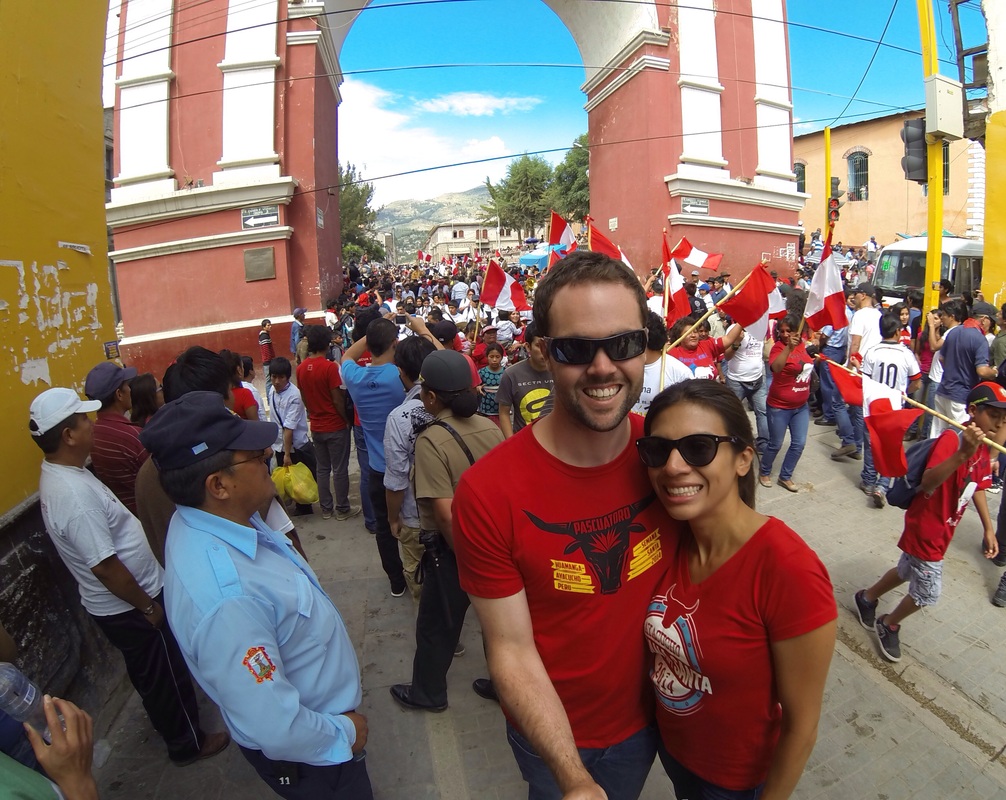
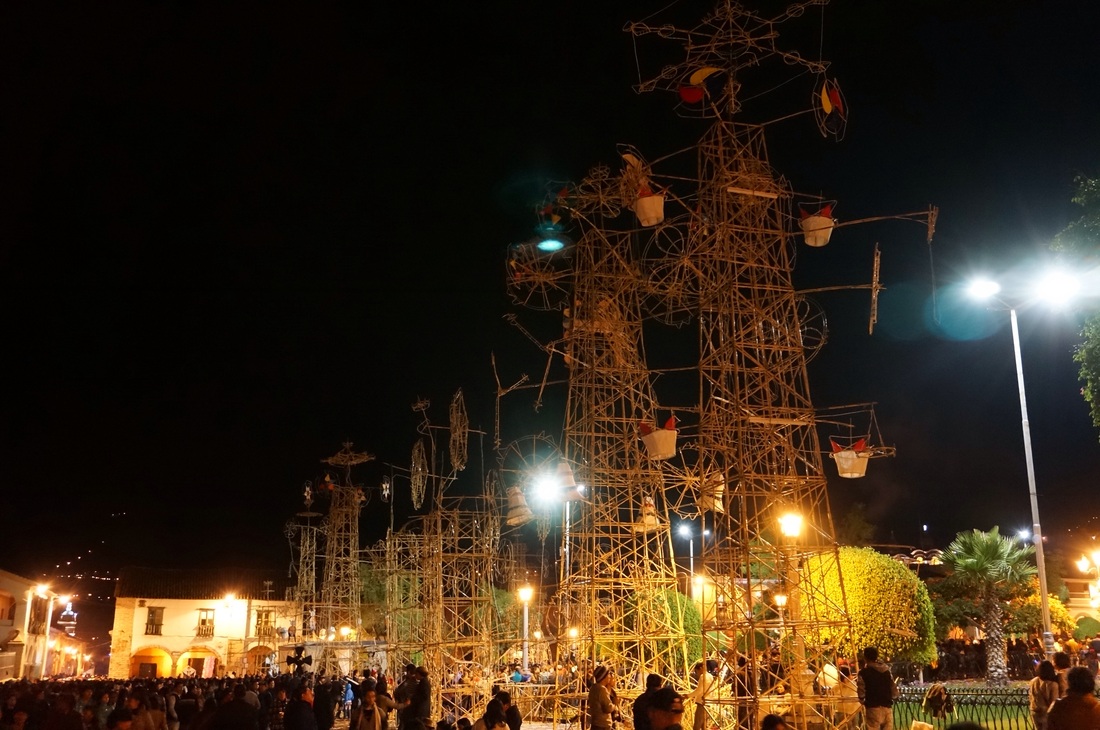
Since we arrived in Ayacucho the streets had been littered with vendors selling red t-shirts depicting angry bulls. On Saturday morning thousands of people (including us) donned the uniform of the day to witness Ayacucho's version of Pamplona's running of the bulls. This version, we're happy to report, is much less dangerous, as bulls are let out one at a time and organizers at least attempt to keep the bulls on a leash. Even so, it was good fun to watch (from a safe distance).

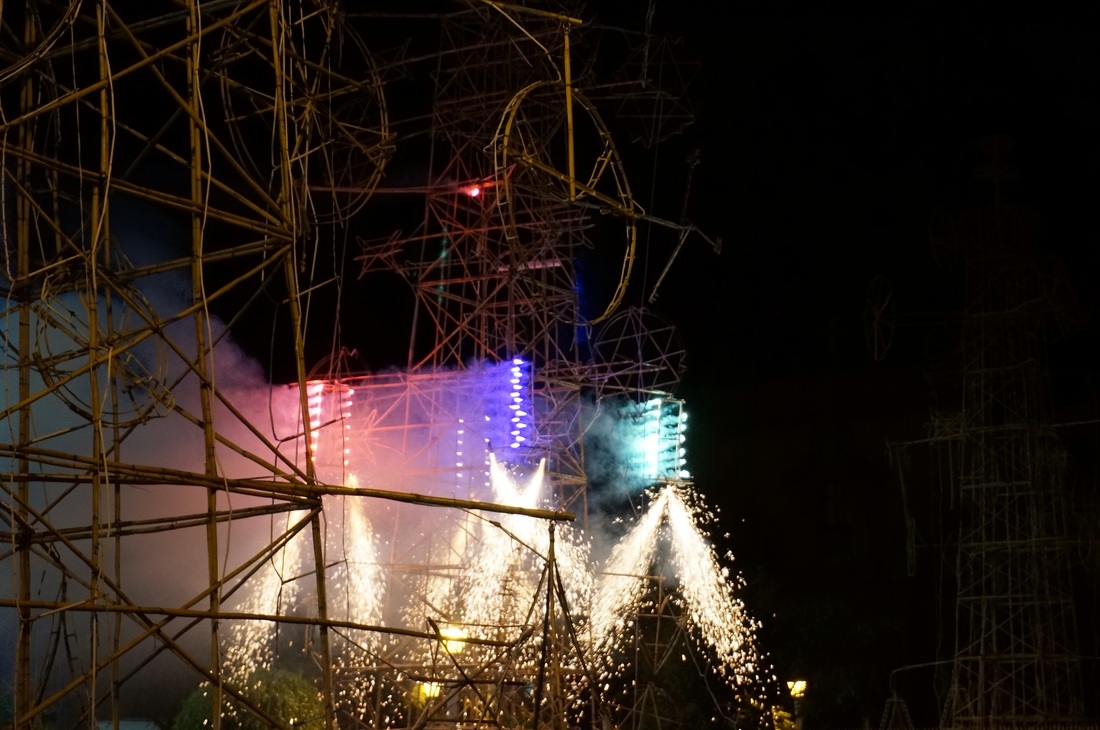
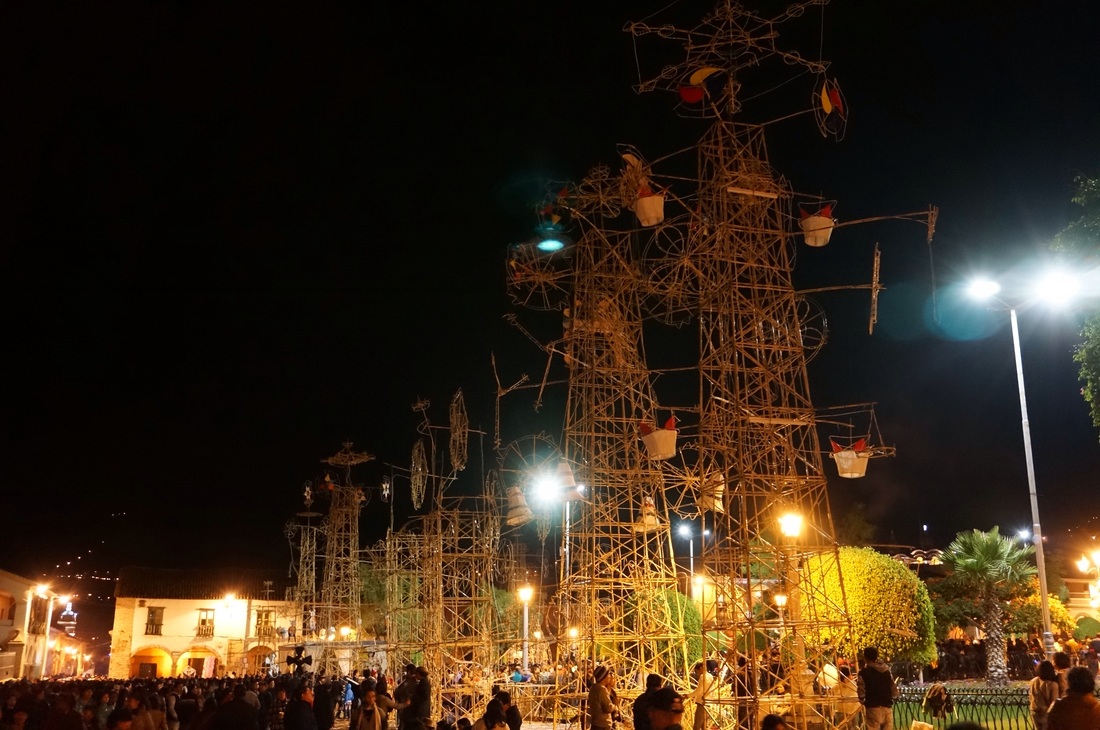
The festivities concluded early on Sunday morning with fireworks running from midnight to 5am to mark the resurrection of Jesus.

Easter Sunday allowed us an opportunity to tour an increasingly quiet downtown before catching our overnight bus back to Lima. Although Ayacucho doesn't feature in many tourist guide books, we really enjoyed being able to join in the unique semana santa festivities and would recommend that others touring South America around that time of the year give it serious consideration.
5 Comments

    Where are we?

    Browse by country

    All
    Argentina
    Bolivia
    Brazil
    Cambodia
    Chile
    Colombia
    Costa Rica
    Ecuador
    El Salvador
    Guatemala
    India
    Malaysia
    Myanmar
    Nepal
    Nicaragua
    Panama
    Peru
    Sri Lanka
    Thailand
    Uruguay


Proudly powered by Weebly