Backpacks, Buses & Burpees
  • Blog
  • About us
  • Contact

Taj Mahal

12/15/2014

1 Comment

 
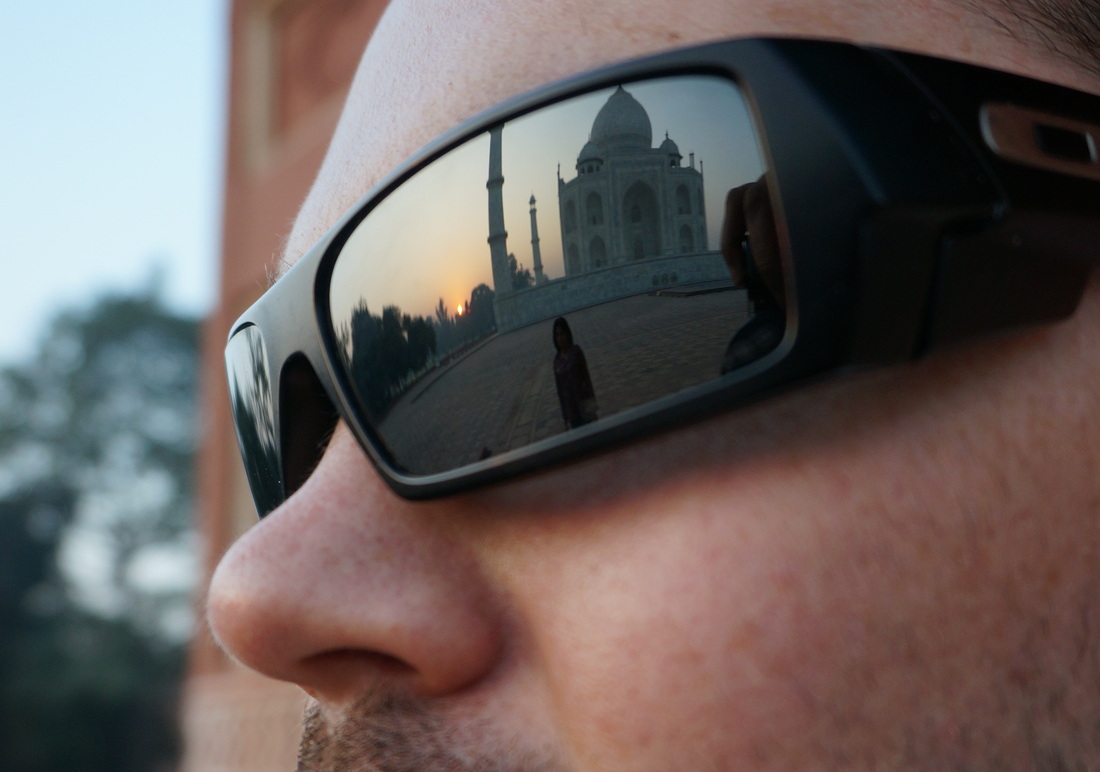
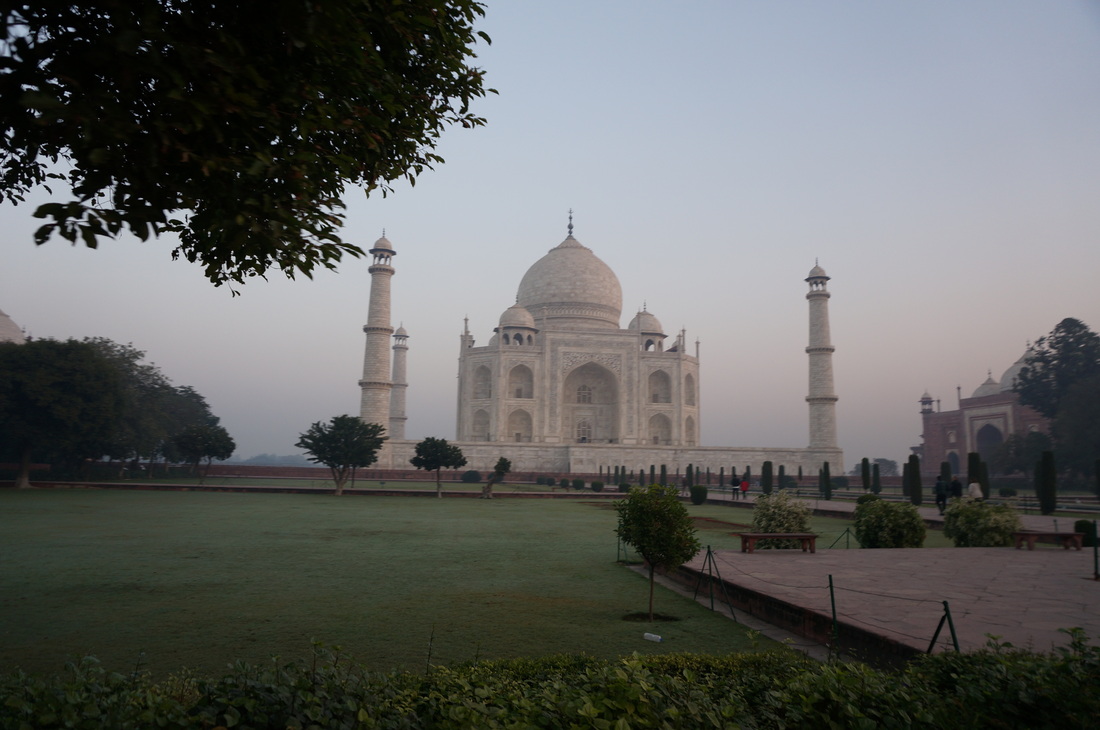
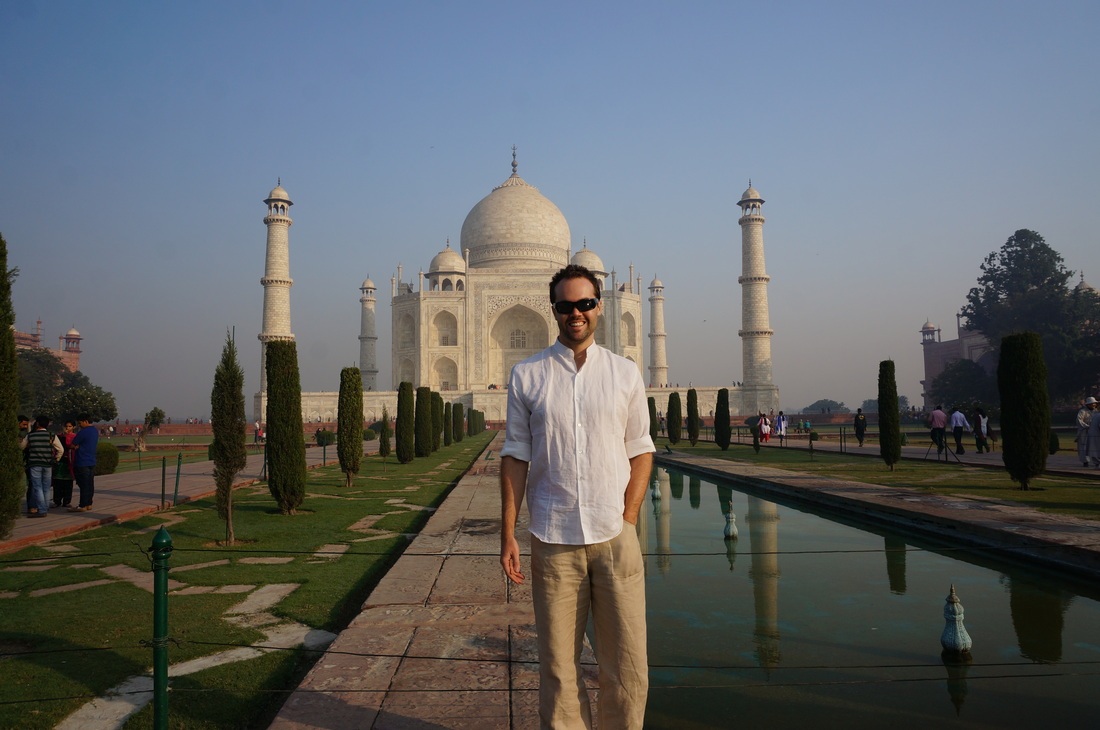
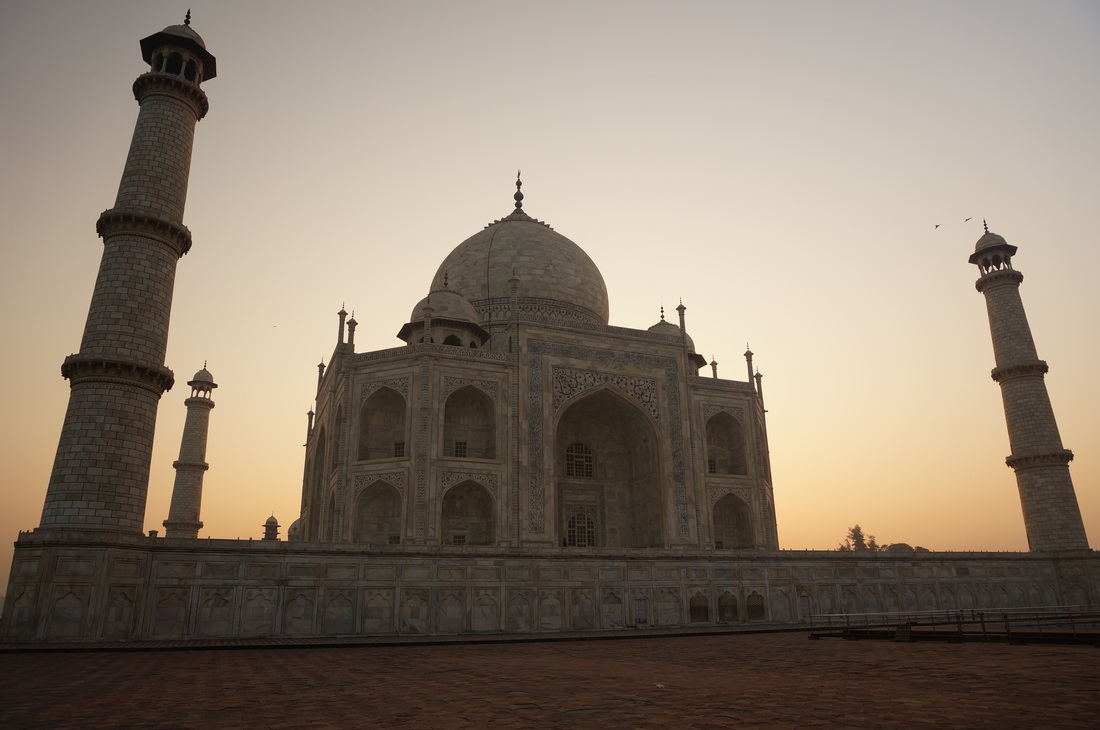
We saved India’s most famous attraction for our last week in the country. Most people know at least a little about the Taj Mahal and why the deserving wonder of the world was built. If you don’t know the story, you should look it up (somewhere else). In this post we just want to deal with two things. Firstly, we want to say that, yes, it is every bit as amazing as it is made out to be, and yes, if you haven’t been there you absolutely need to go.
Picture
We want to dedicate the rest of this post to those of you who haven’t been but want to, sharing our tips on how to make the most of the experience and get the best photos.
Picture
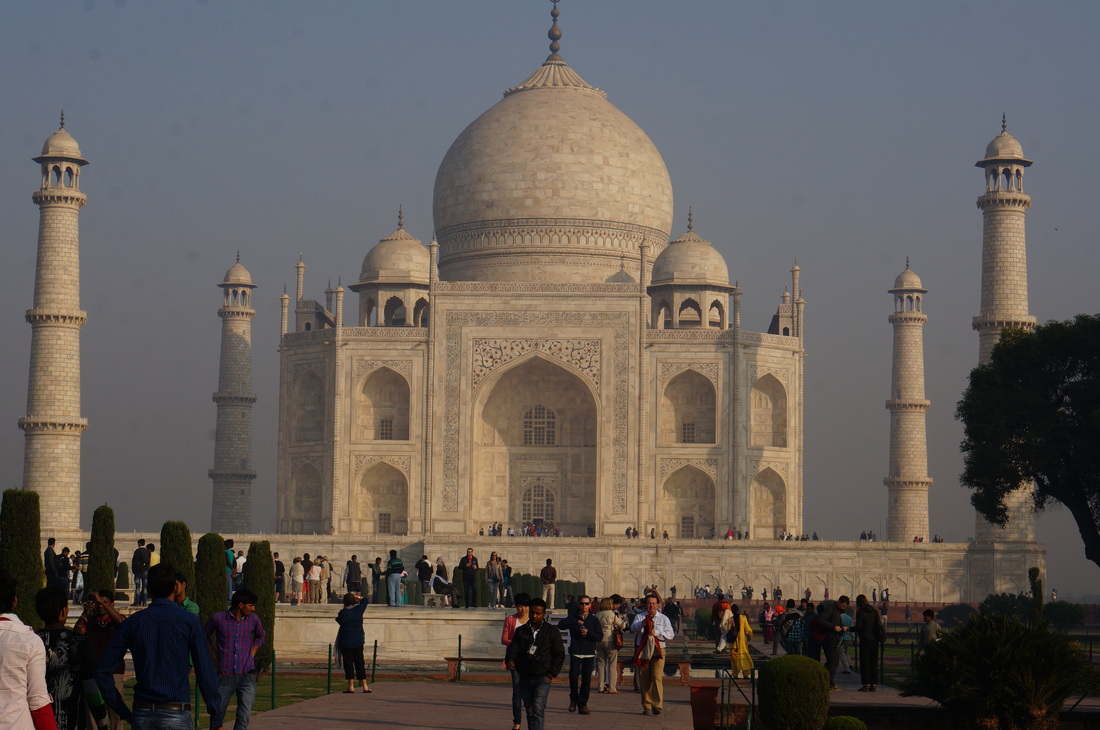
The Taj Mahal is the biggest attraction in a country that will within a decade be the most populous in the world. Predictably, then, it gets crowded, with 50,000 people moving through the place very day. Most visitors are Indians, who pay only 1.5% of the foreigner fee and seem to visit mostly in the afternoon when it is most crowded (we found Indians are generally used to, and not bothered by, crowds). Foreigners in the know who are eager to beat the crowds queue up to be among the first let in at sunrise.
Picture
With that in mind, we’d suggest you follow these steps:

  • Wake up early enough to make sure you’re waiting at the ticket office near the east gate at least fifteen minutes before the office opens (opening time varies depending on the season).
  • Hopefully you’ll be towards the front of the queue when you get there. If not, and if there is a female in your group, look for a women only ticket counter (there’ll most likely not be anyone queuing there as western tourists are not used to sex-separated lines). Hopefully this means you’ll be among the first to get your tickets.
  • As soon as you have your tickets, quickly pick up your included shoe covers and water bottle and run outside to grab the first tuk-tuk or golf cart you can get. Don’t waste time with protracted negotiations; just tell the driver you’ll pay 100 rupees to get to the east gate (exorbitant given the distance but worth it given the urgency).
  • When you get to the east gate you’ll need to line up in sex-separated queues. Ideally, you’re not bringing anything that will attract the delaying attention of bureaucratic security staff (like a tripod or monopod) and you don’t have a backpack. If you couldn’t resist bringing a bag and you’re part of a mixed sex crowd, give the bag to the person in the shorter queue so they can deal with the painstaking security inspection while the other person/s catches up.
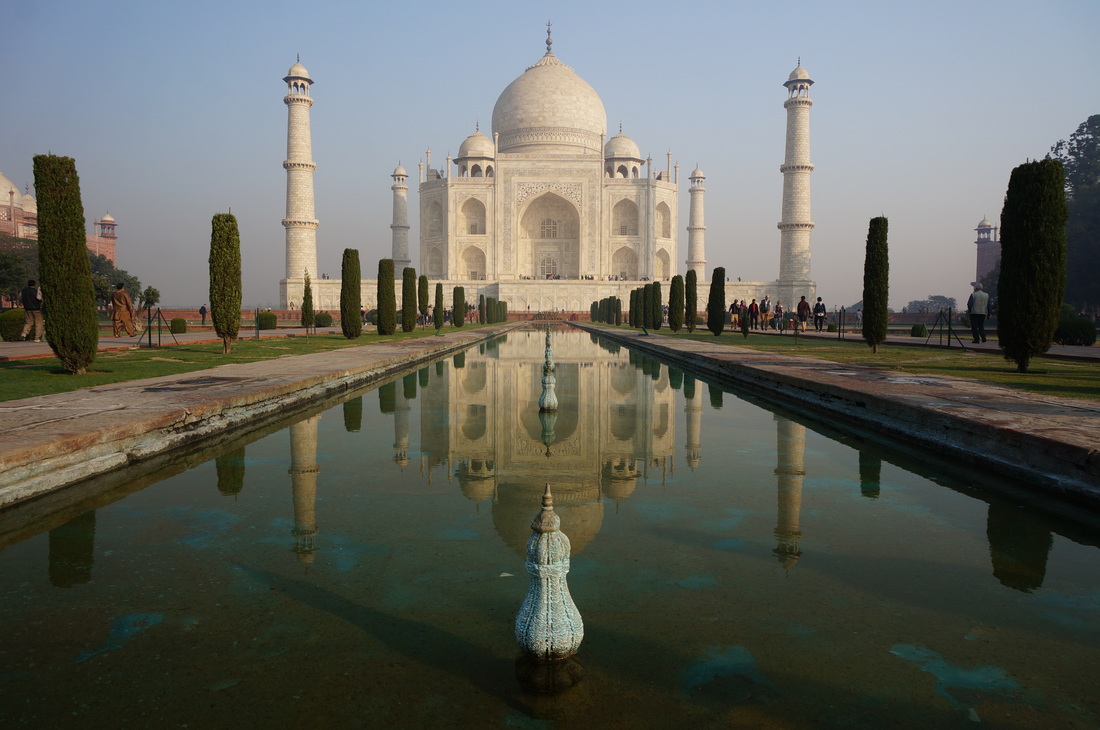
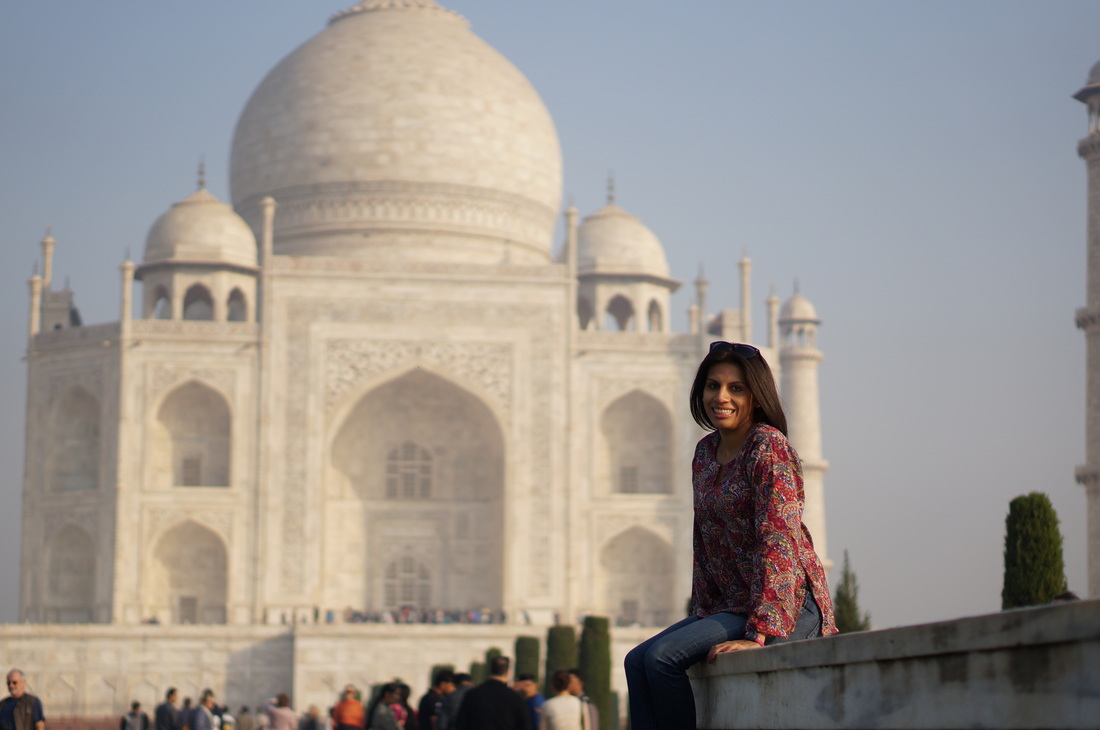
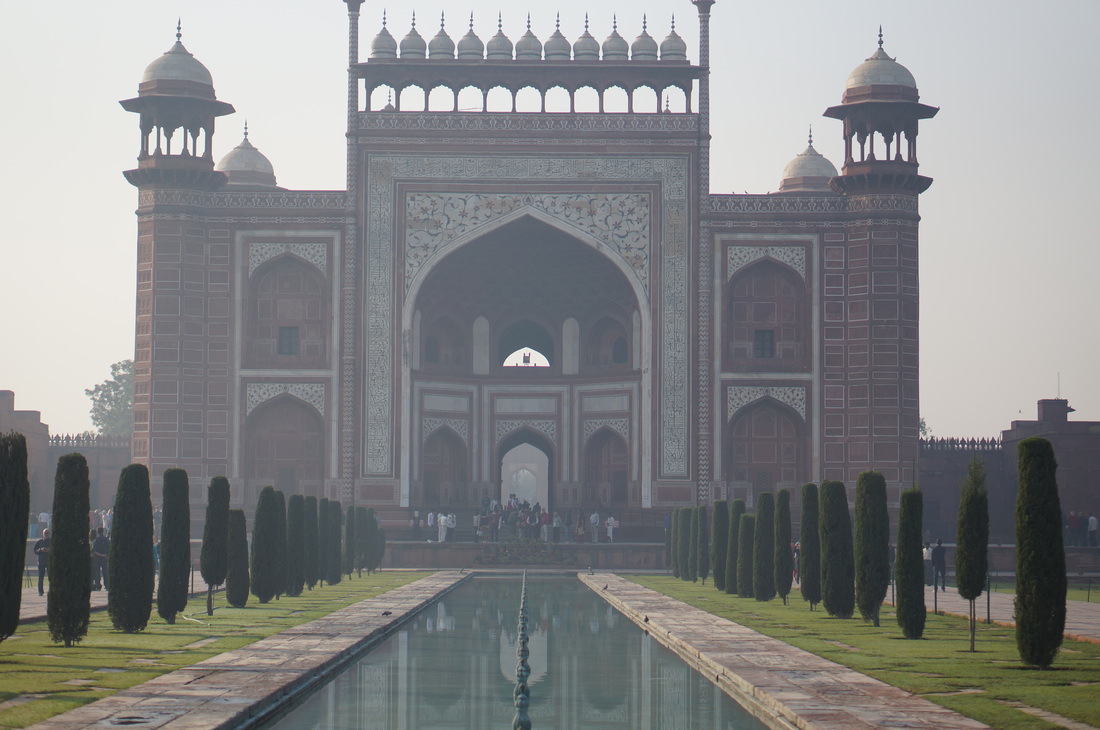
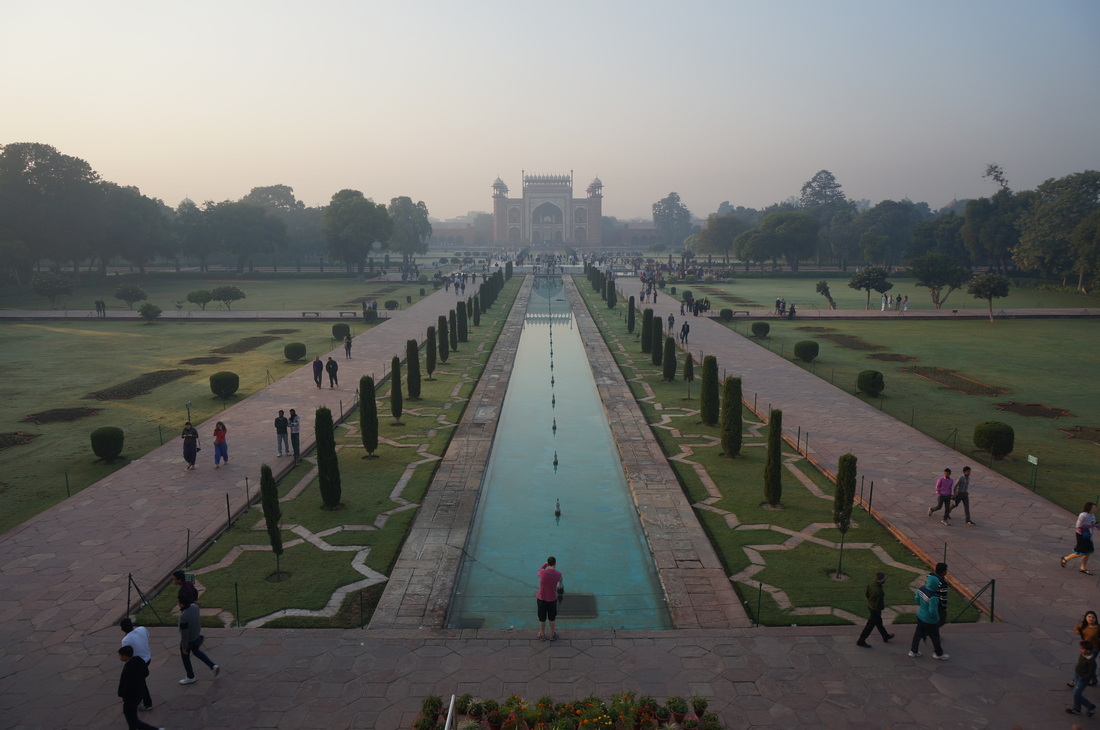
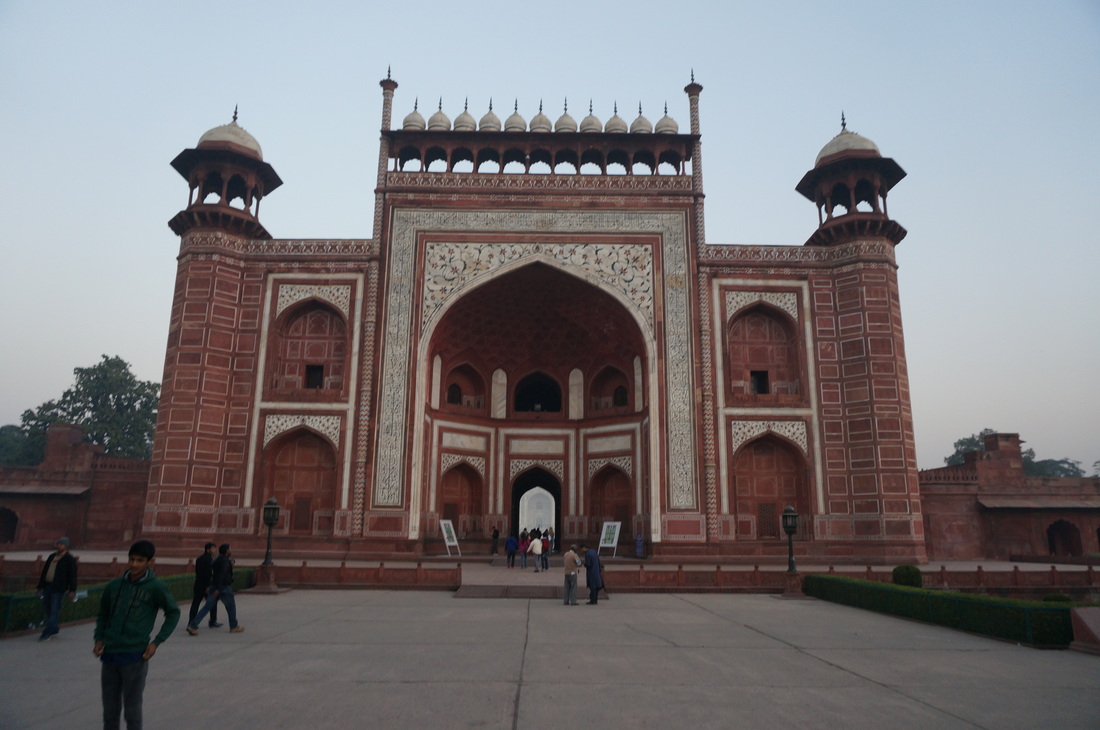
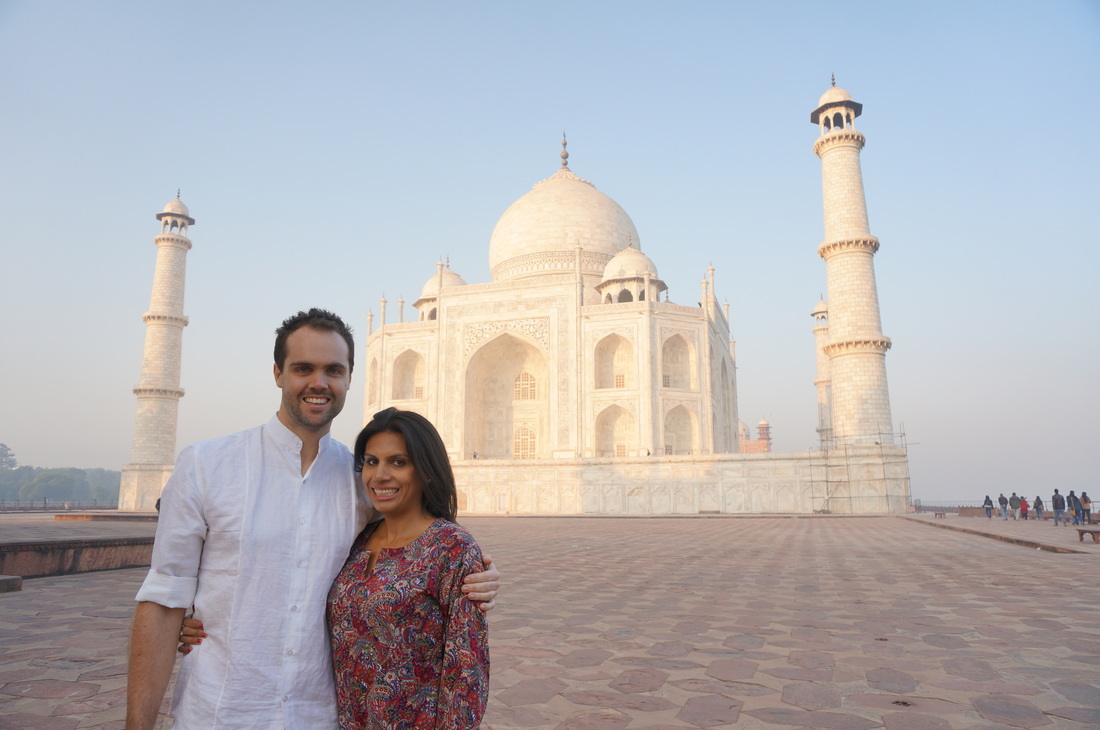
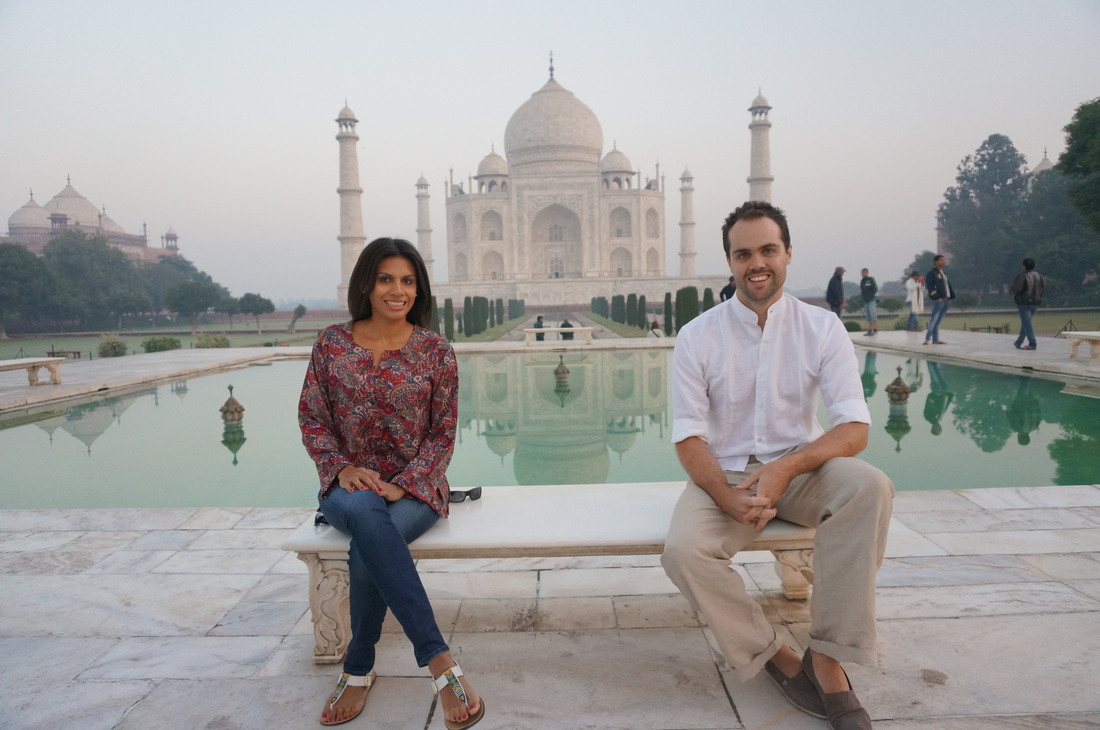
  • Once you get through the gate and clear security, walk as briskly as you can to the wonder. When you reach the impressive gate you’ll get your first view of the beautiful Taj. Almost everybody stops there to take in the view for a good fifteen minutes. Let them! If you resist that urge and keep walking you’ll be 15 minutes ahead of almost everybody else, meaning that you’ll have plenty of time to take the iconic picture sitting by the central pool with the Taj, and a minimal amount of people, in the background.
  • There will most likely be guides at the marble seat offering their services. Even if you don’t feel like you need overly detailed commentary in broken english, think about hiring one as a photographer who can take lots of shots of your whole group.
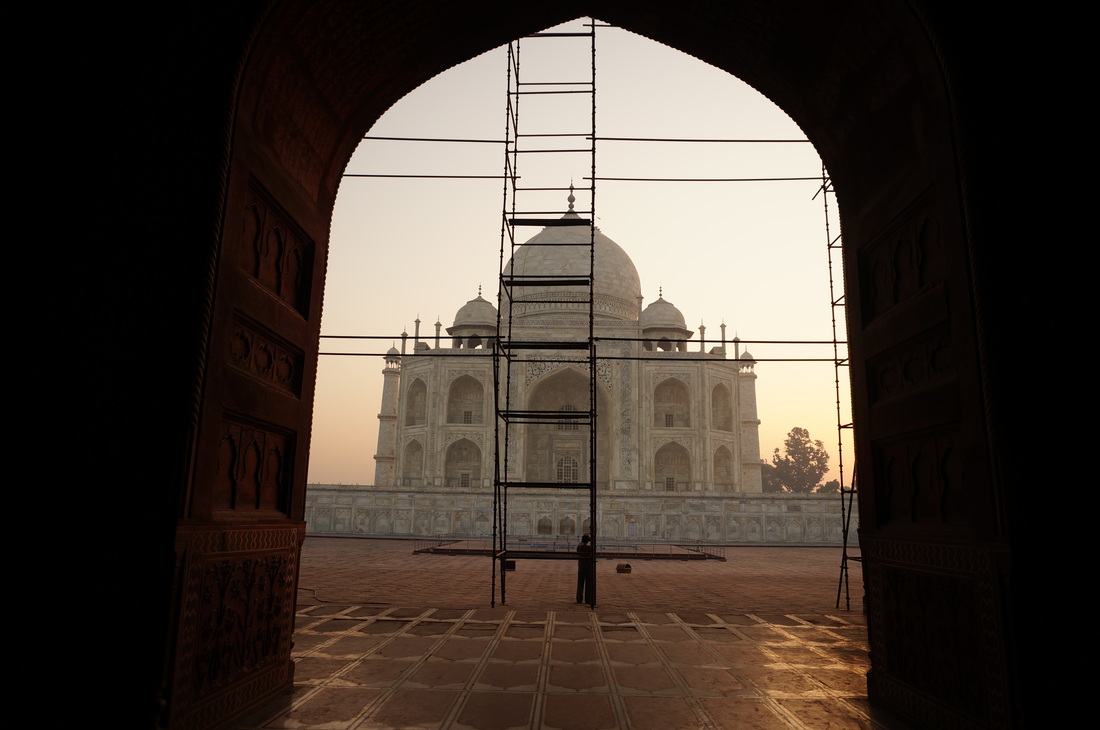
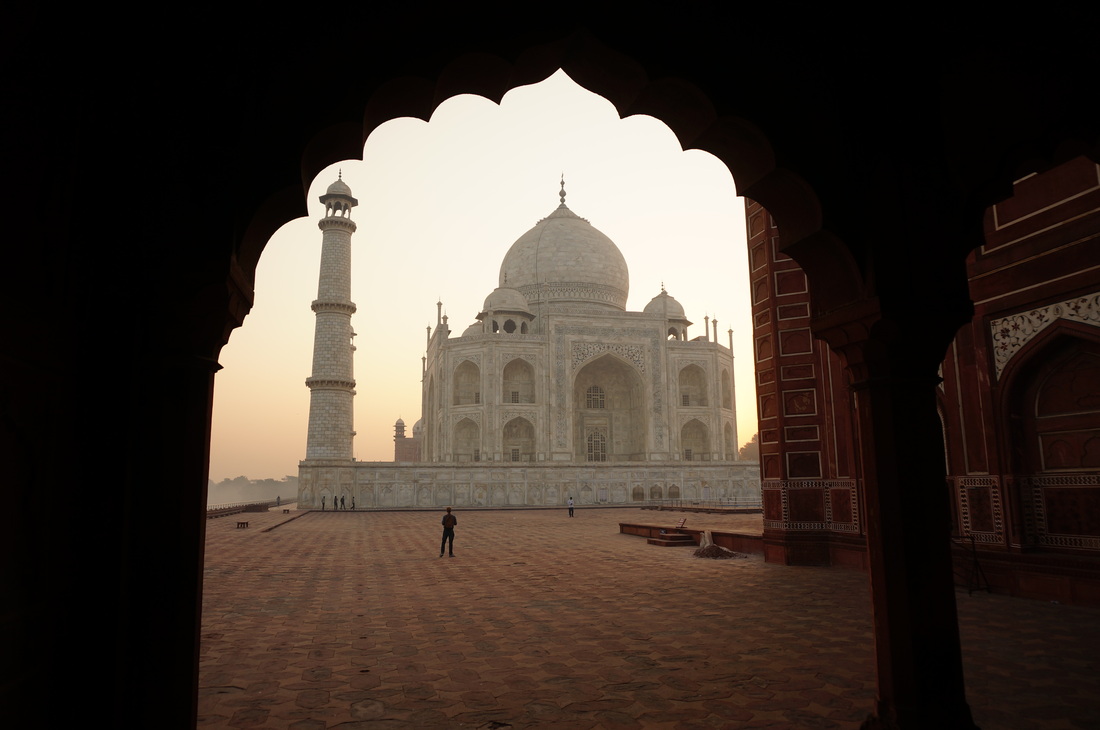
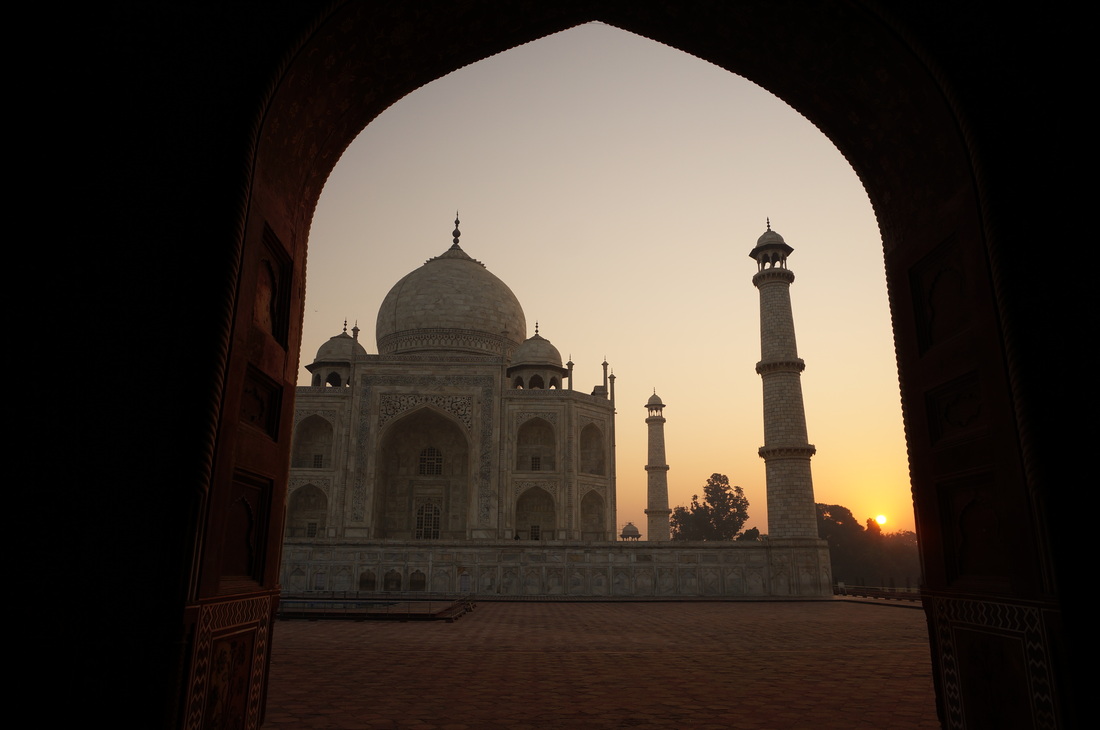
  •  After you have your perfect seated shot, continue on to the mosque to the left of the Taj, where you’ll be able to take photos of the rising sun and the Taj itself in the one frame (an even more artistic shot also uses the arches of the mosque to frame the picture).
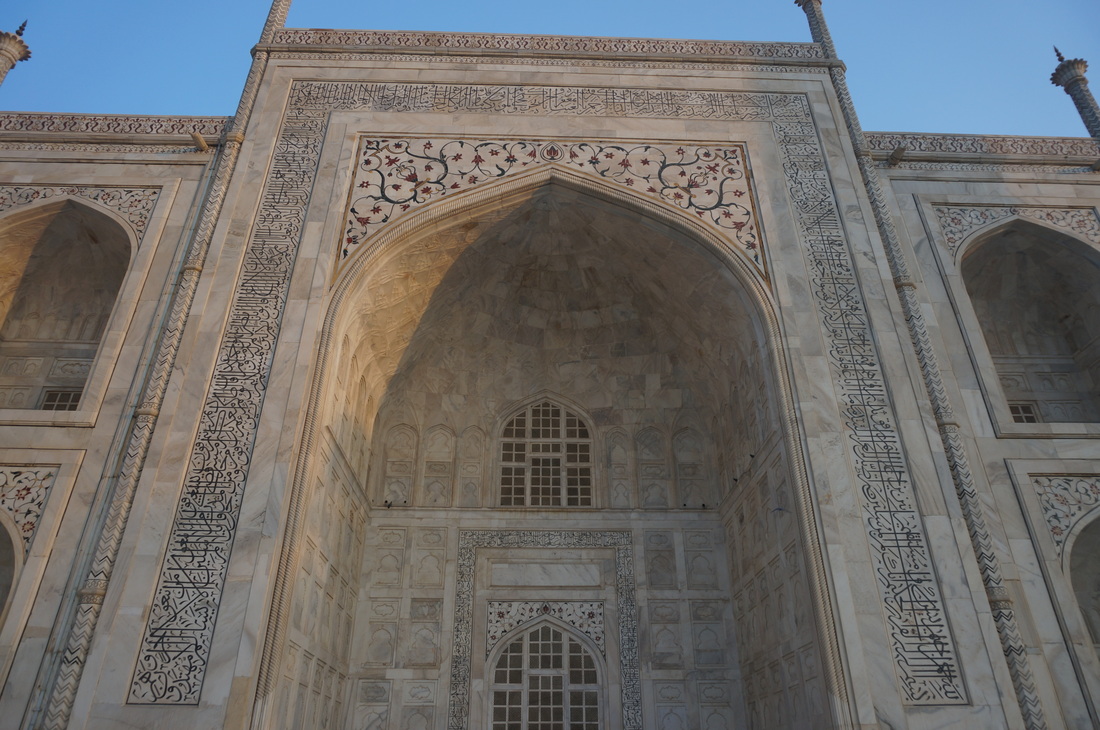
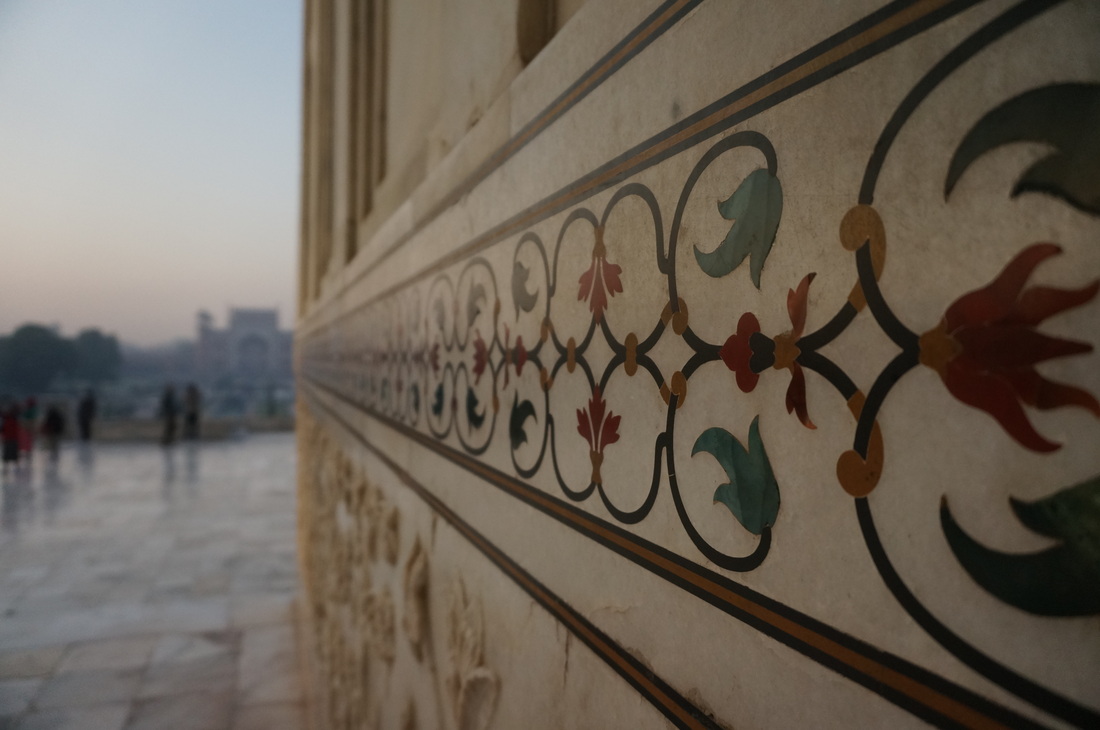
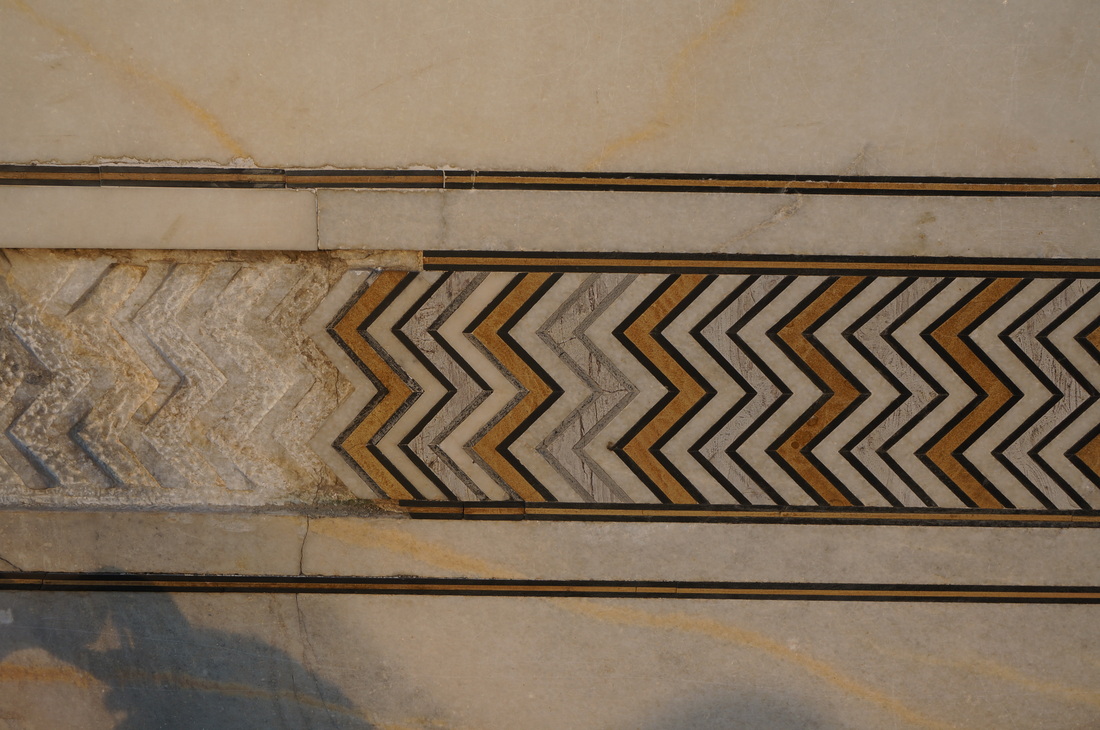
  • Once you’ve wandered through the mosque, continue on to the central tomb of the Taj itself. You should still be among the first people there. Its here that you’ll see that the detail of the Taj’s marble work is perhaps more impressive than the enormity of the Taj itself.
  • Next stop is the guesthouse to the right of the Taj. This directly faces the morning sun and so you’ll see a very white Taj for the first time.
  • From there, we’d suggest you go back to the entrance gate and start again, taking your time. Nobody will kick you out until sunset and even two hours after opening the place is not too crowded, so you should spend as much time there as you like. If you feel the need, go around a third time. The place is so huge and impressive, you’ll no doubt find something new to admire every time you look at it.
  • A lot of people come back to the Taj later on the same day or the next day. This will cost you another 750 rupees each and, if you’ve followed the steps above, is probably unnecessarily since you will have already have had the optimal experience.

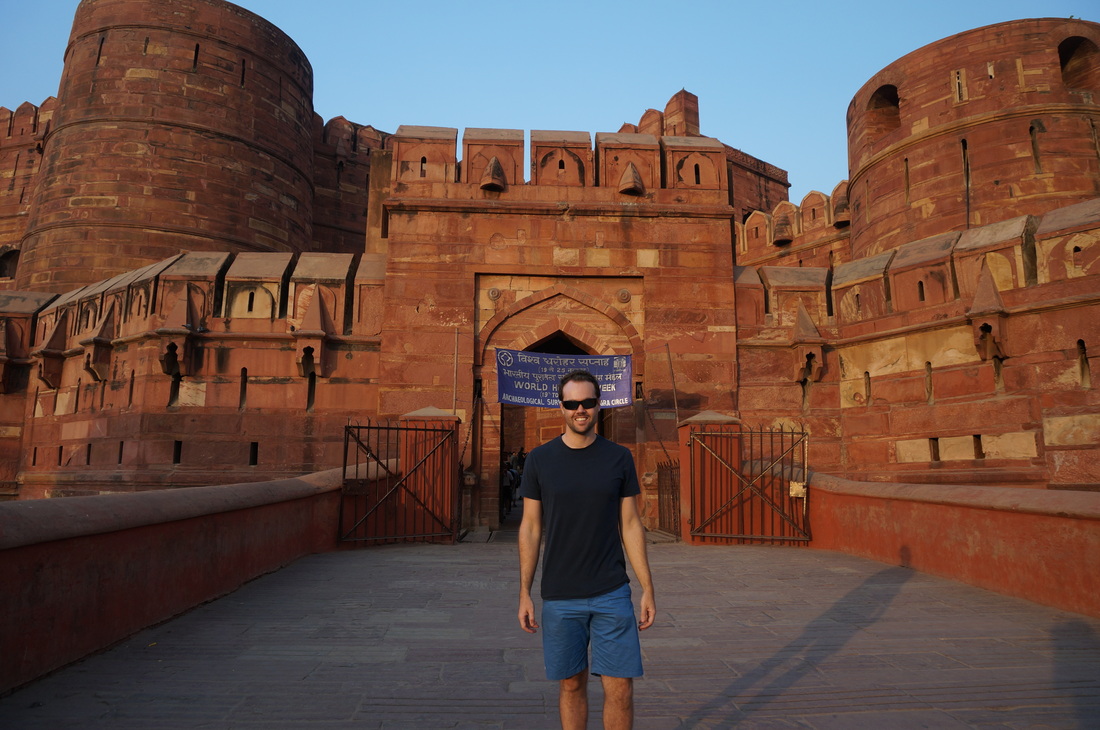
We should mention that while in Agra we visited the other main attraction, the Agra fort. Having seen so many forts in Rajasthan, we weren’t particularly impressed with this one, and a comically bad audio guide only added frustration to the unremarkable experience. In fairness, though, the Taj Mahal was always going to be a tough act to follow, as it really is one of a kind. For that reason, we’ll save the rest of India, including Delhi and Amritsar, for our next post.
Picture
1 Comment

Jaisalmer & Udaipur

12/10/2014

0 Comments

 
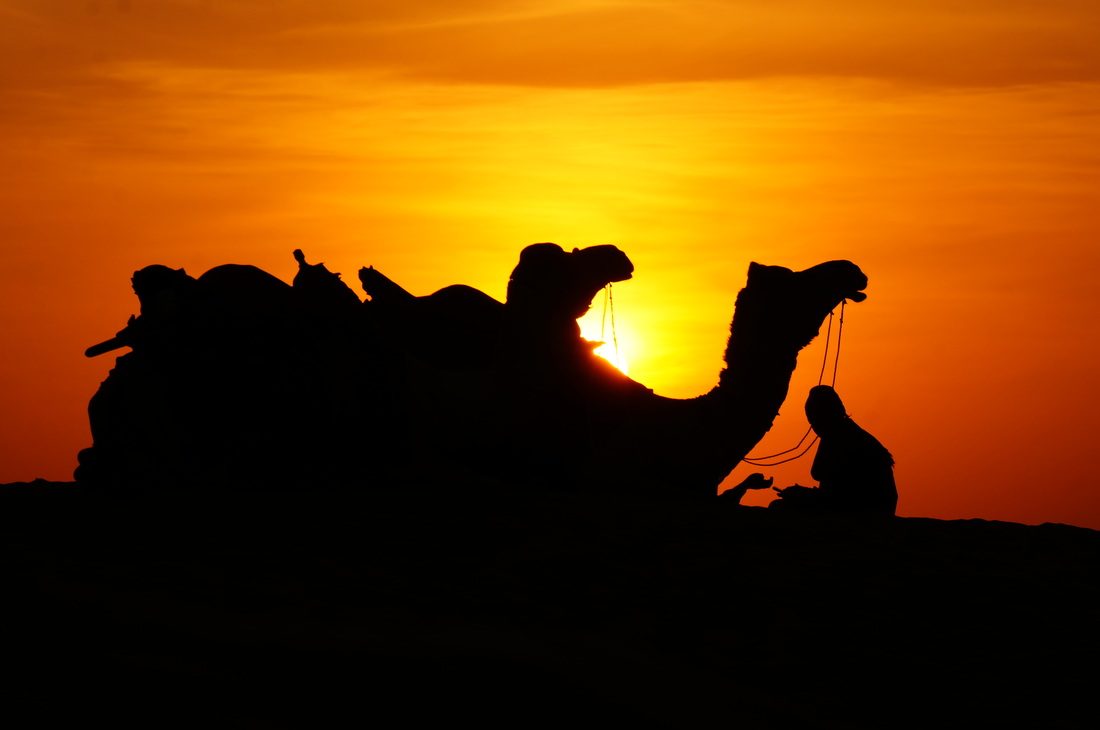
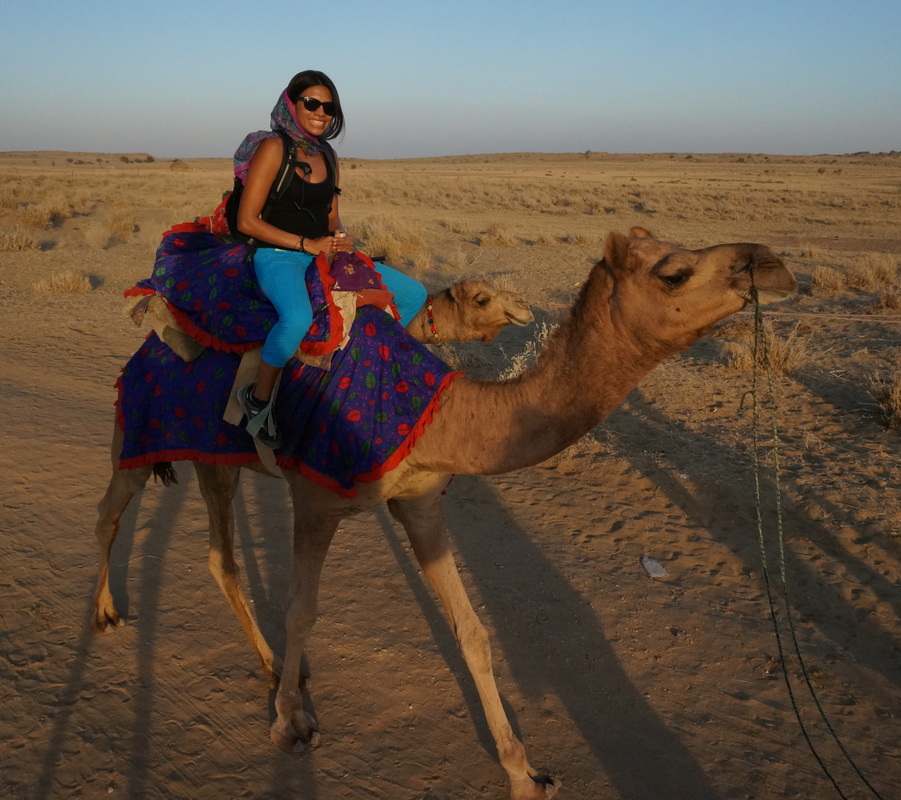
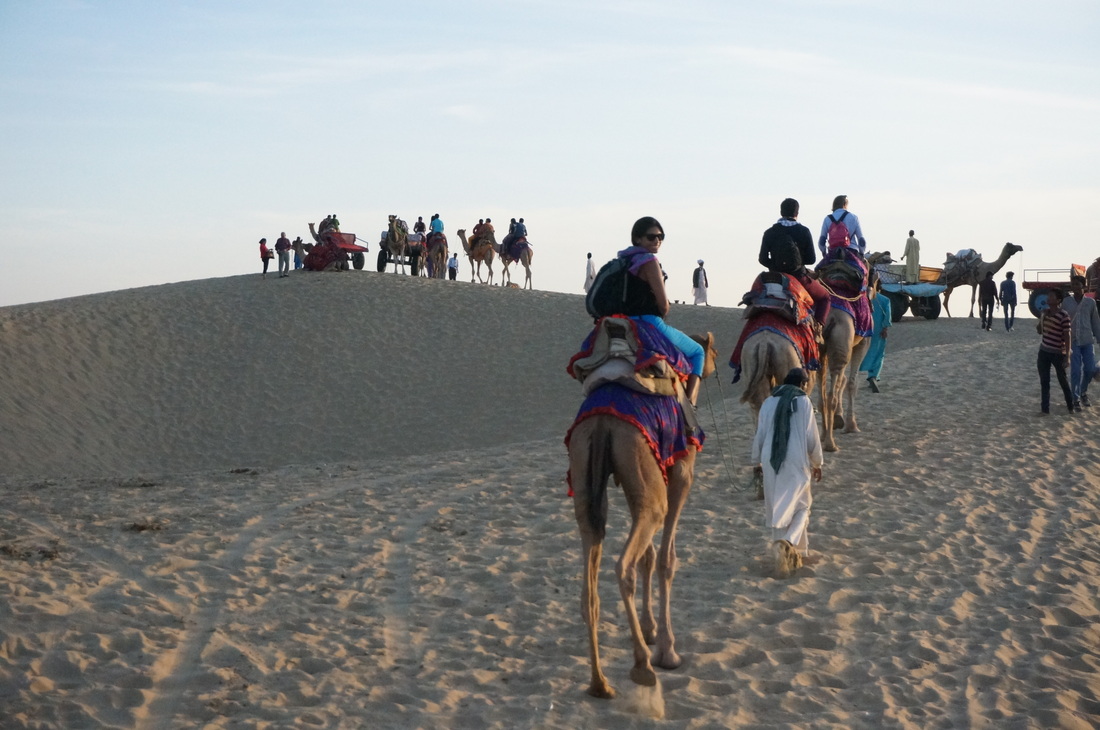
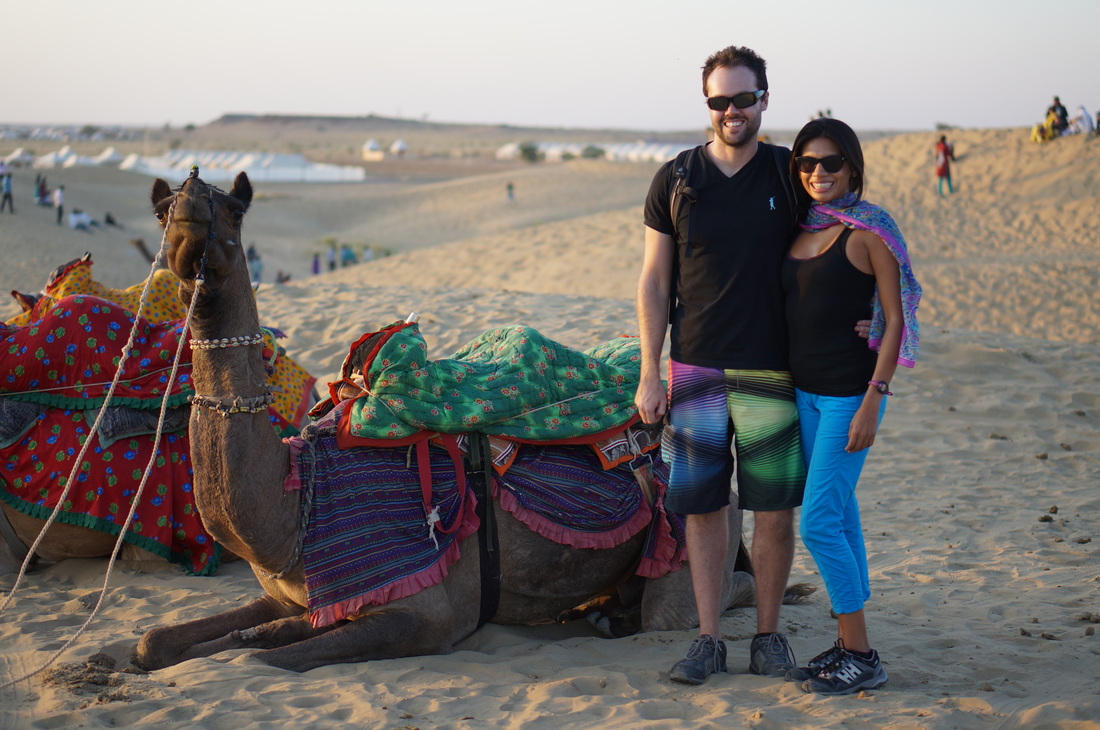
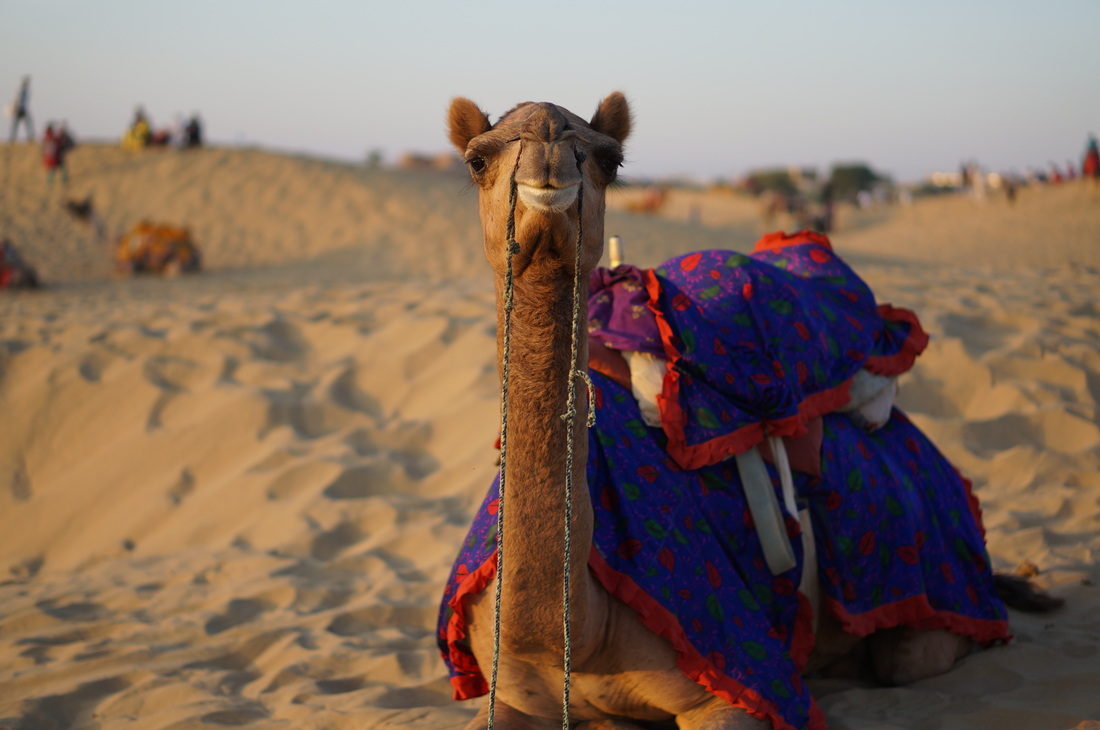
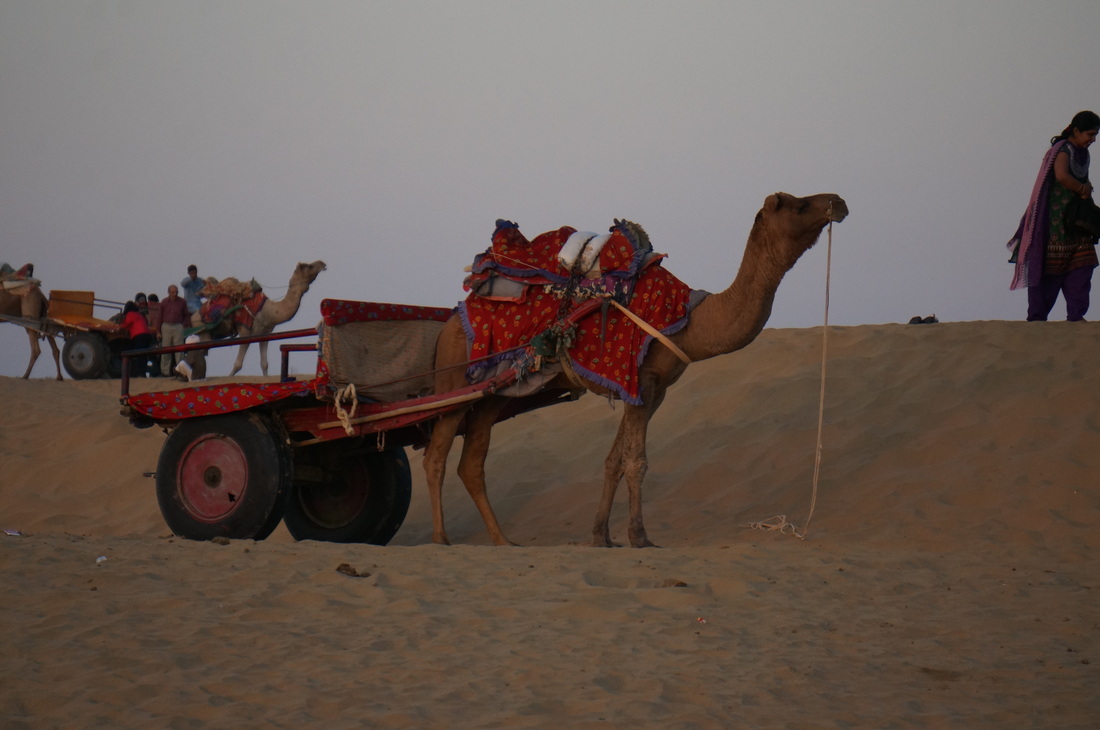
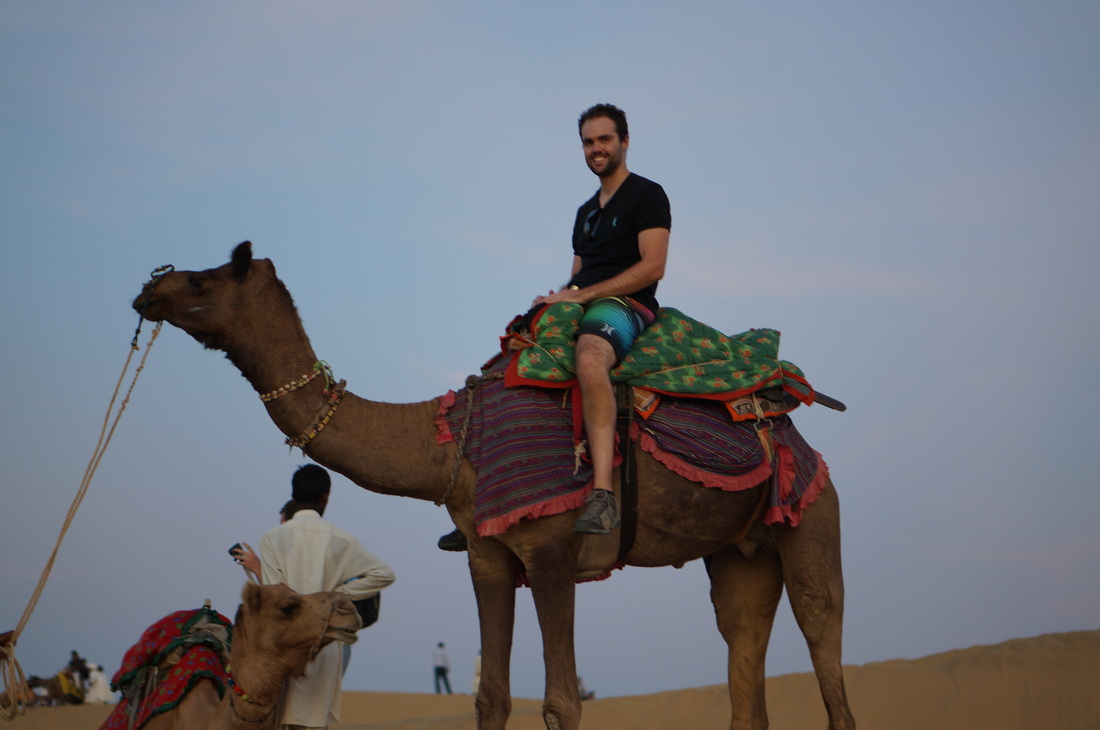
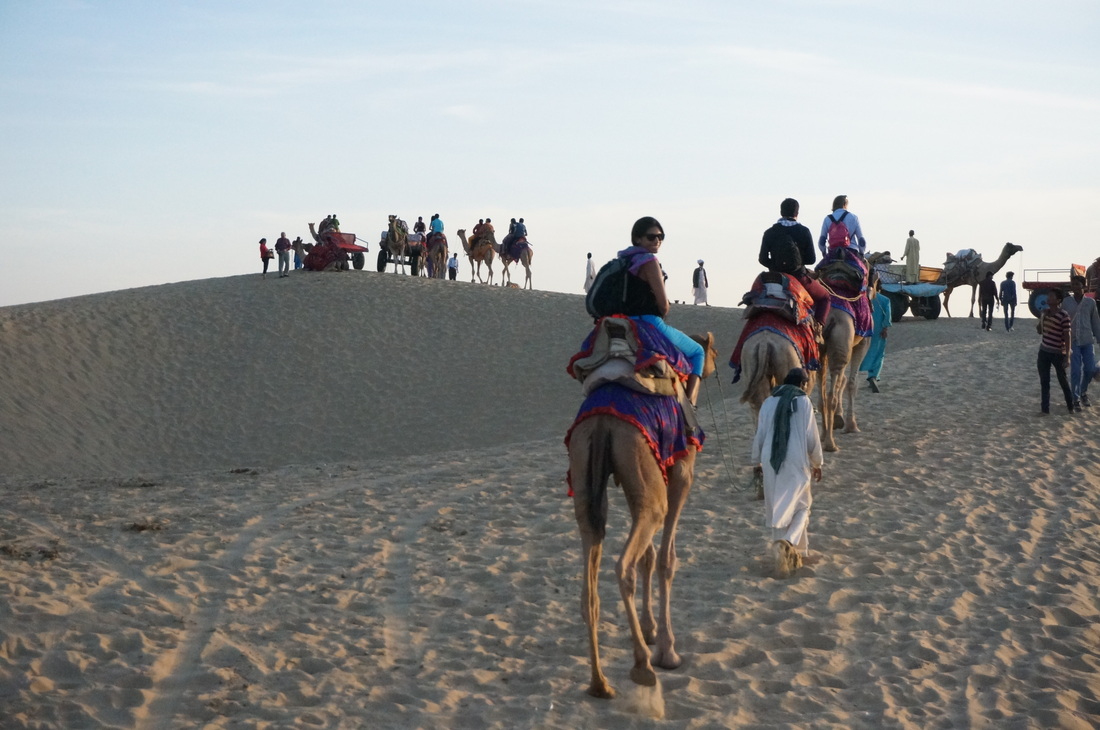
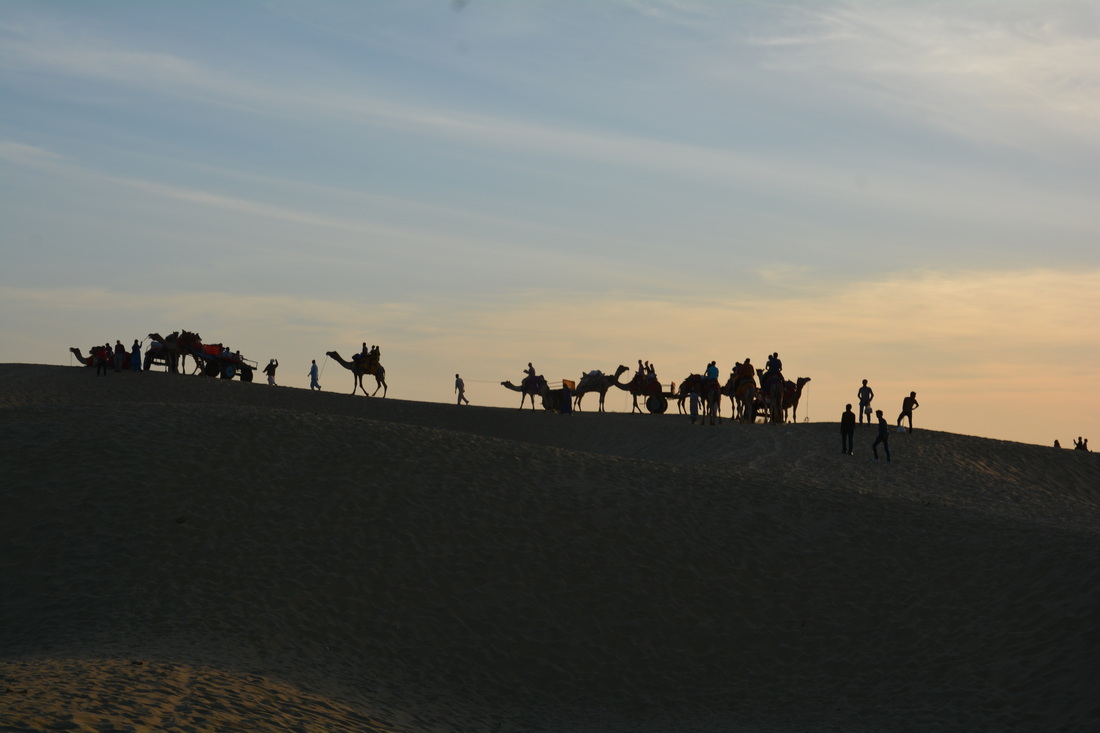
Jaisalmer is a small fort town in the heart of India’s Thar desert that dates back to the 12th century. The town itself is pretty close to the Pakistani border, but soon after arriving we traveled 30kms closer, through a few police checkpoints, to a secluded desert camp. From there, Cindy ticked off yet another item from her bucket list; riding camels over desert sand dunes. Cindy enjoyed the sunset ride so much that we came back for a second helping at sunrise (which, on account of the discomfort involved, Sam decided would be the last time he ever gets on a camel).
Picture
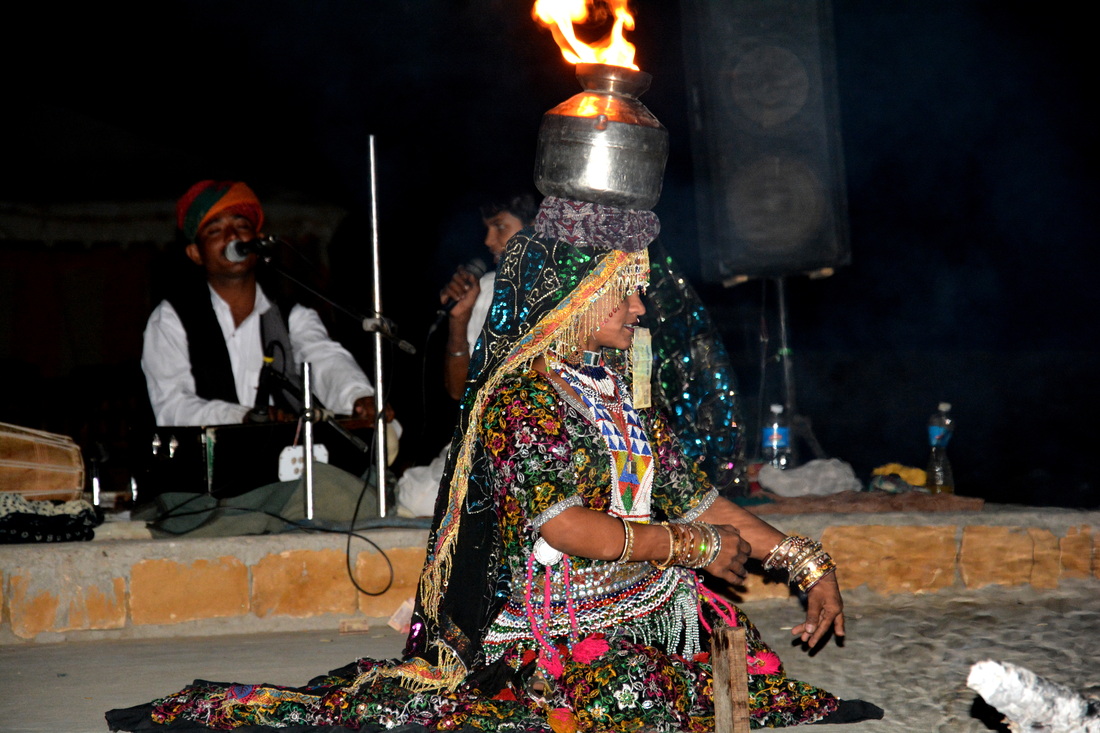
At night the desert camp put on an elaborate (and a little elongated) traditional Rajasthani dance and musical performance. Our fellow guests in the audience consisted of the British friends we mentioned in our previous post and two dozen curious locals. This made for an experience that felt quite genuine, although at times a little awkward (especially when we were being stared at or photographed). With a bit of humor, though, the four of us foreigners had a lot of fun.
Picture
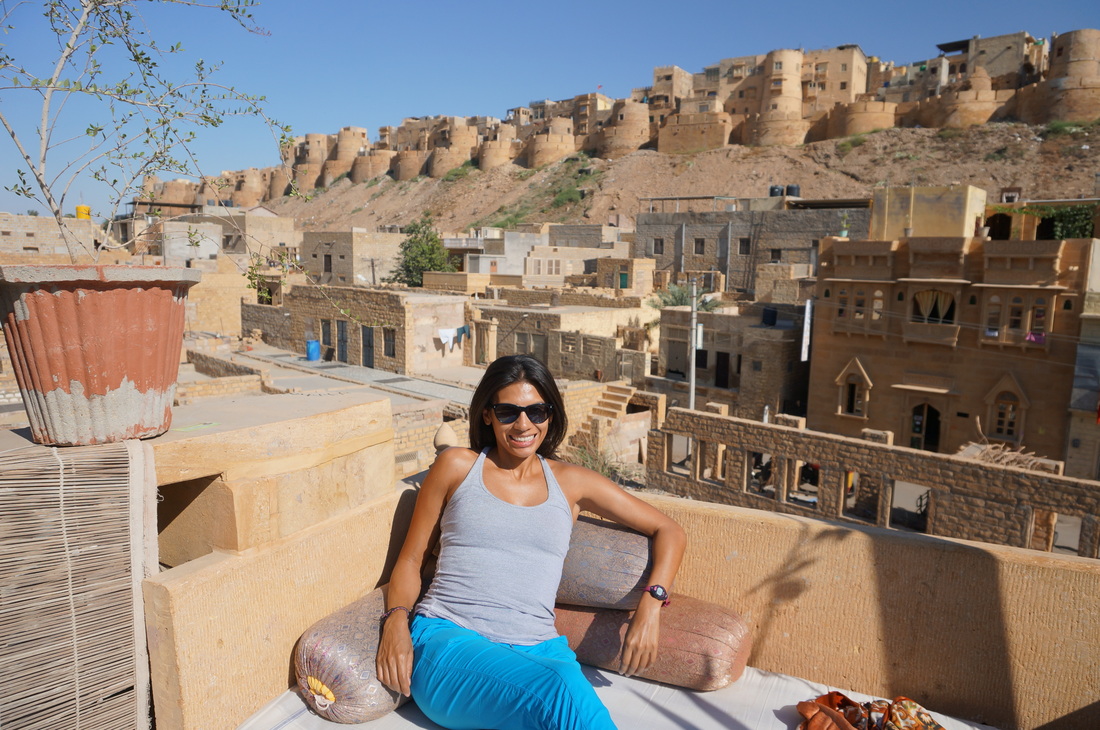
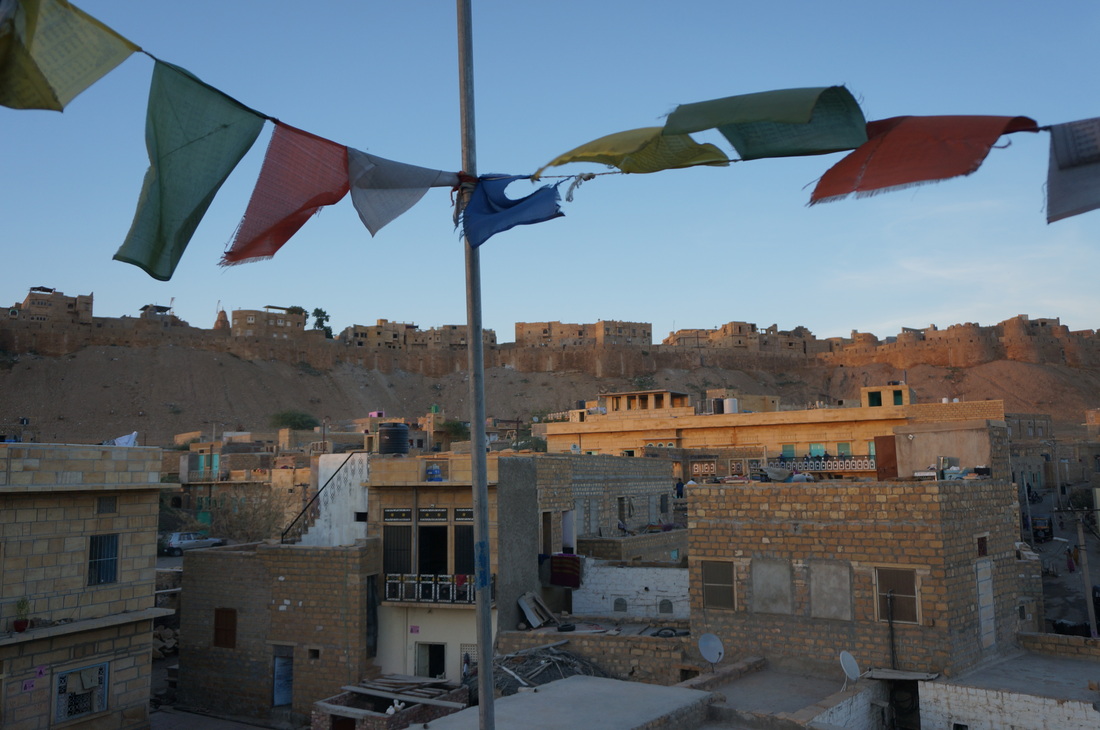
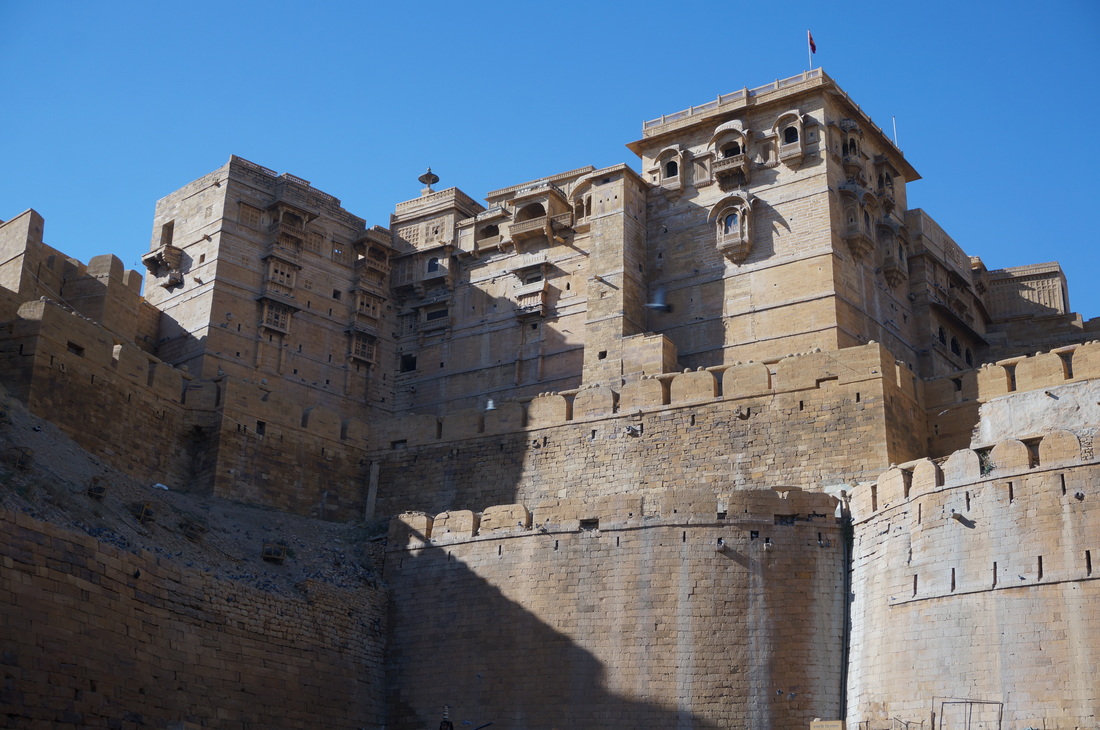
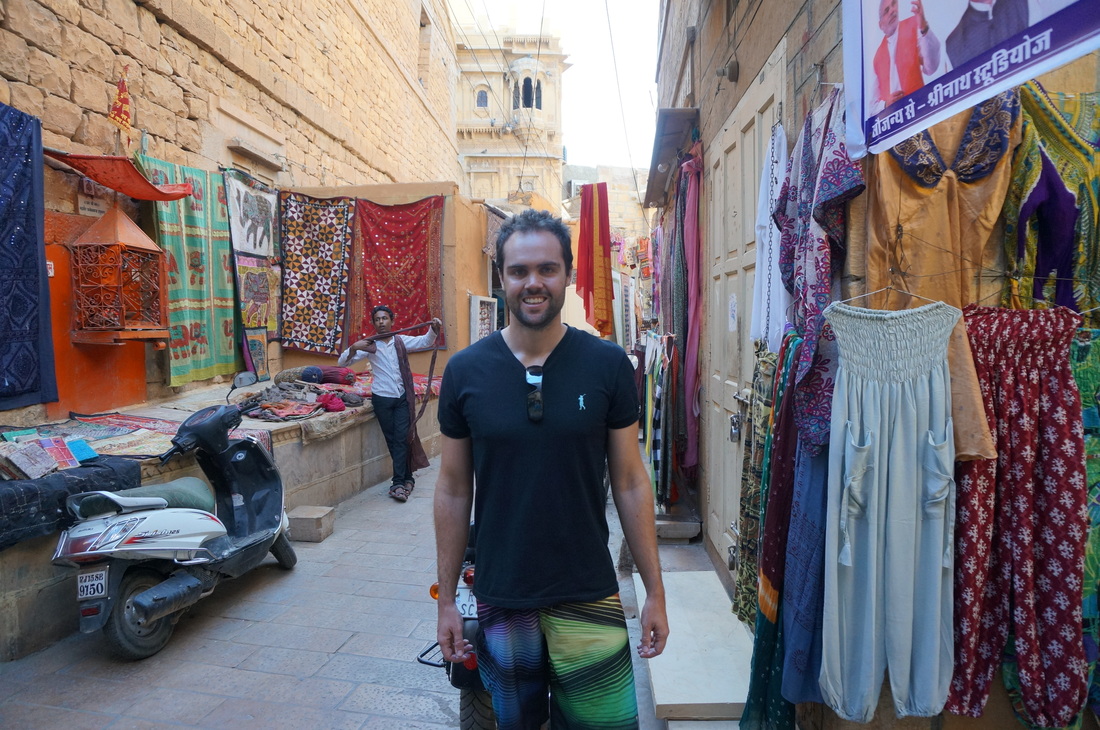
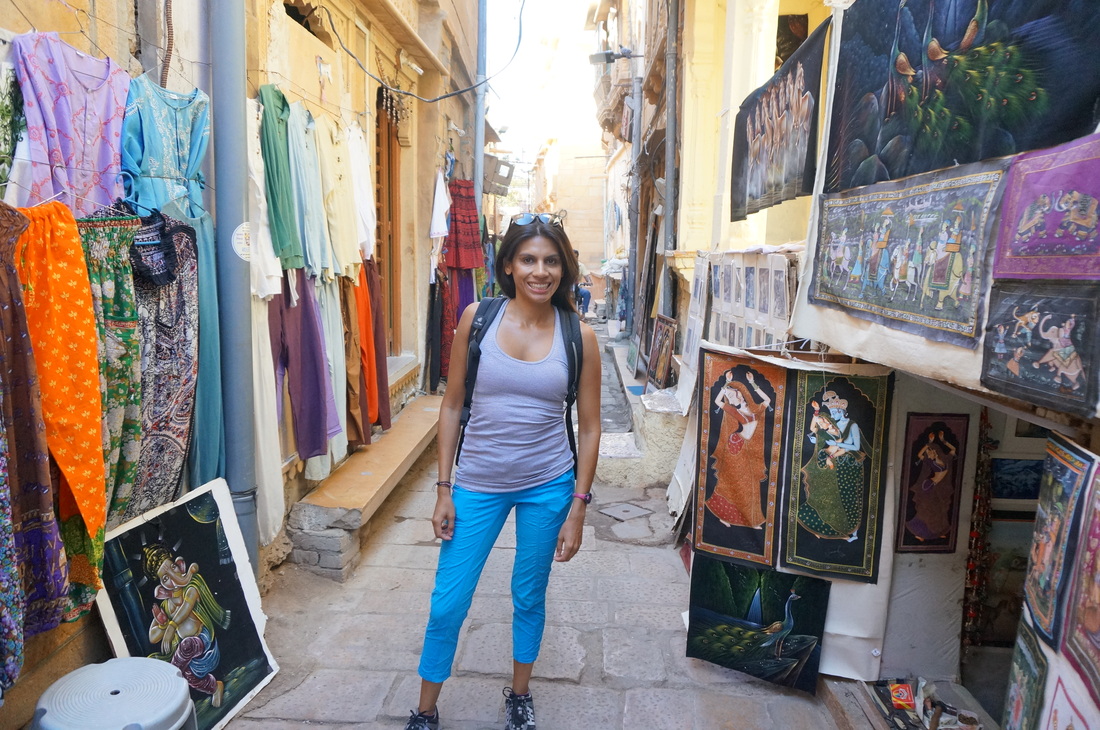
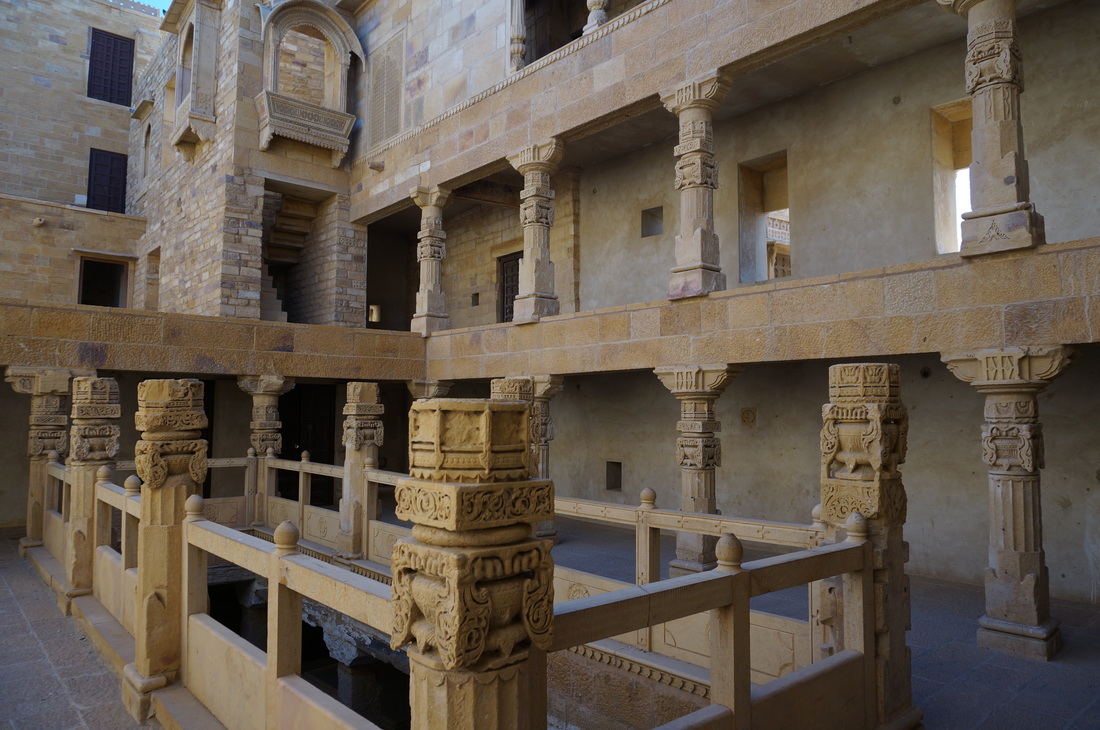
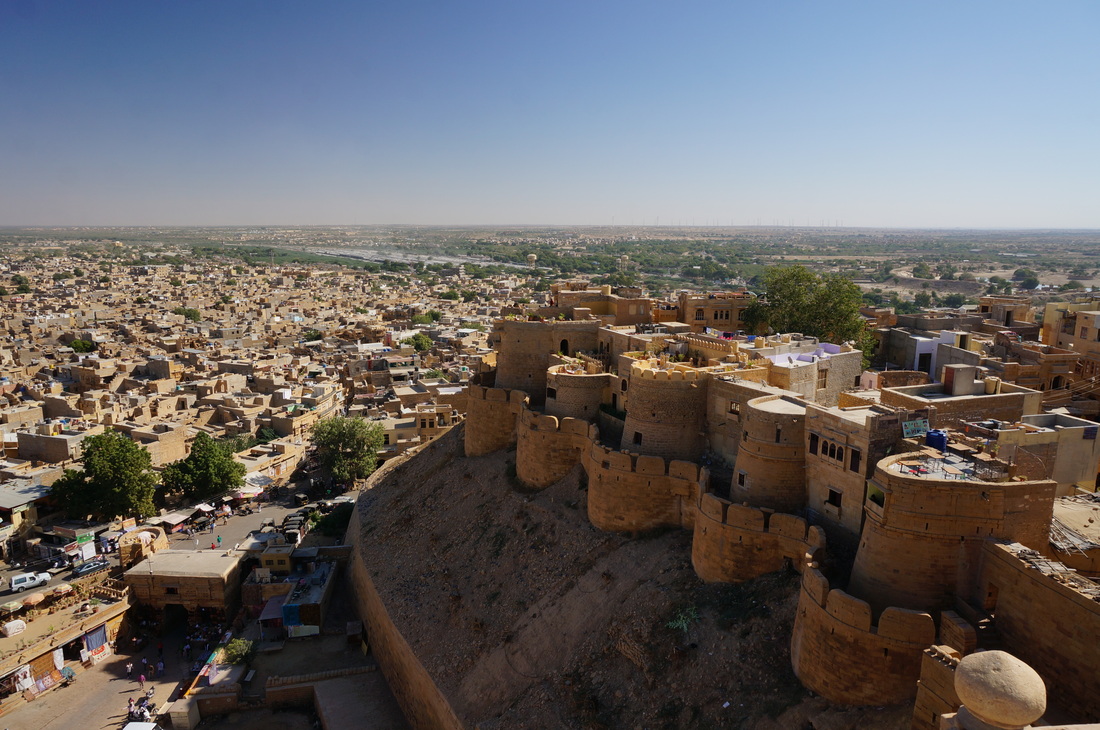
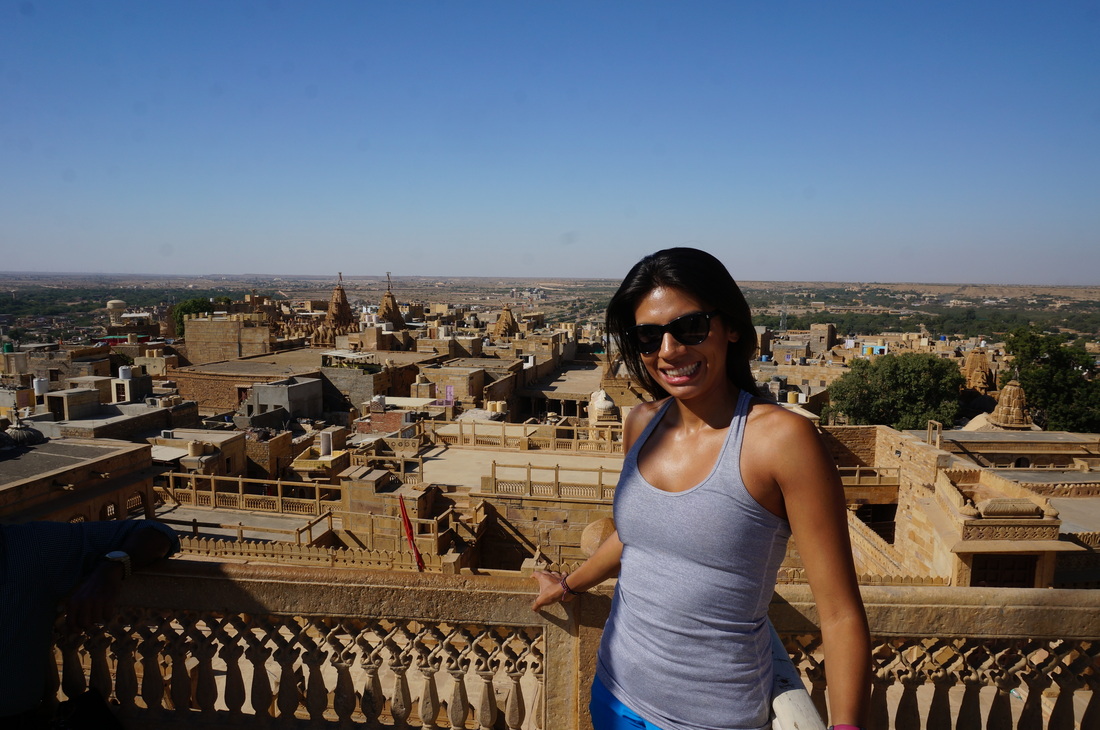
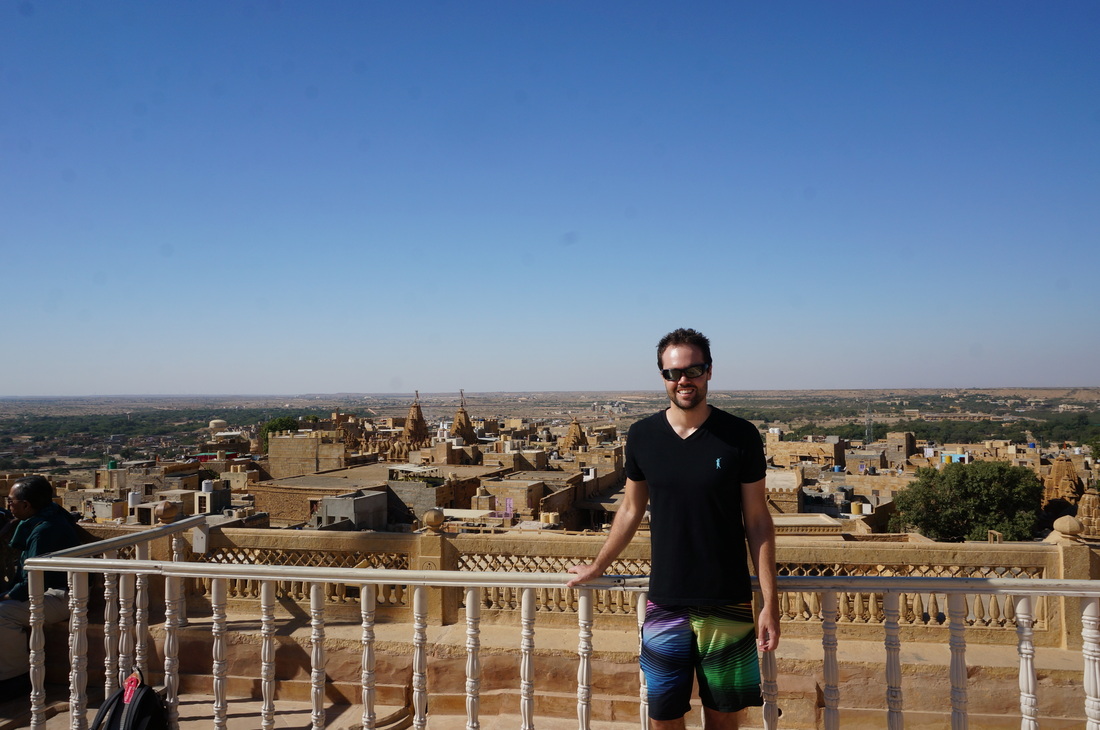
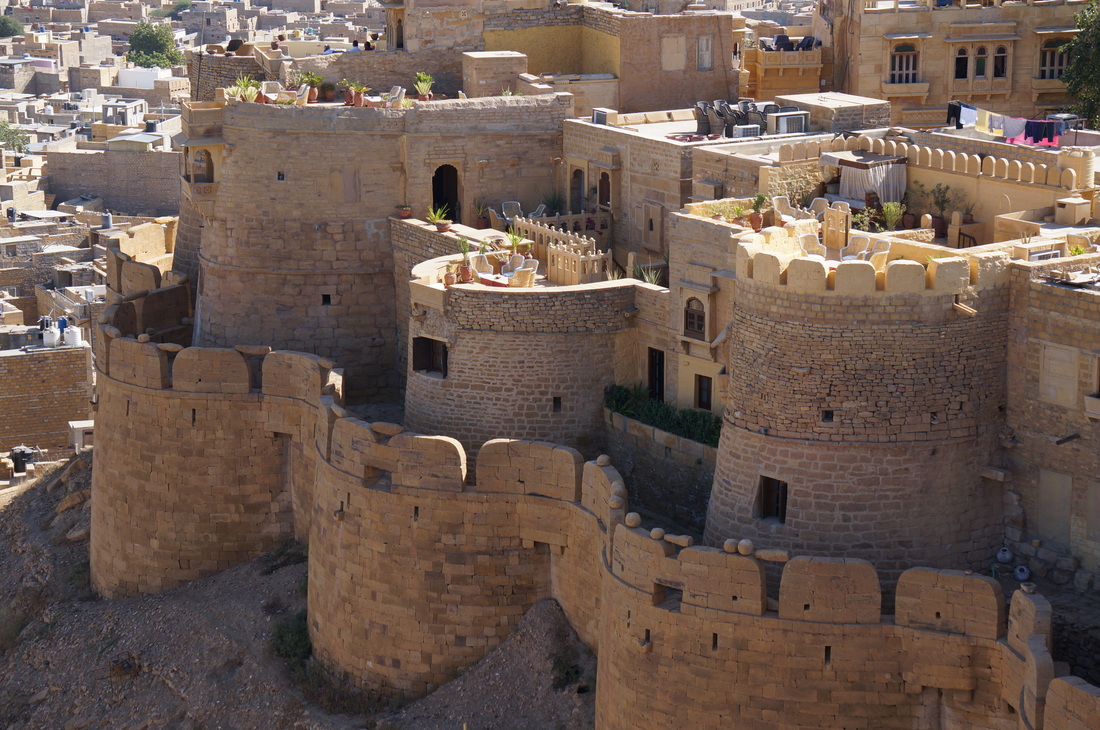
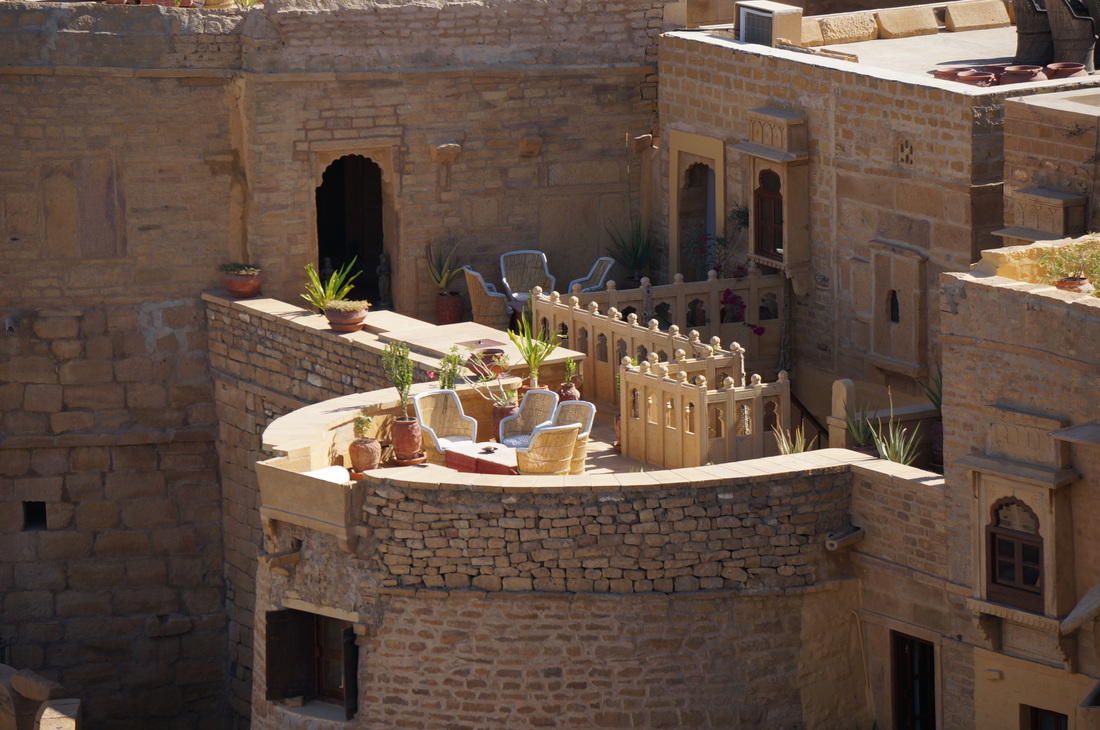
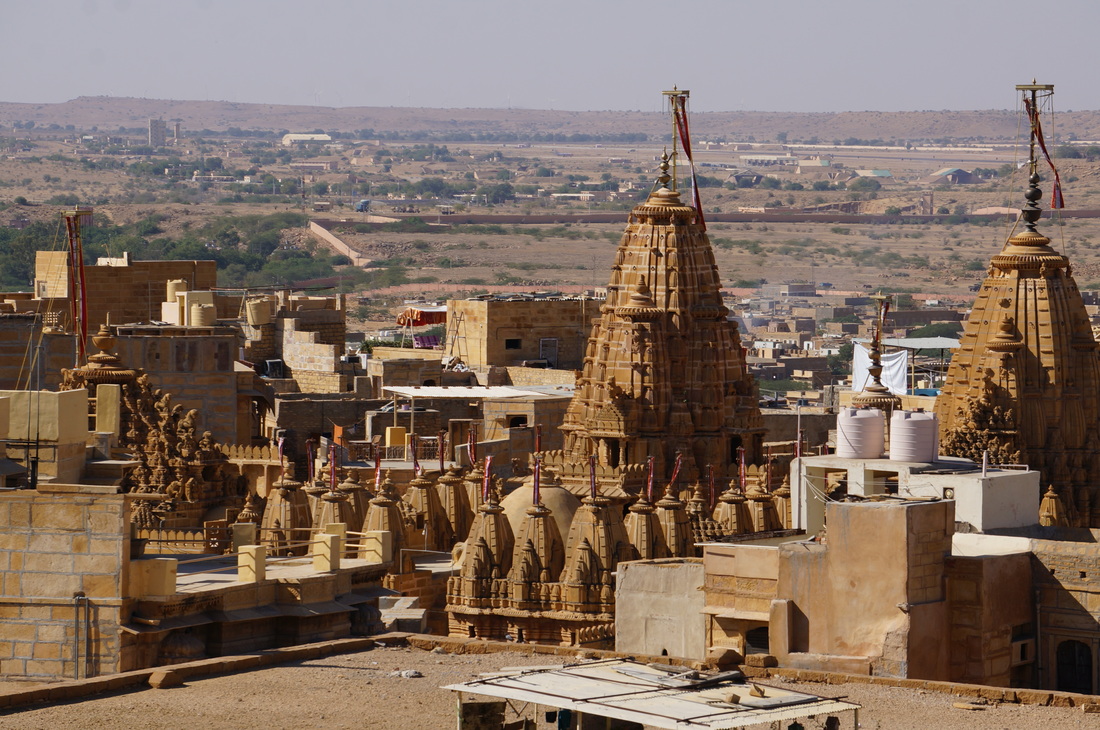
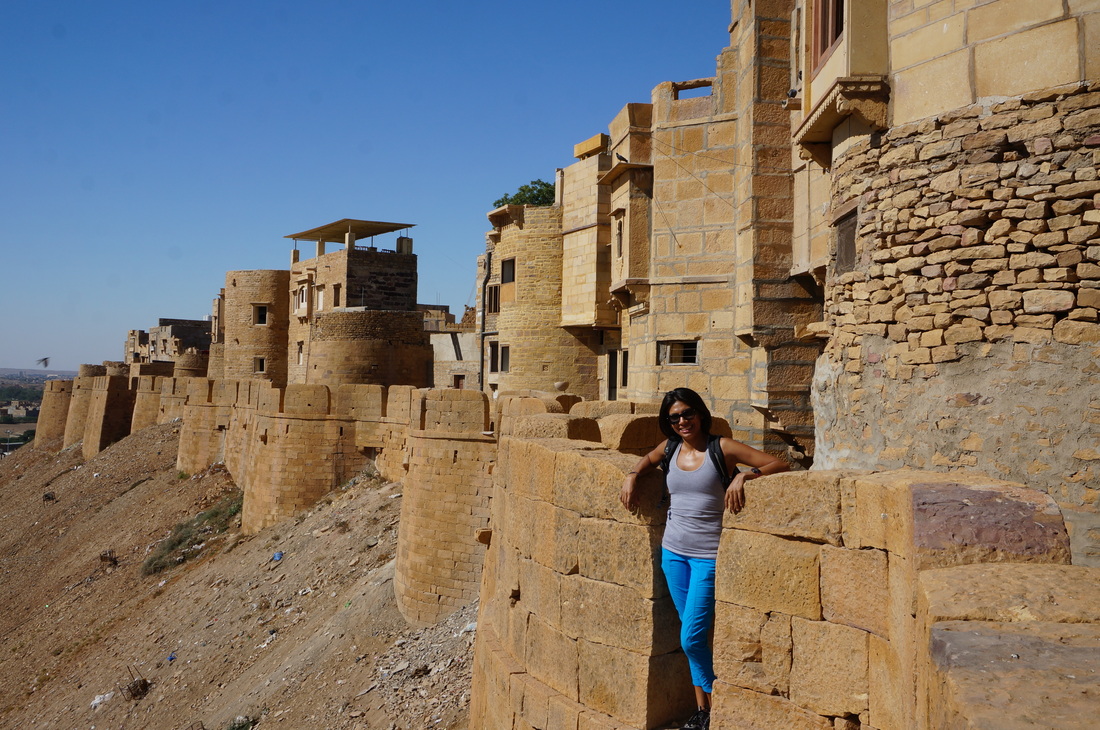
As we drove back to Jaisalmer we got a sense of how it came to be known as India’s ‘golden city’. The sandstone fort city (the oldest living fort in the world) rises out of the desert and under the midday sun the fort, buildings and surrounding sand all have a distinct golden look. Inside the fort we toured the large city palace and a few beautiful Jain temples. However, what we enjoyed most was wandering through the busy streets, which are filled with restaurants, guesthouses and vendors (a point of difference in Rajasthan, since all the other forts are museums open only to day ticket holders). We found the best view of the fort, however, was from the rooftop restaurants and bars outside, where we enjoyed a few nice meals.
Picture
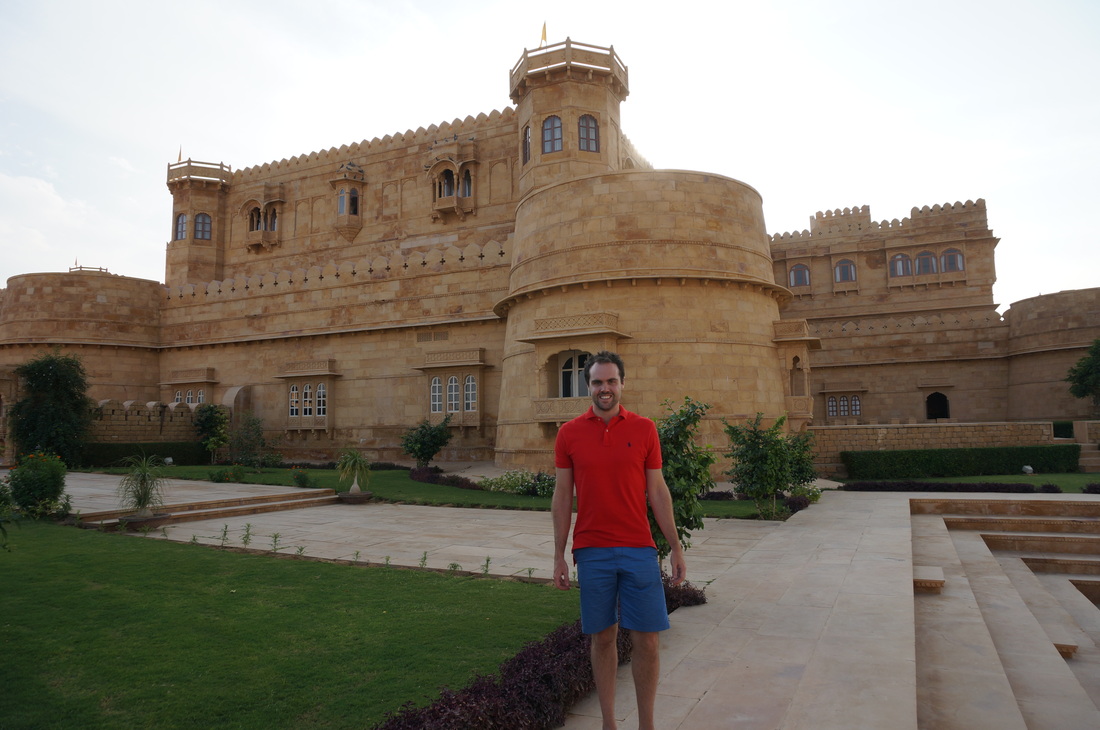
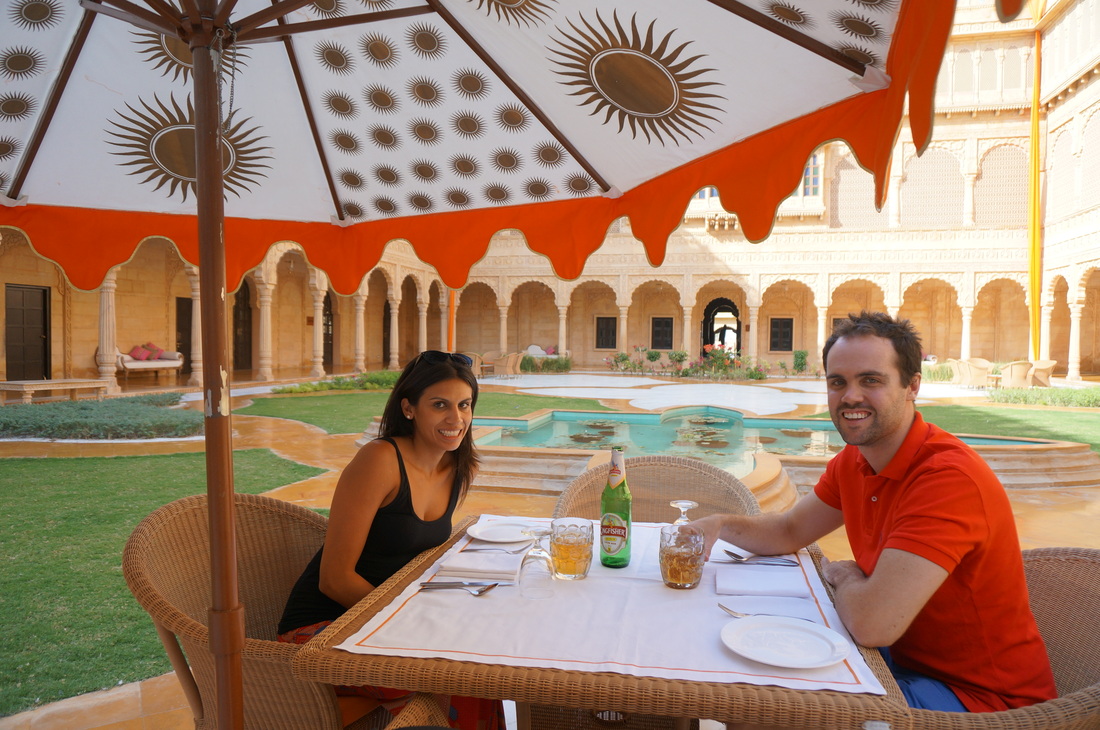
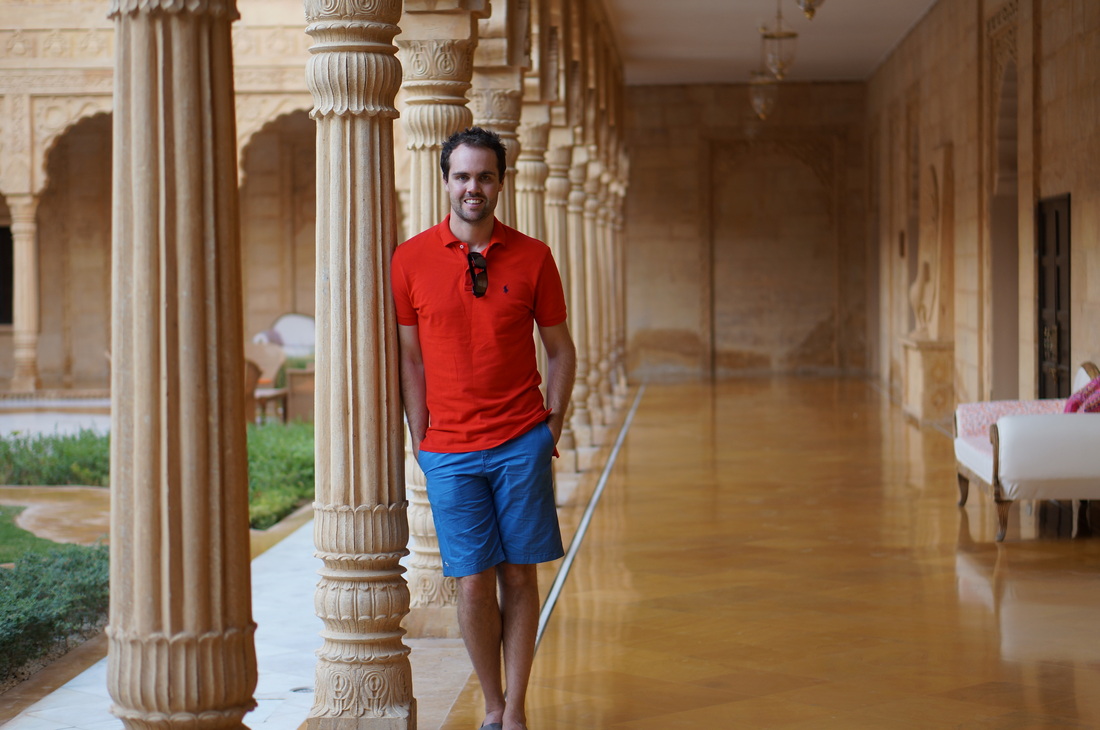
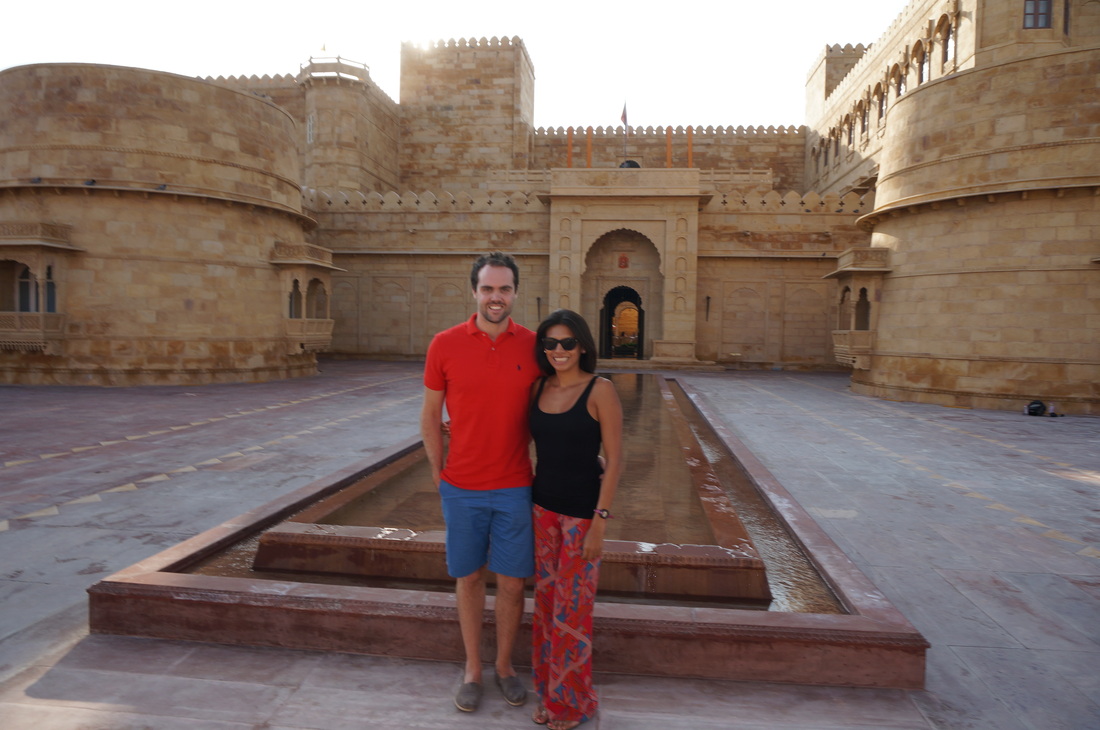
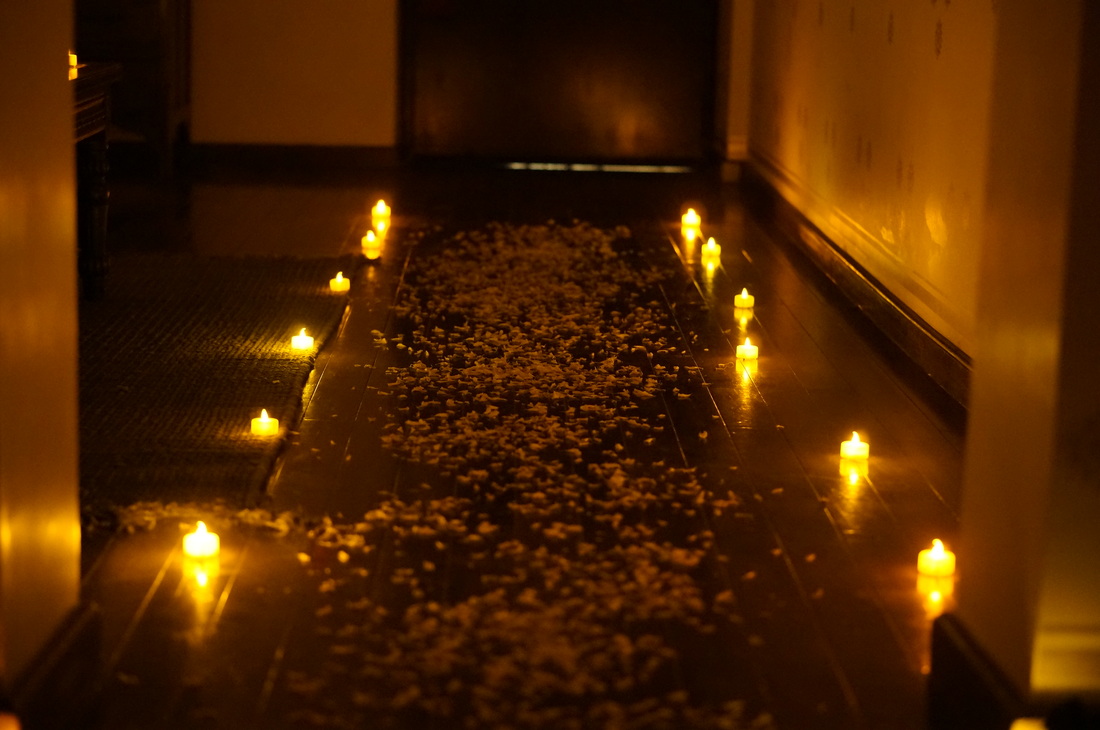
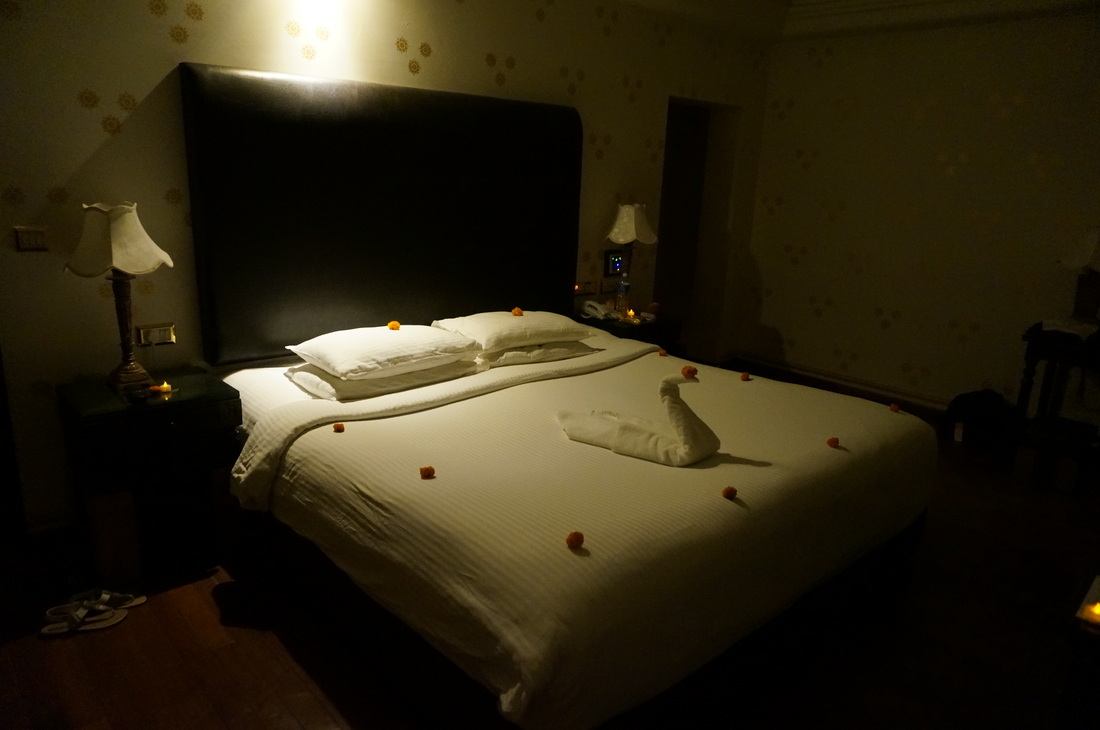
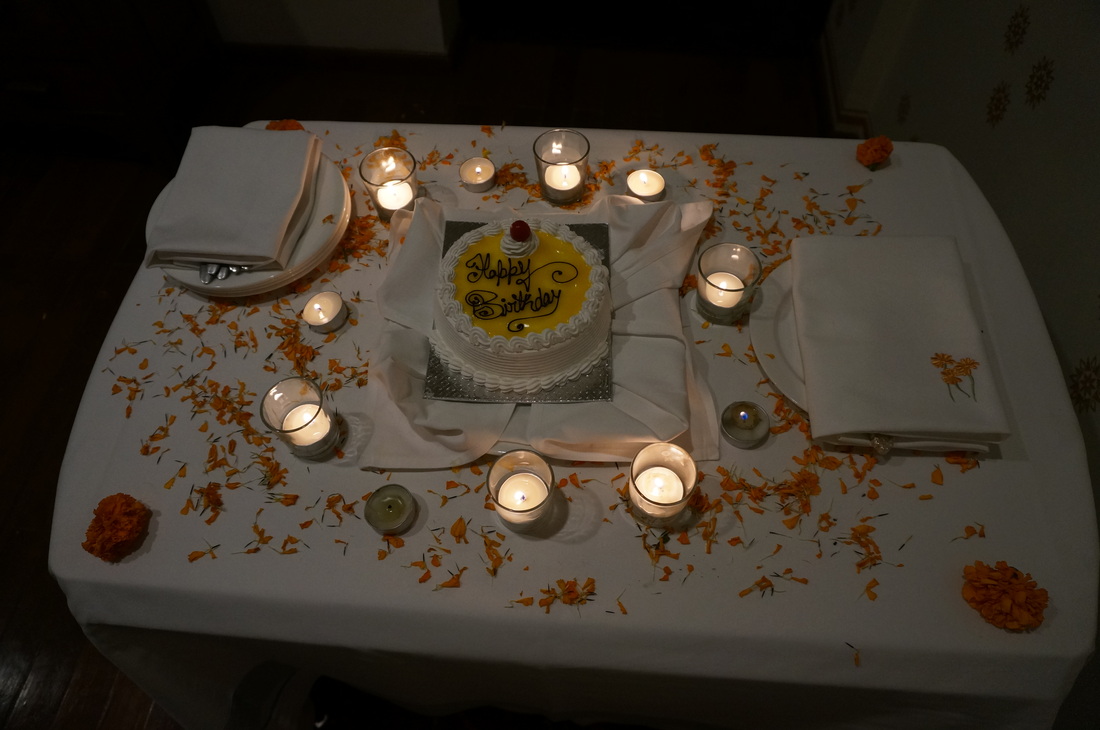
Our last night in Jaisalmer was the eve of Sam’s 30th birthday and, with the generous help of Sam’s family, we marked the occasion in style, staying at a beautiful boutique five star hotel within the grounds of its own desert fort. The staff at the hotel did all they could to make our one night of luxury memorable, offering us a free room upgrade, delivering a birthday cake at midnight and surprising us after our beautiful dinner with a room full of flowers and candles.
Picture
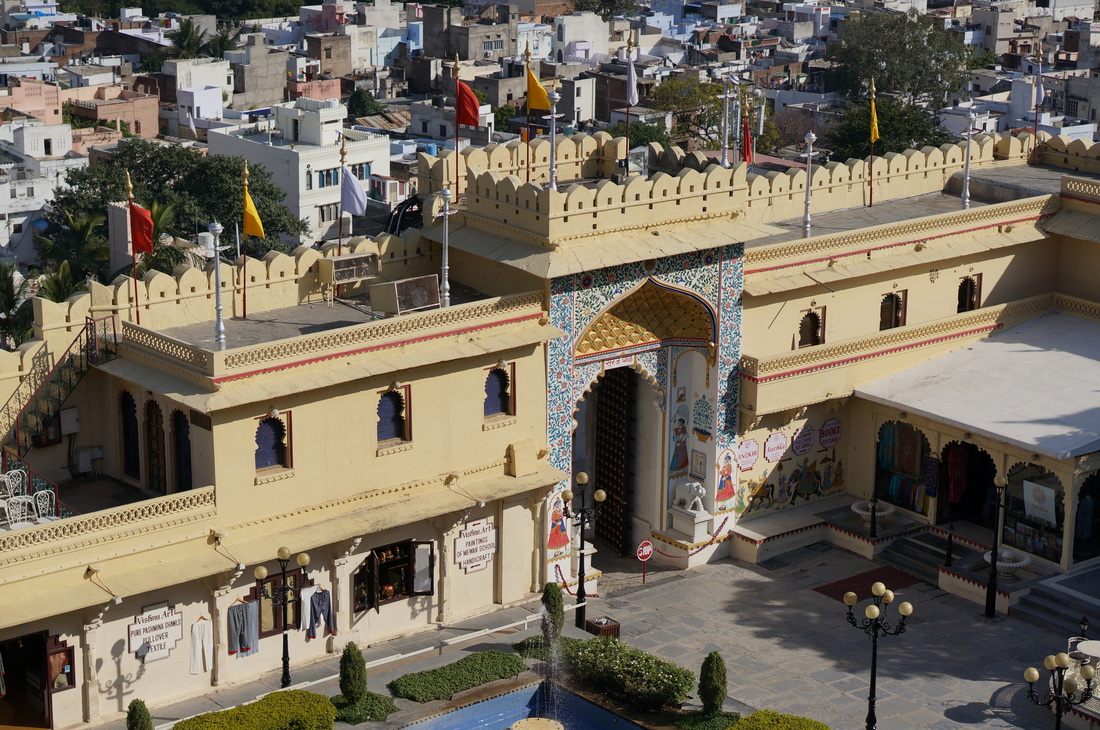
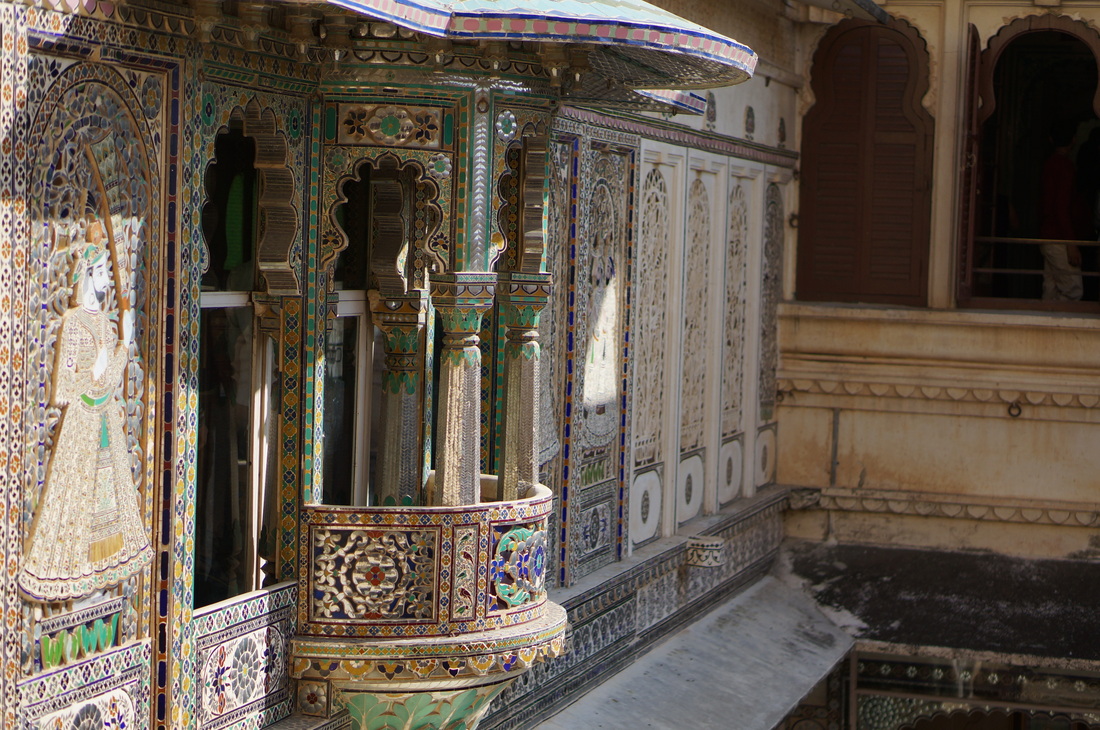
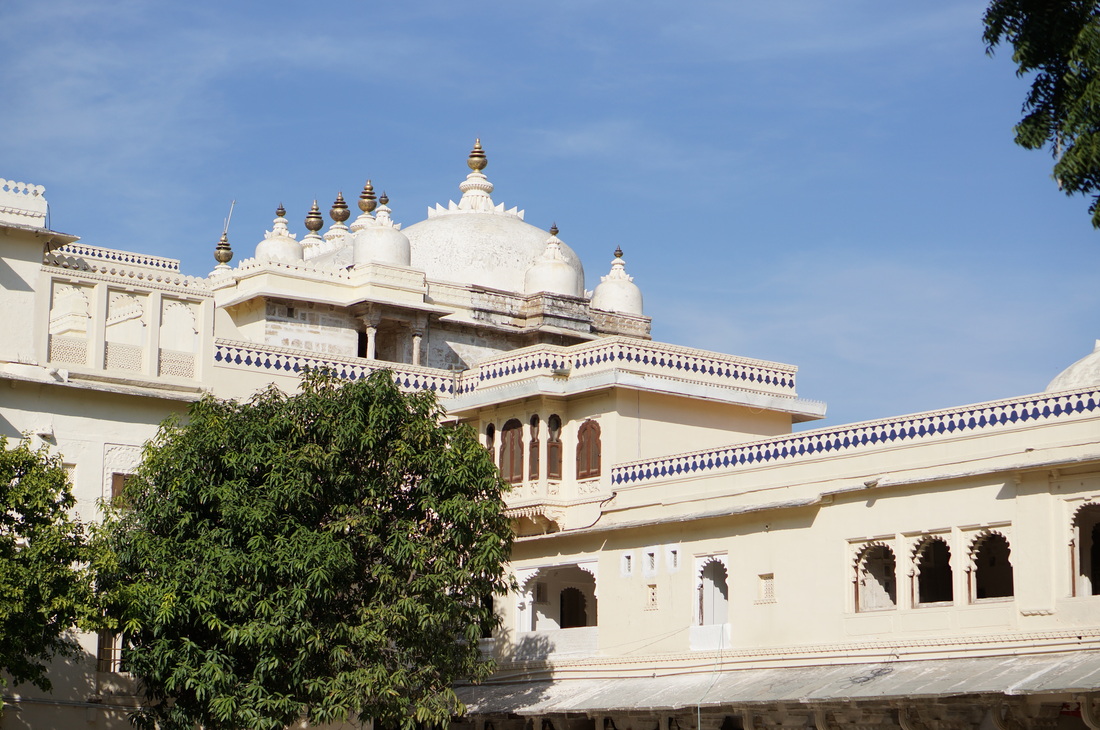
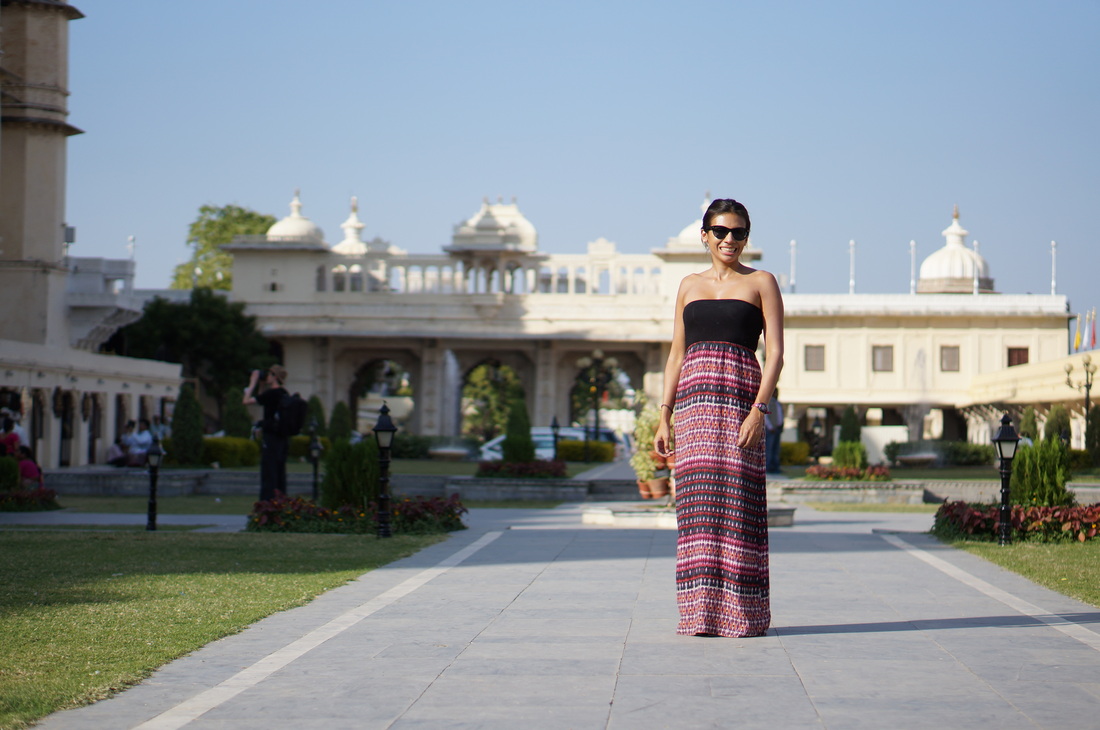
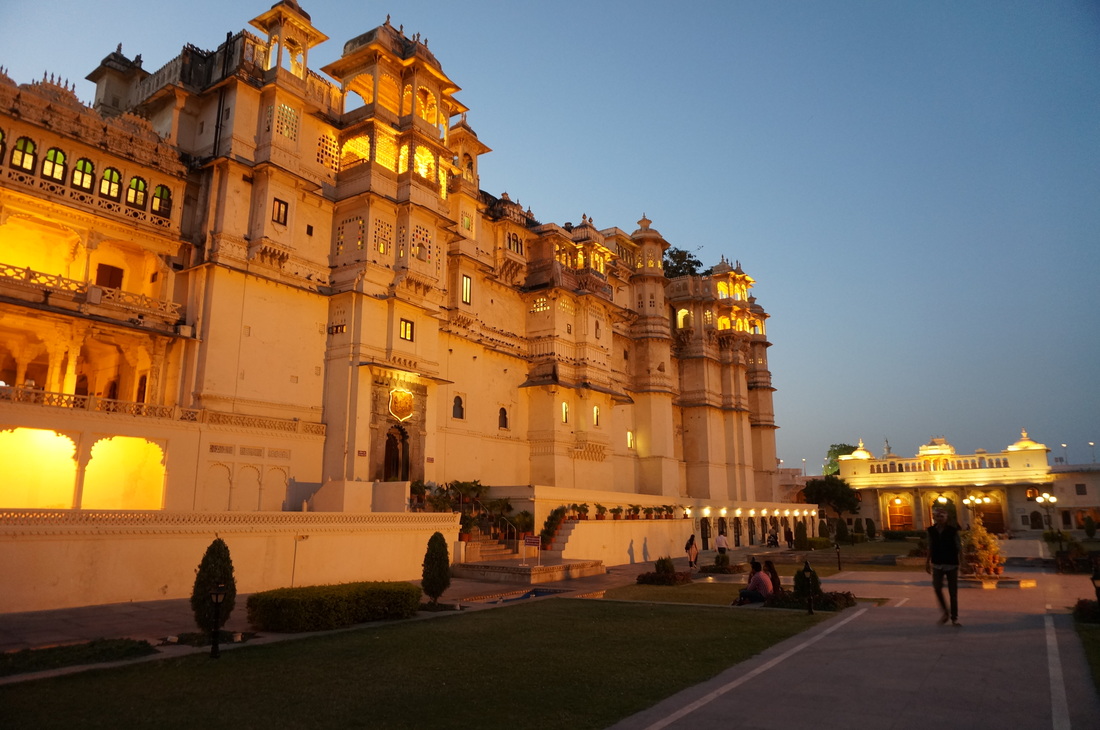
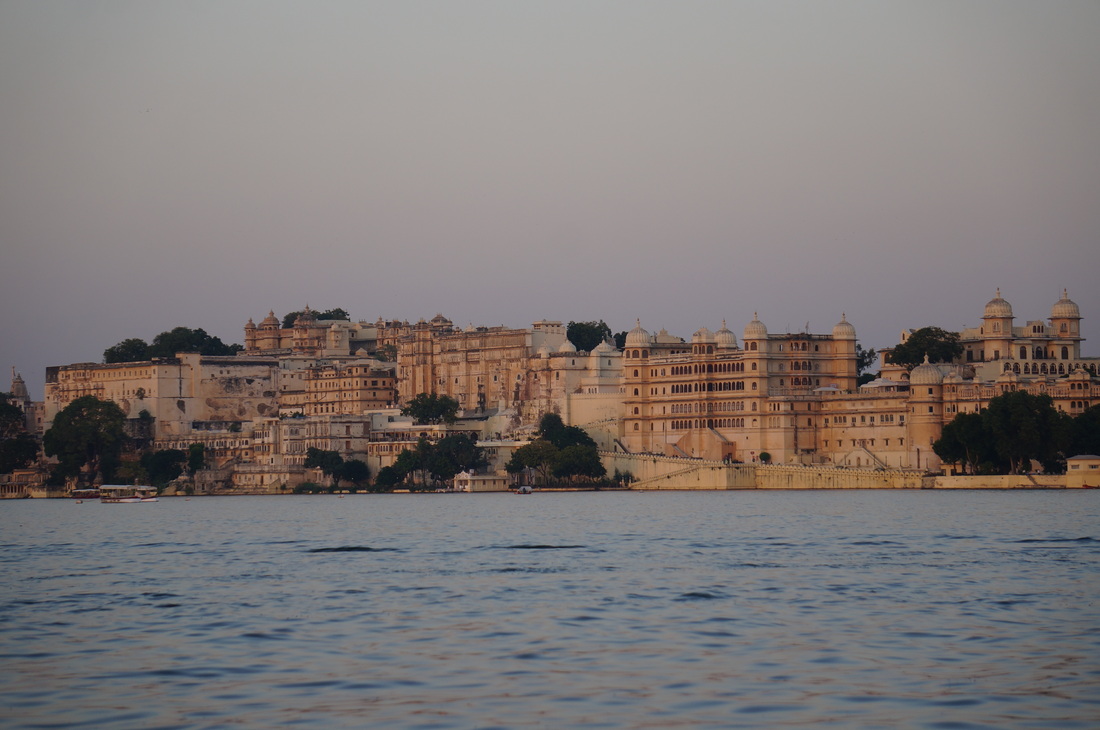
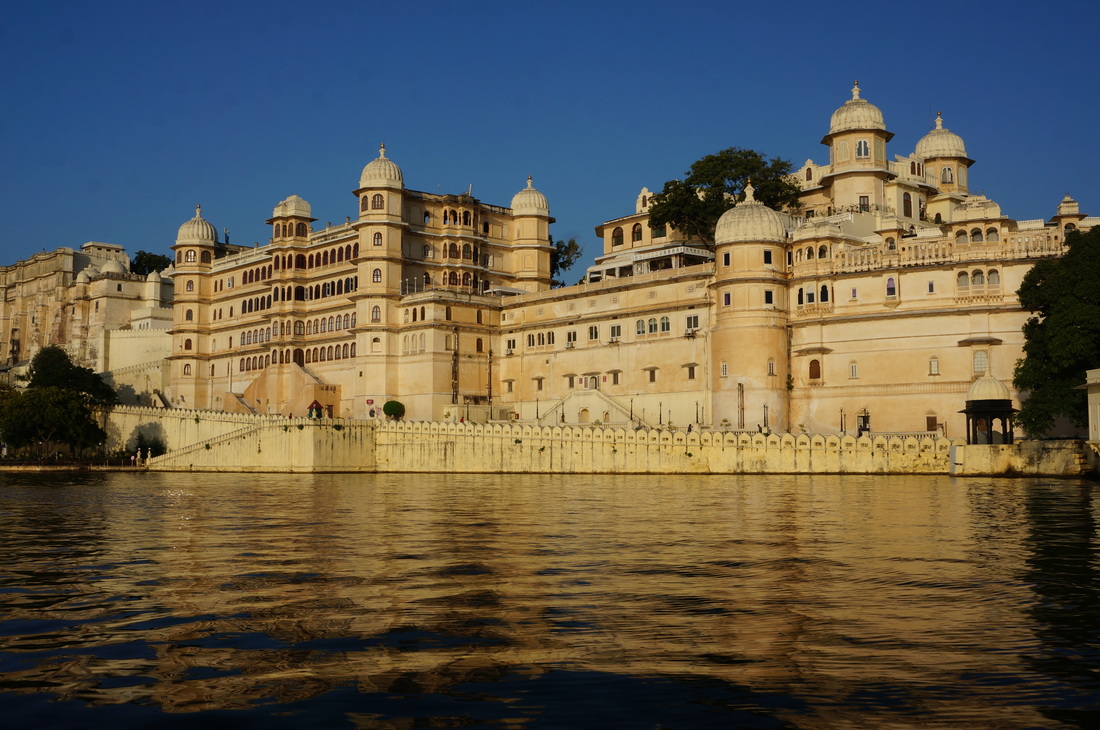
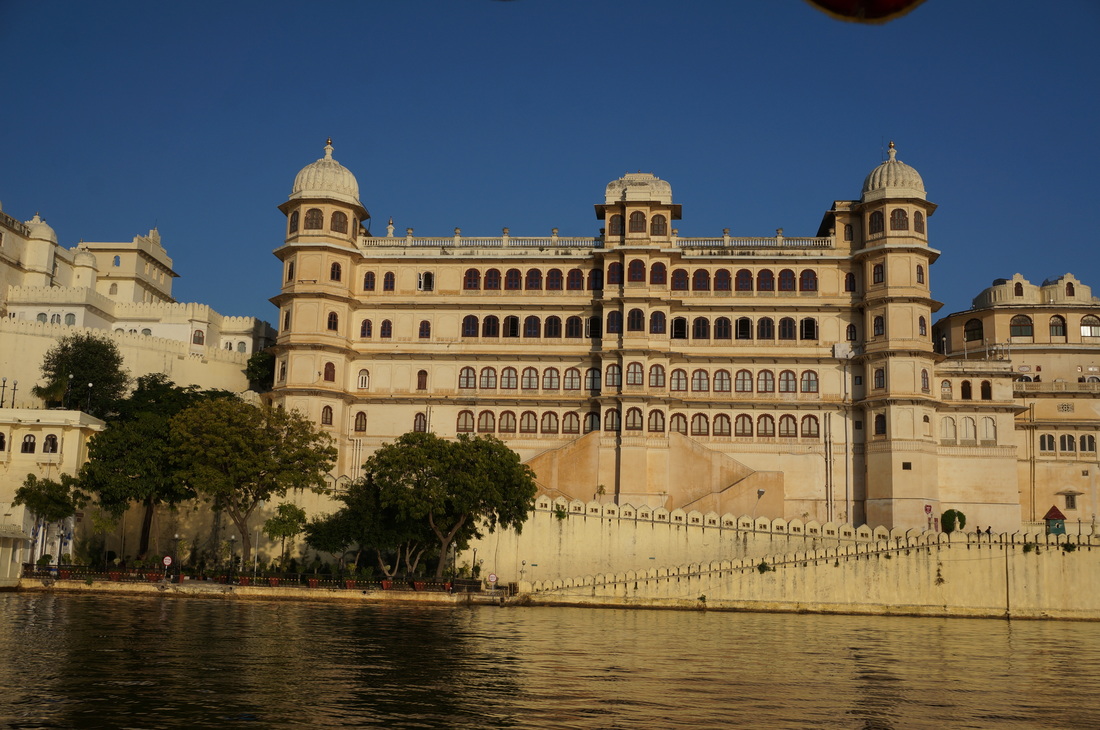
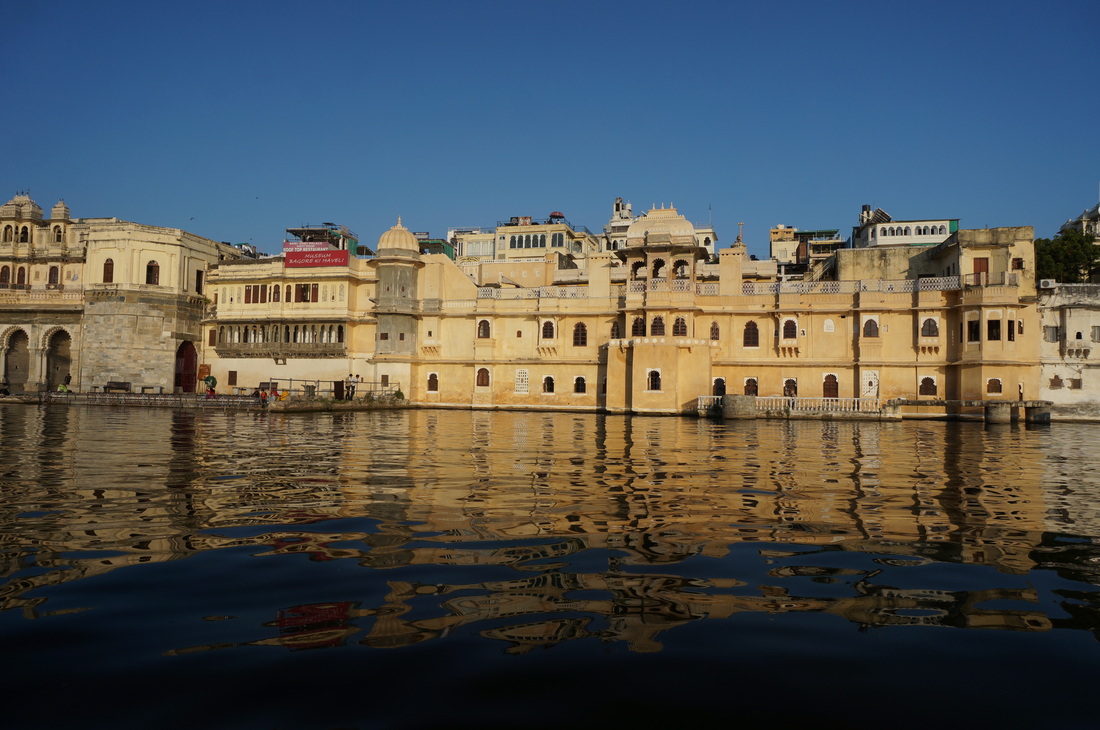
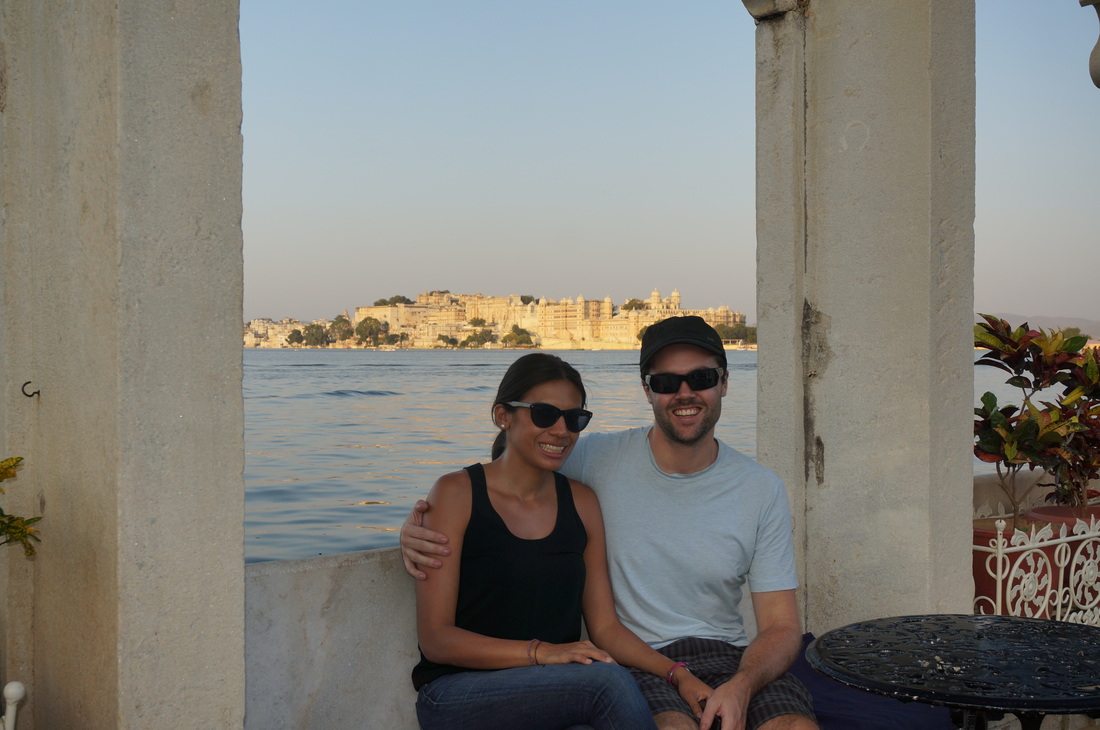
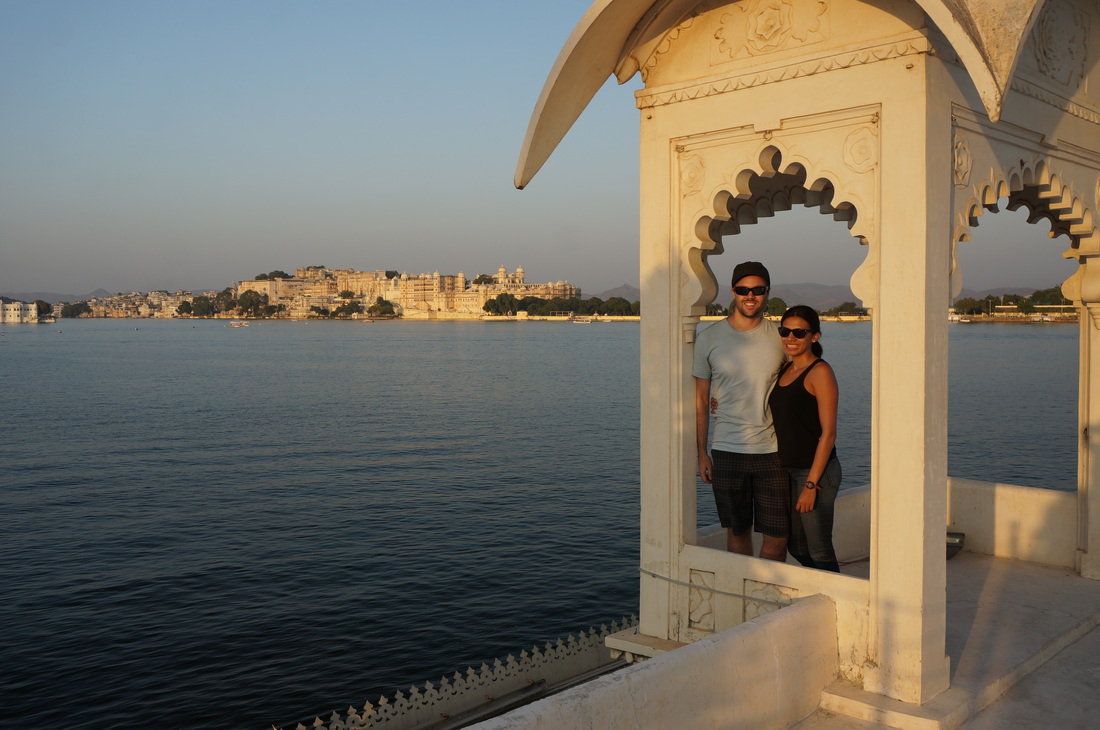
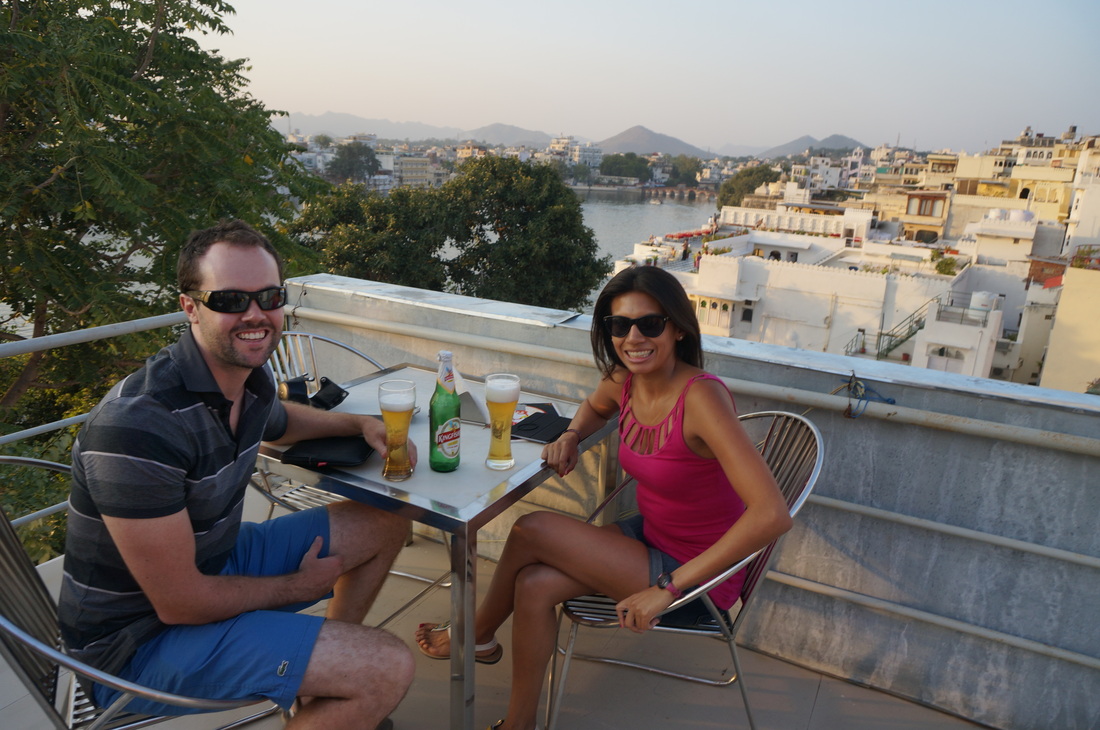
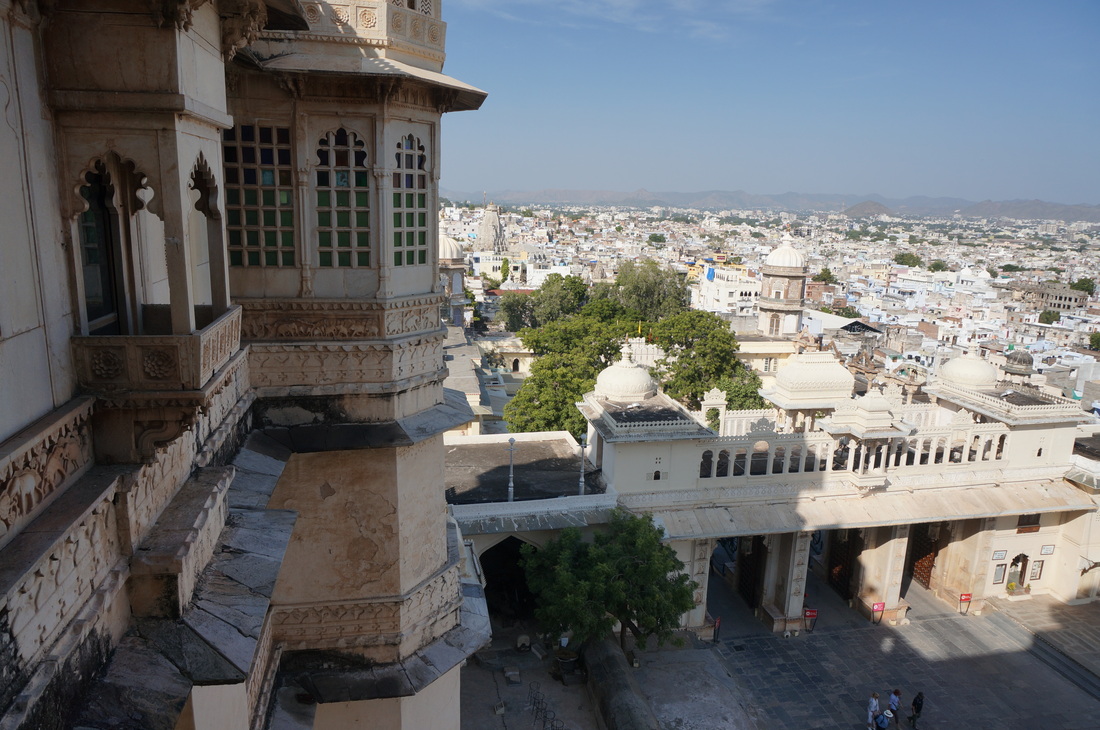
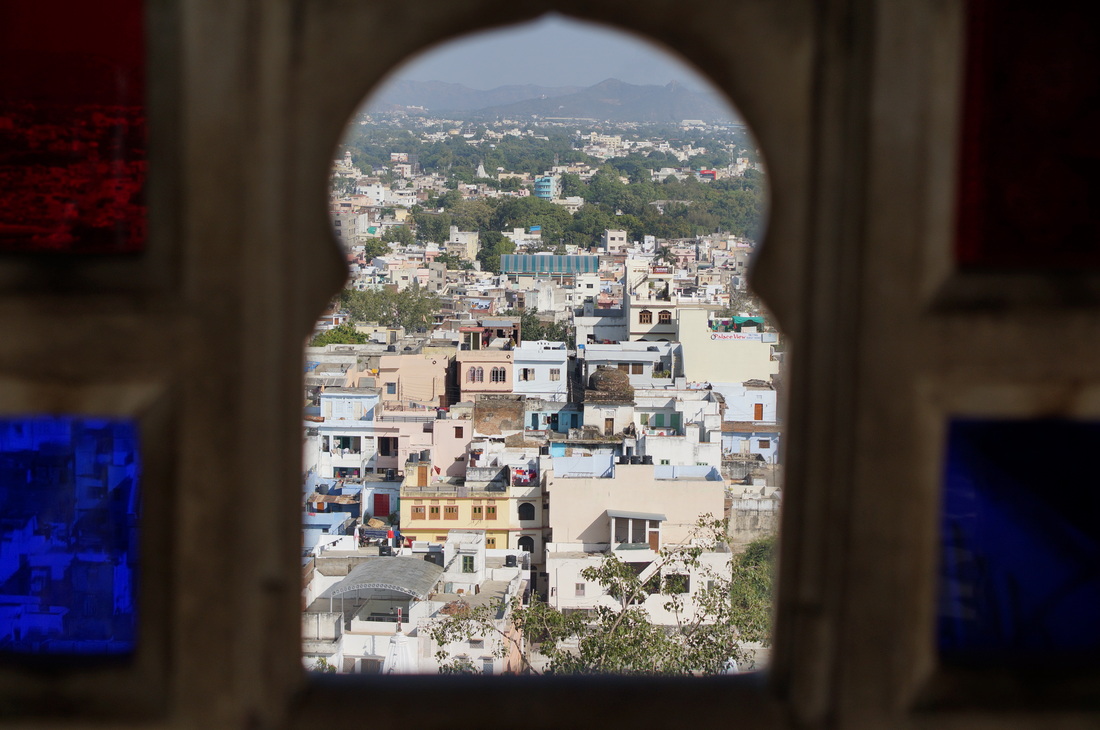
After a relaxing birthday morning and afternoon in five star luxury, we put our backpacks back on and boarded a very one star overnight bus to our next destination, Udaipur. The city, built around a beautiful lake, features several palaces and $1000+ per night hotels, and has regularly been chosen as an exotic film location, most famously in the Bond film Octopussy. Our accommodation was certainly not one of the more glamorous in town, but it was perfectly located and offered amazing lake views from both our room and the rooftop bar. The main attraction in town, the huge city palace that took us two hours to walk through, was just next door.
Picture
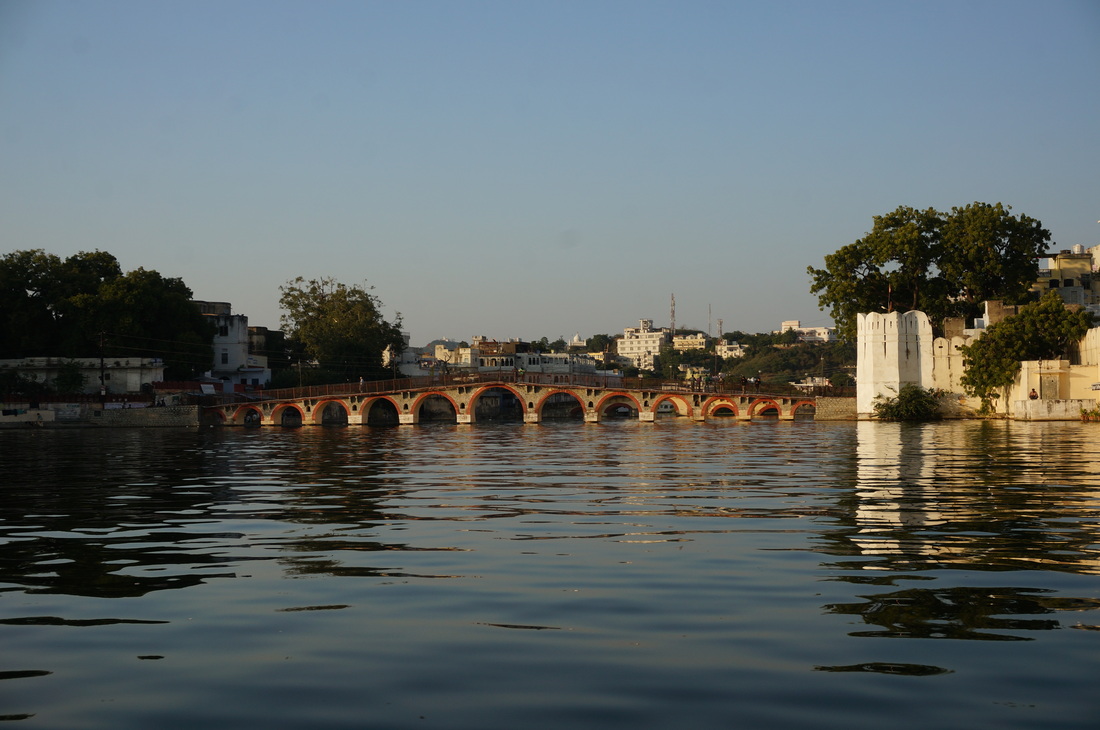
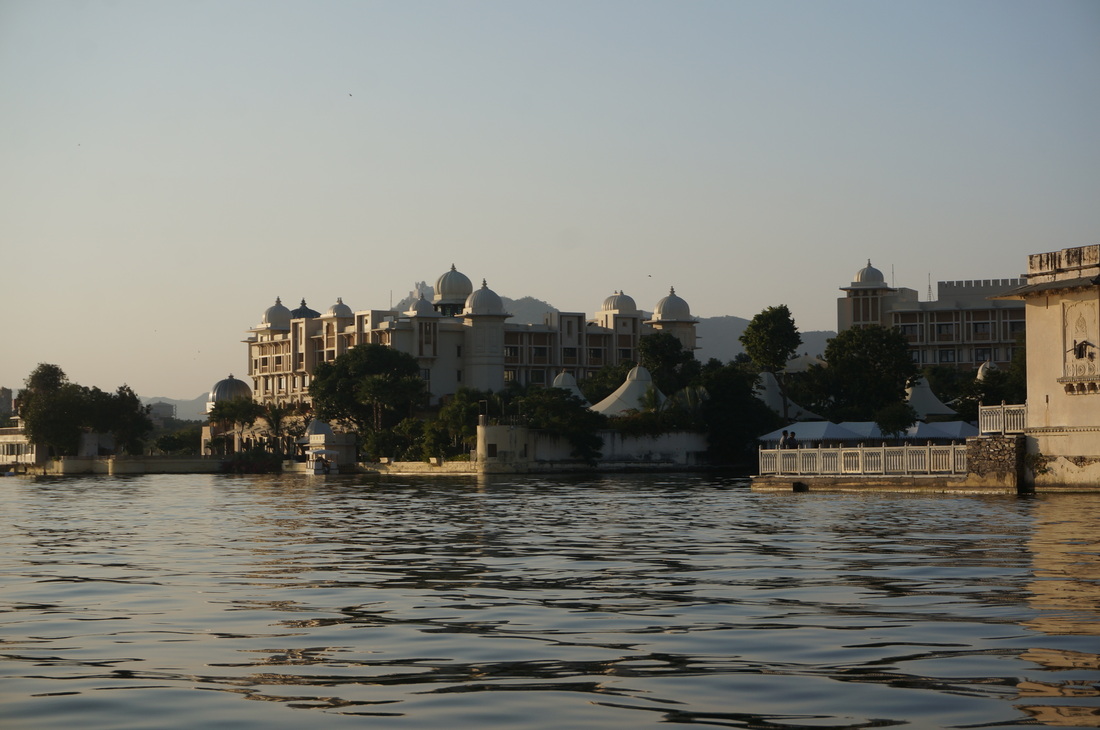
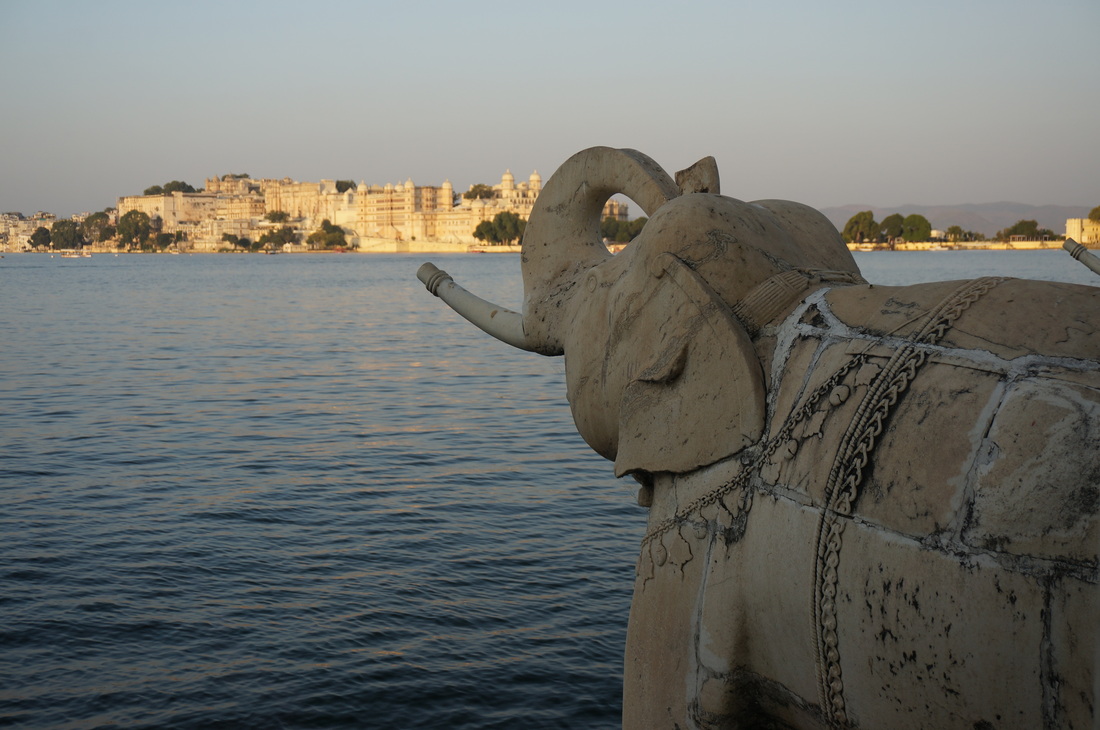
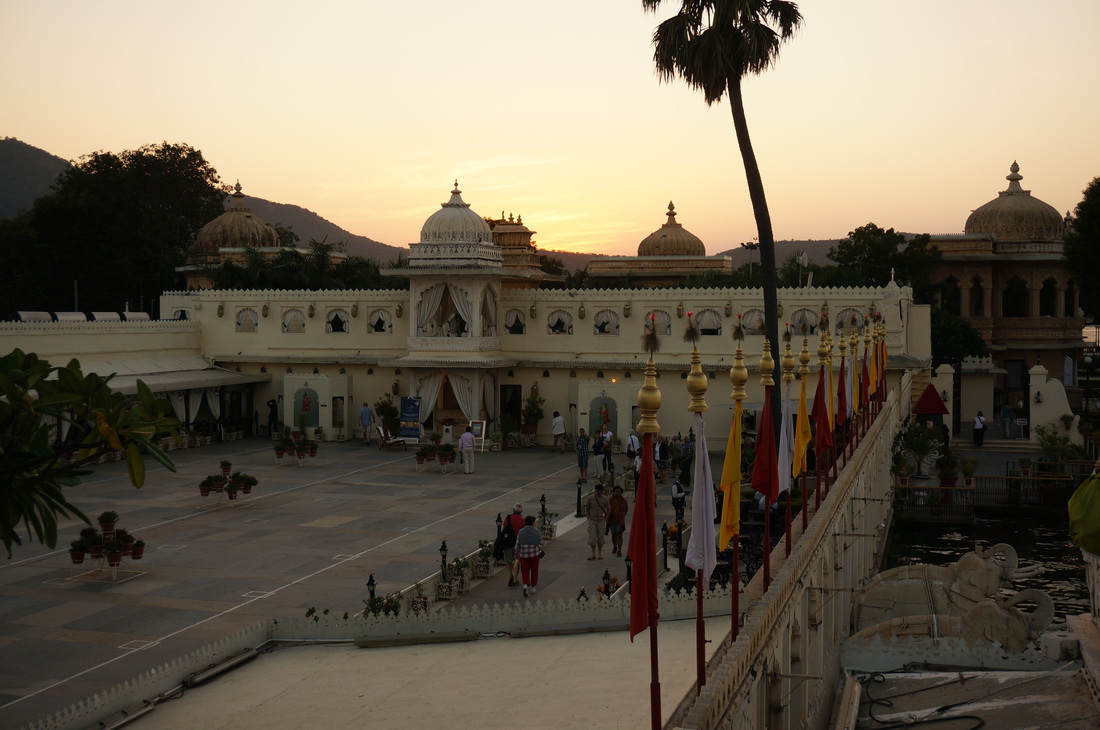
To get the best view of the city palace, and Udaipur generally, you need to get on the water. We chose the priciest option, leaving from the grounds of the city palace, circling the iconic Taj palace hotel in the middle of the lake, then stopping at another island palace (Jag Mandir) to take some nice pictures before returning to the city palace just after sunset.
Picture
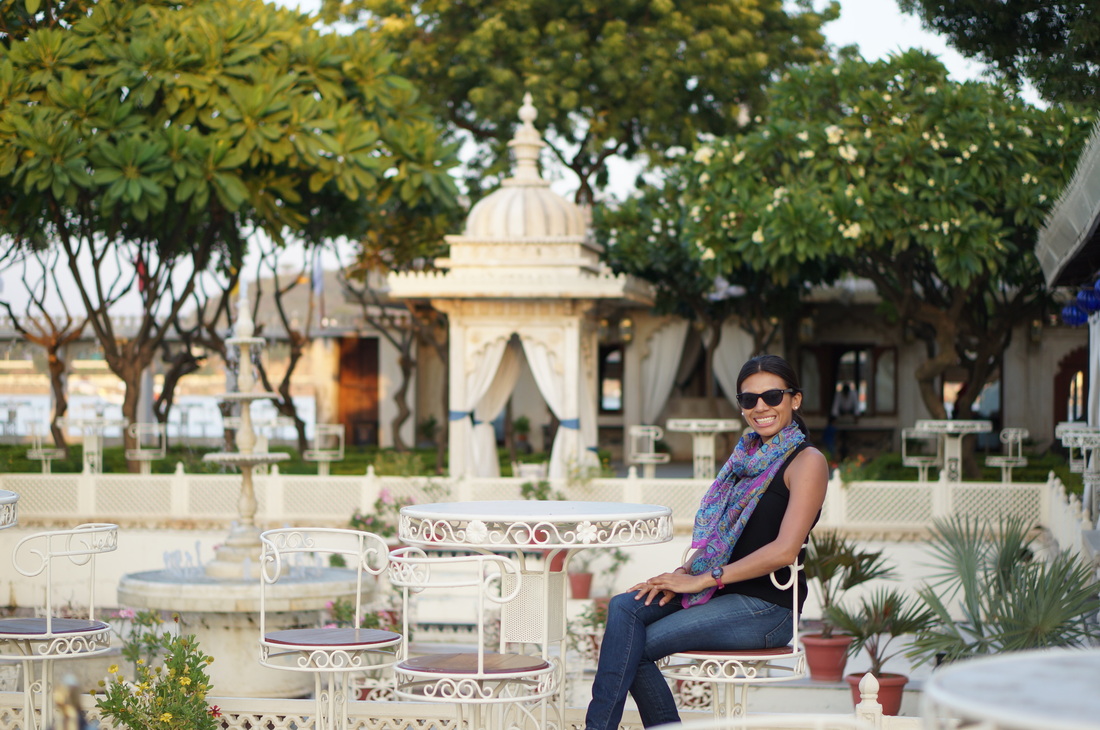
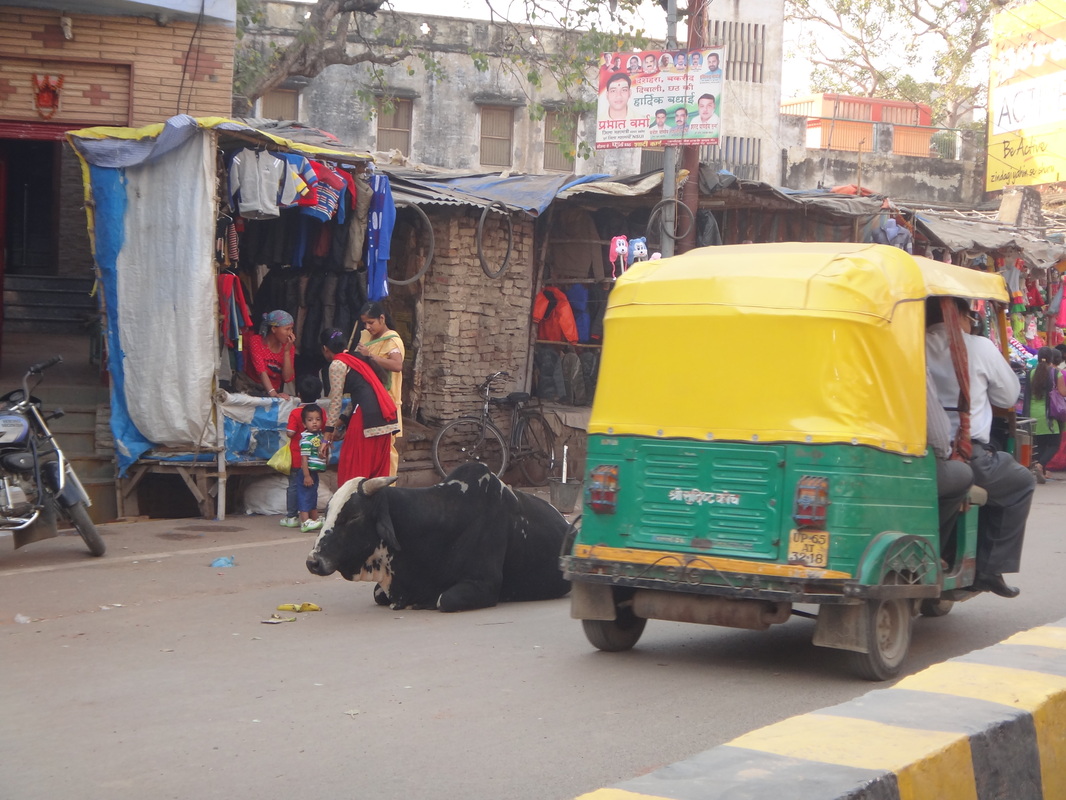
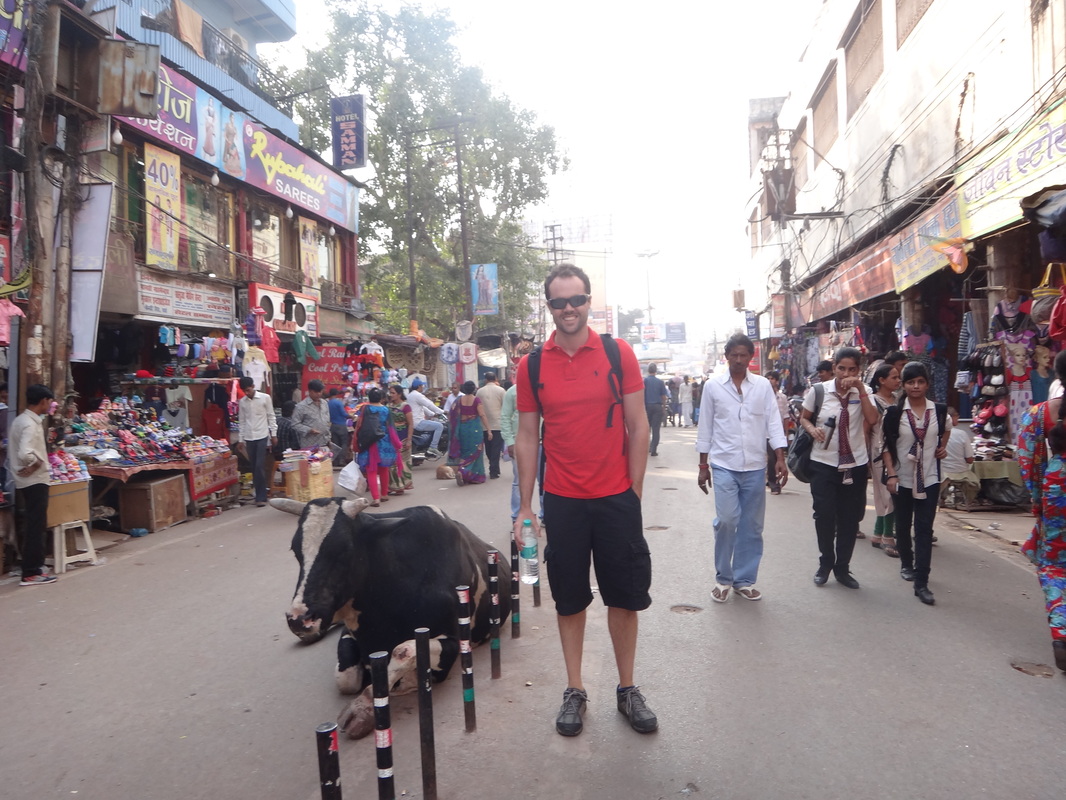
While in Udaipur we visited most of the other tourist hotspots, including the beautiful (but less glamorous) Fatah Sagah and a popular museum built in an old Haveli (fancy word for mansion). We also talked our way into being allowed to have a drink at the most glamorous hotel we’ve ever seen, the Oberoi Ubervillas. We spent the rest of our time in Udaipur wandering through its many lane ways and eating at some really nice rooftop restaurants. Doing this, we found it easy to see how Udaipur has earned a reputation as India’s most romantic city (even easier when we tried to ignore the still omnipresent holy cows and their not so holy sh!t).
Picture
From Udaipur we headed north to Delhi and Agra. Many backpackers would have taken the 20-hour train ride, but we were more than happy to pay a premium to fly.
0 Comments

Jaipur & Jodhpur

12/1/2014

2 Comments

 
After a 16-hour ‘first class’ train ride from Khajuraho we arrived in Jaipur at 1am feeling pretty grotty and exhausted. Just as well we had decided to splurge on two nights in a reliably clean, comfortable room at an Ibis hotel.

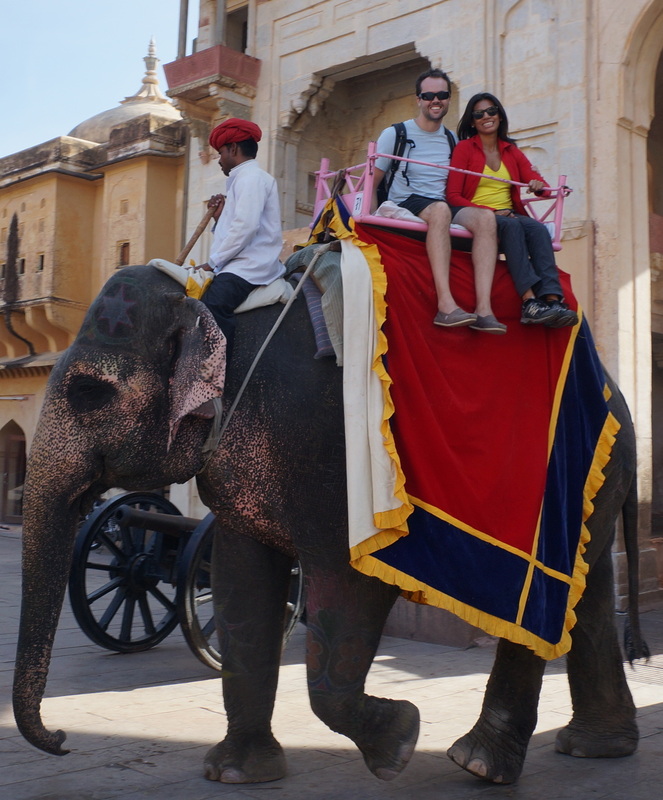
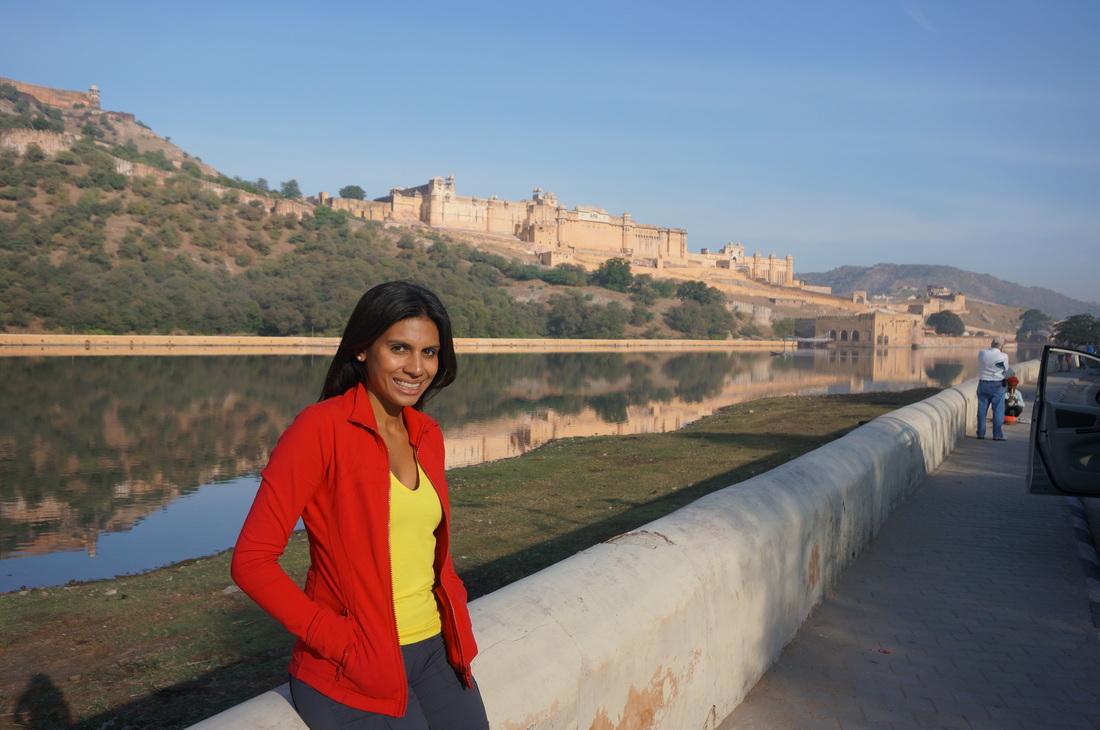
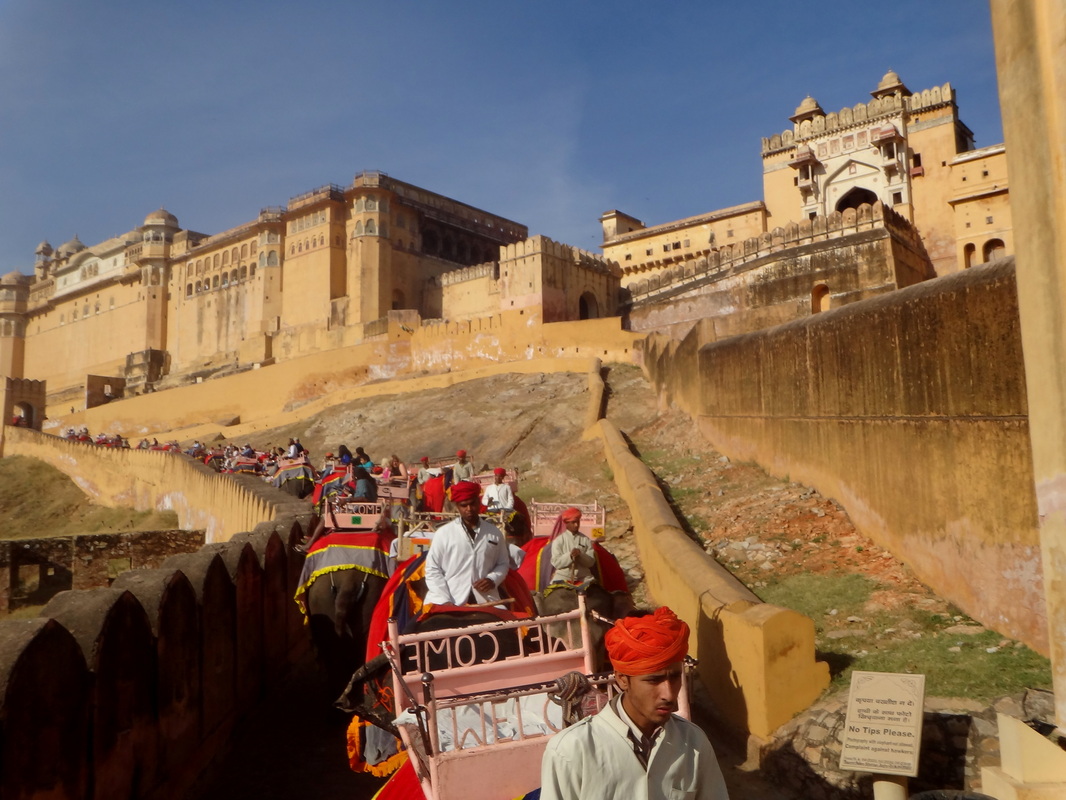
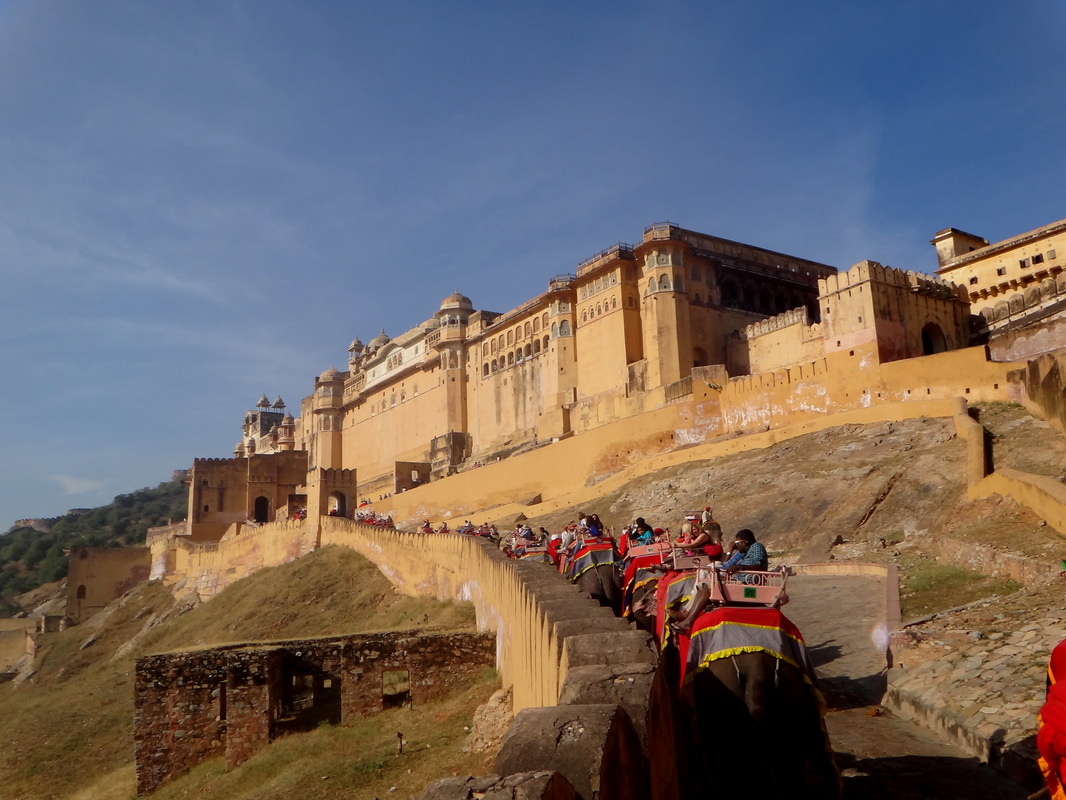
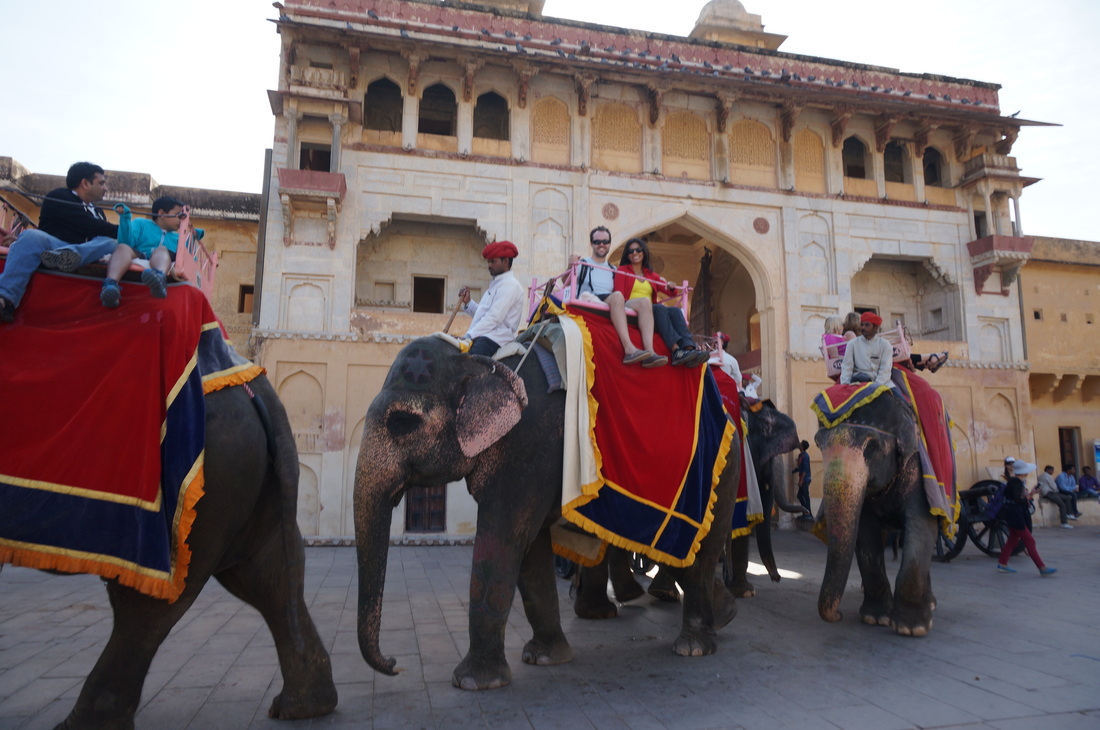
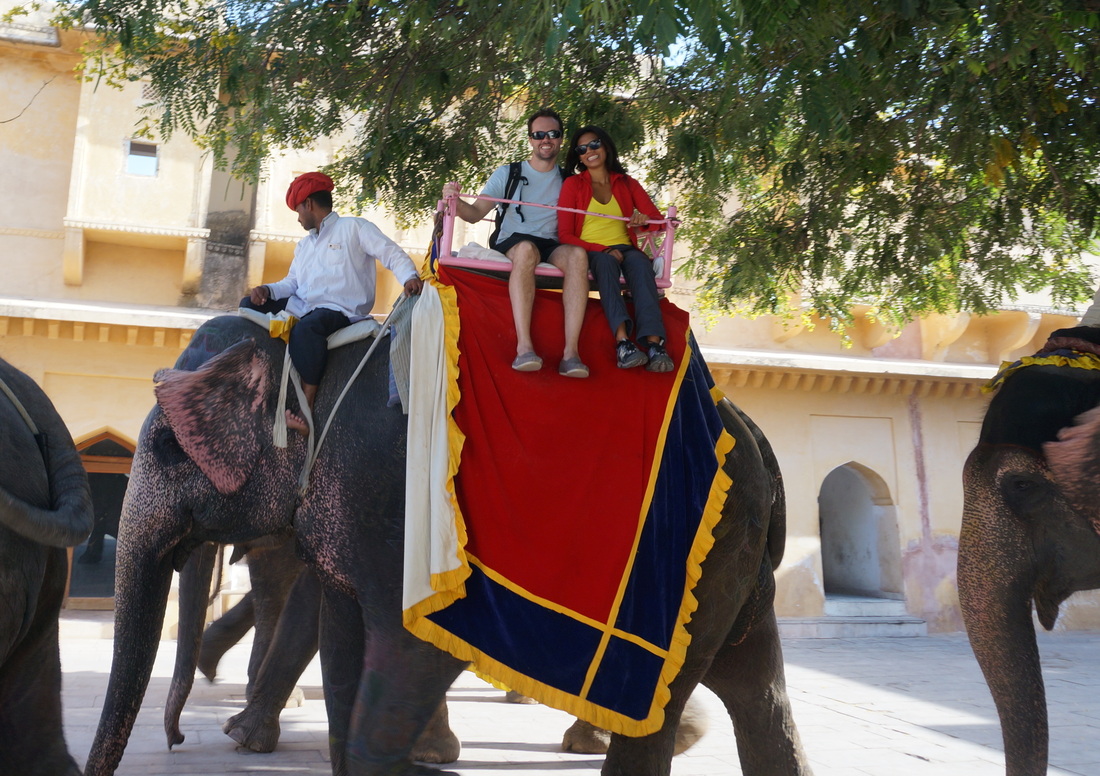
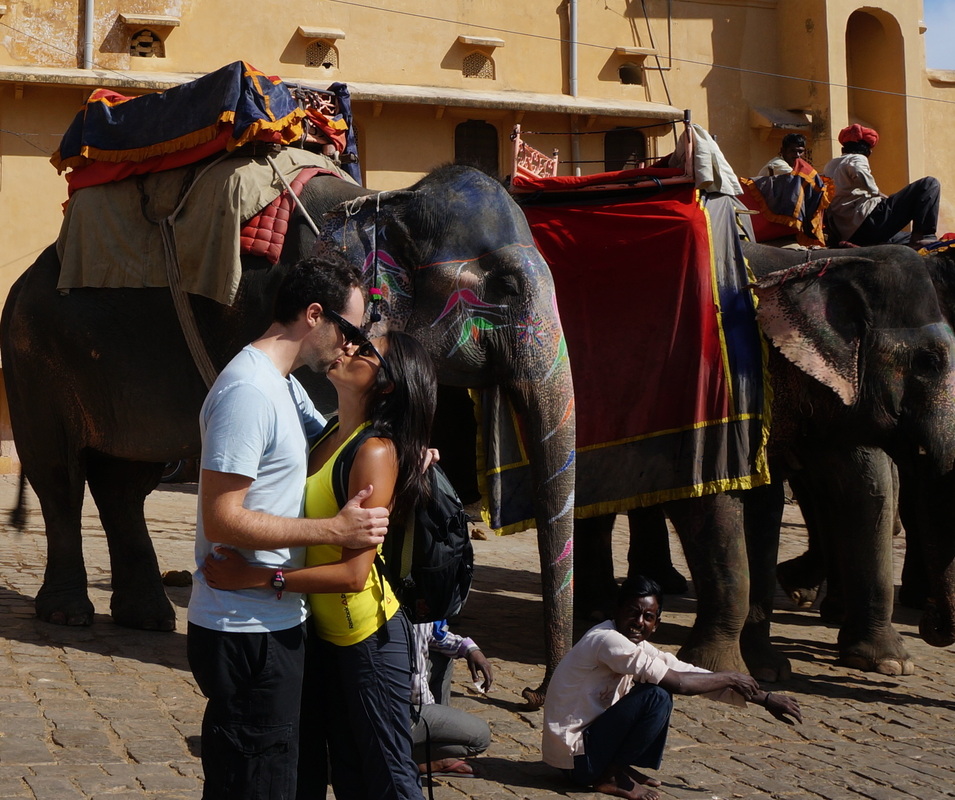
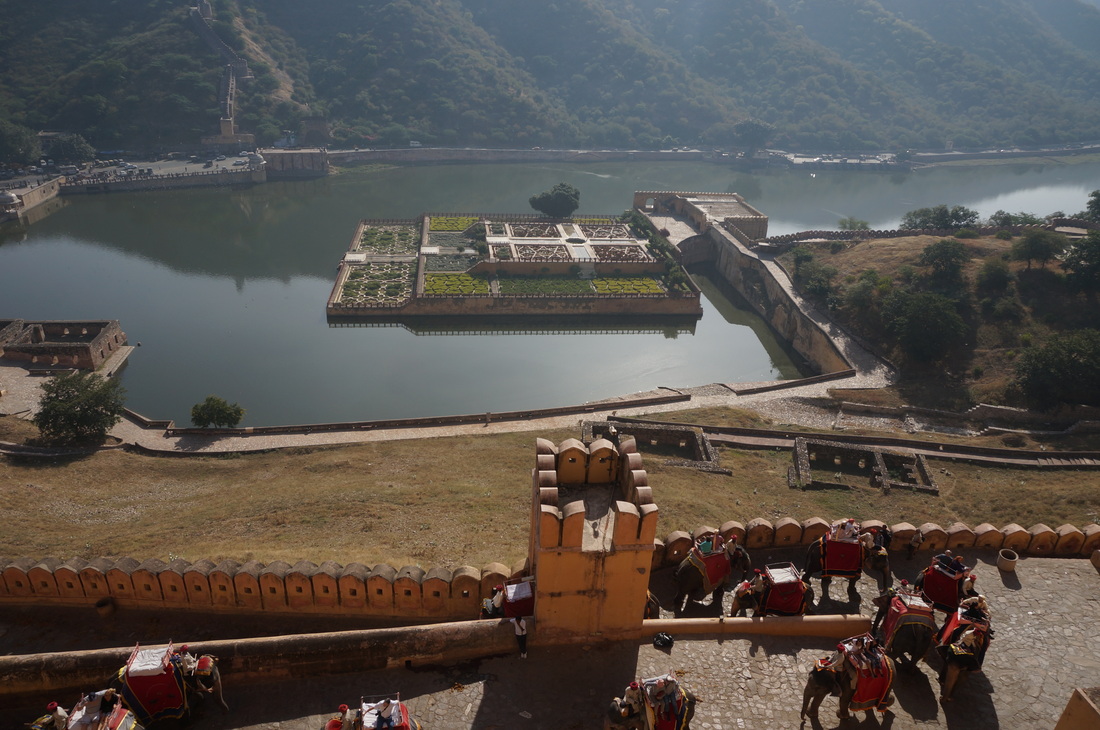
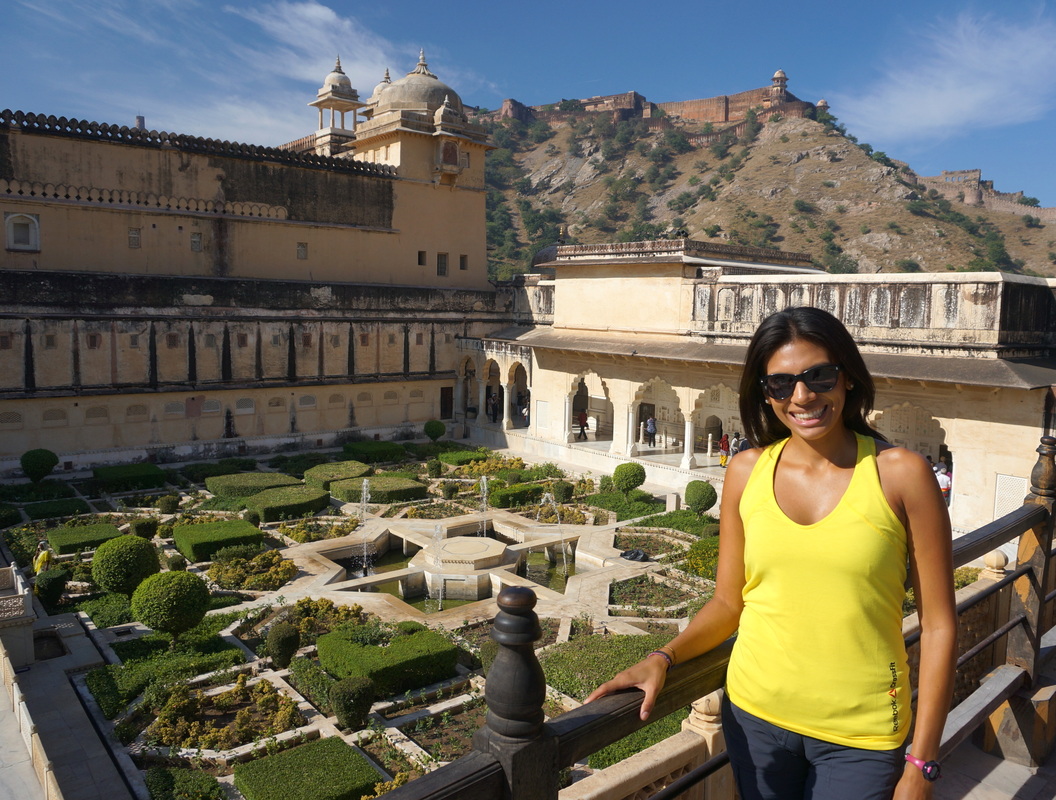
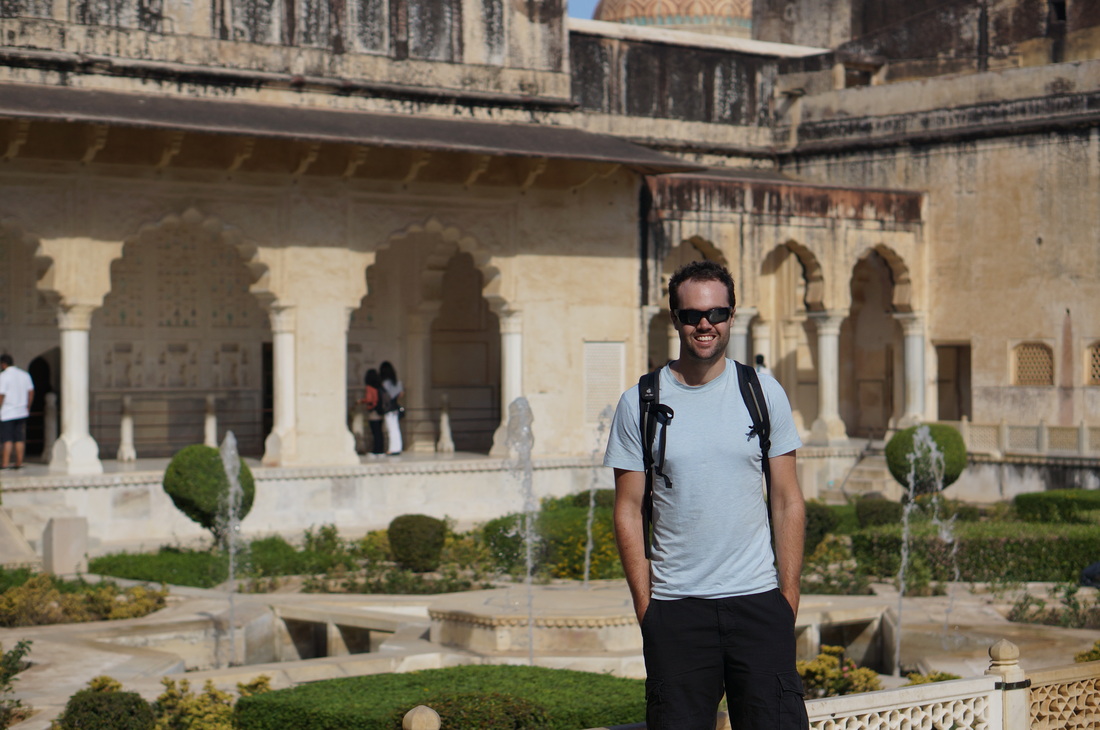
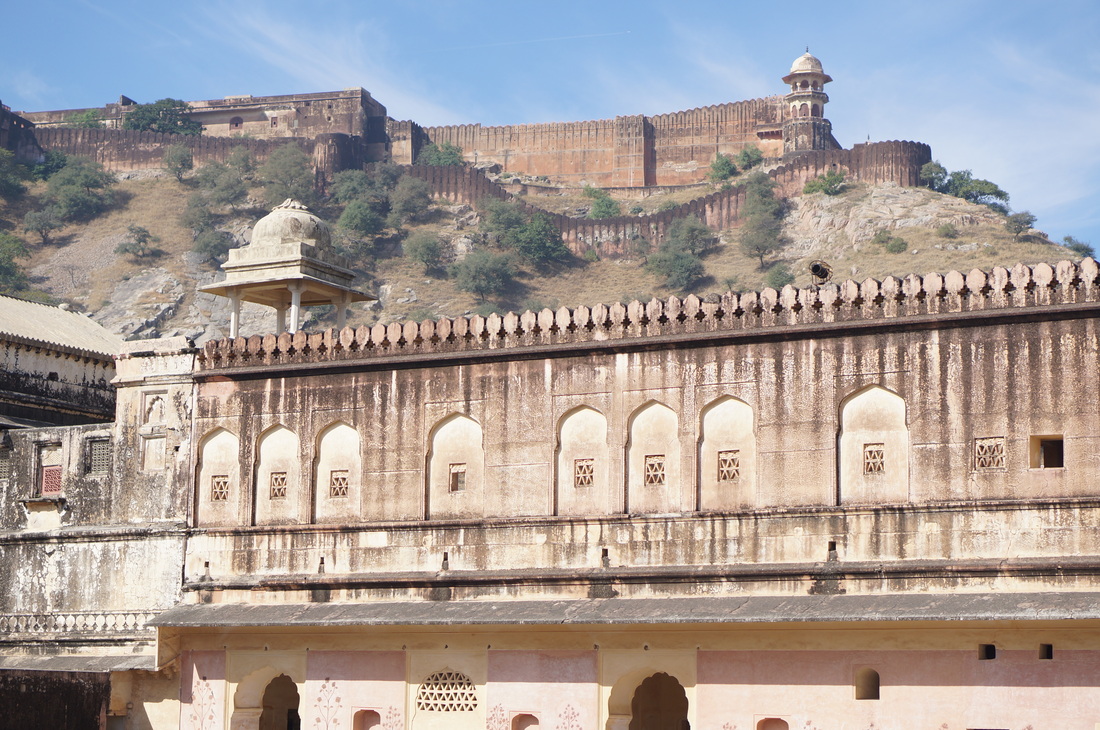
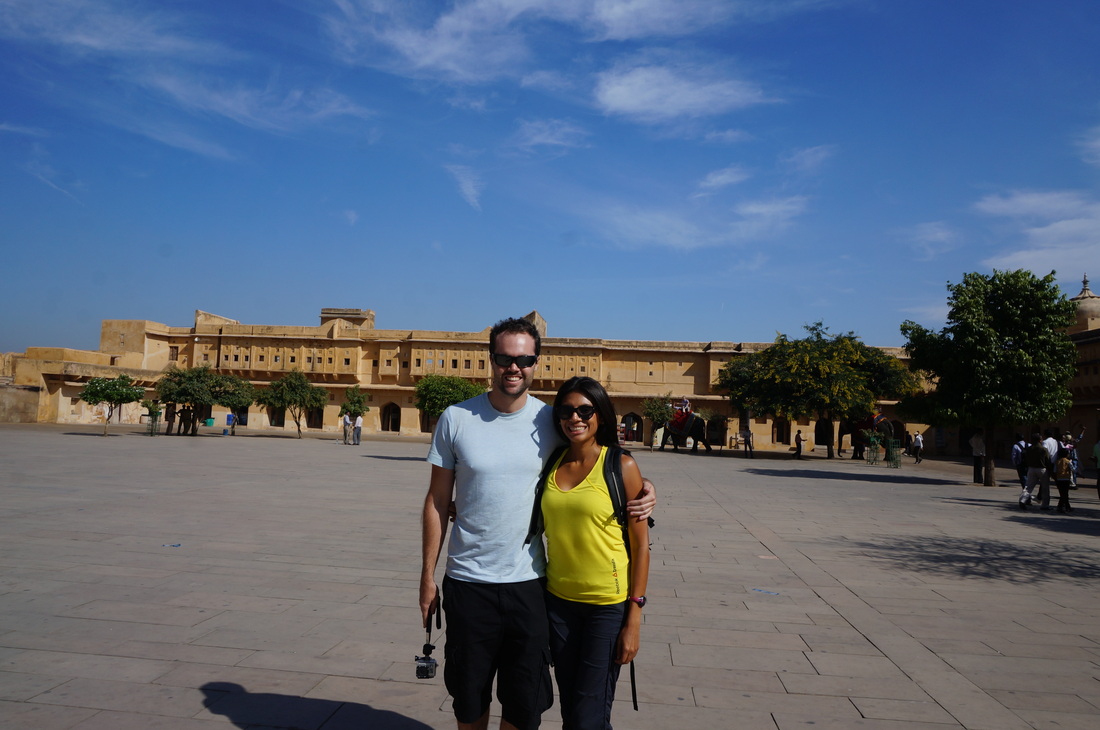
Only a few hours later, we arrived at the nearby Amber fort, feeling refreshed and ready to tick off another of Cindy’s bucket list items; riding an elephant to a palace. The historic hilltop fort is known as THE place to do it, and even though we arrived half an hour before the fort opened there were a few busloads of people lining up ahead of us.
Picture
Picture
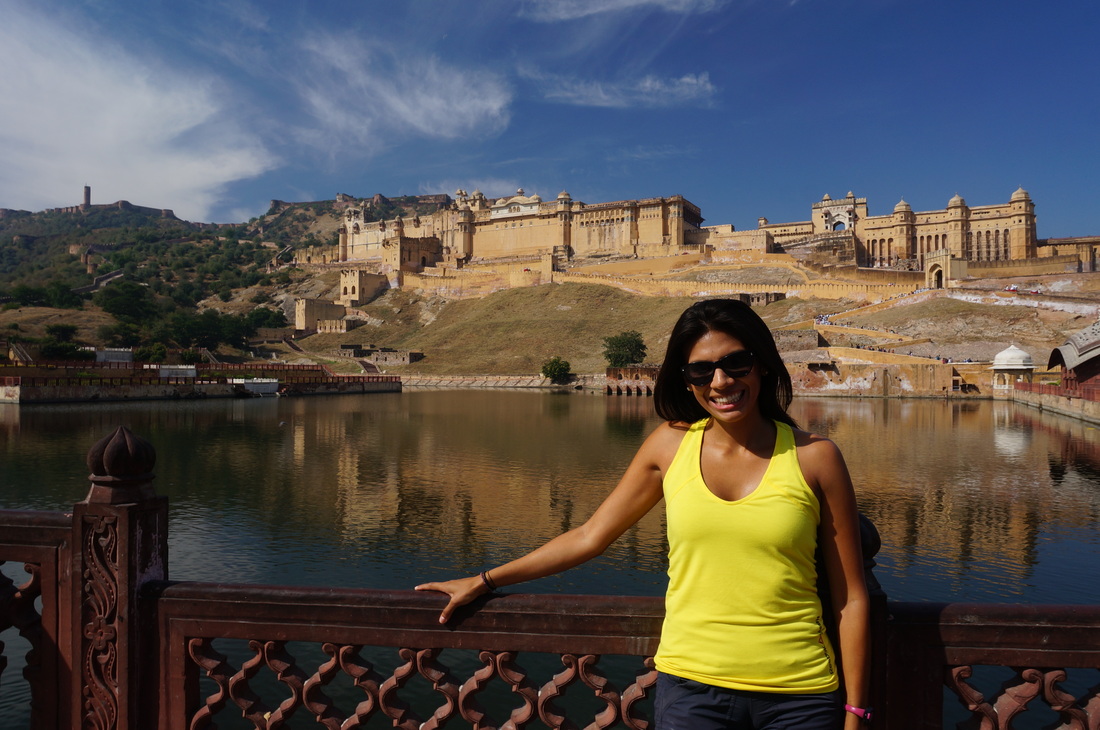
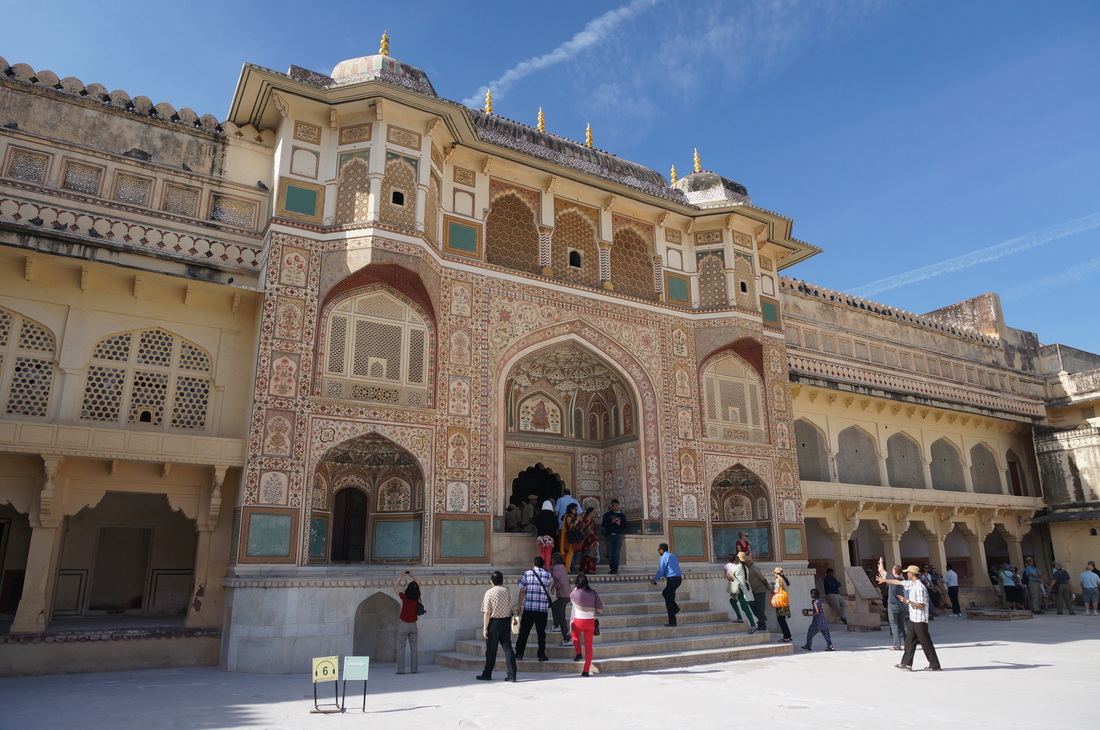
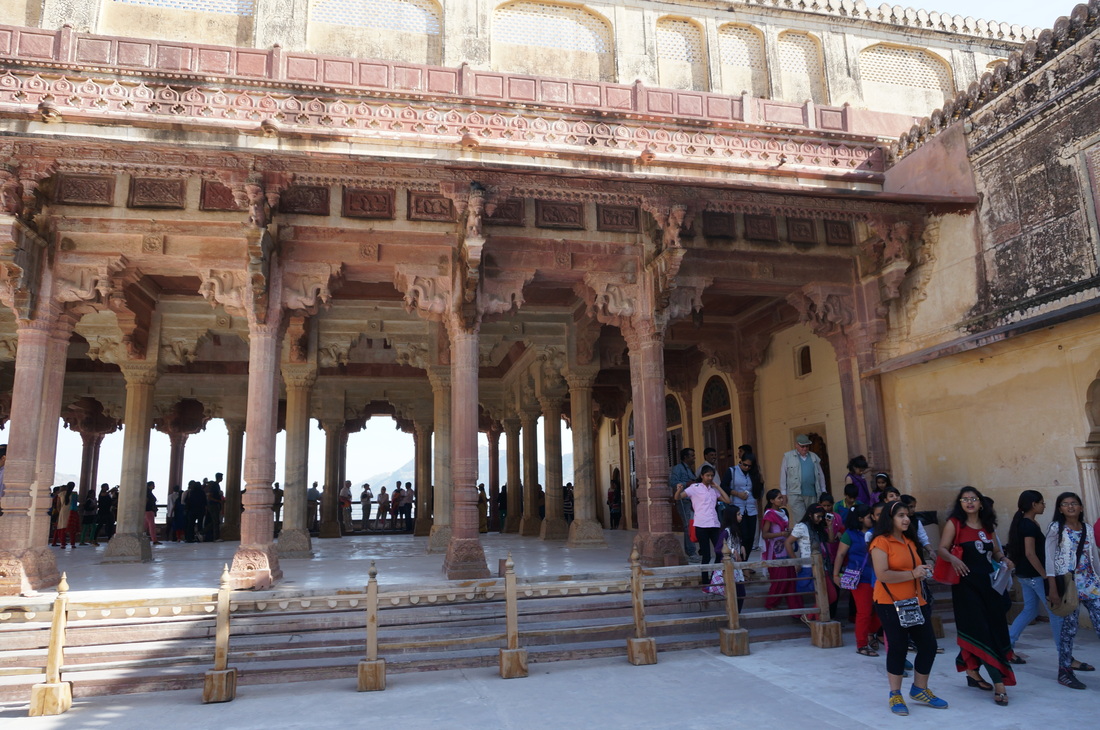
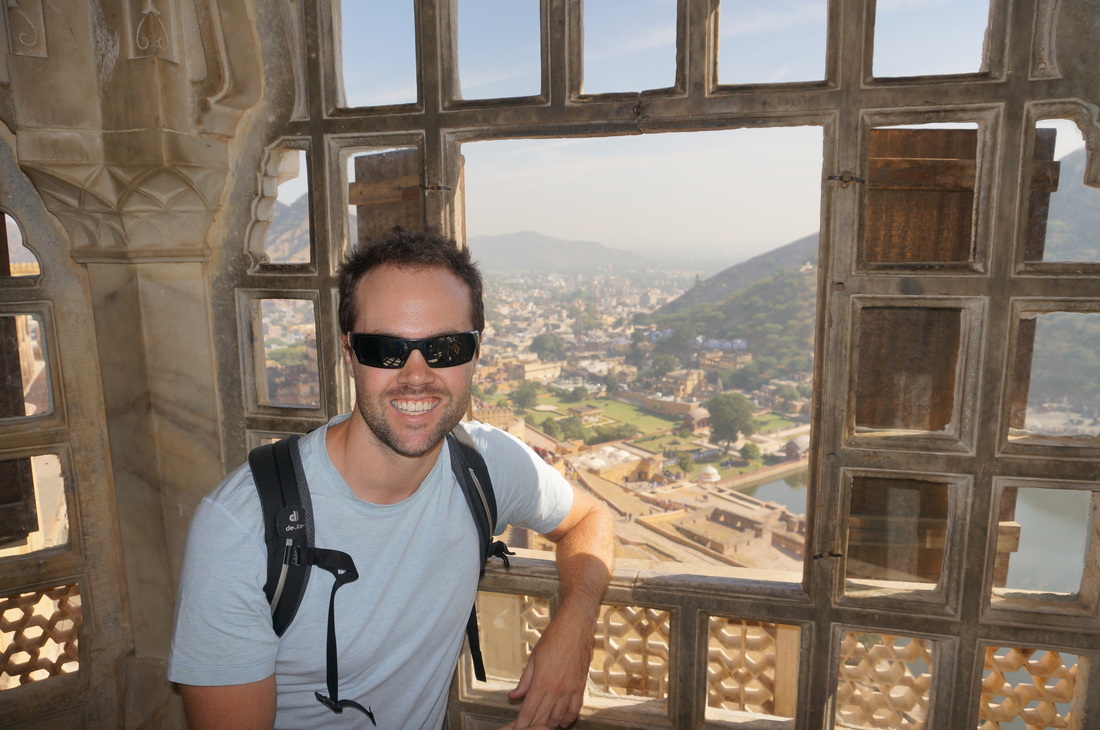
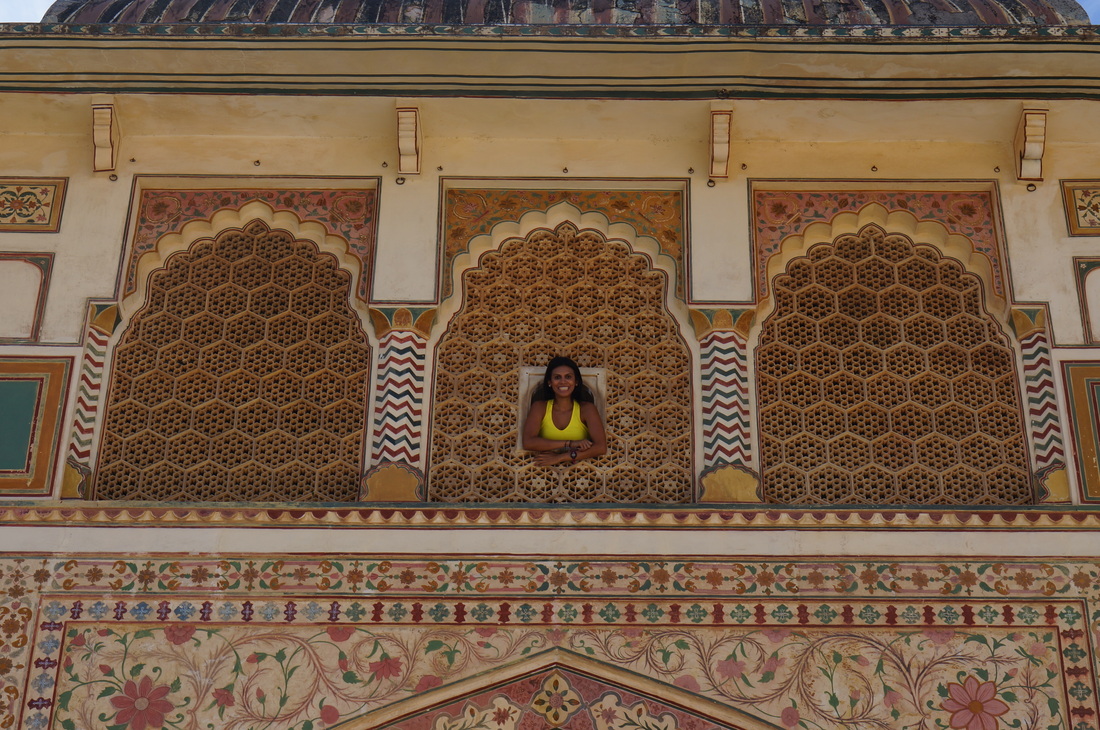
The ride was a lot of fun (despite the crowds and relentless spruikers), offering beautiful views of the palace, fort, lake, gardens and surrounding mountains. The huge palace at the top was just as impressive, although our guide’s thick accent meant we didn’t get the full benefit of his insight.
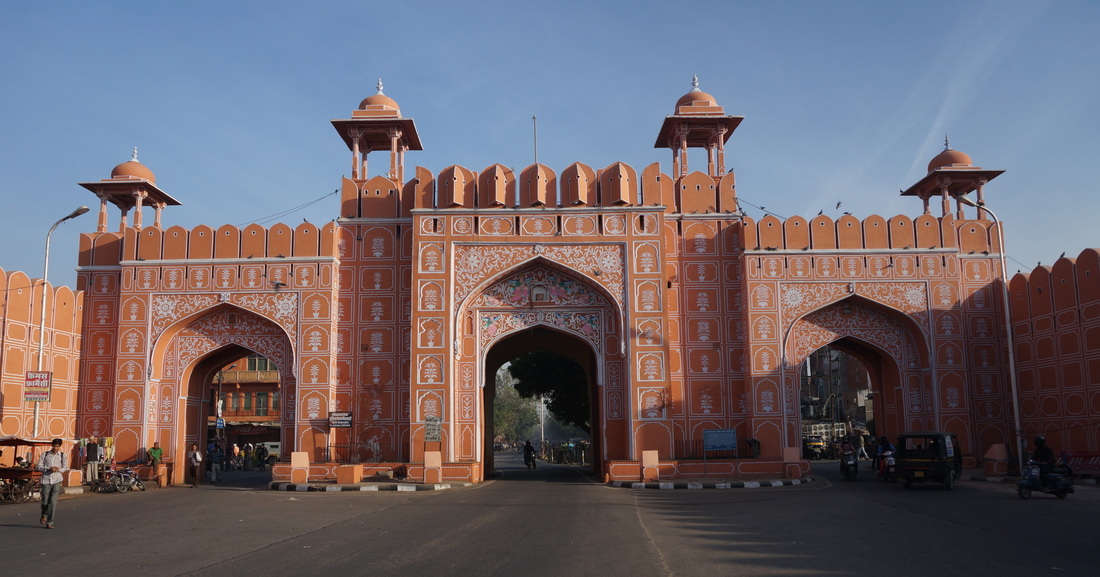
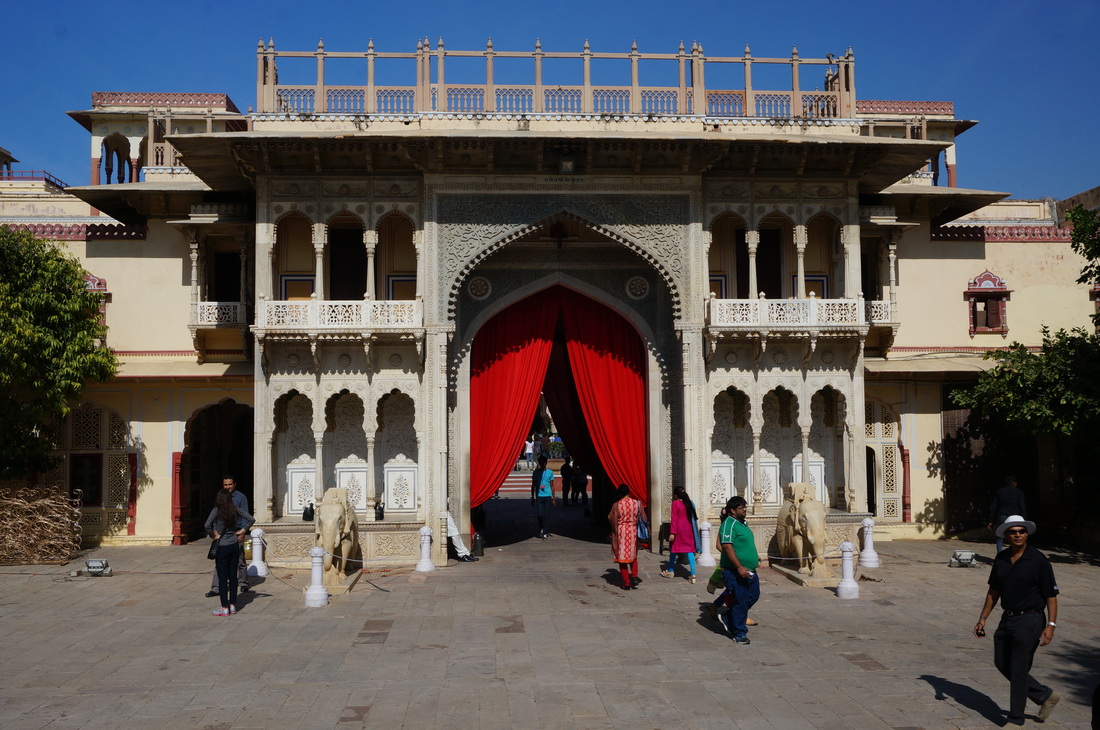
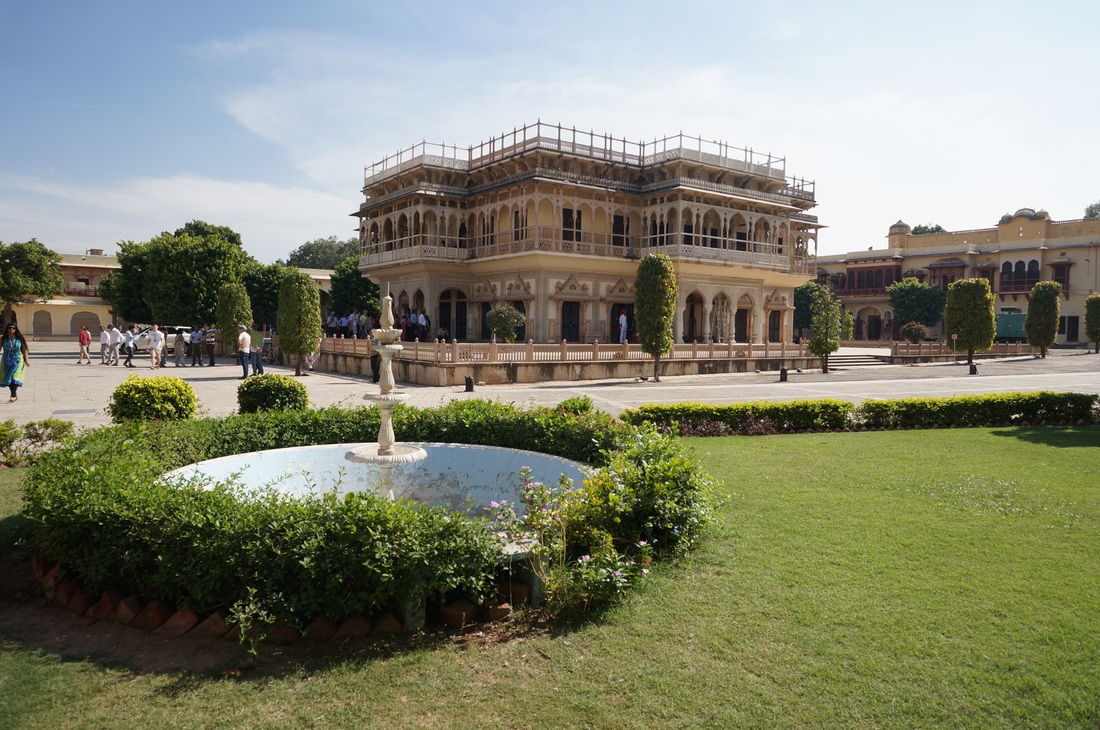
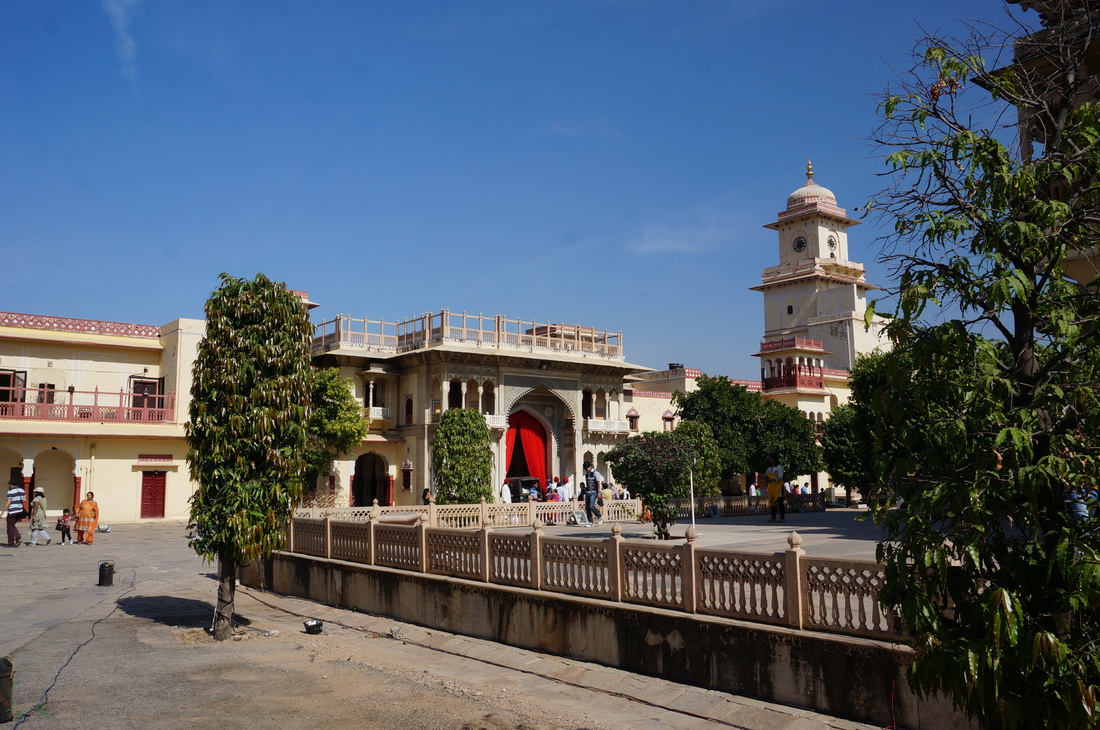
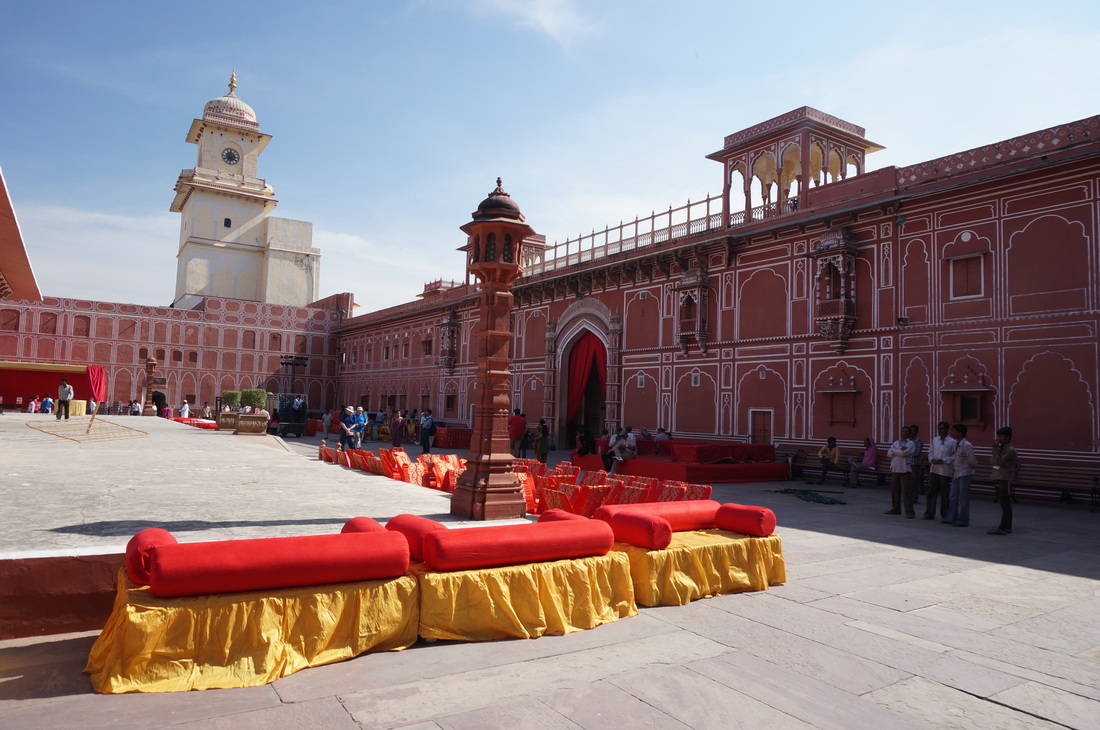
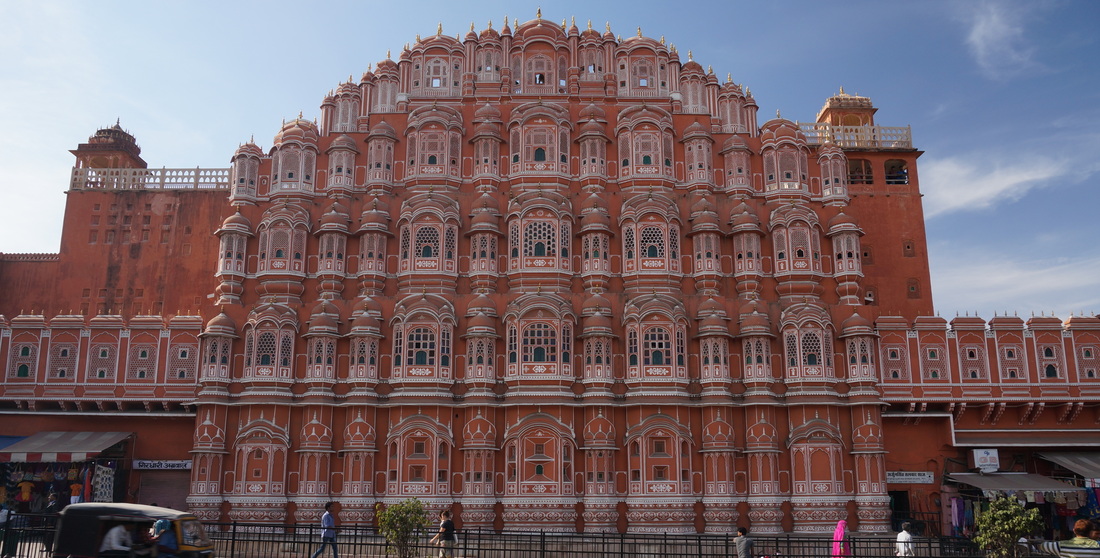
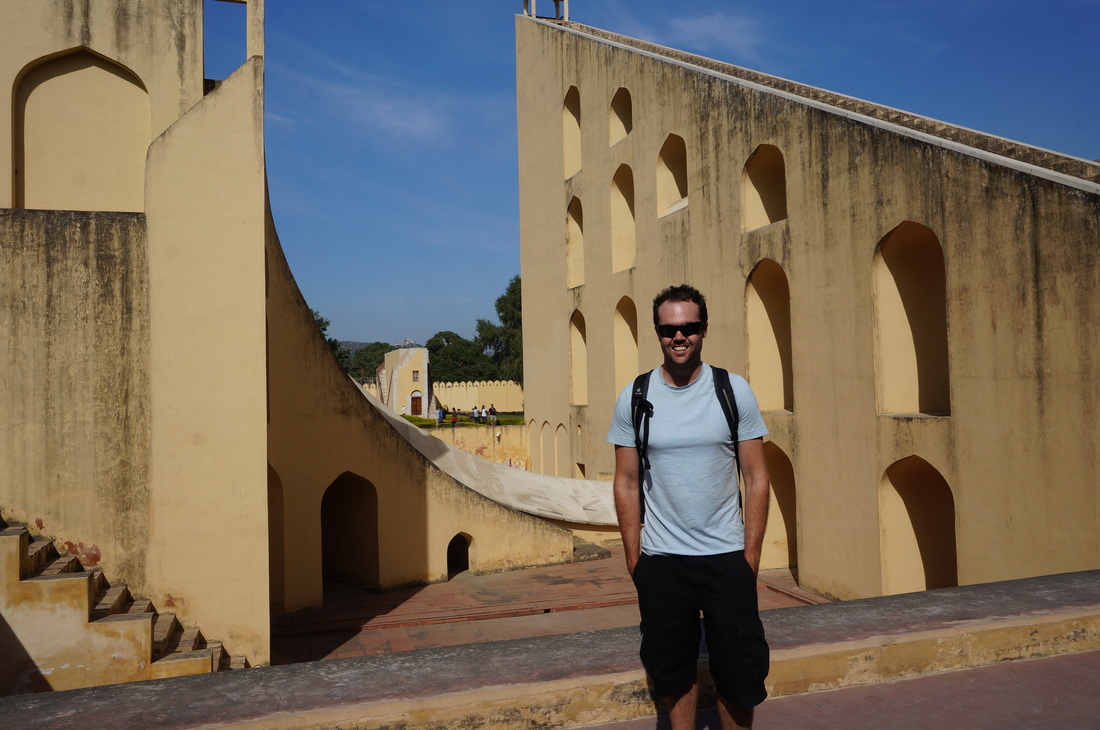
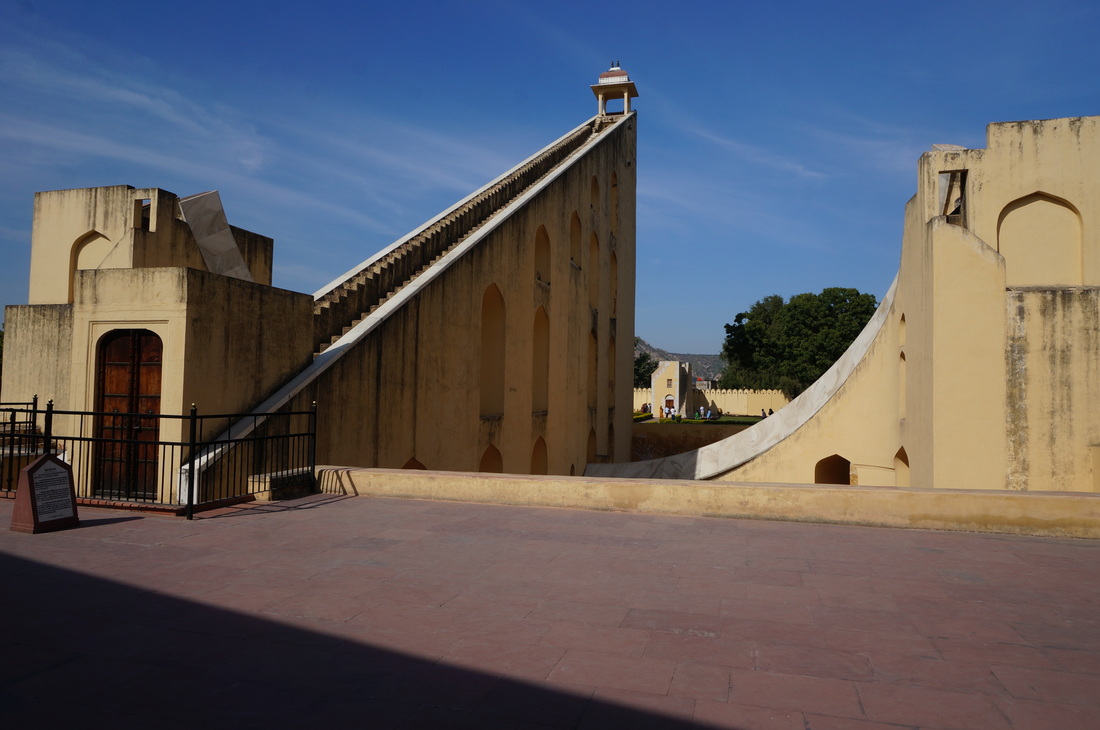
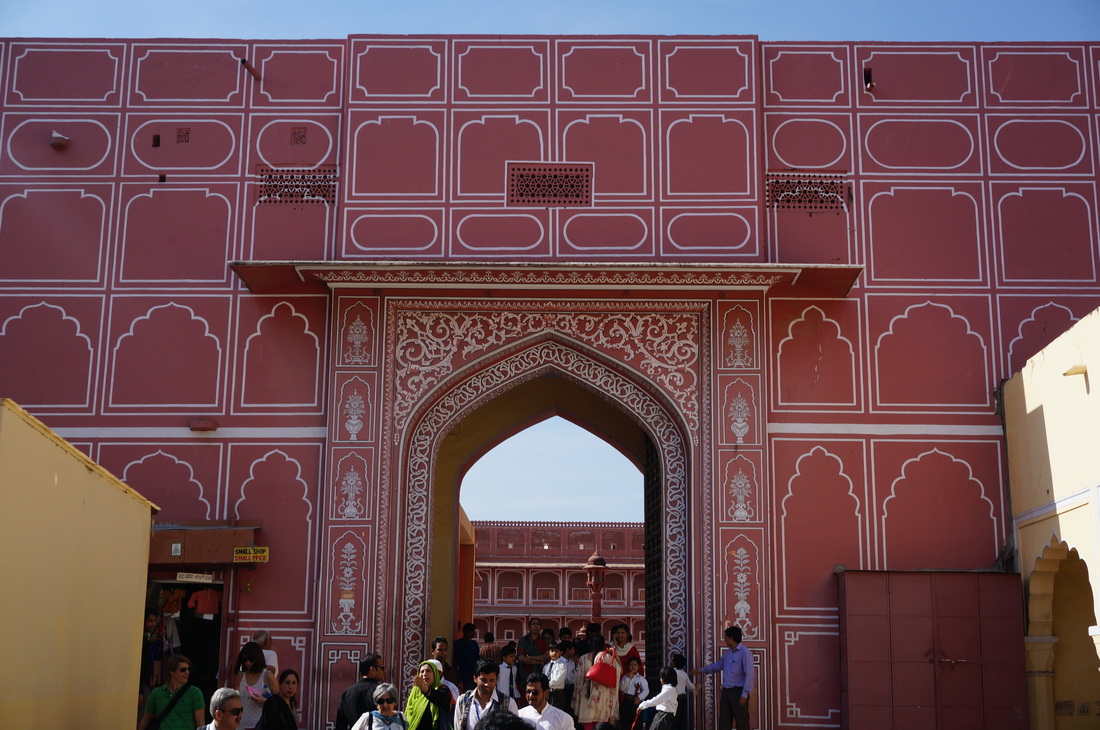
We spent the rest of the day in Jaipur’s historic walled Pink City. There, we visited the expansive (but we thought not otherwise impressive) City Palace and the beautiful Palace of the Winds, which was designed to allow women to see the outside world without themselves being seen (an architectural feature found in every Rajasthan palace we visited). We also walked through the Jantar Muntar, a well preserved collection of large-scale astrological instruments that were built by a Rajasthani king almost 300 years ago.
Picture
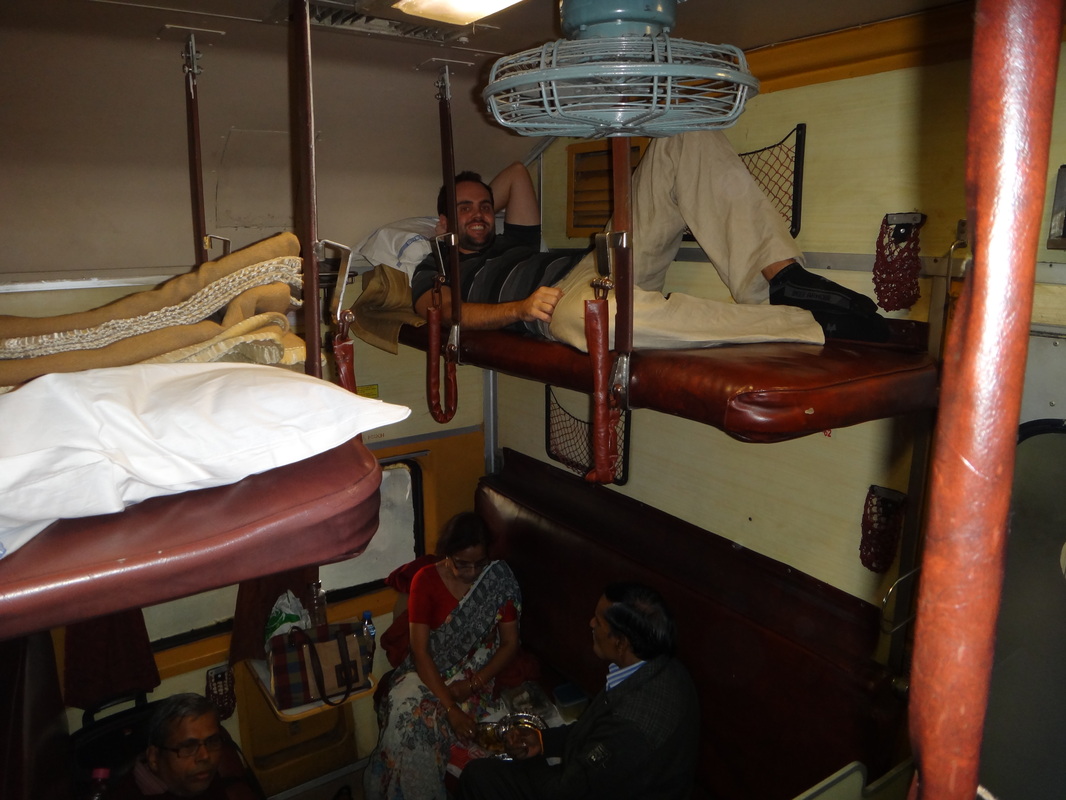
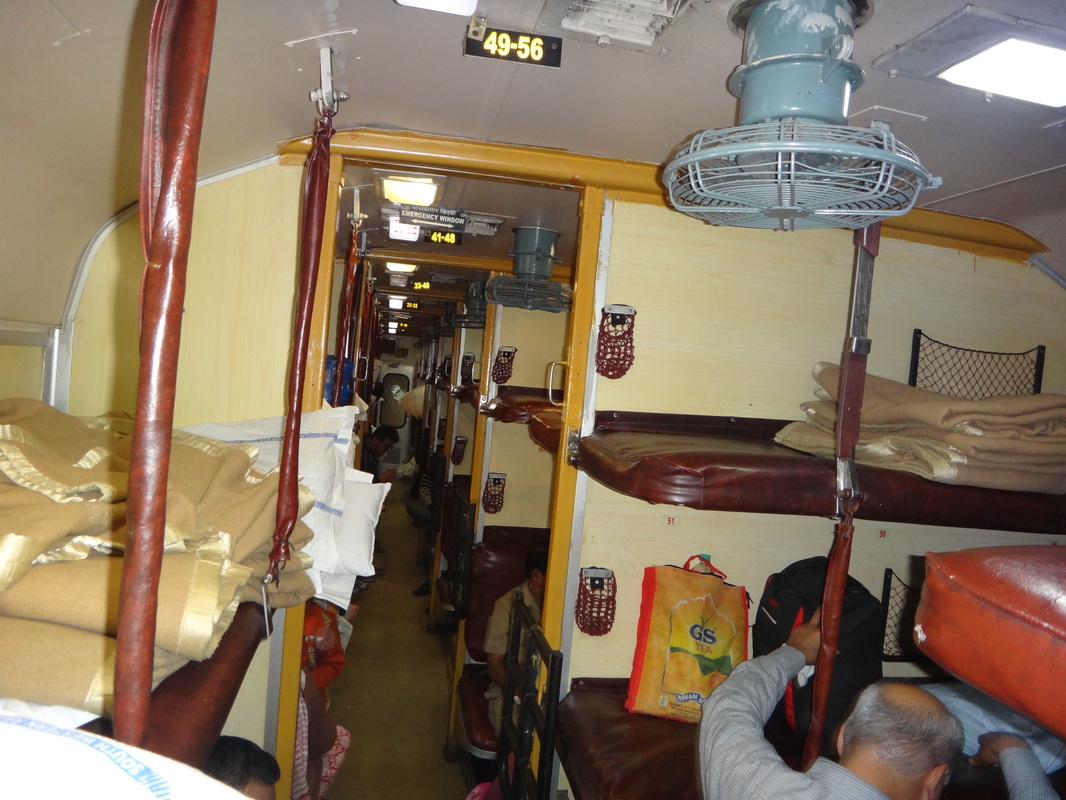
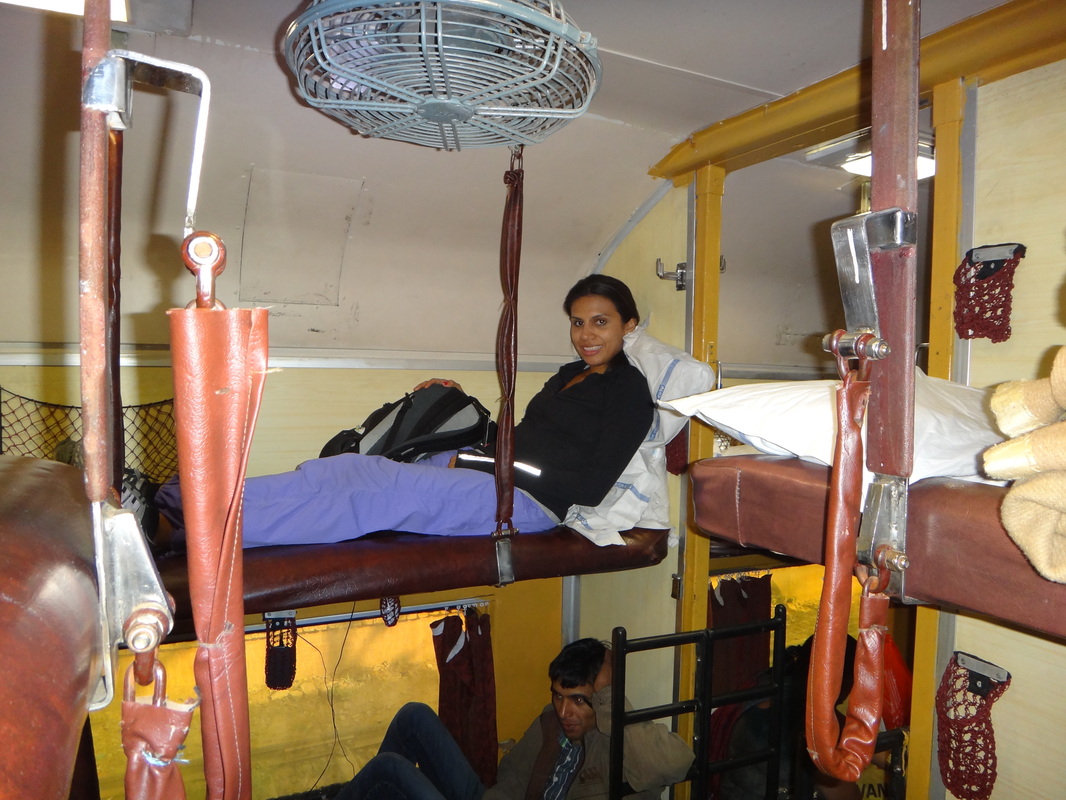
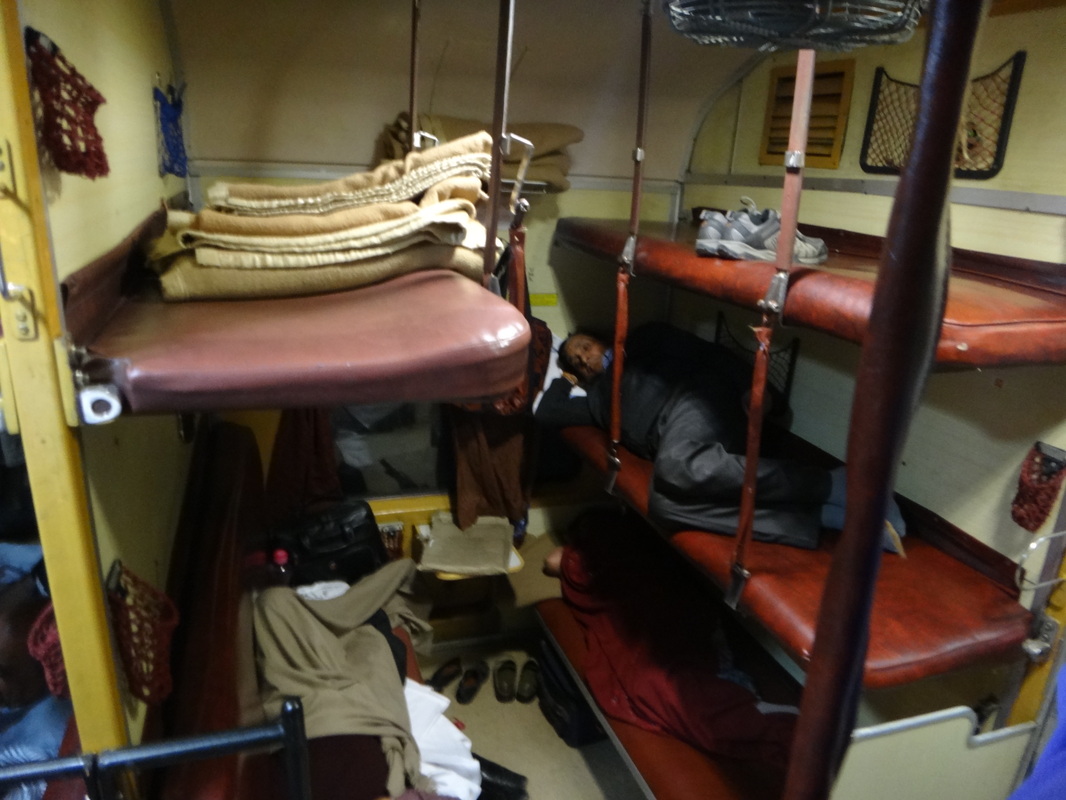
To get to our next stop, Jodhpur, we had booked an ‘express’ four-hour train leaving at 6am, this time sitting in third class (the best available at the time we booked). Indian trains, we had already learnt, are famous for being consistently late, and this time it meant we had to endure a further two an a half hours of locals’ most annoying habits (specifically, refusing to use any kind of deodorant, eating pungent food, having no respect for personal space, and, Cindy’s favorite, shamelessly and constantly staring).
Picture
Indian trains are also notorious for being difficult to book. In Khajuraho we had queued for half an hour to put our names on a waiting list for a train from Jodhpur to our next stop, Jaisalmer, and when we arrived in Jodhpur we spent almost an hour asking any rail work who would listen (in the end only two people) whether we had managed to get seats. By the time we finally arrived at our guest house, we had decided that we didn’t even want the train tickets any more (even if we could get them), so we were pleased when the owner was able to arrange a private taxi transfer for not much more than the train would have cost.

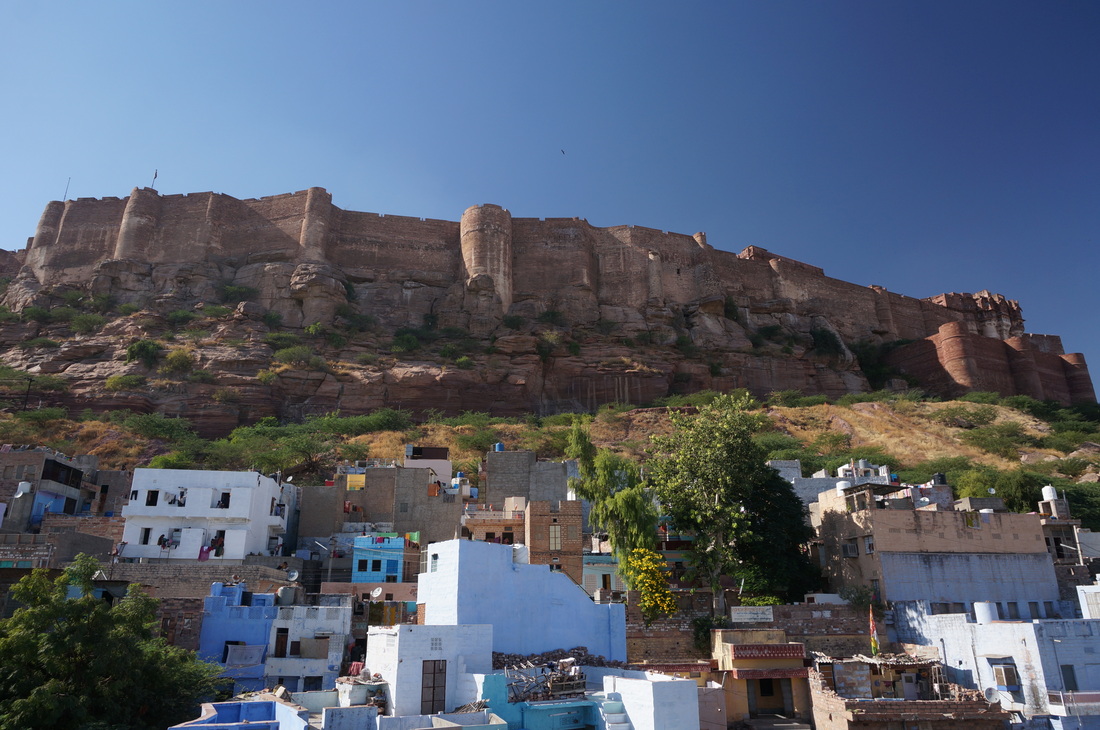
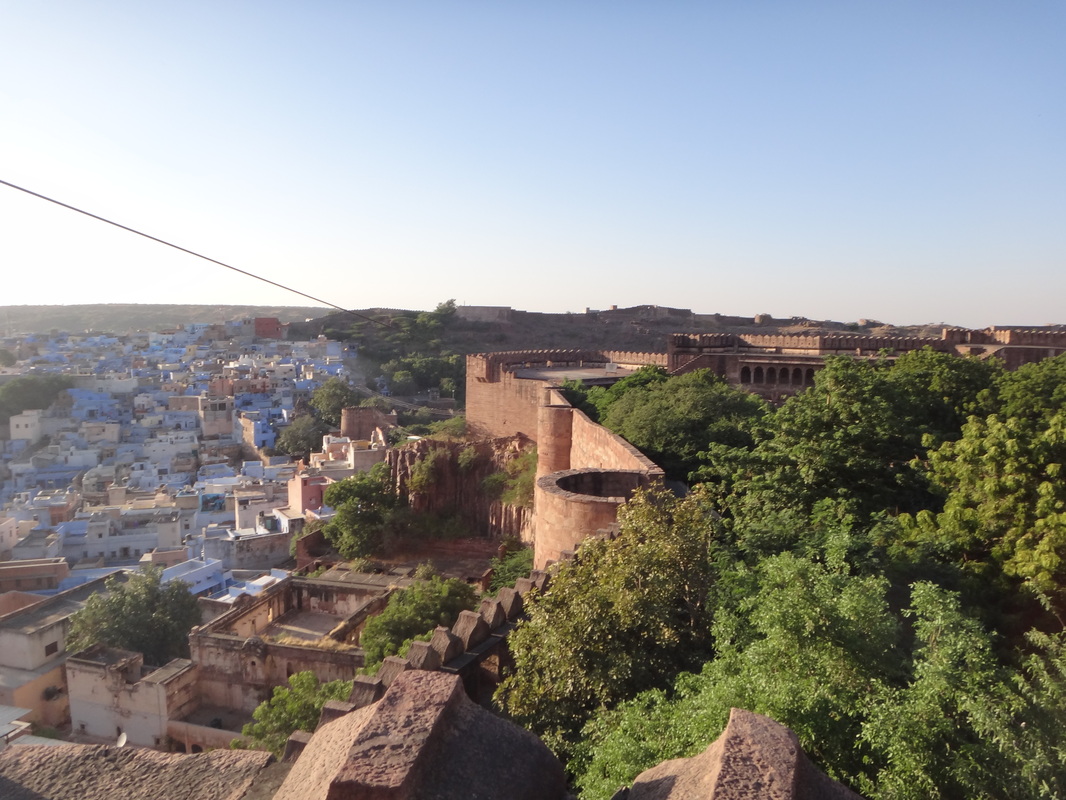
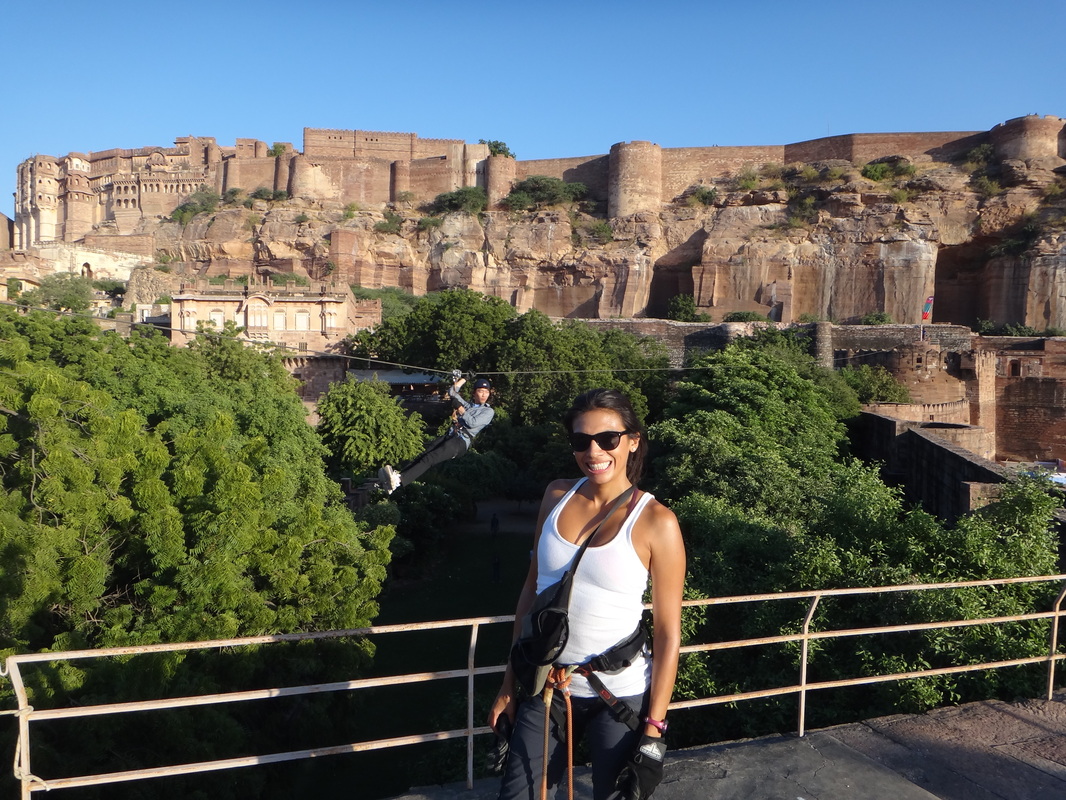
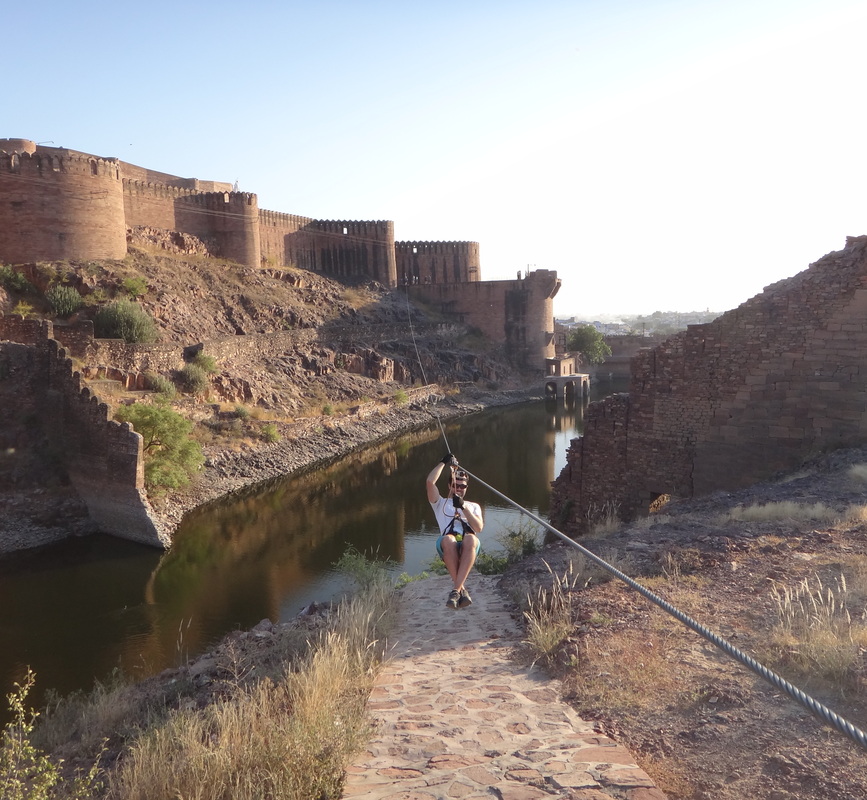
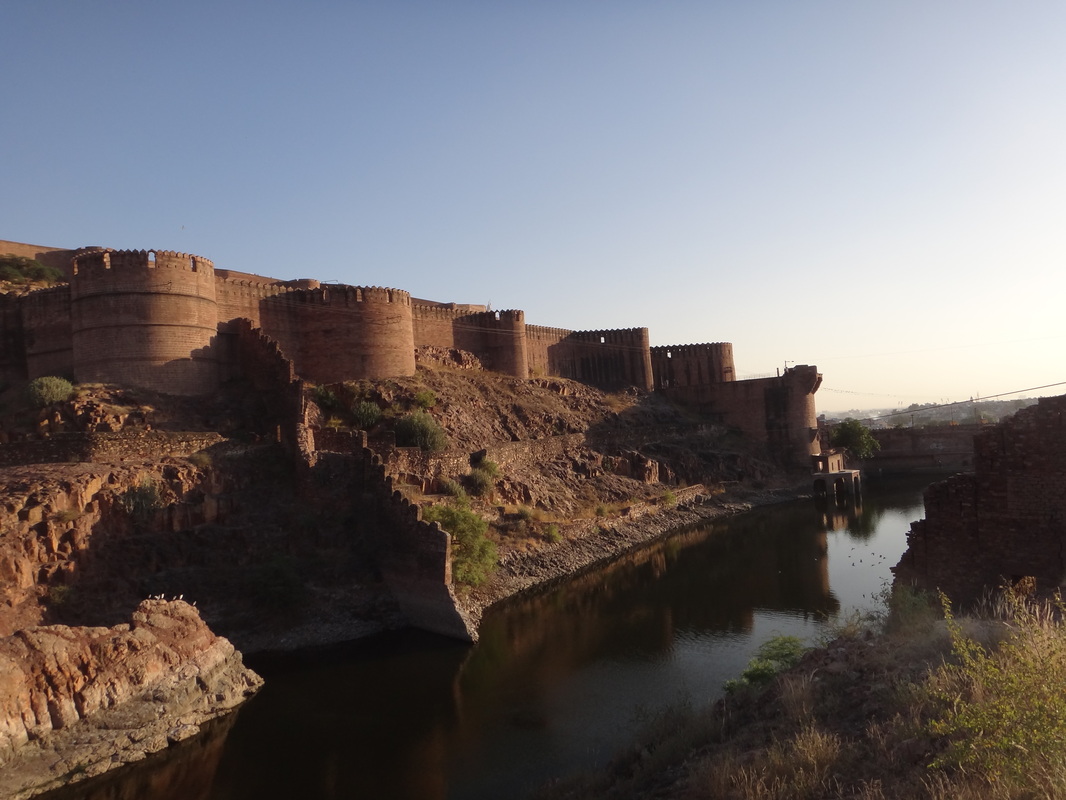
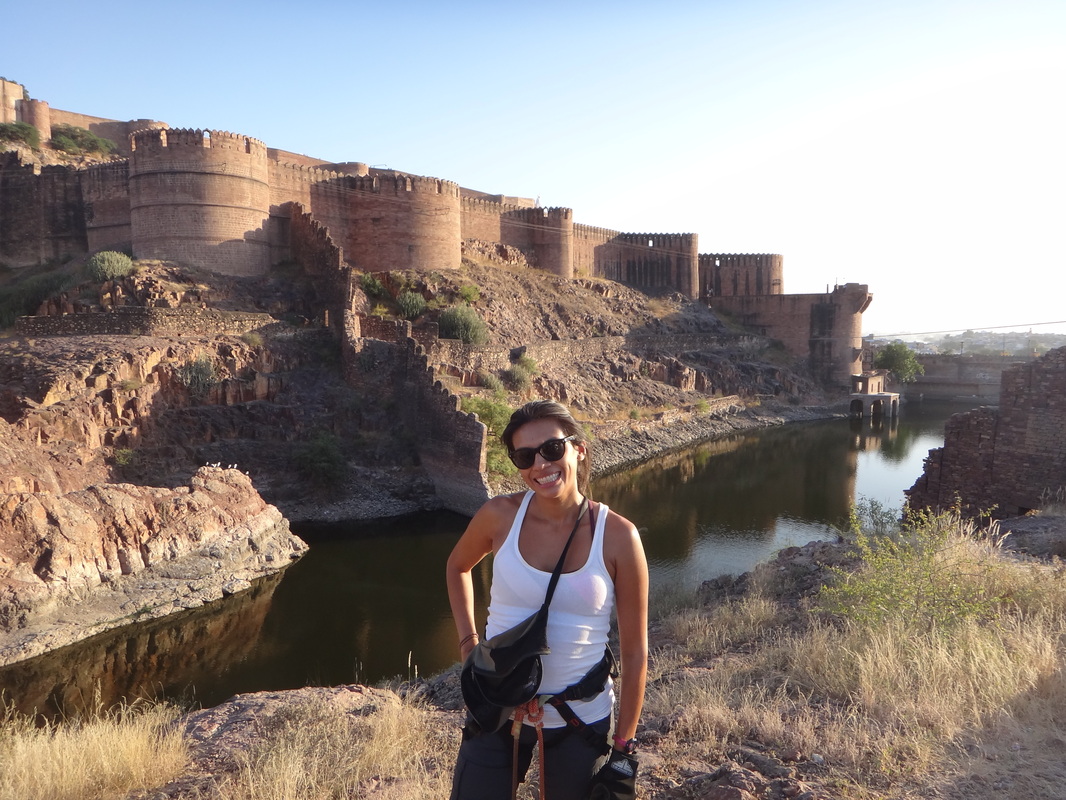
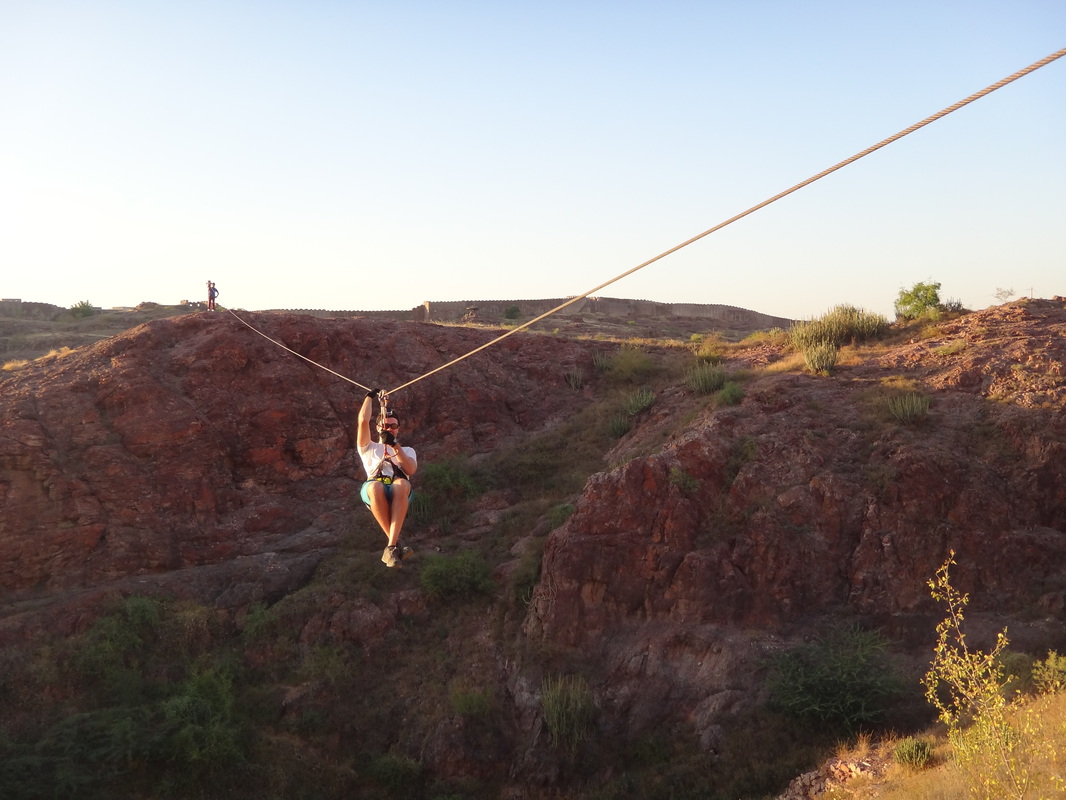
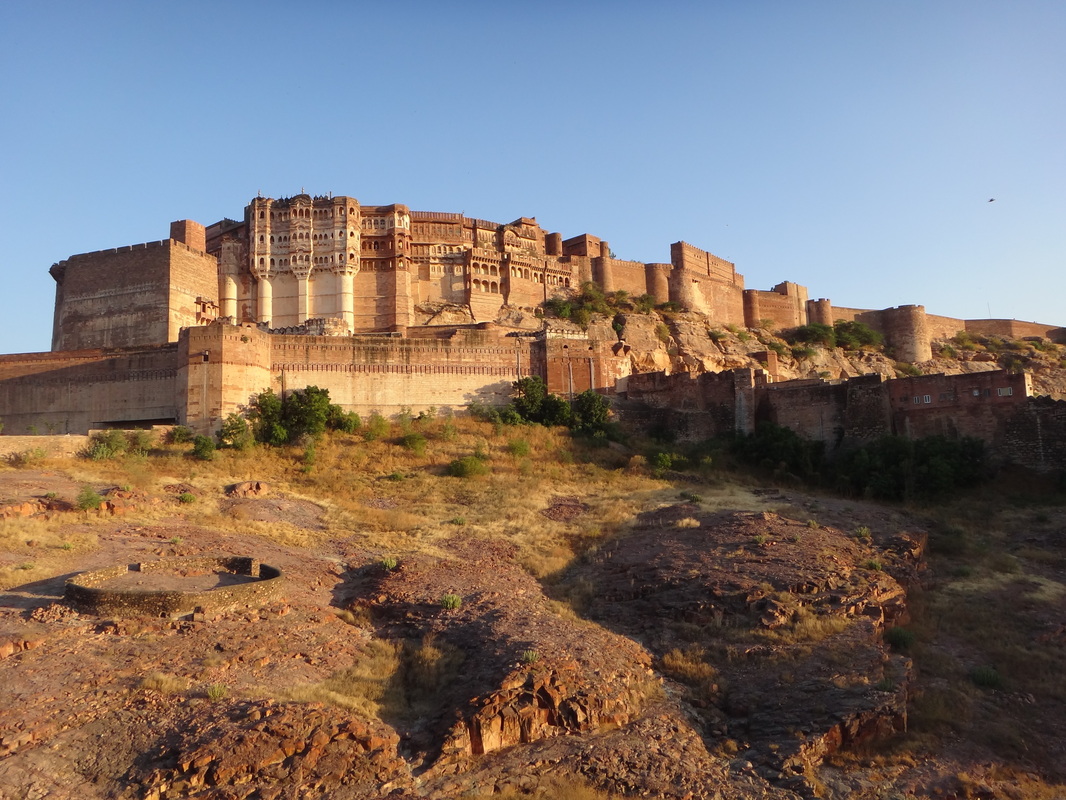
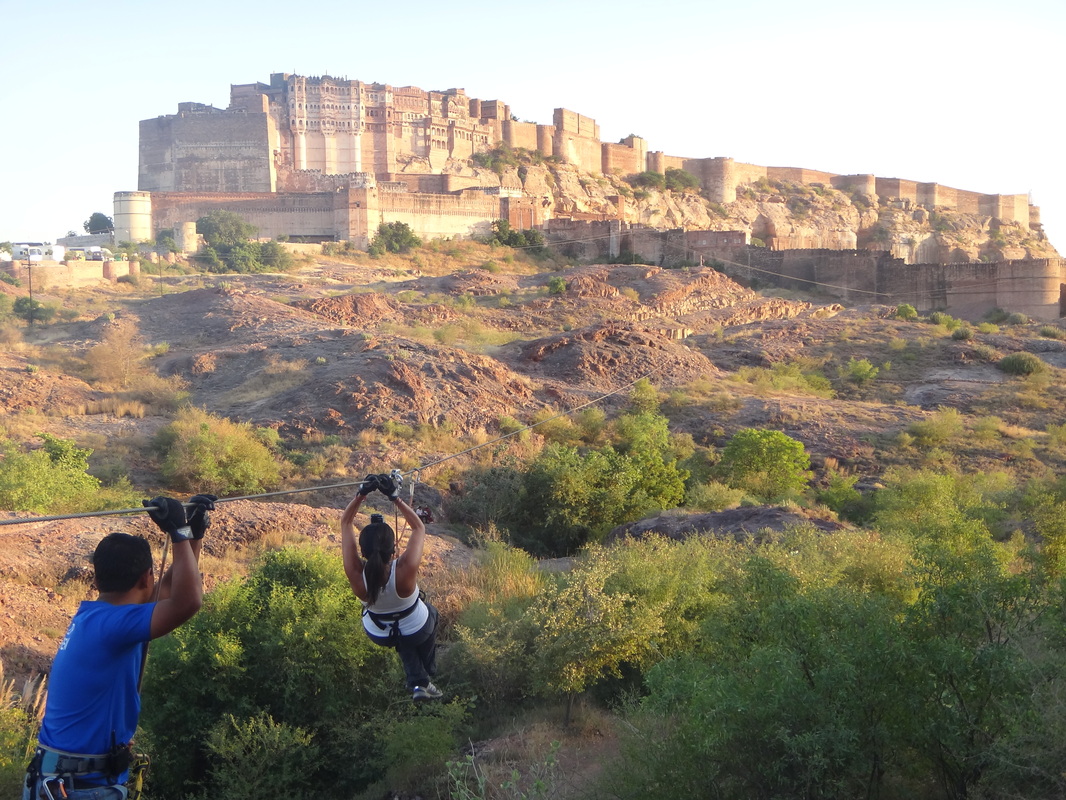
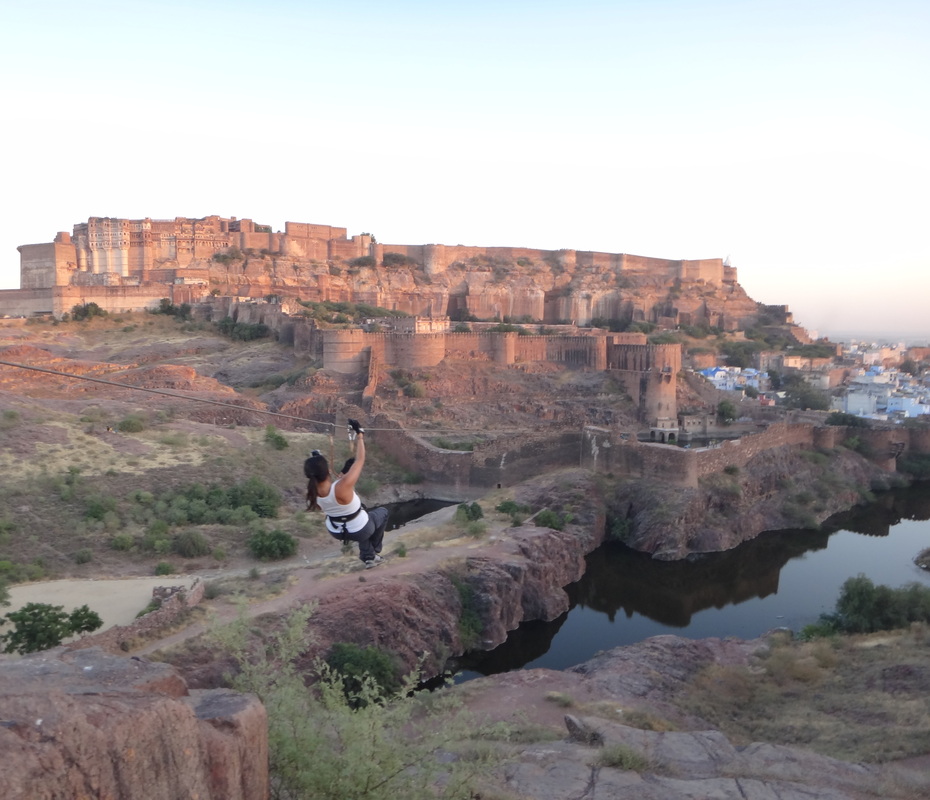
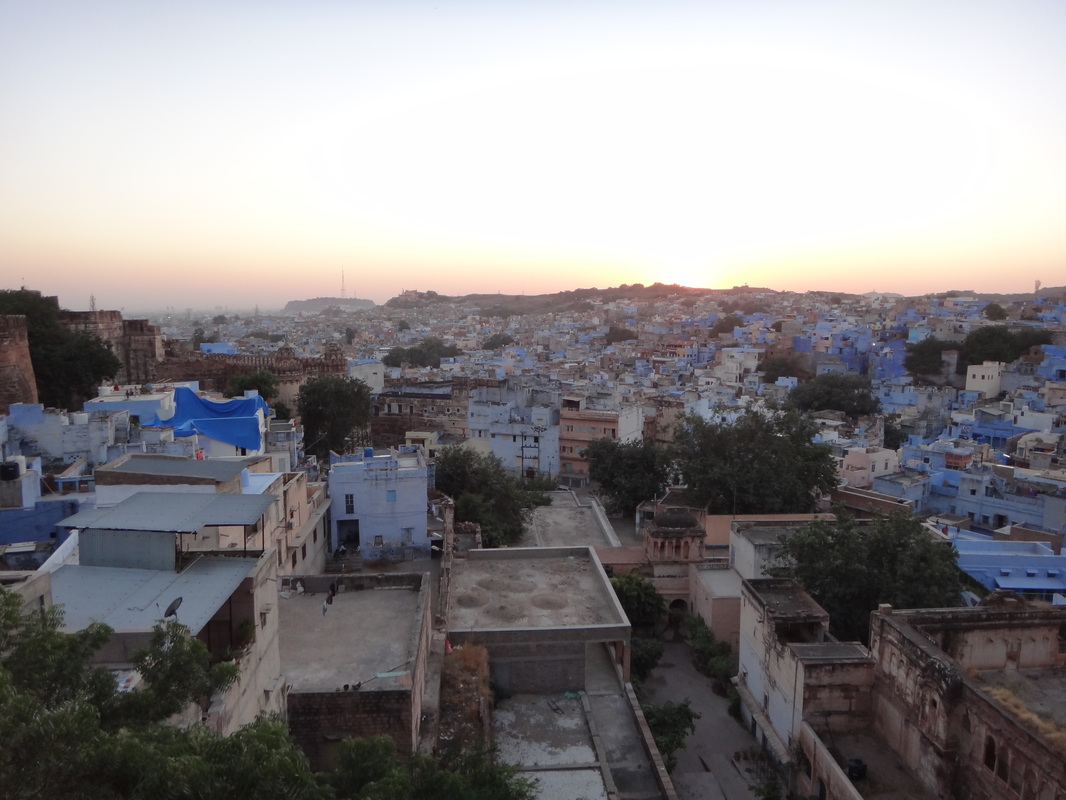
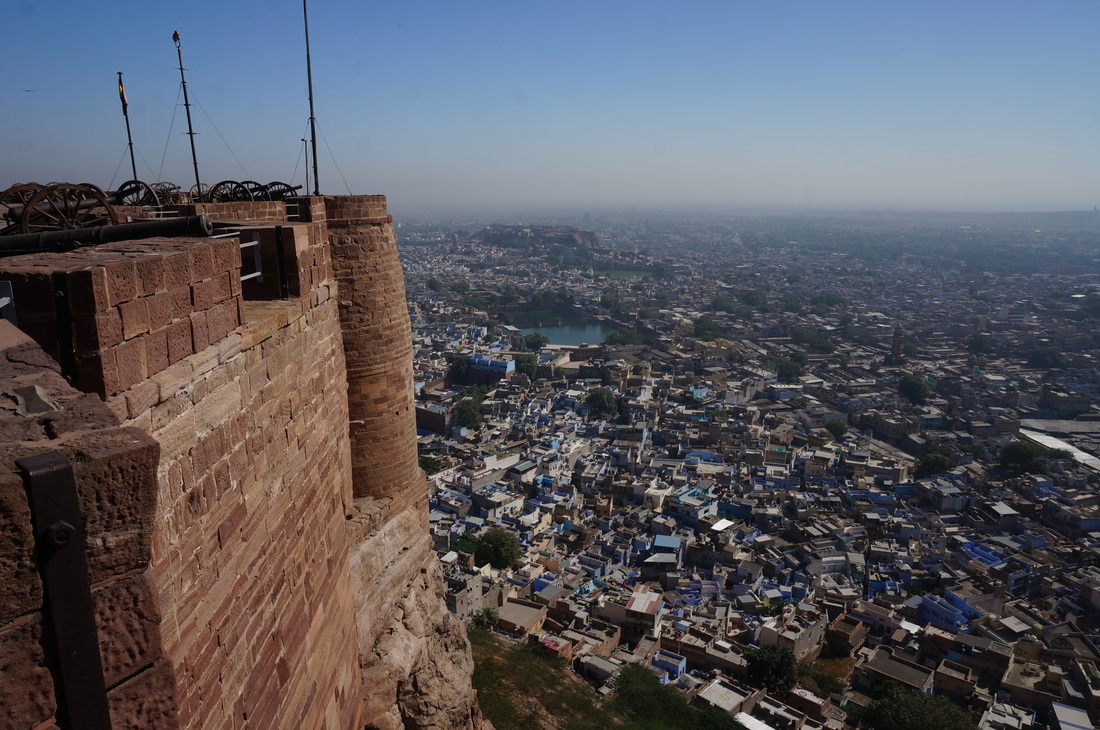
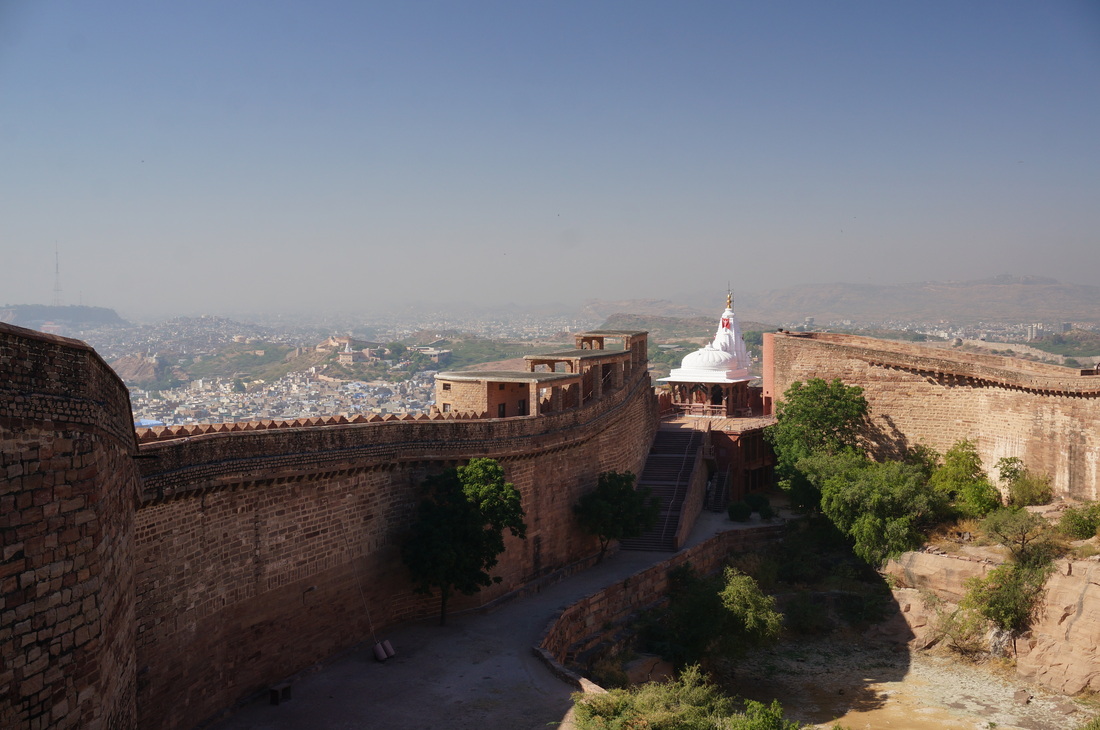
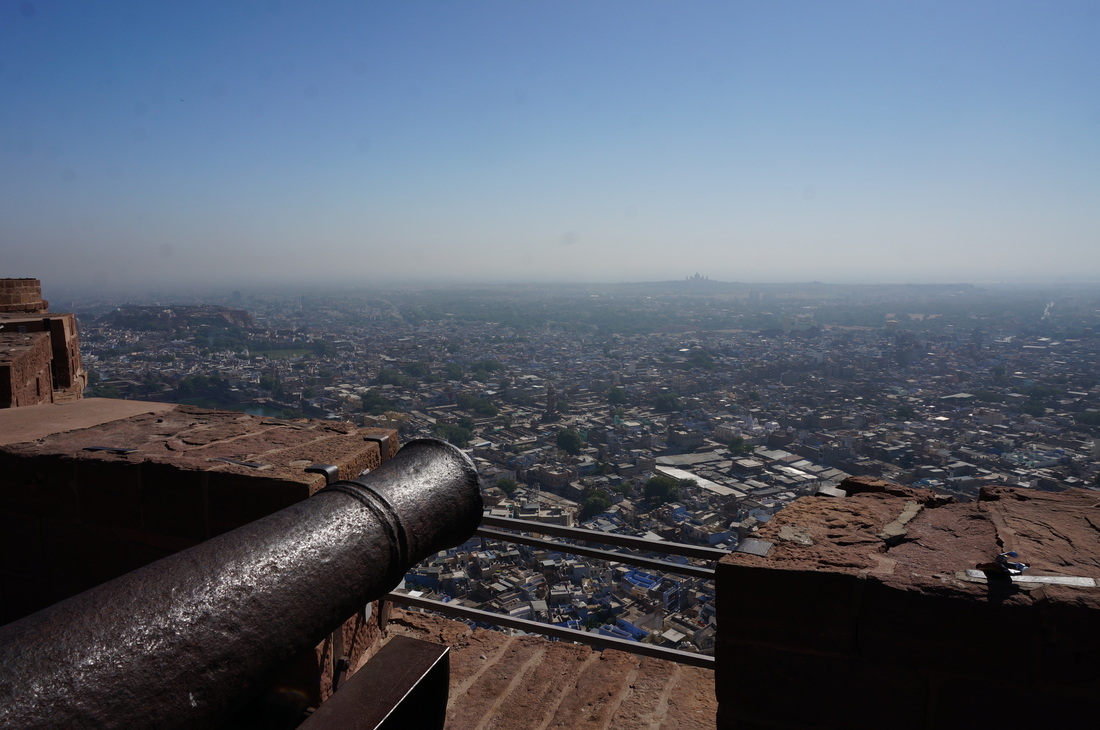
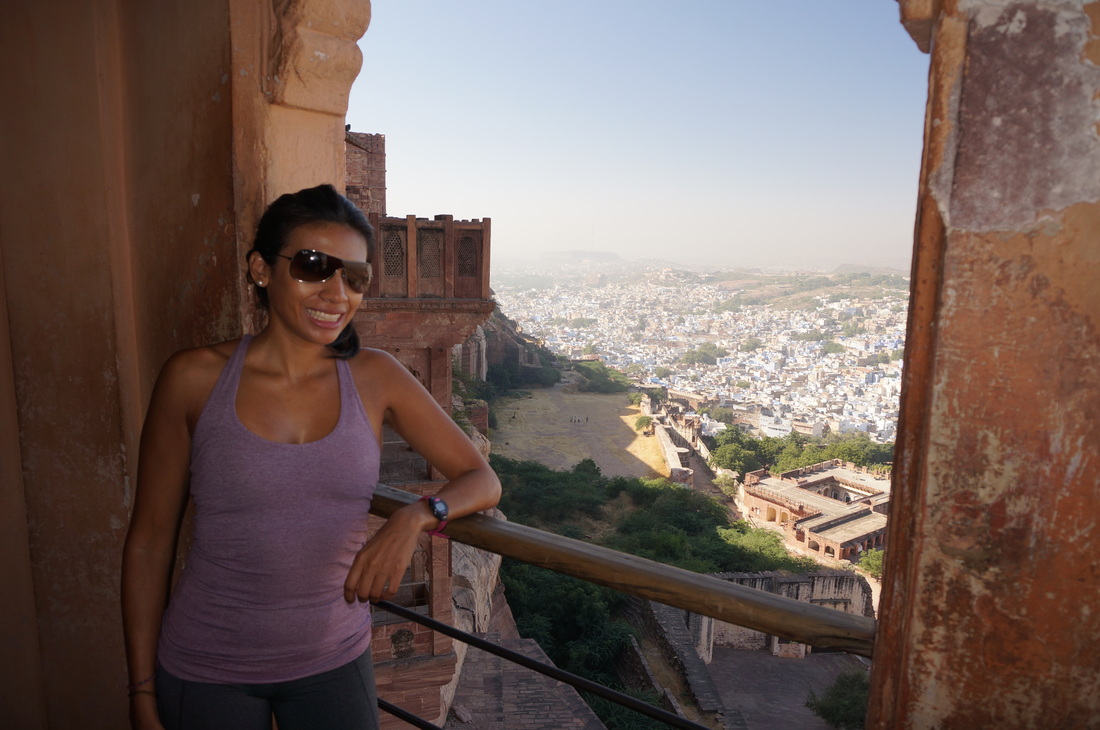
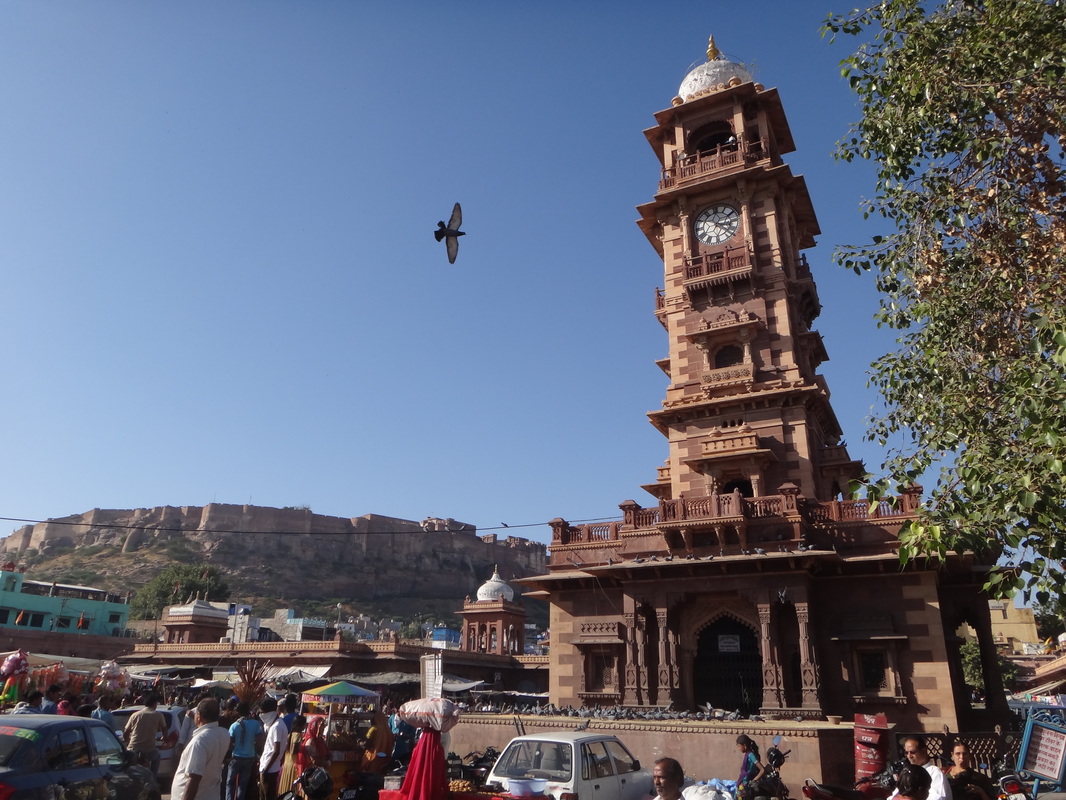
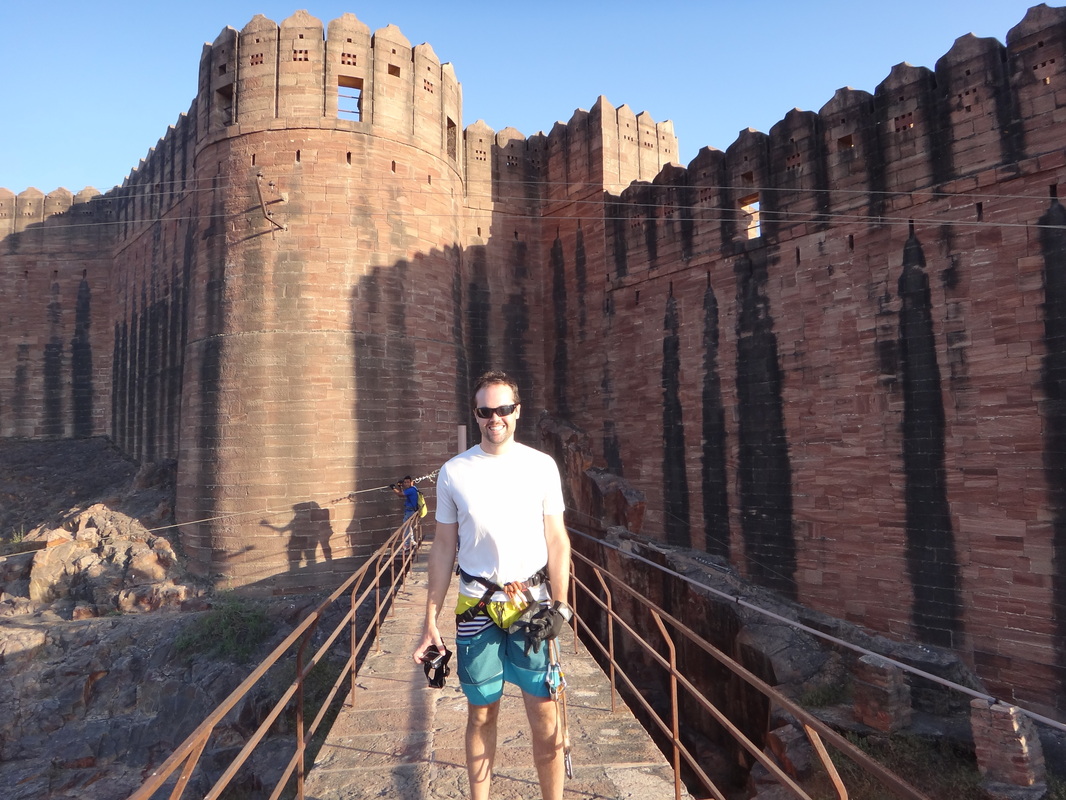
Eating lunch on the rooftop of our guesthouse, we got our first view of the spectacular Mehrangarh Fort above us. A poster advertising a zipline around the outer walls of the fort caught our eye and a couple of hours later were strapped in for a really memorable and, once we stopped worrying about how weird it was that we weren’t offered helmets, enjoyable experience. The sunset views of the fort and the sea of indigo painted buildings below (Jodhpur is known as ‘the blue city’) were particularly spectacular.
Joining us for the zipline were some friends we had met in Mumbai, bumped into on a plane the following day, and finally gotten to know when we by chance were placed on the same table at a Varanasi restaurant. We had a lot in common with these british boys; as well as following a similar path through India, they are also traveling for a year to many of the same countries and are blogging about their adventures. The stark difference is that both of the boys are deaf. Even so, they are still managing to see at least as much as us and are having at least as much fun. We’d highly recommend you check our their inspiring blog here: www.deafontravel.com.
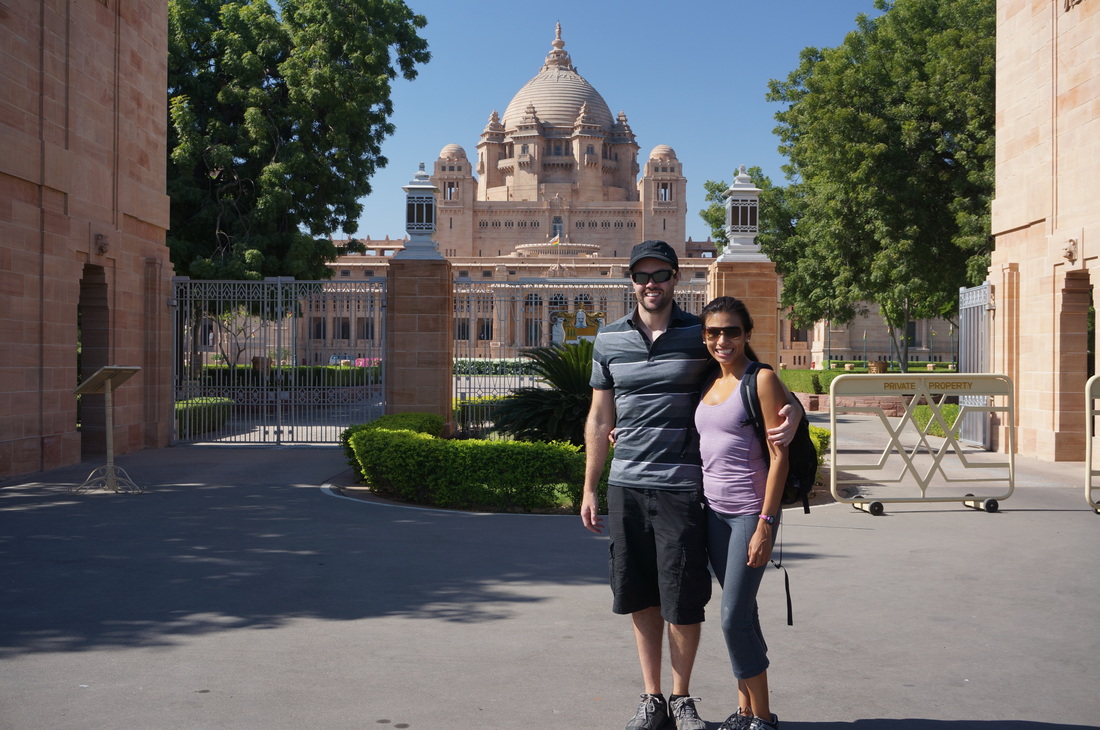
The following day we went back to tour the inner part of the Mehrangarh Fort, aided by an excellent audio guide. We then wandered around the busy downtown bazaar and caught a tuk tuk out to the enormous and luxurious Umaid Bhawan Palace (getting as close as we could without paying $1,500 a night to stay at the palace hotel).
Picture
We then jumped in our luxurious (compared to the train) air conditioned private taxi to Jaisalmer. More on that in our next post.
2 Comments

Varanasi & Khajuraho

11/26/2014

1 Comment

 
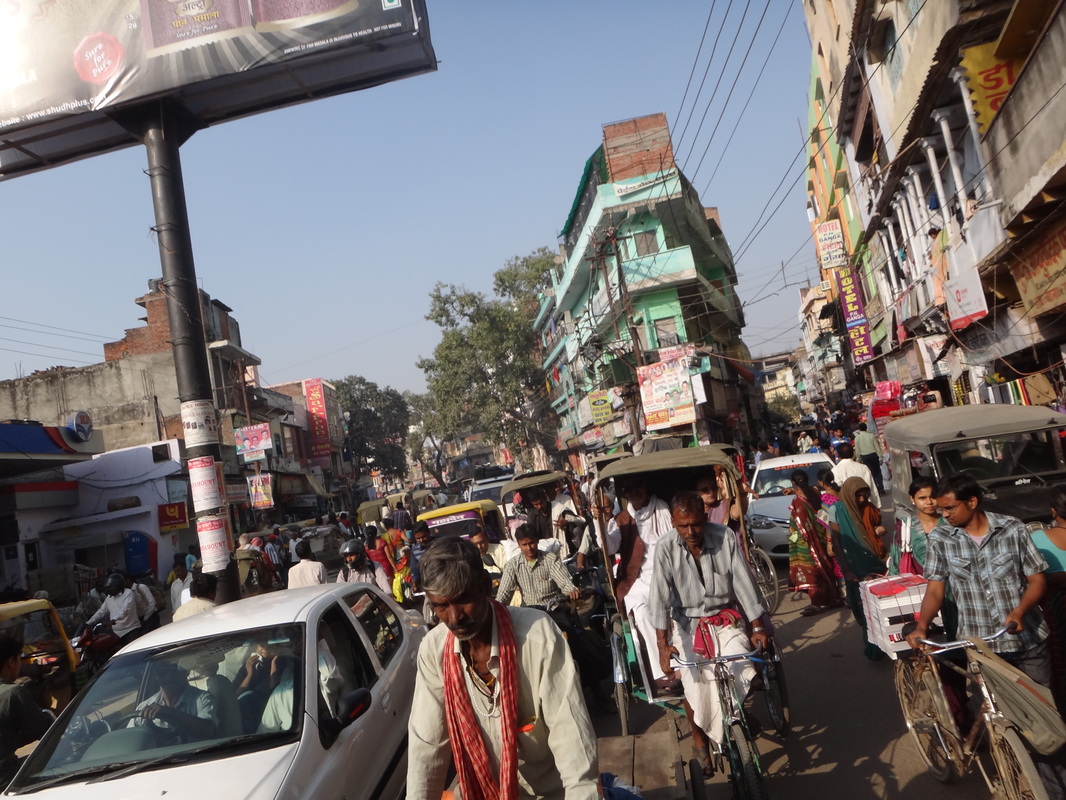
We'd like to start this post with an apology to many of the countries we've visited earlier this year. At various times, we've made not particularly favorable comments about horrible traffic, worse drivers, false advertising, general dirtiness etc etc. It wasn't until we arrived in India generally, and Varanasi in particular, that we realized how relatively clean and tranquil central and South America is.

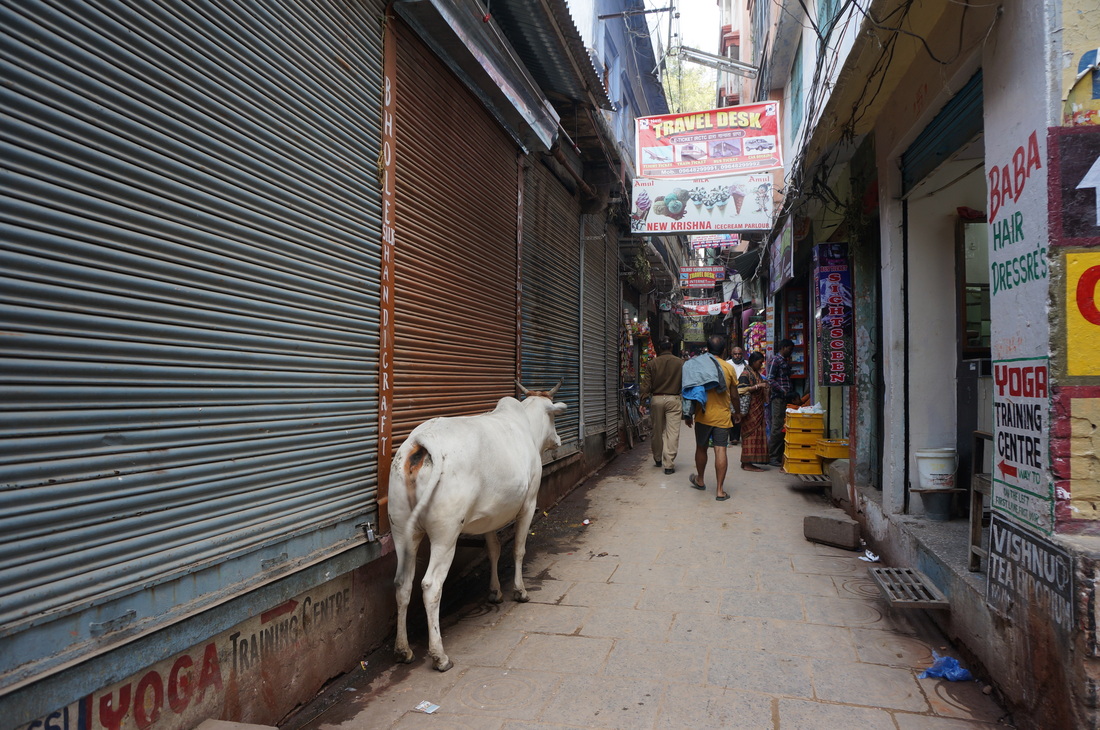
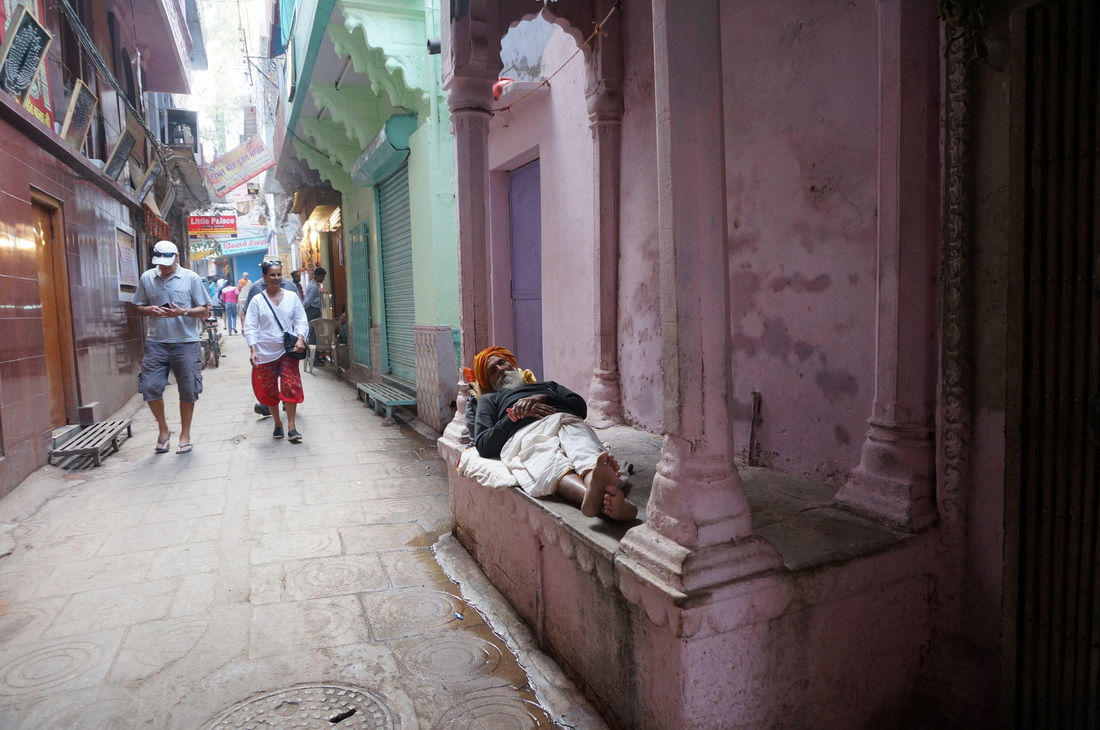
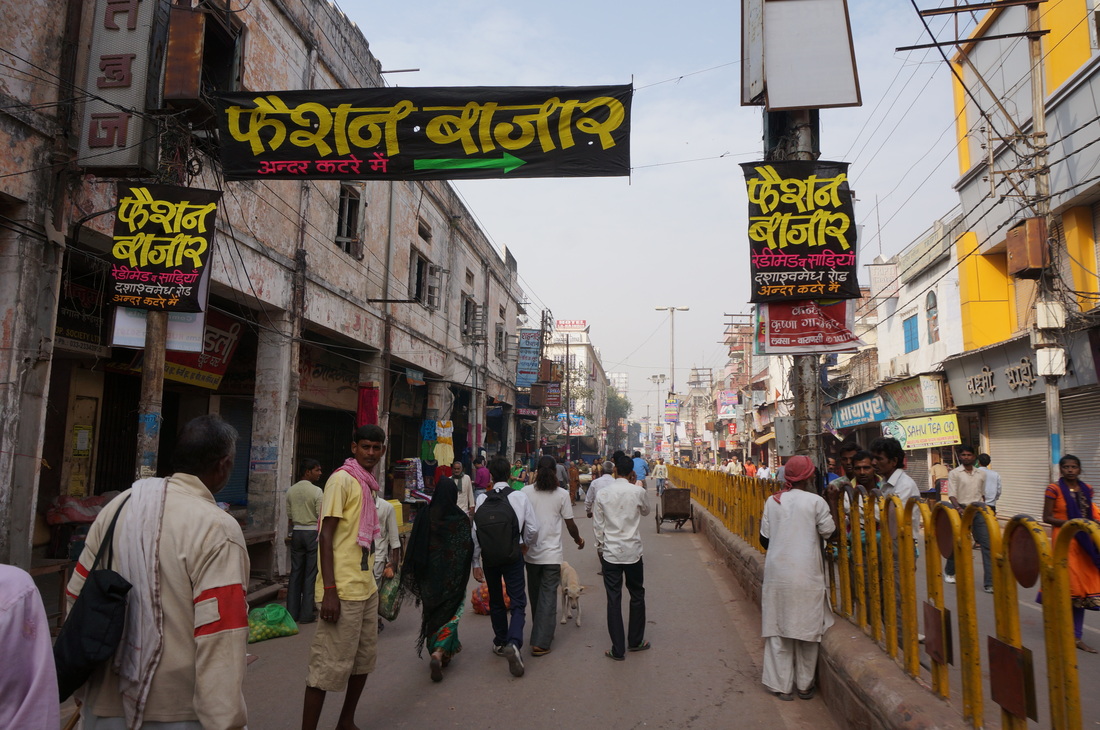
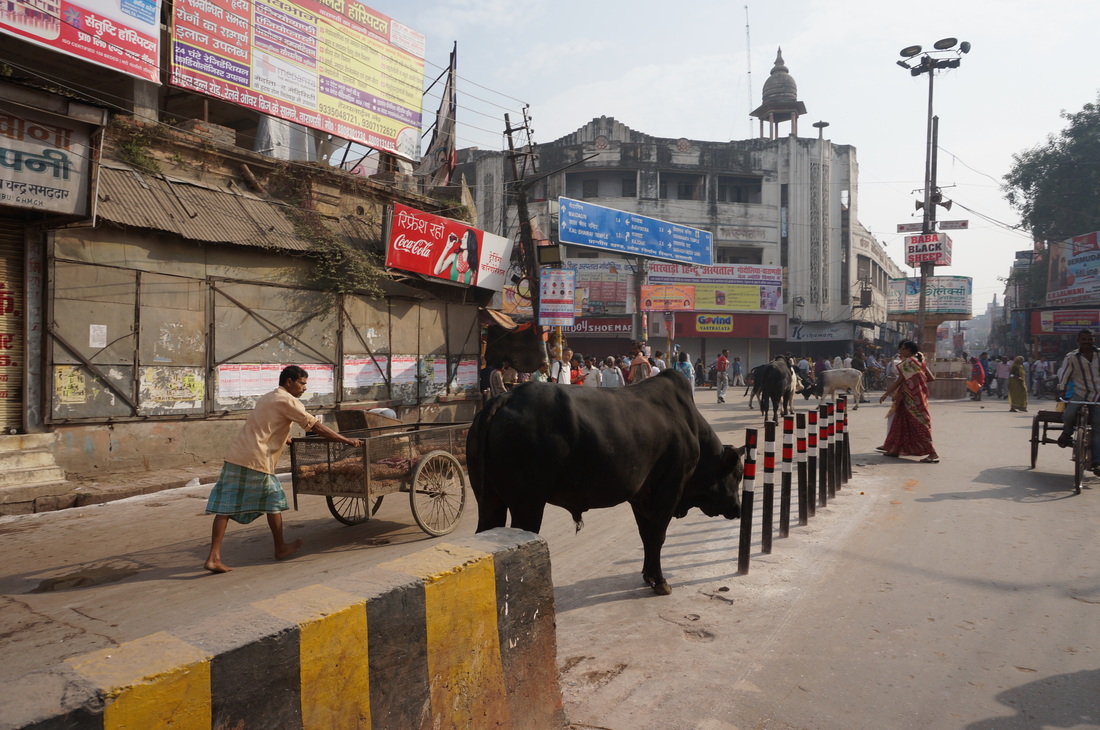
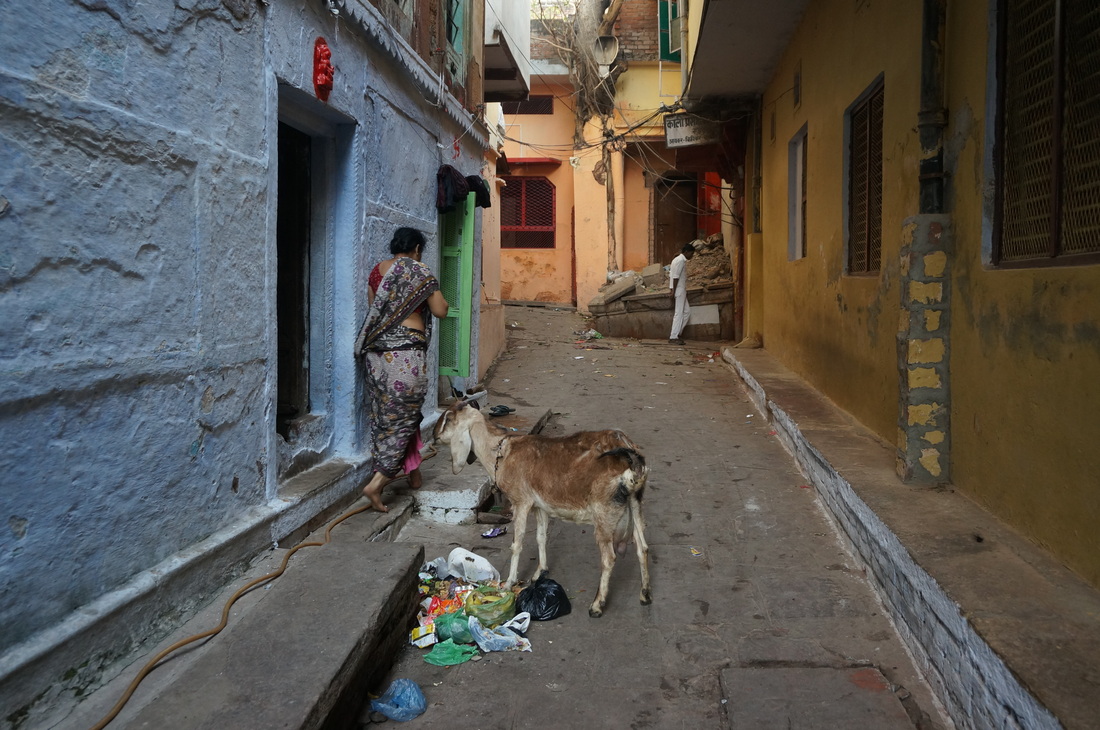
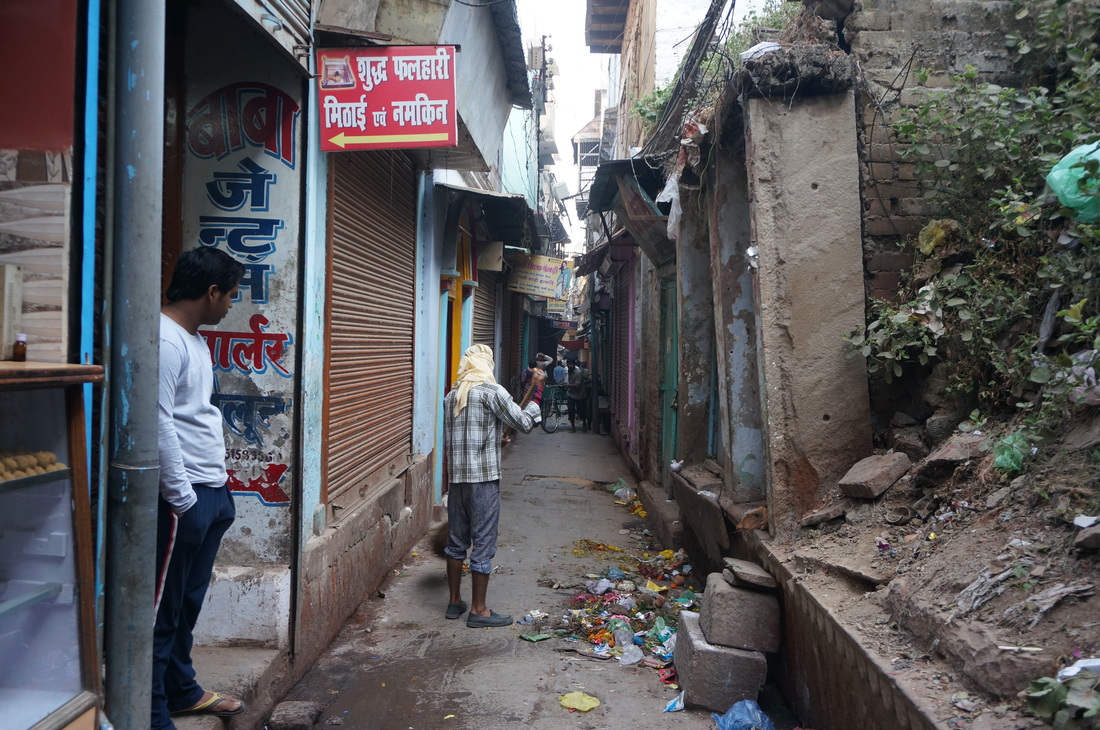
In some places, like Buenos Aires, it seemed like everywhere we looked we found a reason for us to come back in the future. In Varanasi, unfortunately, we only found compelling reasons to make our visit a one off. First up was the insane traffic (especially considering its moderate population), with constant car horns and drivers seemingly determined to mow you down. Then there was the assorted excrement (human, canine, bovine, feline, equine and simian) littering all of the alleyways and streets (the image that's most difficult to forget is that of an 8 year old girl taking a dump in the alleyway right outside our top rated guesthouse). Finally, and less concerning given the appetite suppressing nature of the place, was that we found it impossible to find decent non-vegetarian food in the old city (not to mention the fact it's illegal, but at least not impossible or even difficult, to get a drink). Hindus often like to have their bodies taken to Varanasi when they die, and the only way I'll ever go back is if I'm also in a box.
Picture
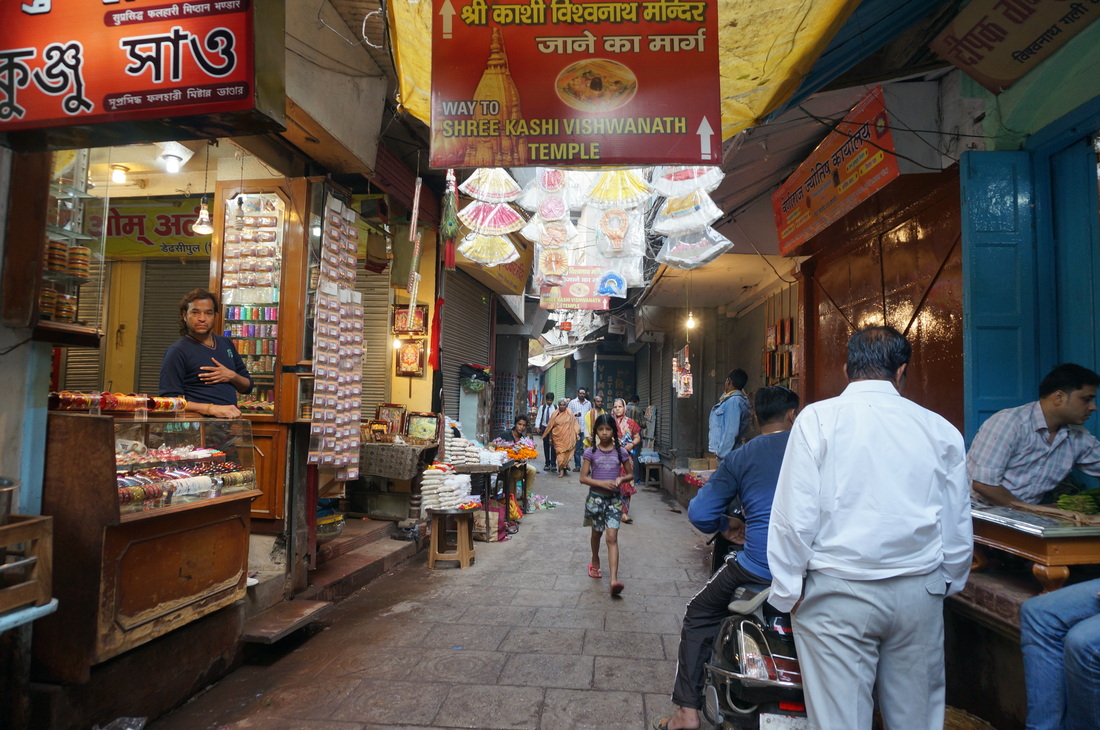
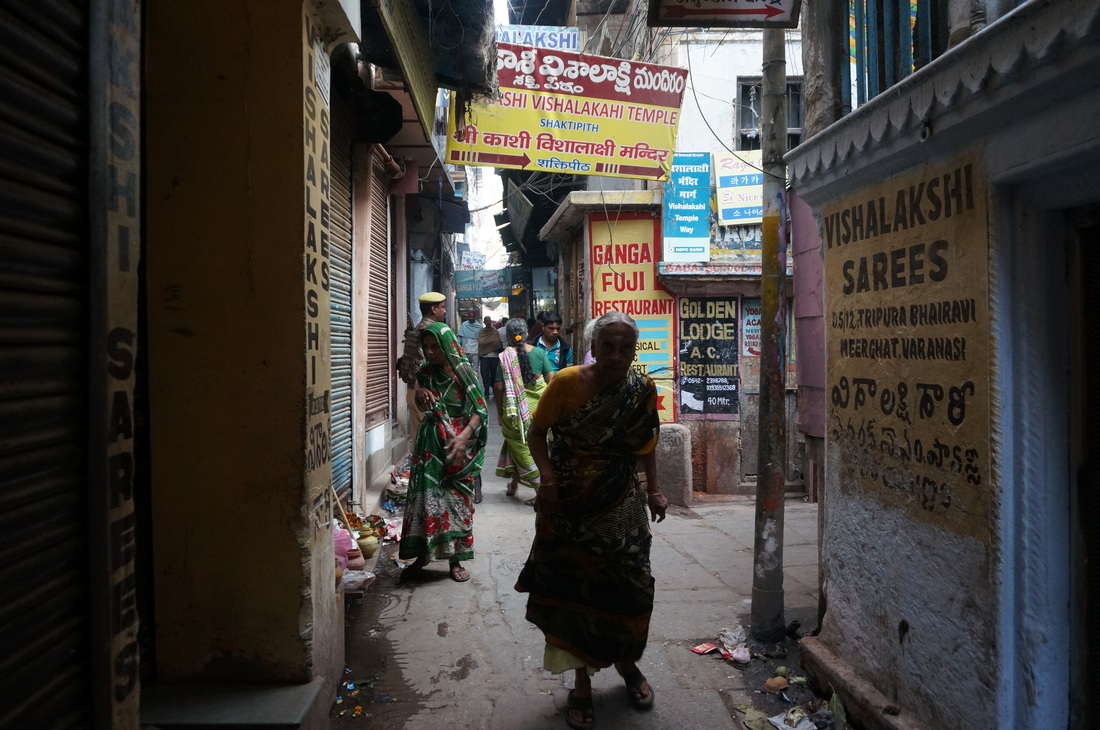
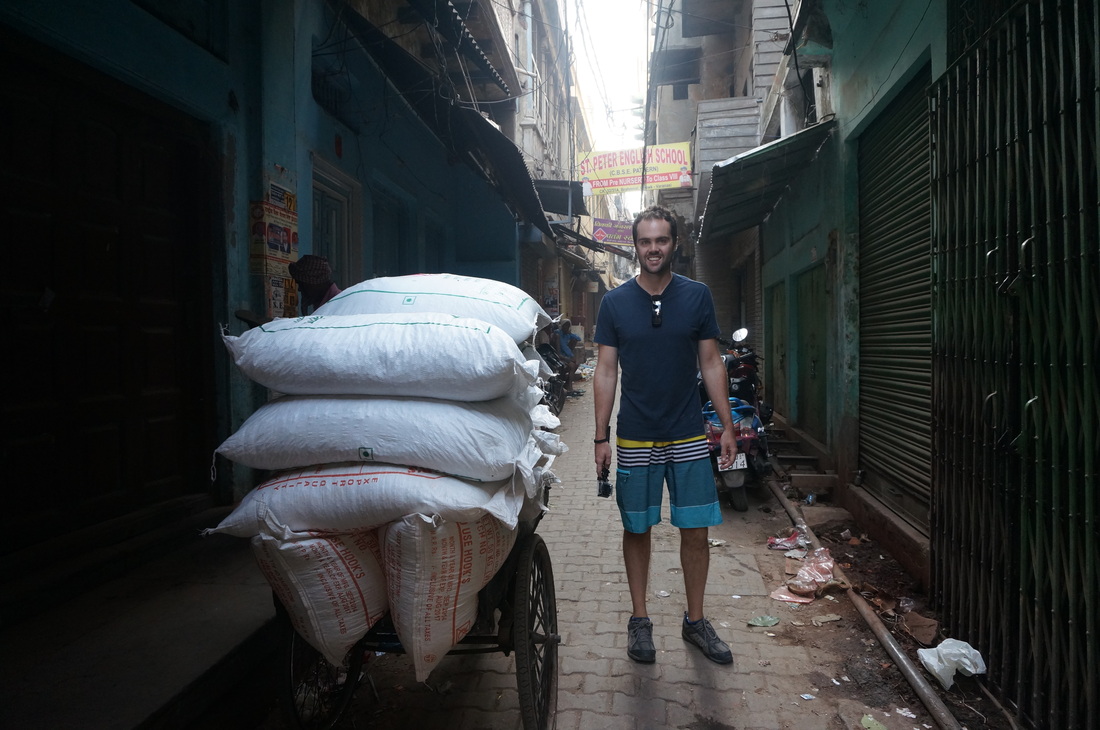
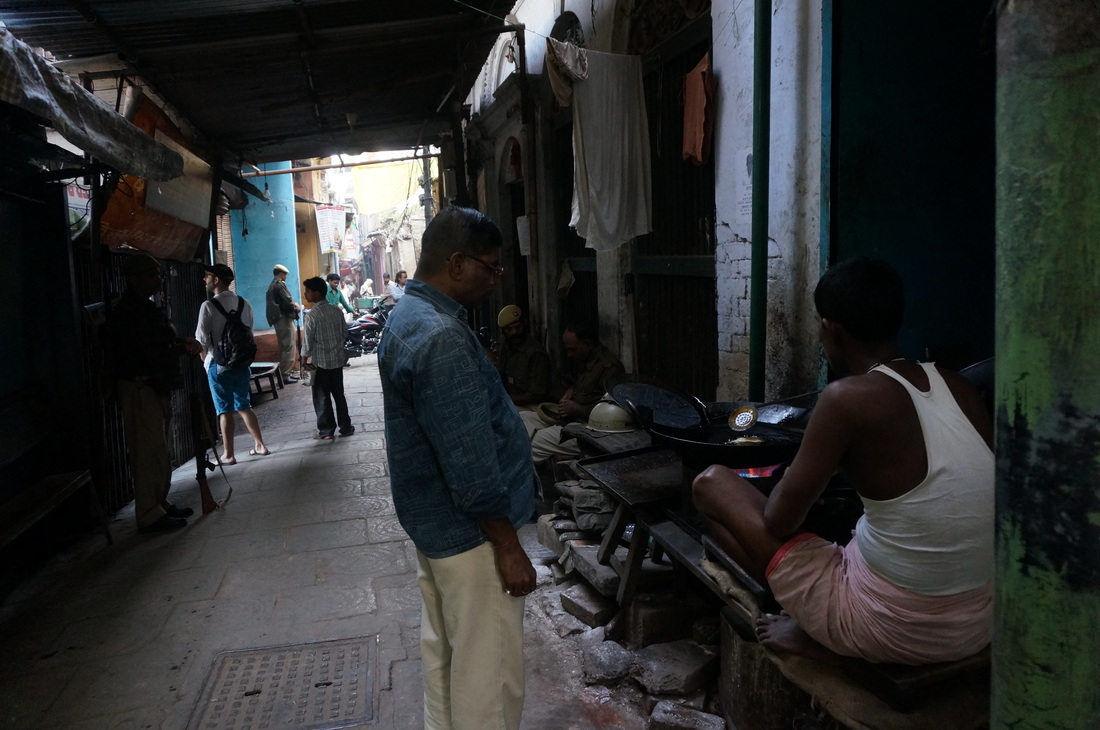
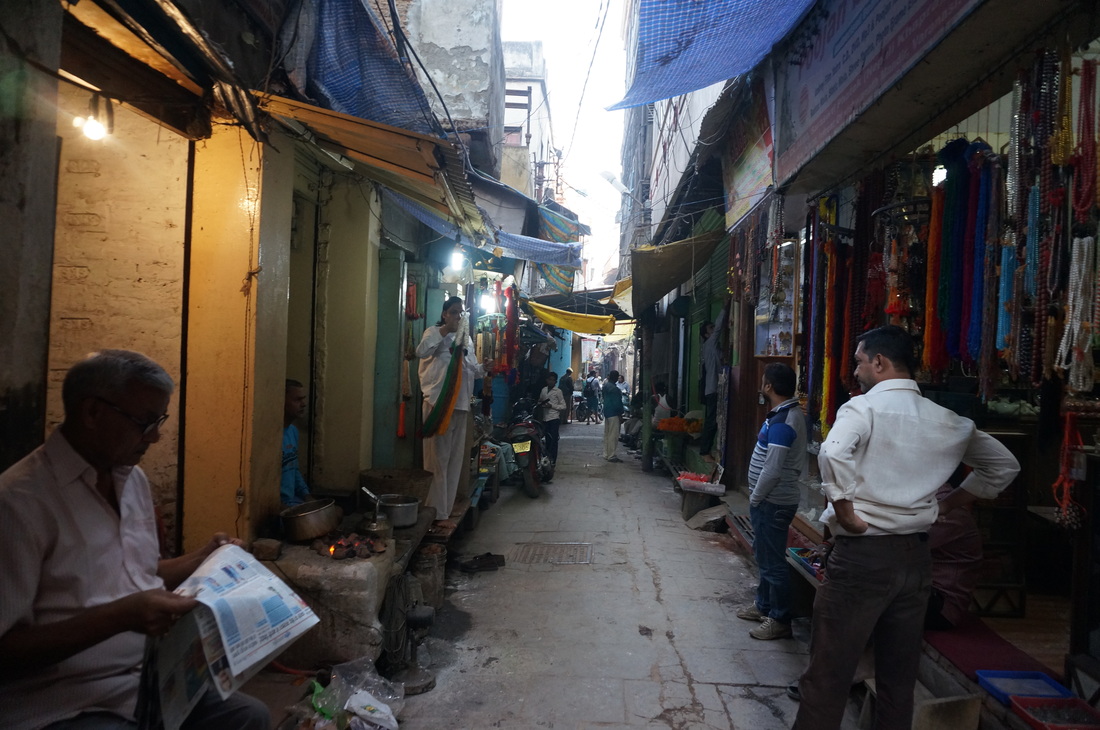
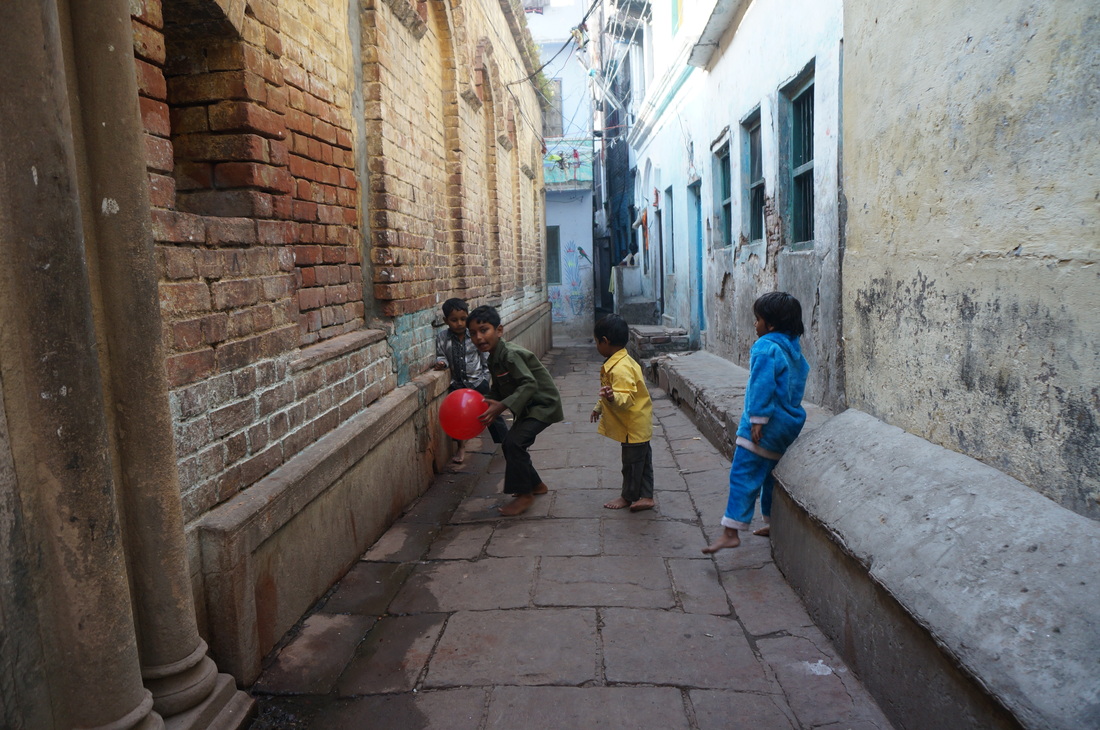
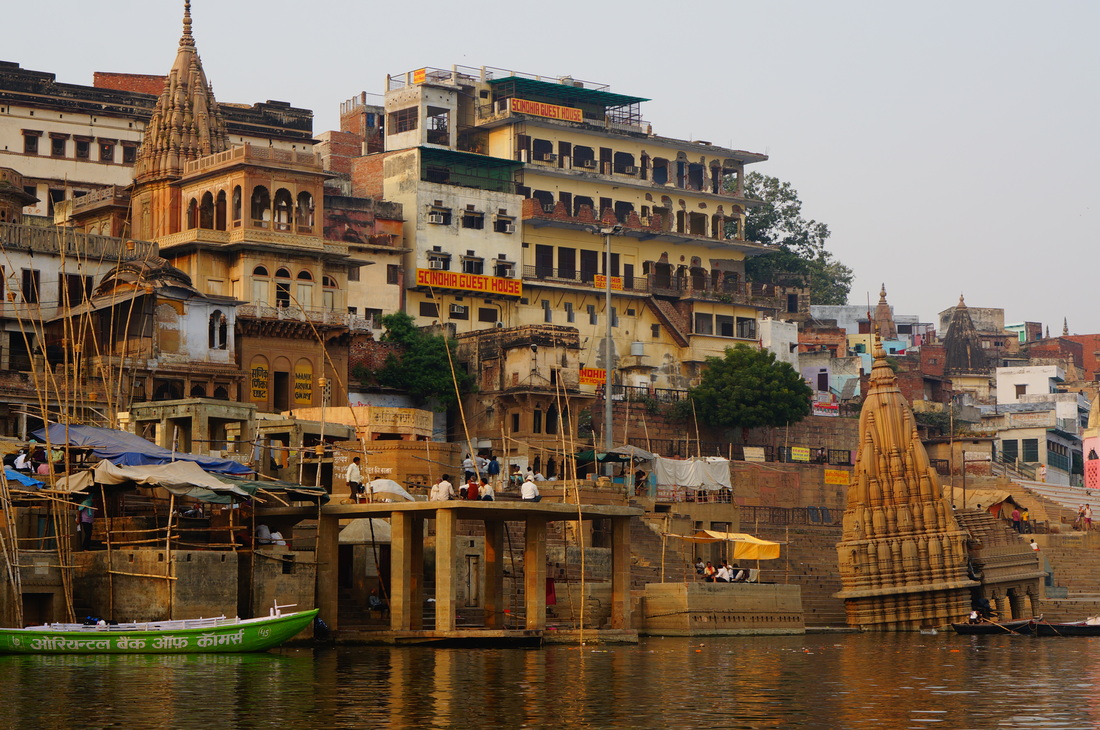
Anyway, many consider Varanasi to be a must-see destination, so we should talk about why. Varanasi is one of the three oldest continually inhabited cities in the world (the others being Delhi and Jerusalem) and has been considered the cultural capital of northern India for several thousand years. The central ‘old city’ of Varanasi sits on the side of the Ganga river, featuring a labyrinth of narrow winding lanes that tourists find impossible to navigate. Unfortunately, unlike Venice for example, getting lost in Varanasi’s laneways is not a particularly enjoyable experience (for the reasons mentioned above). Asking for directions is a bad idea because you’ll inevitably be led to the ‘guide’s’ overpriced silk store instead of your hotel.
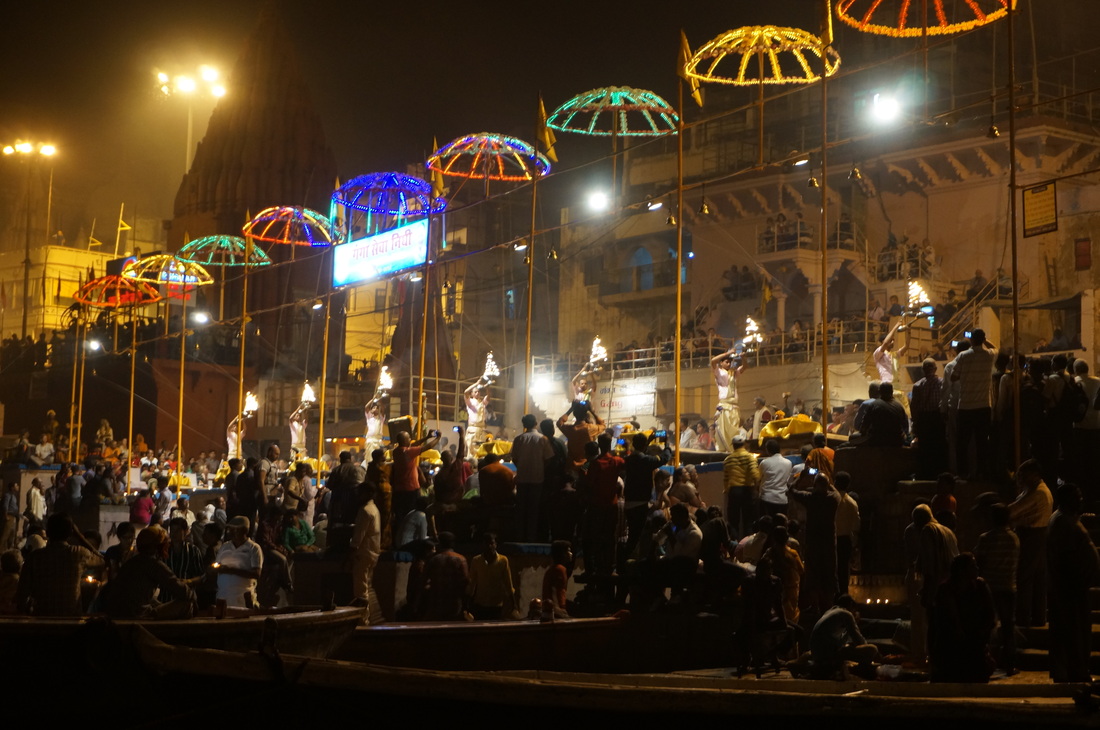
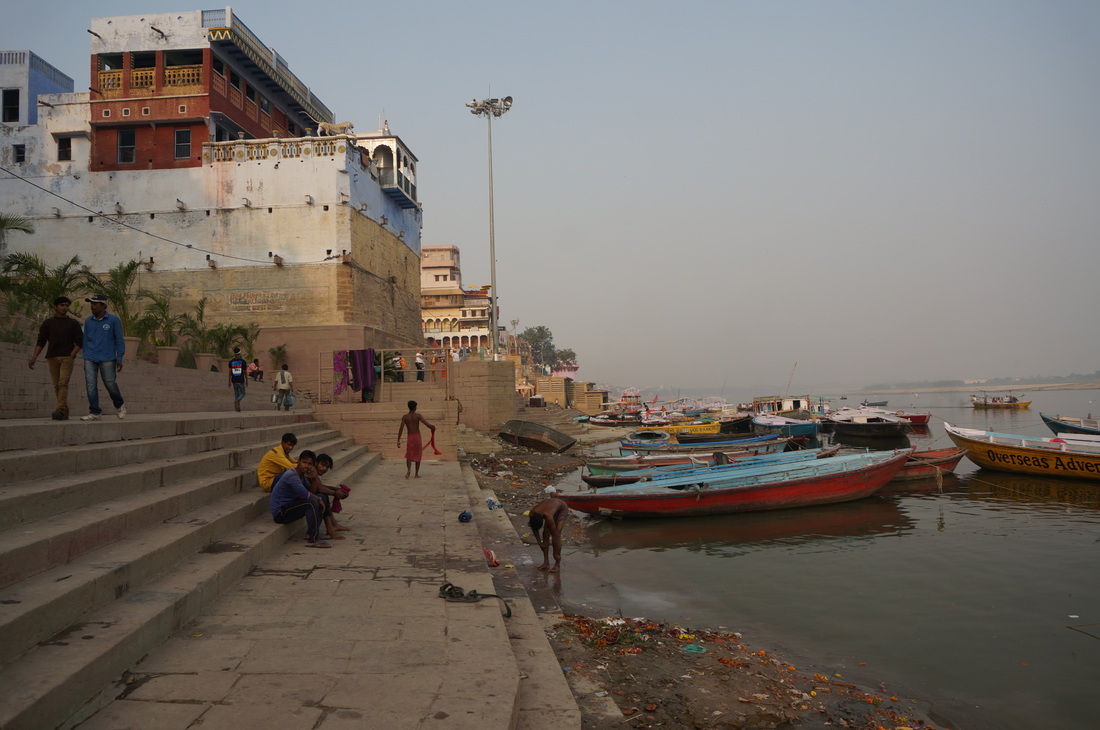
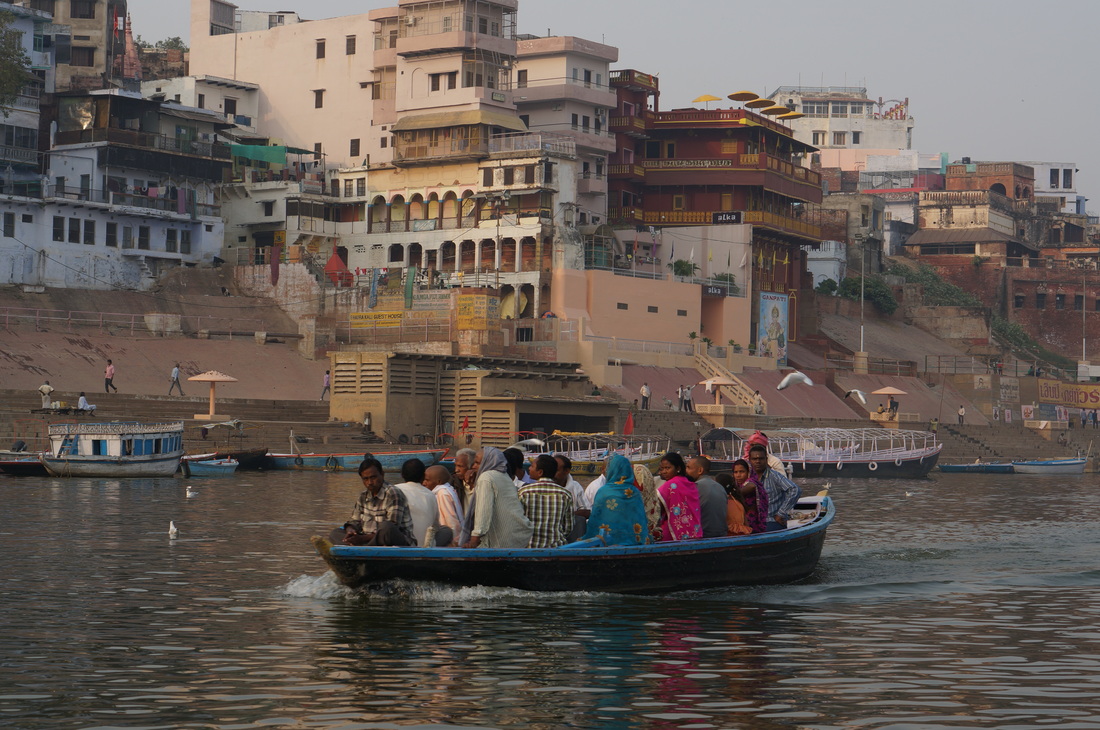
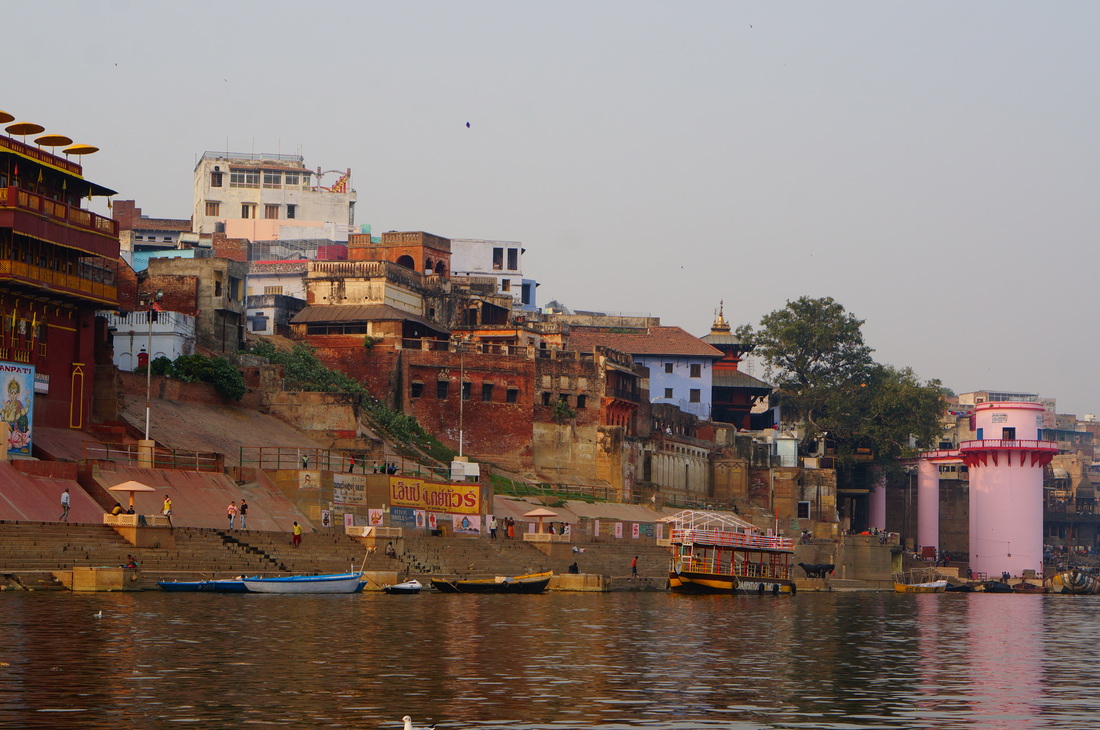
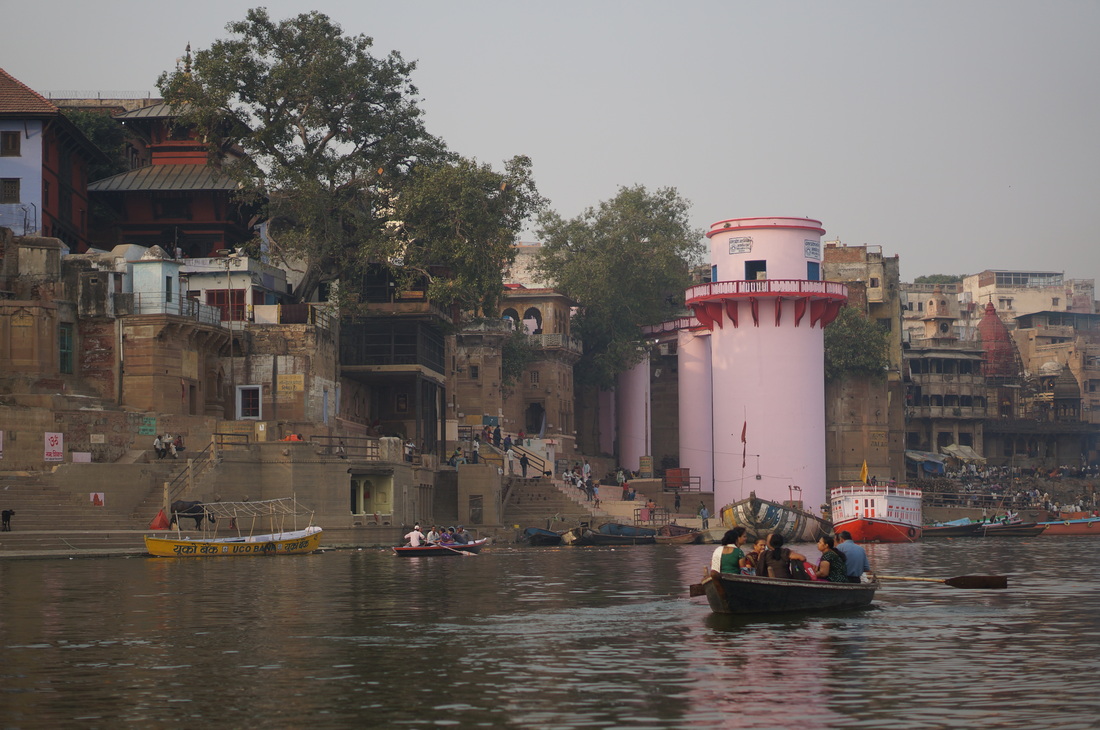
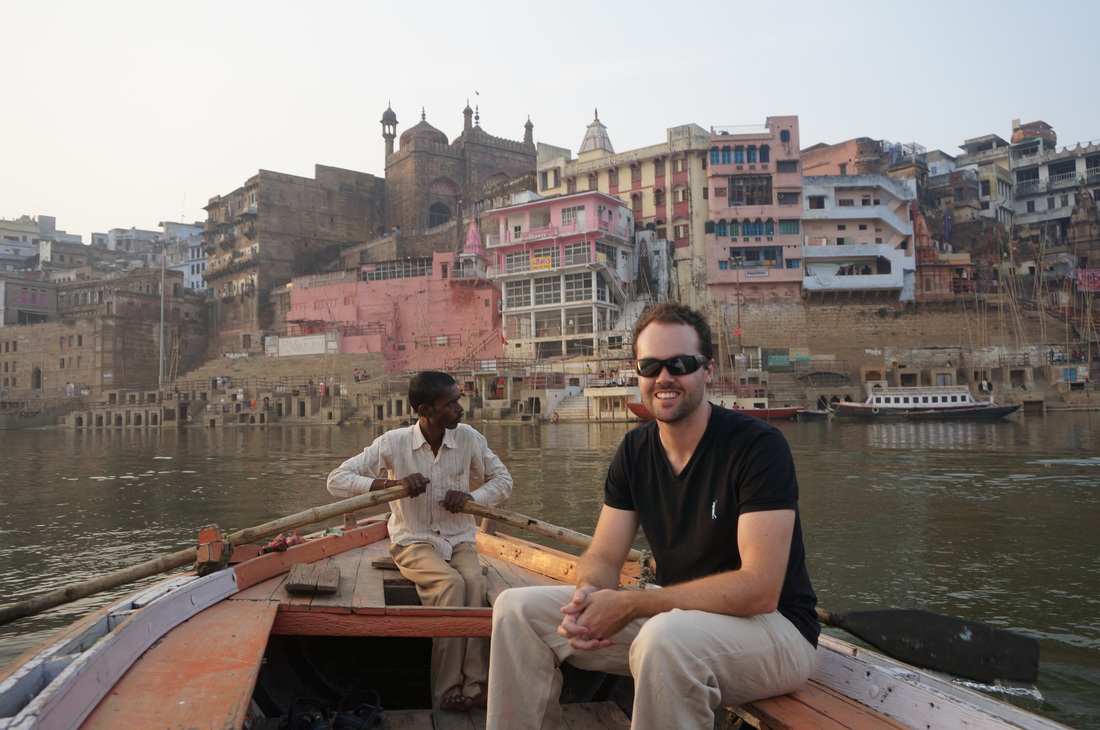
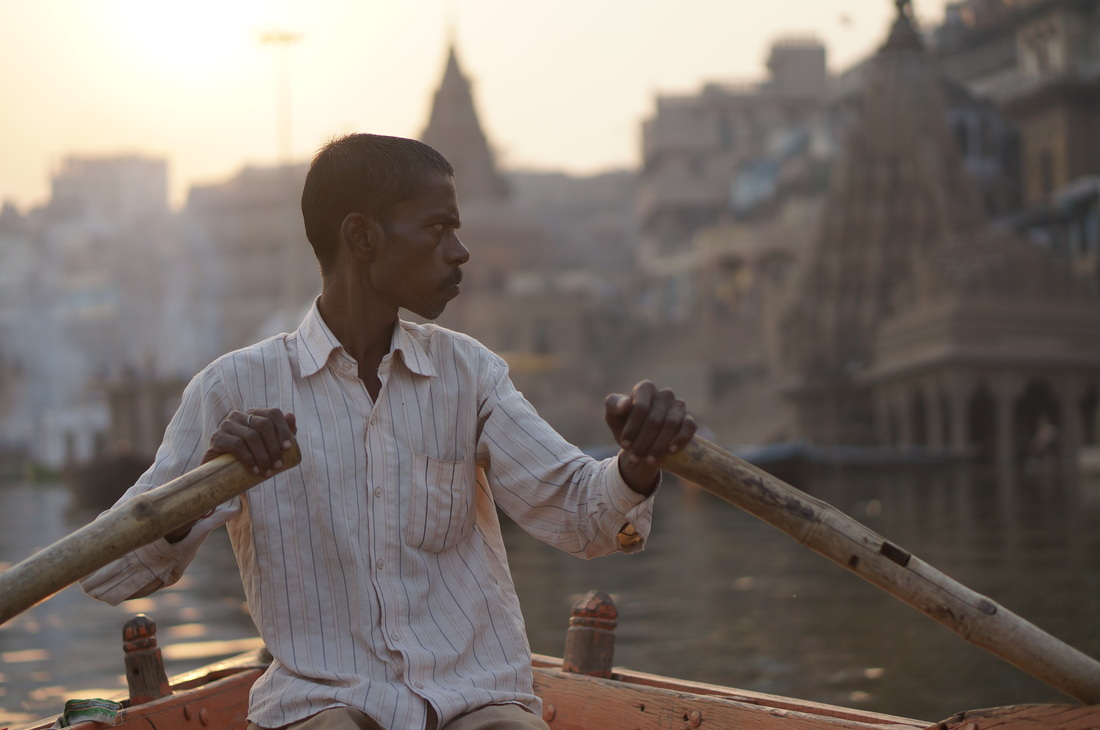
The old city of Varanasi is the spiritual hub for Hindus and Jains, with worshipers flocking to the many crowded temples (often queuing for hours to enter the most important, ‘Golden’, temple), as well as the sacred Ganga river itself. Along the shore of the Ganga are a series of Ghats (stone stepped embankments), but two are particularly notable. Each evening at the main and oldest Ghat (called Dashashwamedh), a group of priests perform a fire worship dedicated to a number of Hindu deities. We rented a small boat to watch the sunset and subsequent performance (along with large numbers of tourists and locals).
Picture
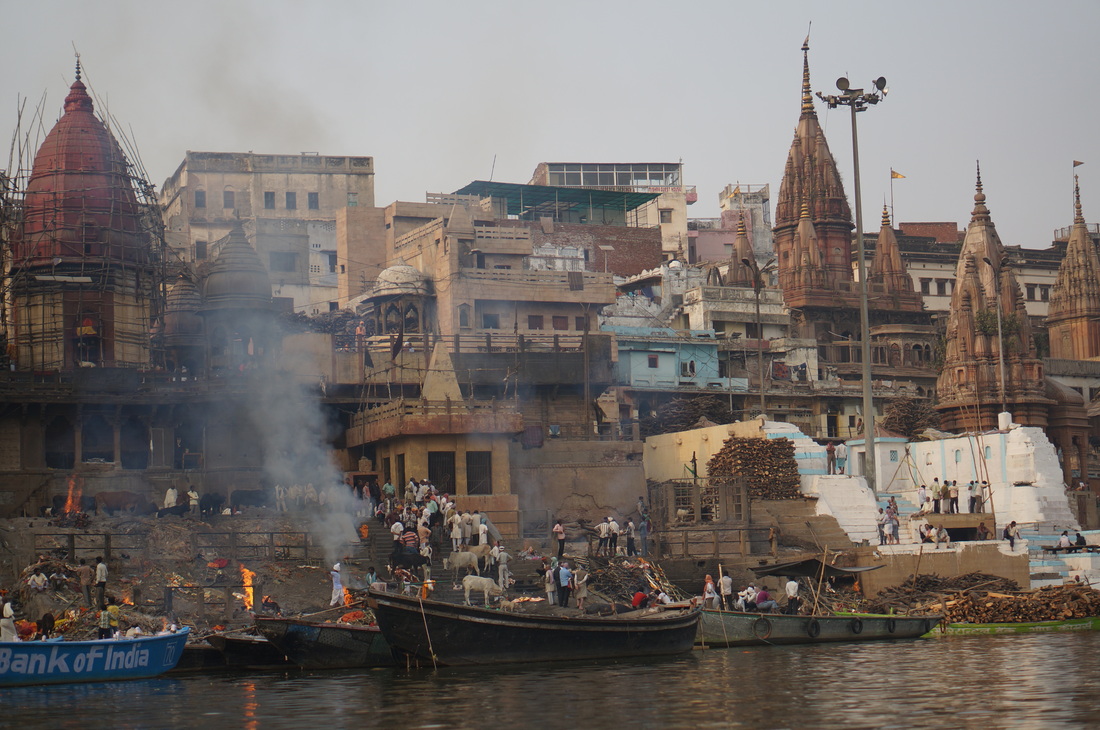
The other notable Ghat is called Maikarnika, and is where many Hindus like to have their bodies cremated (they believe this will bring them salvation). At all hours (day or night) you can see about a dozen small fires with relatives watching on. Afterwards, bones are thrown in the Ganga (yes the same one that locals bathe in, wash their clothes in and use as the city’s only source of water).

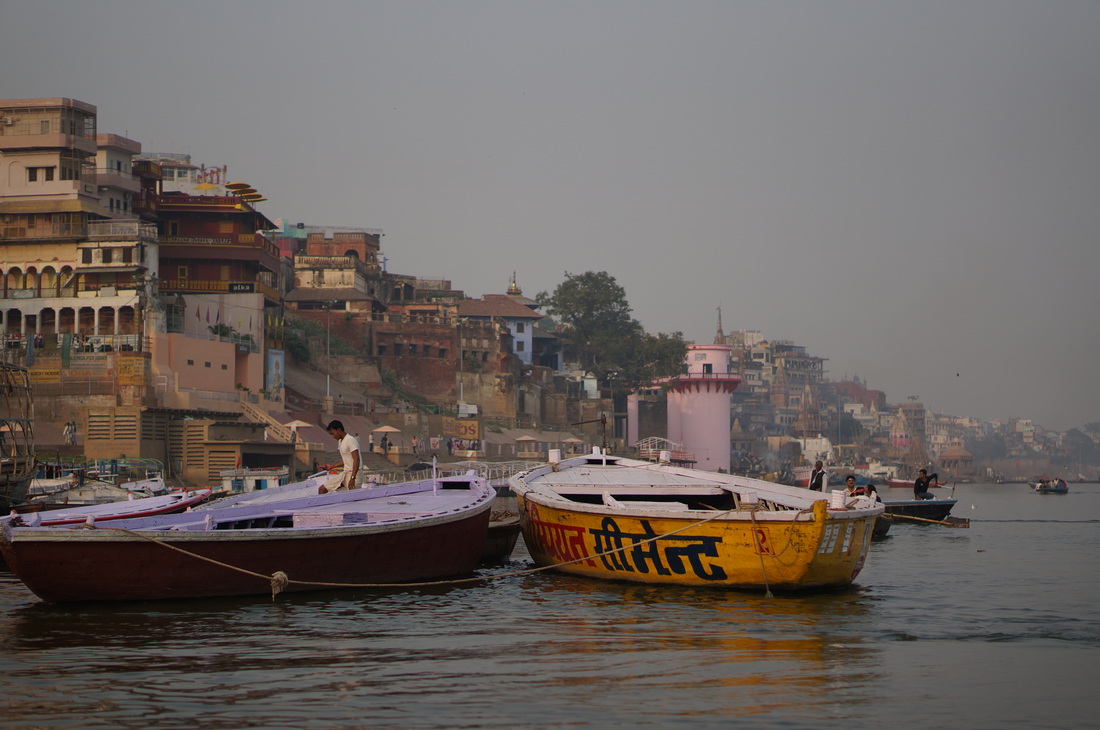
Sunsets in India are often quite dim (much of the light and heat is lost when the sun hits the thick rim of smog, which can happen an hour before it would otherwise reach the horizon). As a result, we decided to rent a boat again during the day to get a better view of the old city, and would recommend others do the same.
Picture
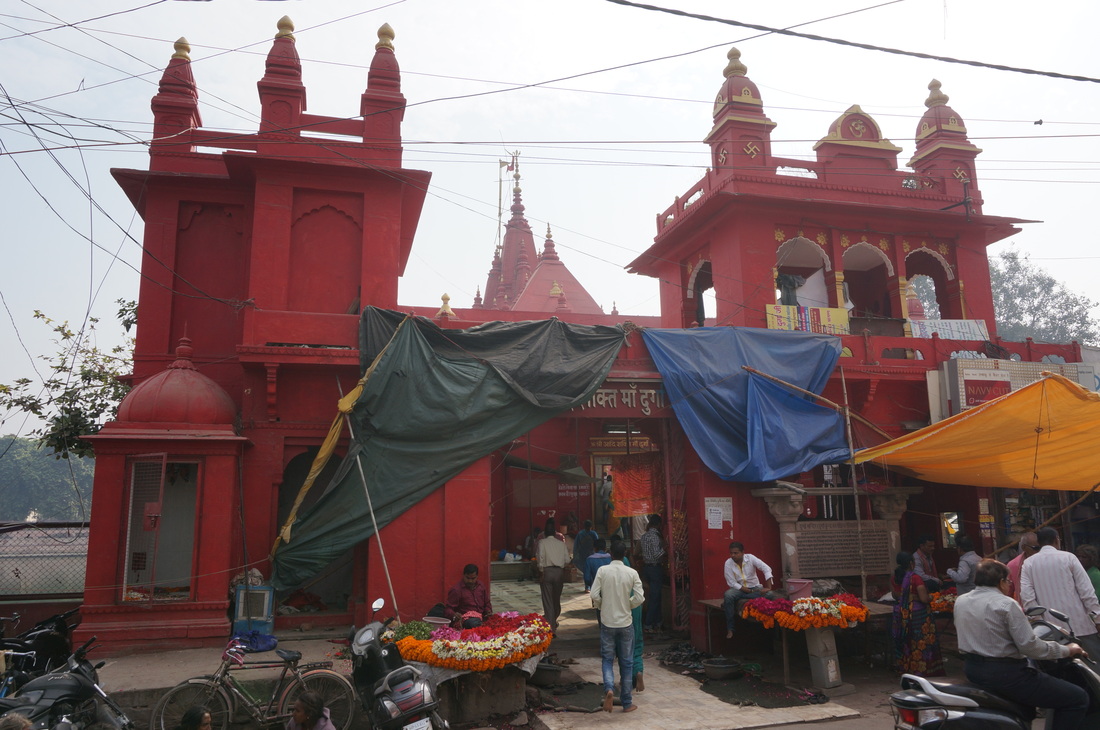
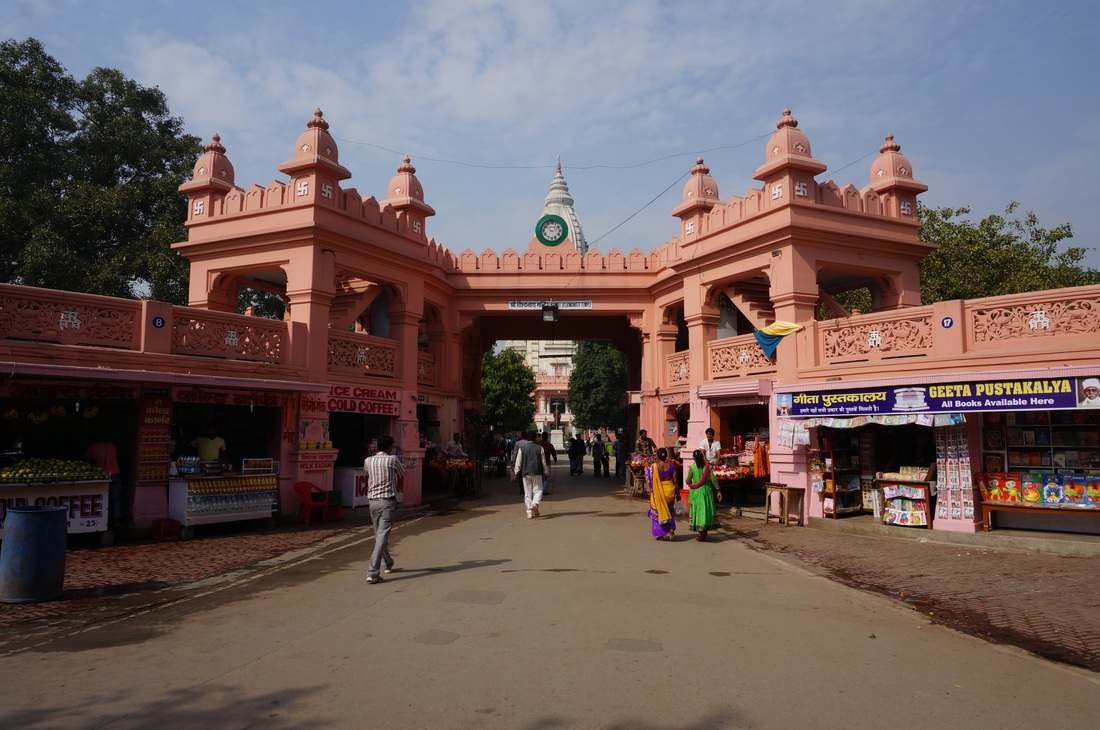
Not far from the old town are a number of prominent Hindu temples. We visited the main three (the red temple, the monkey temple, and the Vishwanath temple), but to be honest we didn’t really enjoy any of them. We think Hindus should be commended for being able to have spiritually rewarding experiences in places so crowded and chaotic.
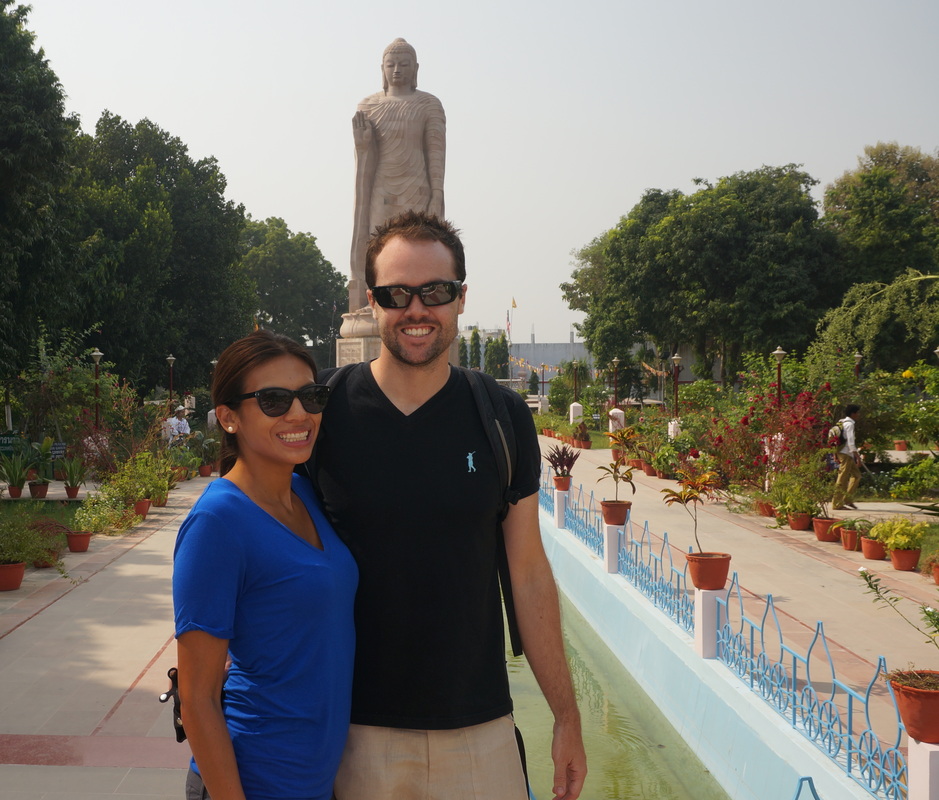
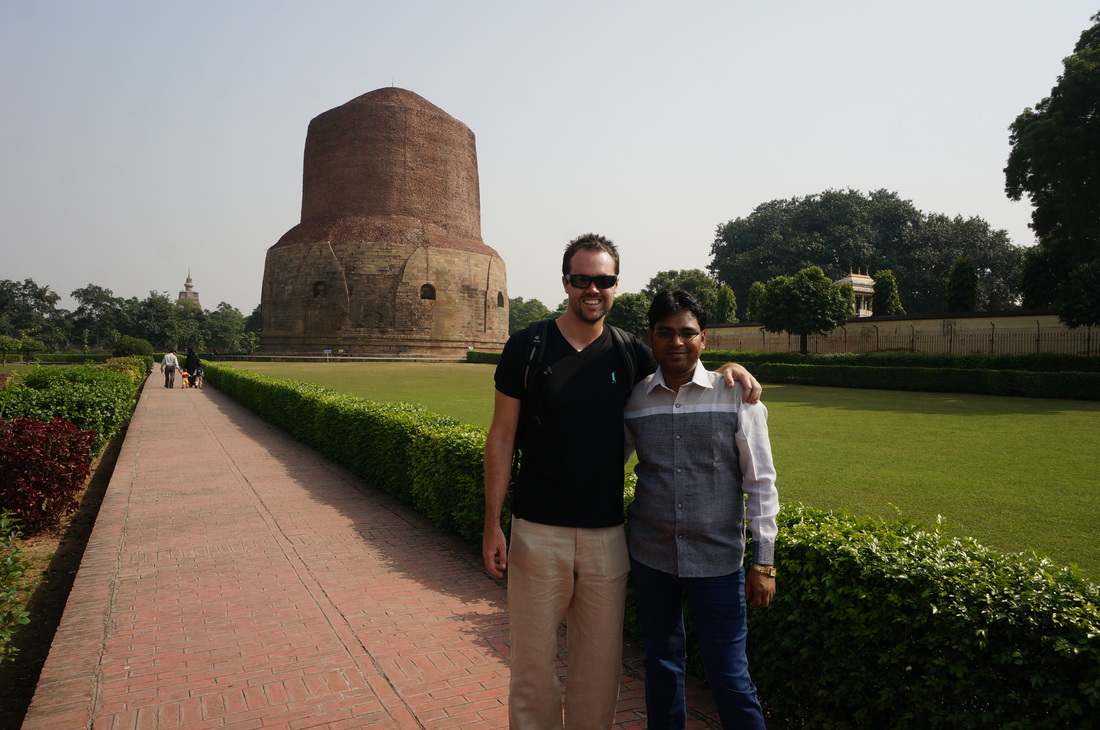
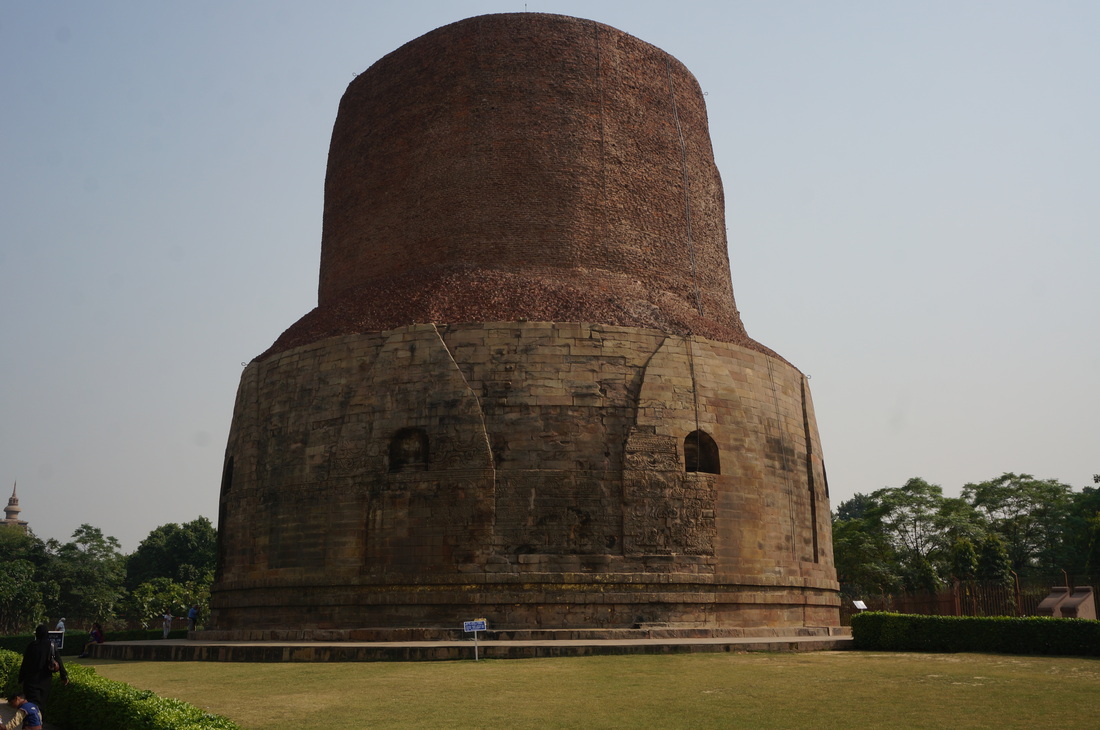
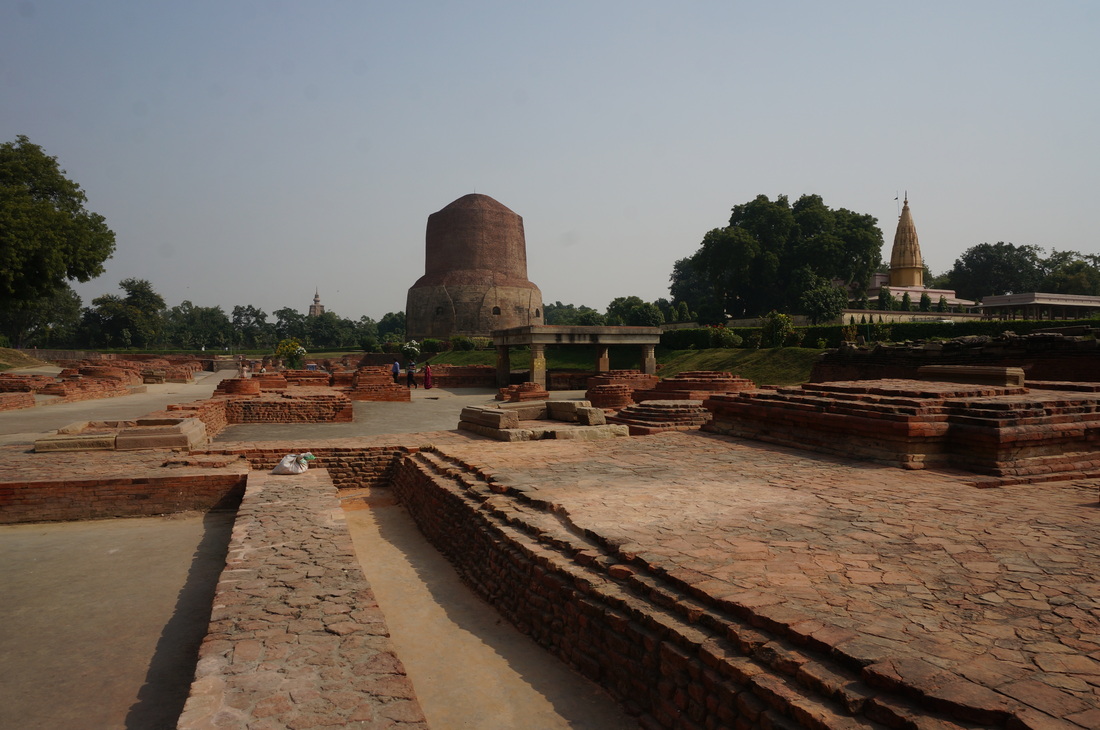
Much more enjoyable was our trip to the nearby town of Sarnath, the place where Gautama Buddha first taught the Dharma. While there, we visited the world’s oldest Stupa (a mound-like structure featuring Buddhist relics), the nicely presented Sarnath Archeological Museum and India’s tallest Buddha statue.
Picture
While touring the outskirts of Varanasi we also visited Ramnagar fort, which houses the most poorly kept museum we’ve ever seen. Layers of dust thicker than you’d find on the oldest cellared wines made it almost difficult to see many of the exhibits, and left us wondering where our 150 rupees per person entrance fee was being spent. Even worse than the museum was our drive to get there. Instead of finding an appropriate place to do a u-turn, our taxi driver decided to do a protracted three-point turn then drive across a very long and very busy bridge on the wrong side of the road. By some miracle, we avoided the rapidly approaching oncoming traffic and lived to tell the tale. I guess now we know what it’d be like to catch a ride home with a drunk teen pop star.
Picture
Our next destination, Khajuraho, was a much smaller and more peaceful town in the centre of northern India that is famous for hosting a series of Hindu temples. To get there, we had to catch what we thought was a direct Air India flight from Varanasi. What we got was a flight that took off an hour late, effectively flew over Khajuraho to make a stop in Agra, before taking off again and arriving two hours late. Hot tip for anyone looking to fly in India - in our experience the 'budget' carriers (IndiGo and SpiceJet) are significantly better than the supposedly full service airline (Air India, which served us a sugary juice box for lunch).
Picture
Before we travel to a new city we always research how far away our hotel is from the airport or bus/train station we're arriving at. This time our hotel wasn't much past the end of the runway so we knew it shouldn't cost us much to get there. Expecting a protracted negotiation process with a tuk tuk driver, we made sure that we left the terminal with our big backpacks on (so it was clear that we were ready to walk if need be). We were surprised to find someone from our hotel with a sign and our name on it. Turns out the guy had guessed we'd be on the plane and had come to make sure we made it to the hotel. Good service, right? He ushered us to his friend's car and it wasn't until we had our bags in the boot and were sitting in the backseat that the driver whispered under his breath, '300 rupees OK'. We immediately sprung out of the car and began to put our backpacks back on as a dozen cab drivers crowded around. After much fanfare and threatening to walk, we got the price down to a reasonable 100 rupees and were on our way.

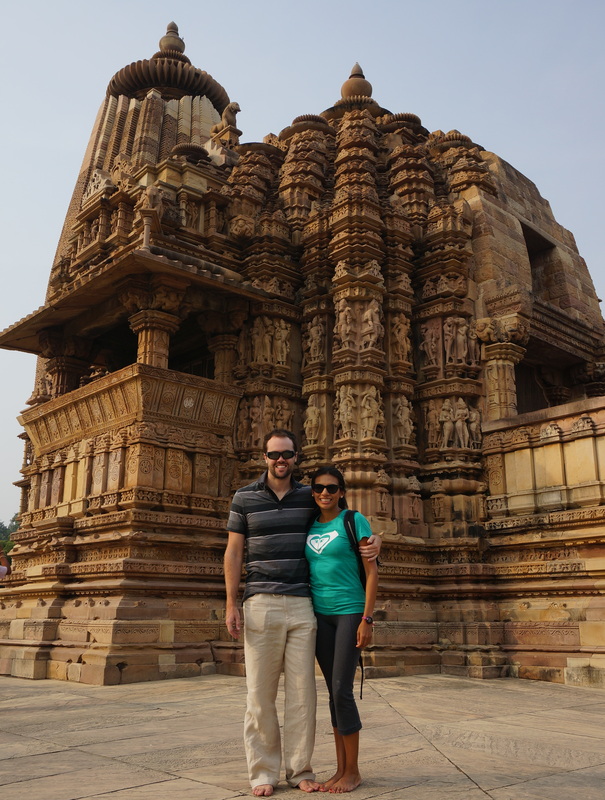
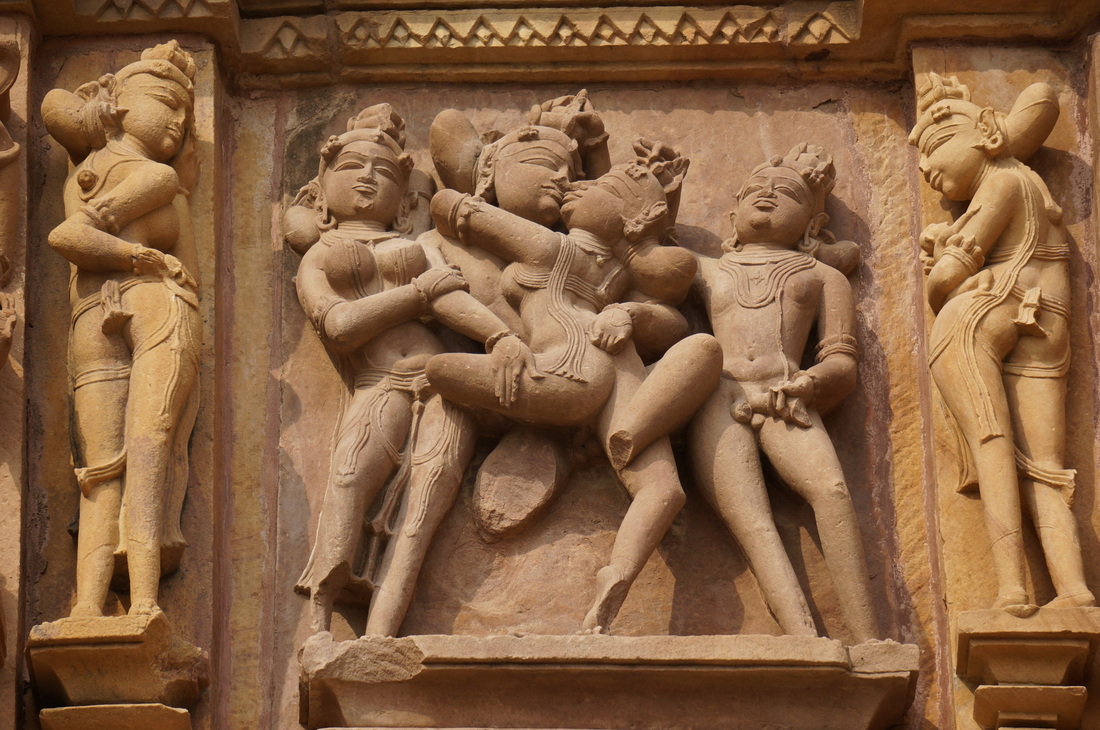
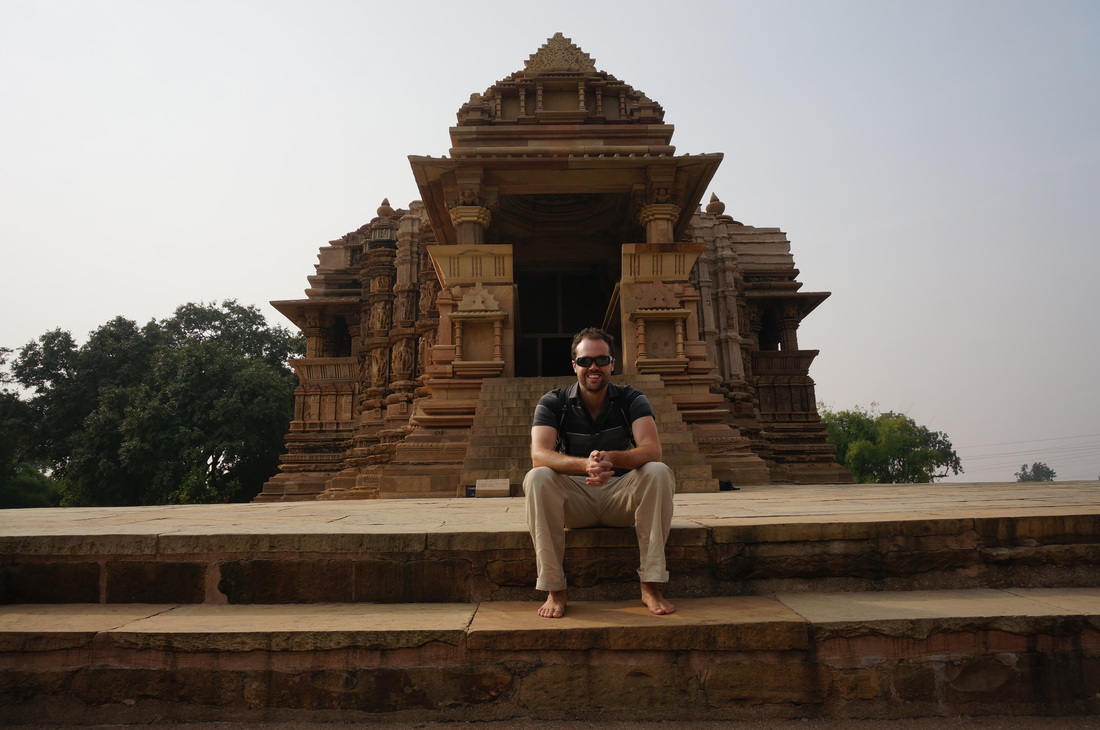
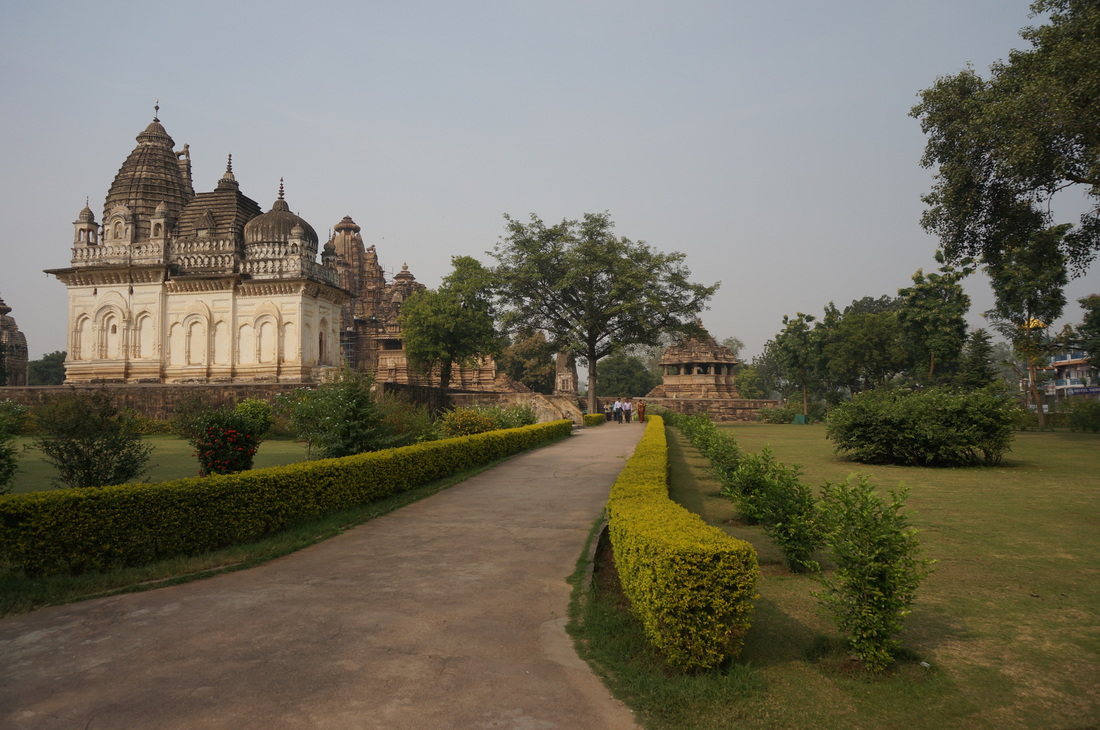
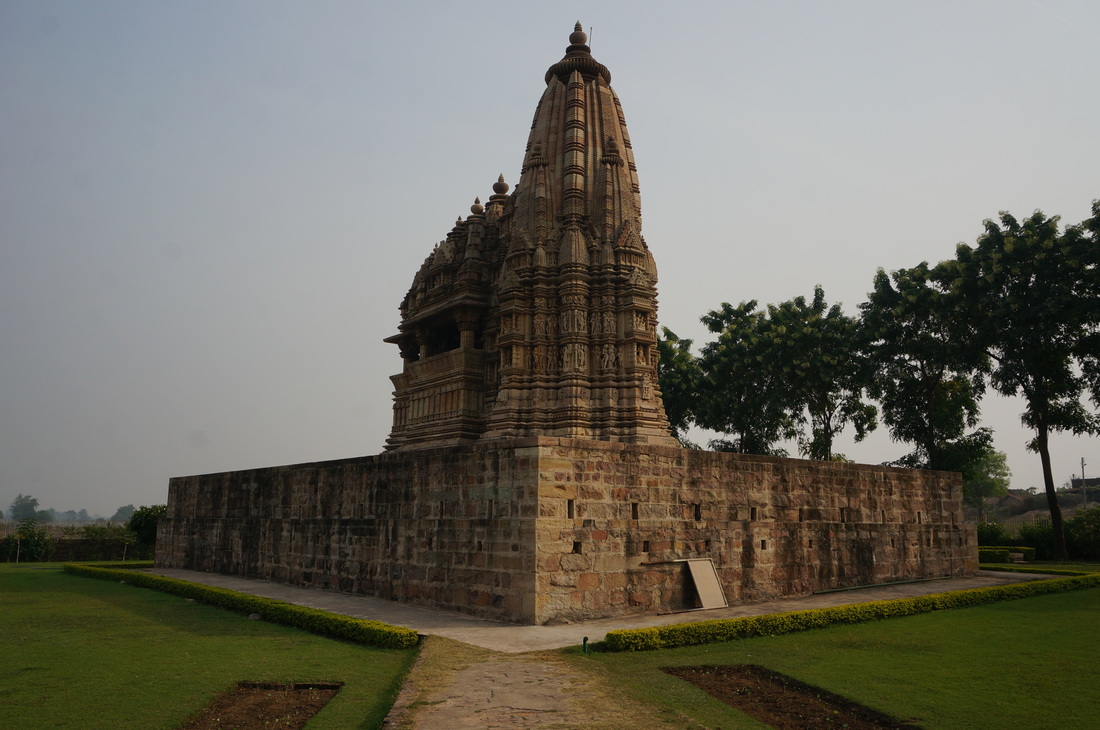
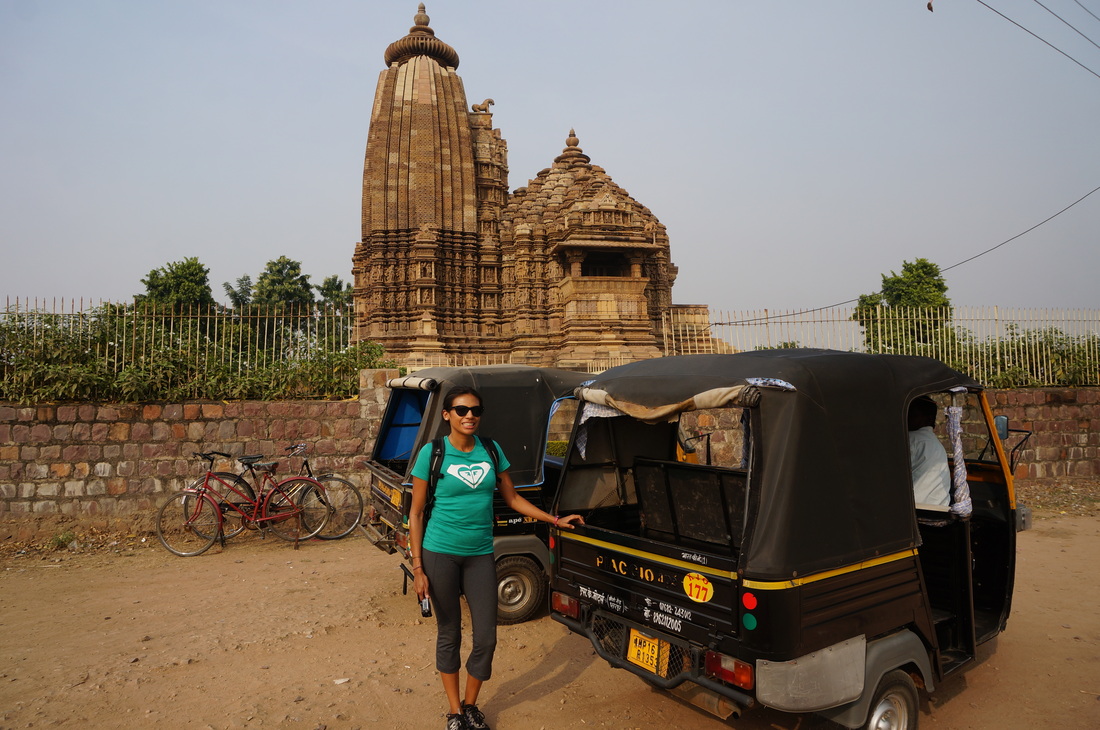
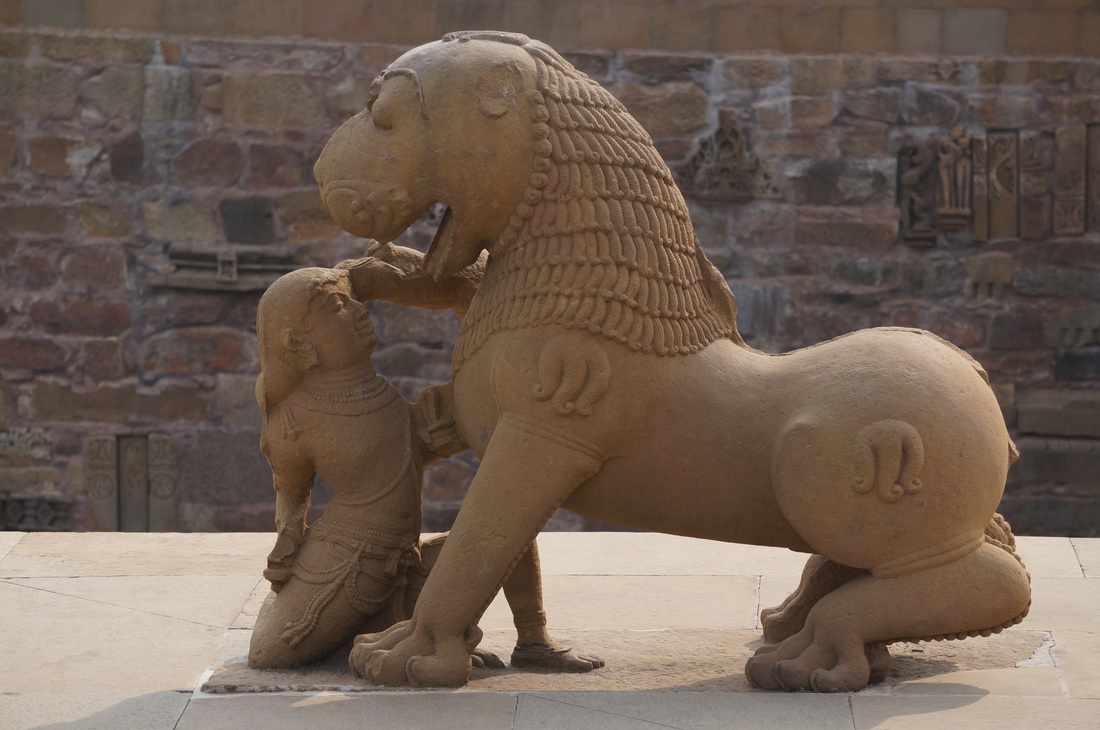
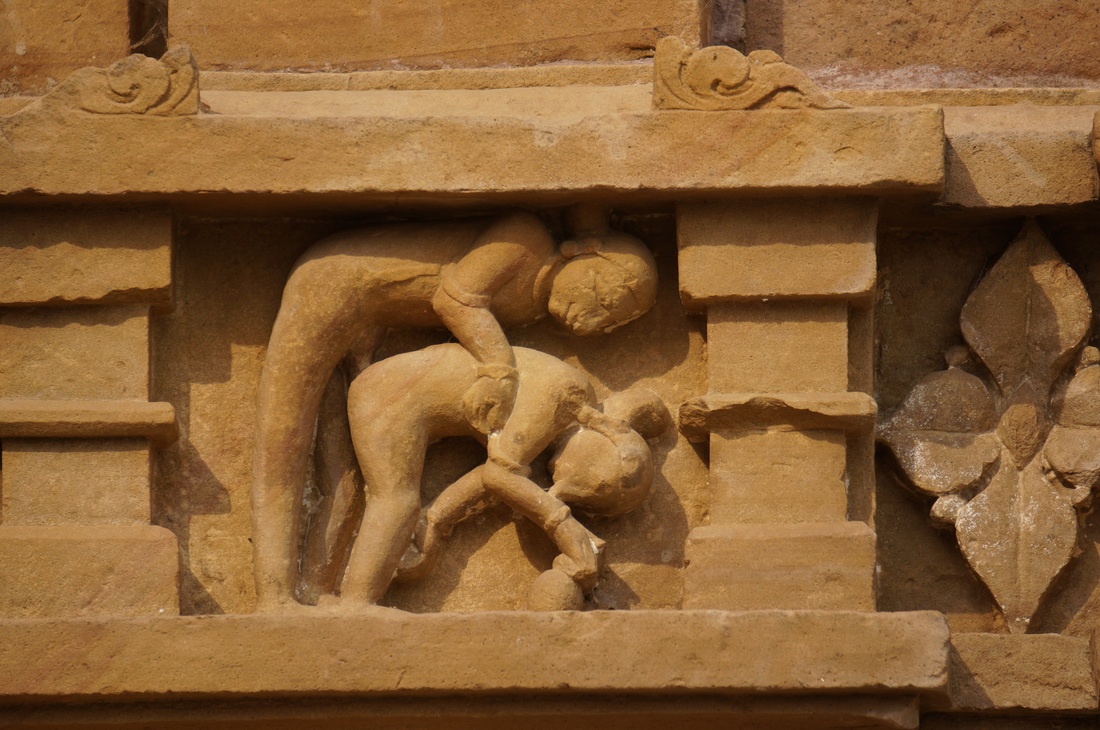
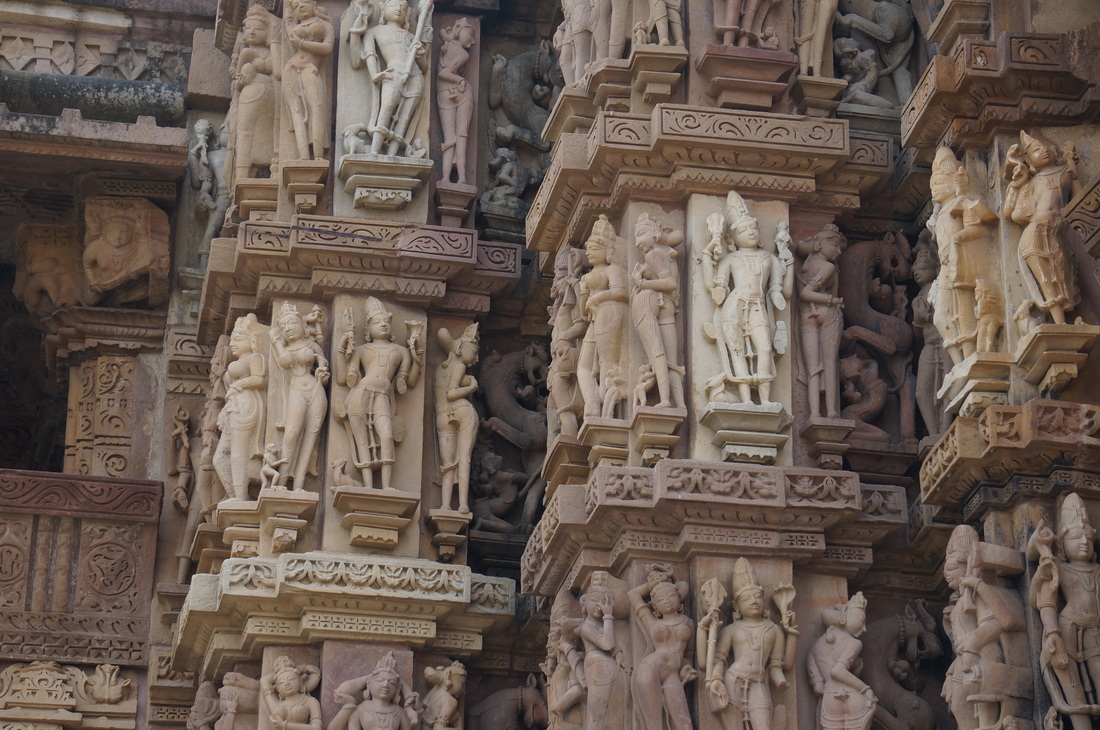
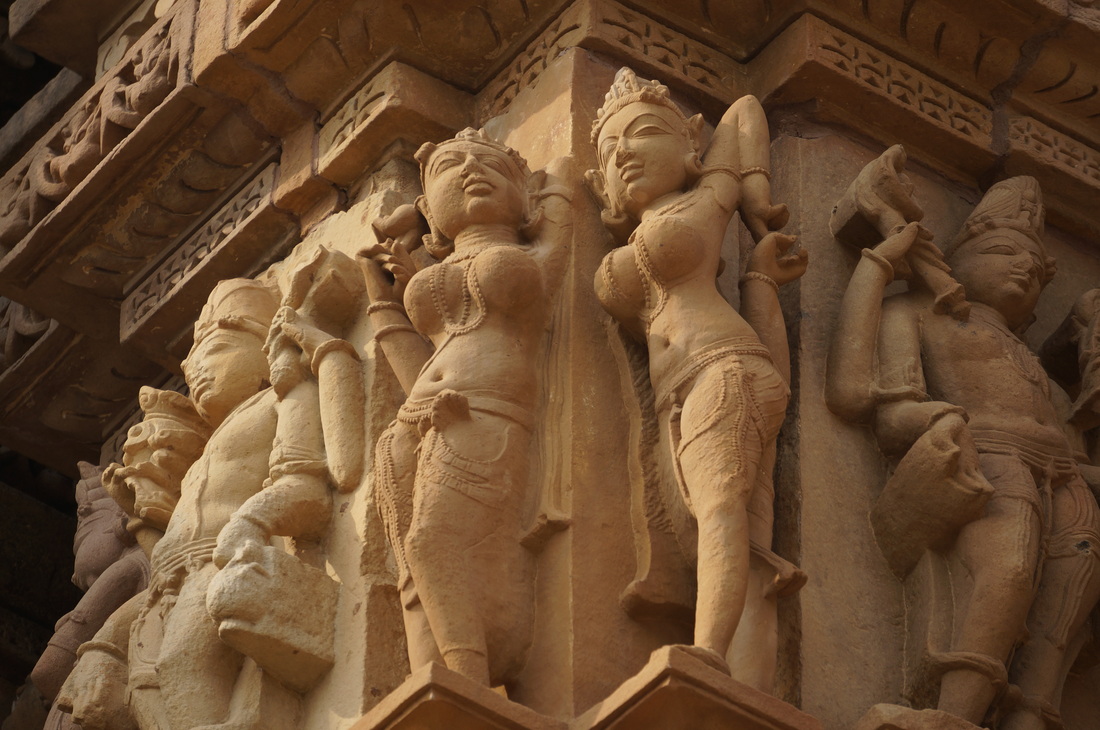
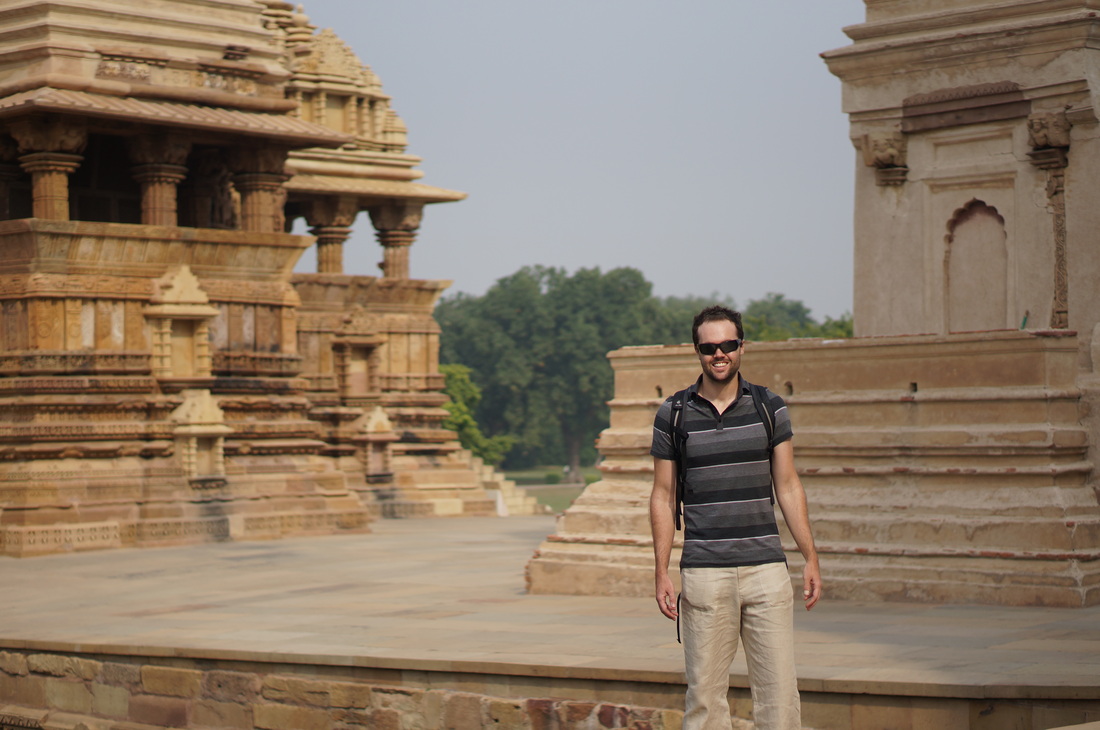
Khajuraho's temples and their detailed engravings make a very strong first impression, and we particularly enjoyed wandering around the beautifully presented western group of temples and surrounding gardens. The real crowd pleasers, however, are some risqué scenes depicted in some of the engravings. We wont make you pretend you’re just reading this part of the blog for the articles, so will just say we were really impressed by the temples themselves, and move on to the pictures.
Picture
From Khajuraho we took a 16-hour train ride to Jaipur, the capital of Rajasthan. We’ll have full details on our time in India’s land of Kings in our next post.
1 Comment

Kochi, Goa & Mumbai

11/20/2014

1 Comment

 
Picture
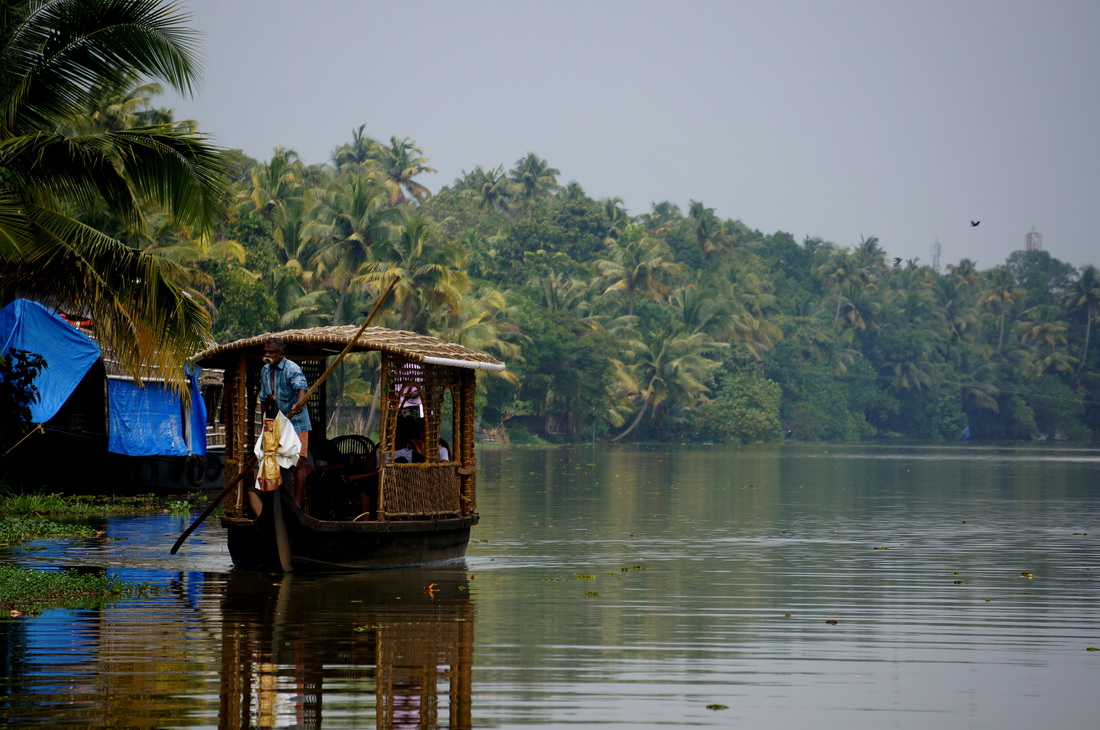
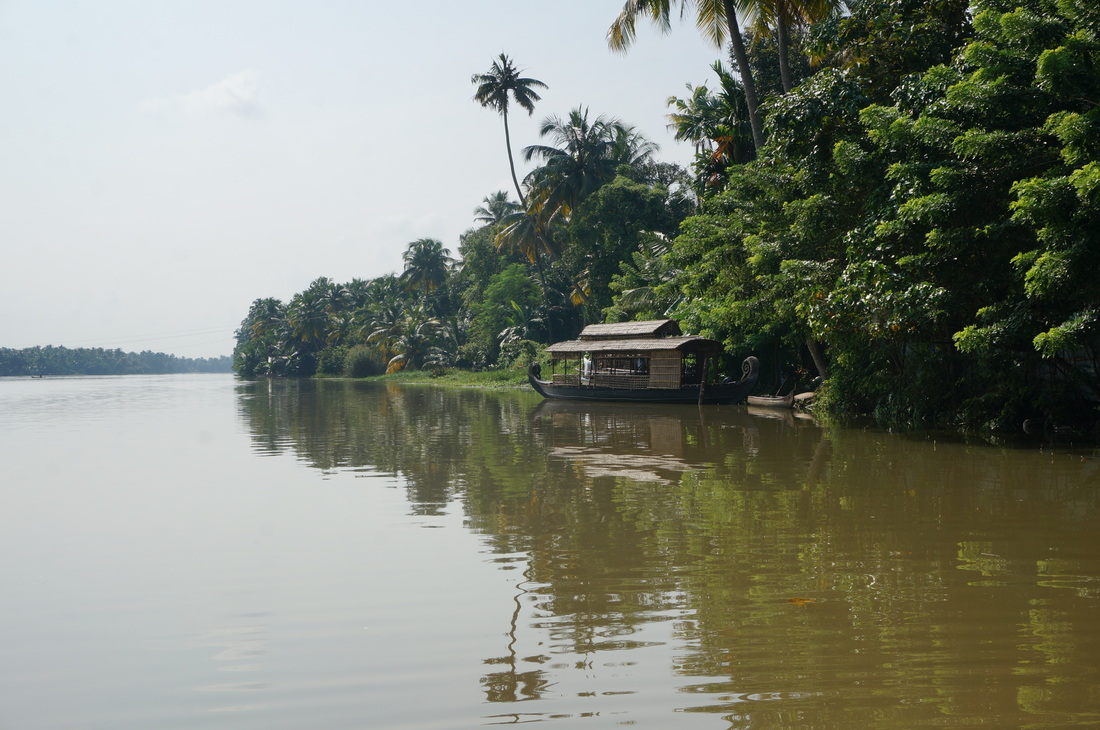
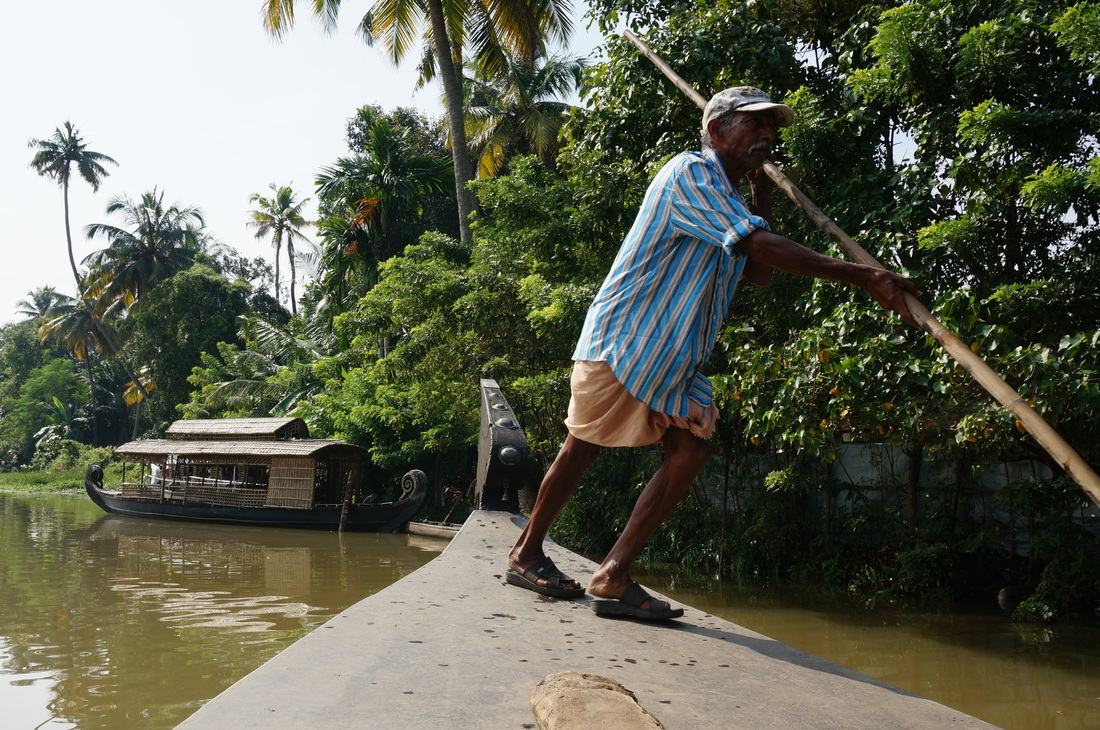
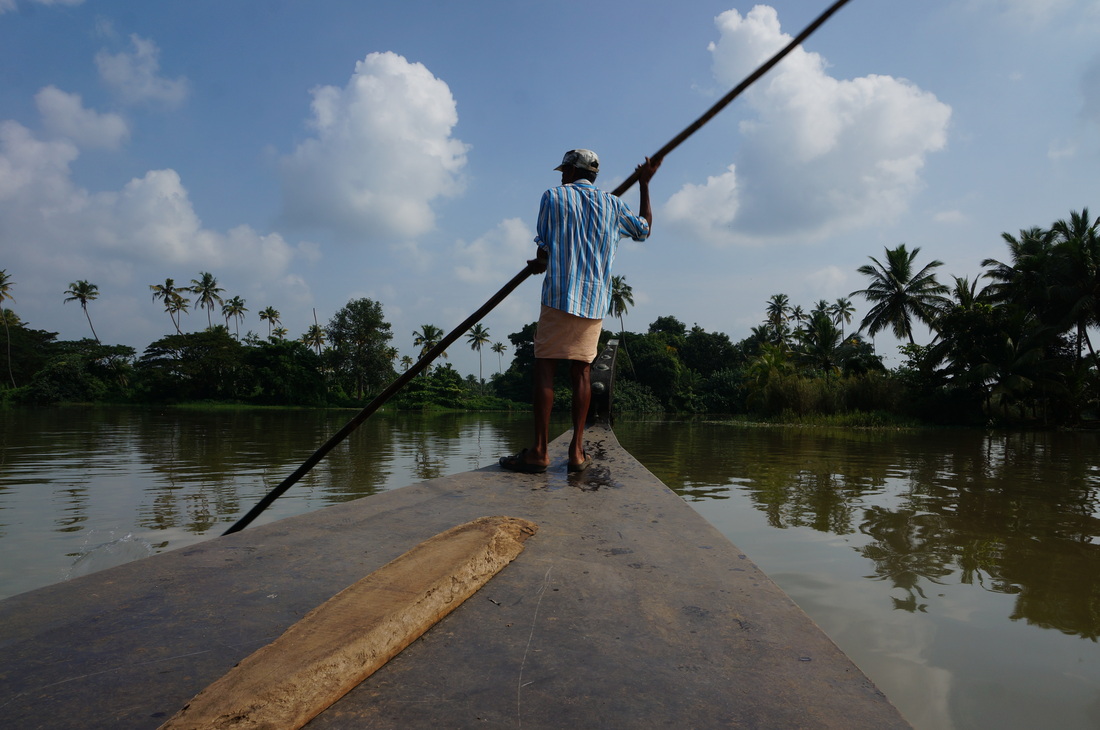
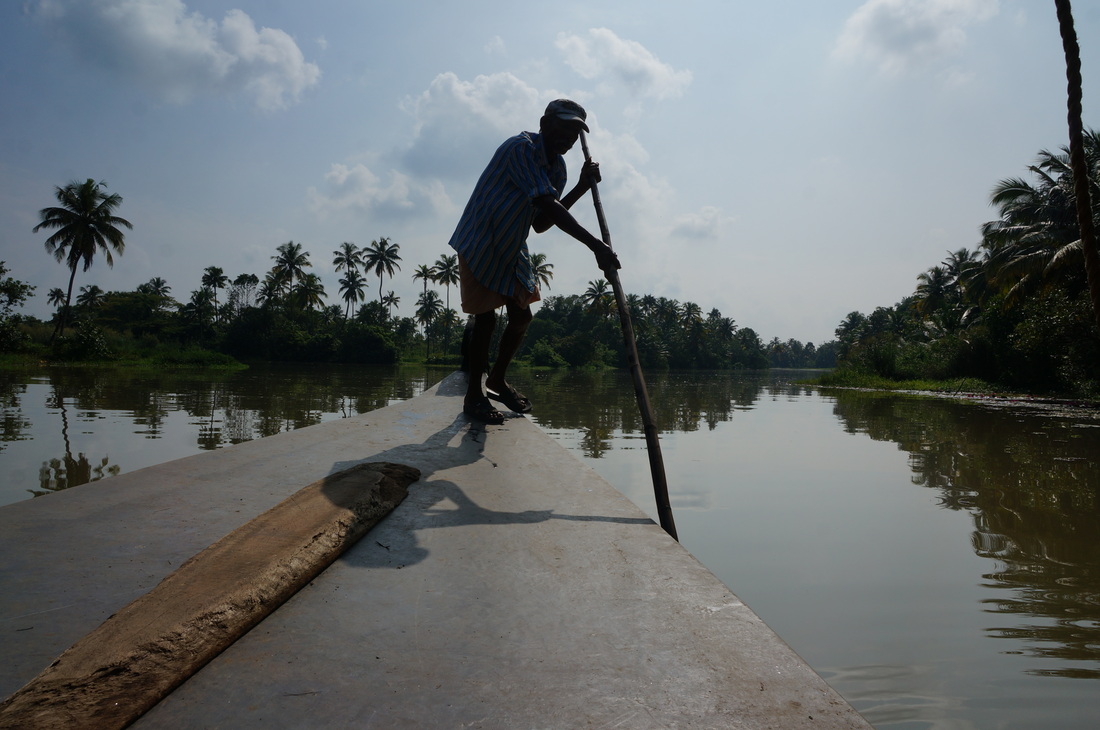
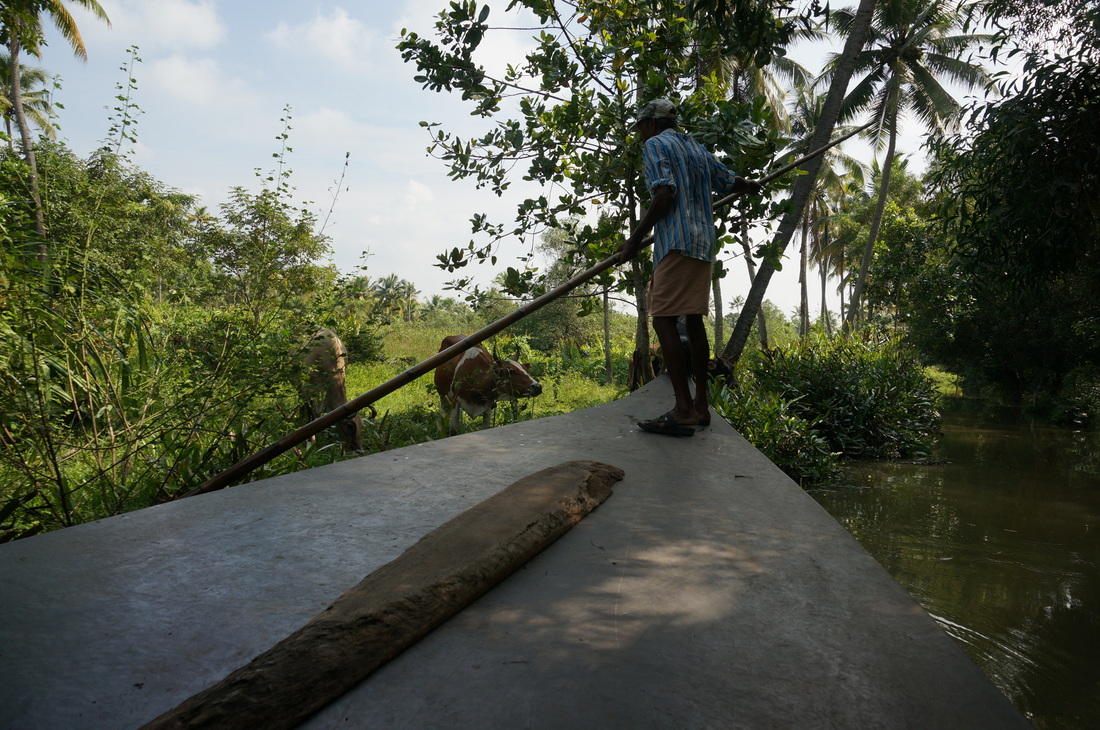
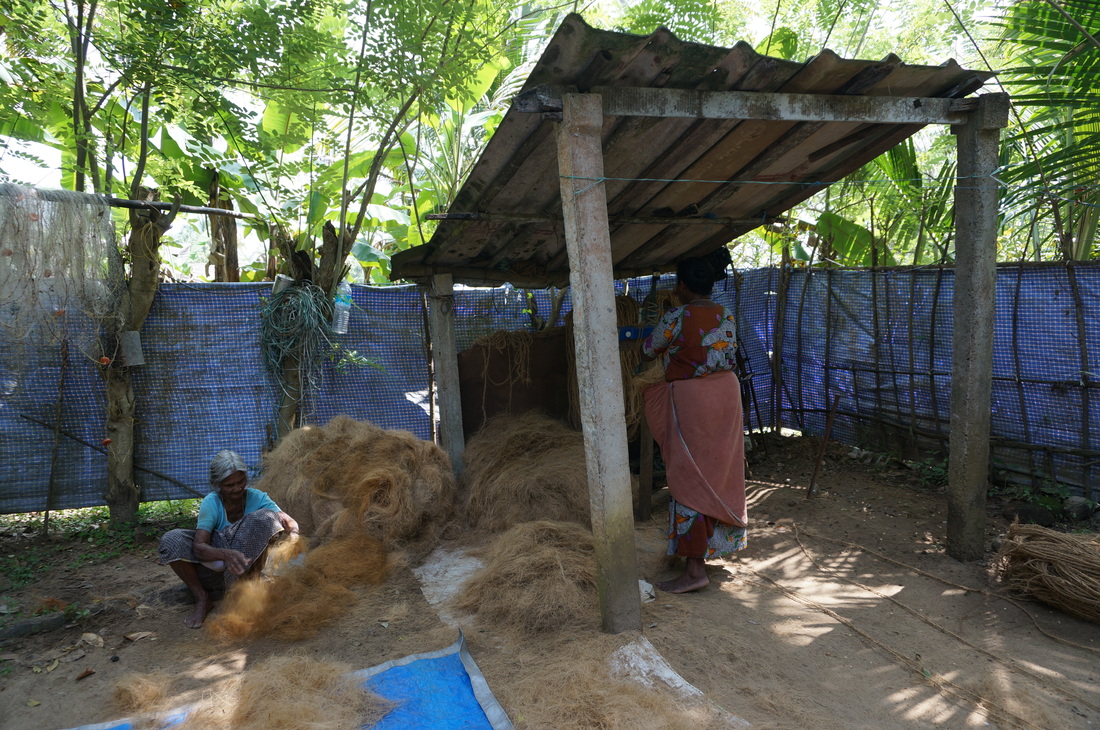
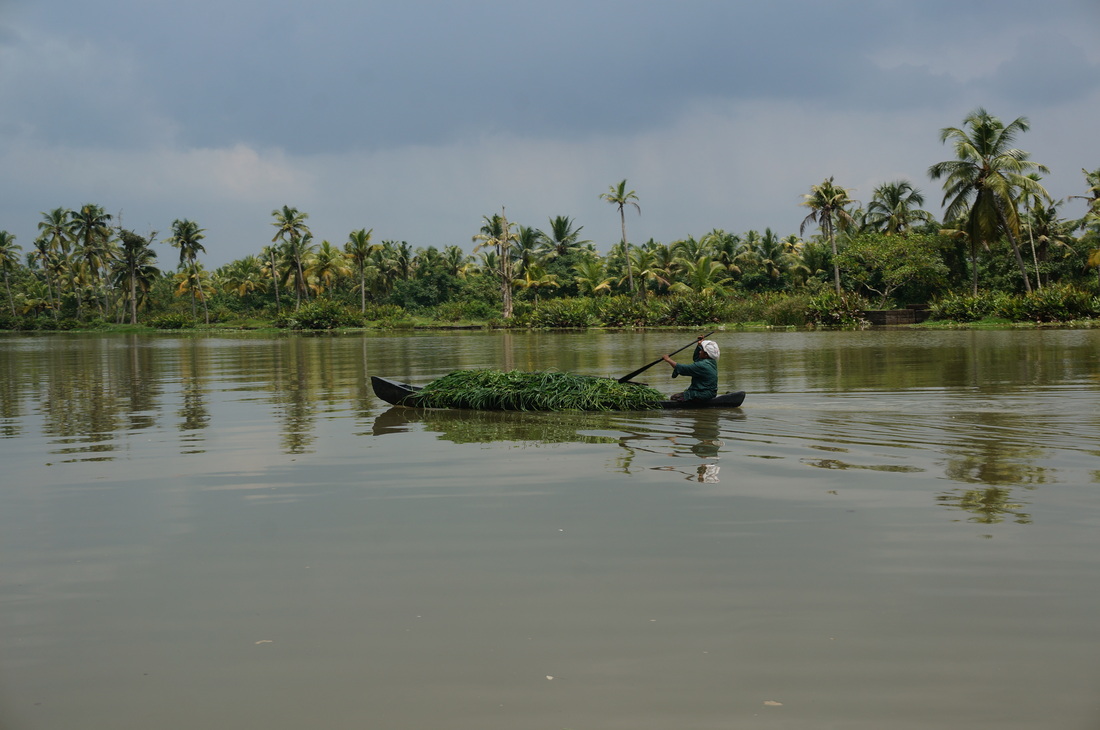
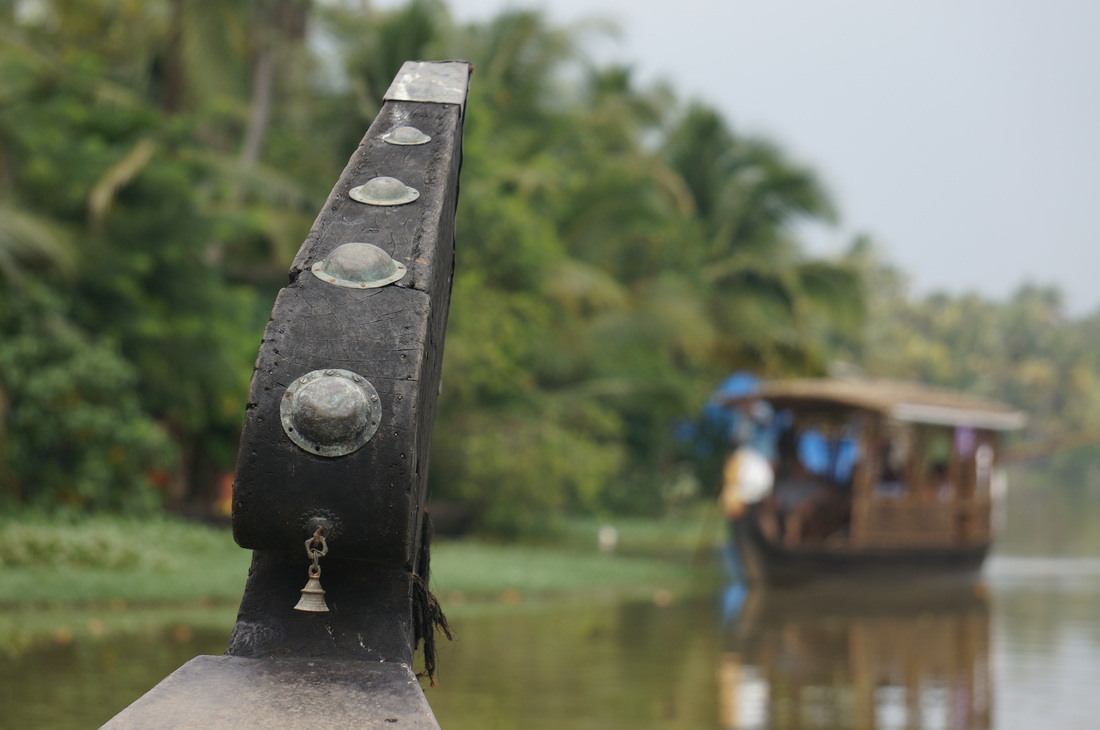
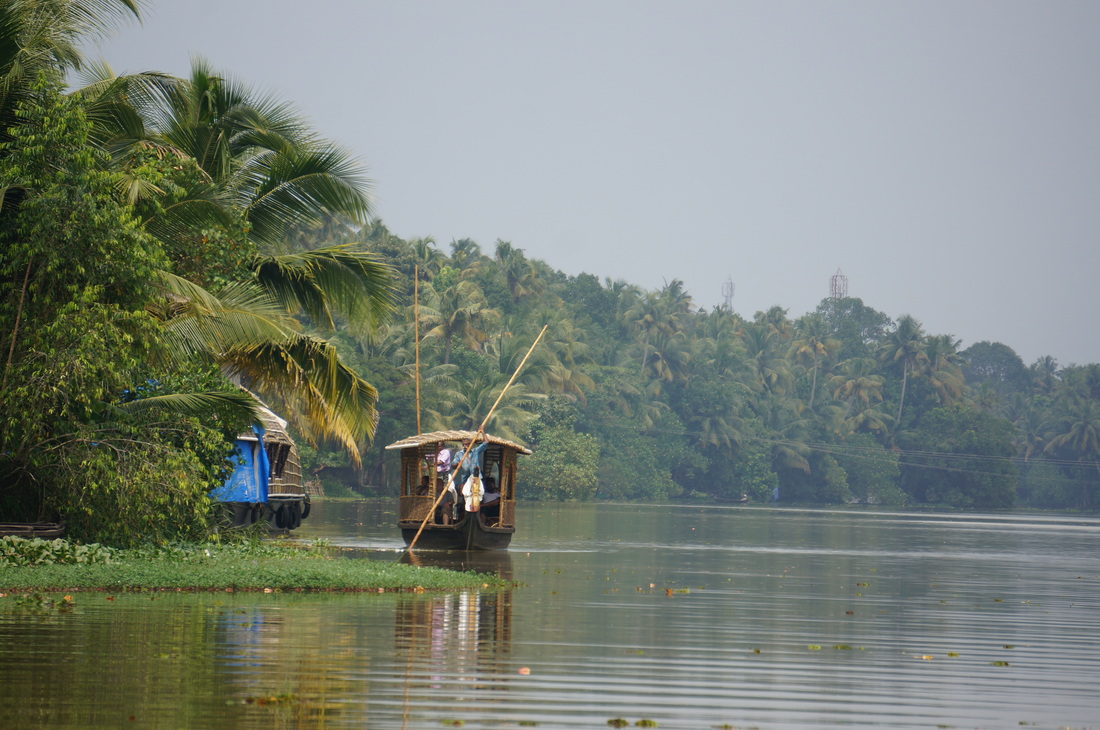
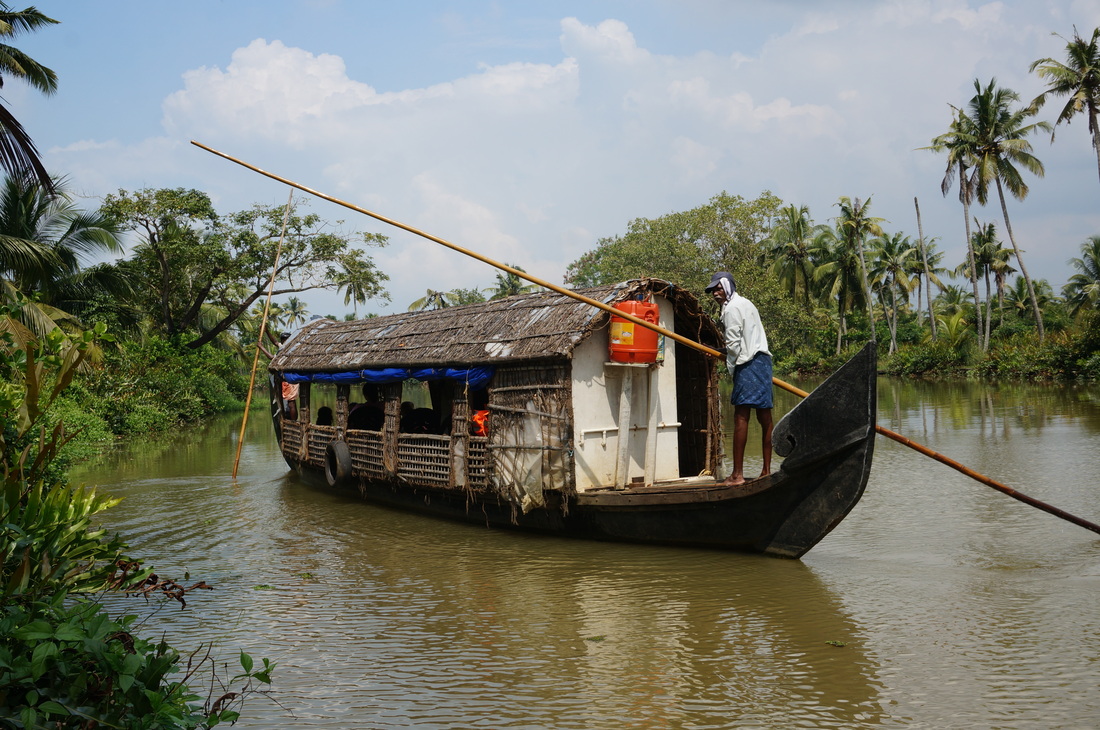
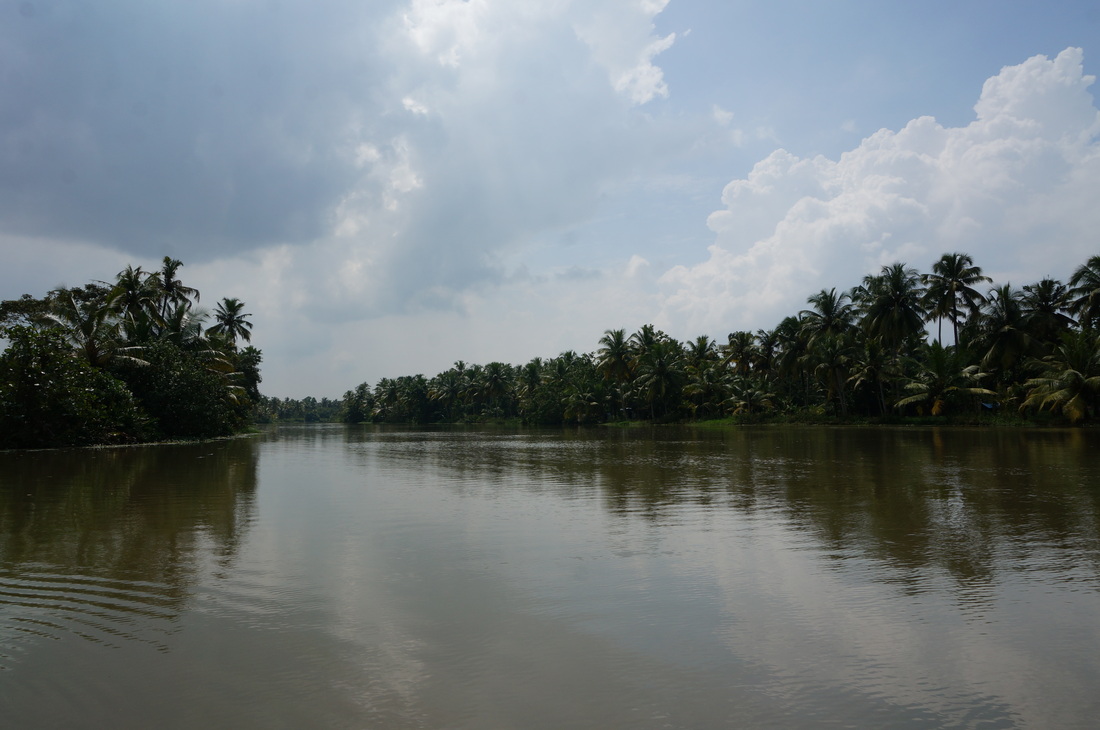
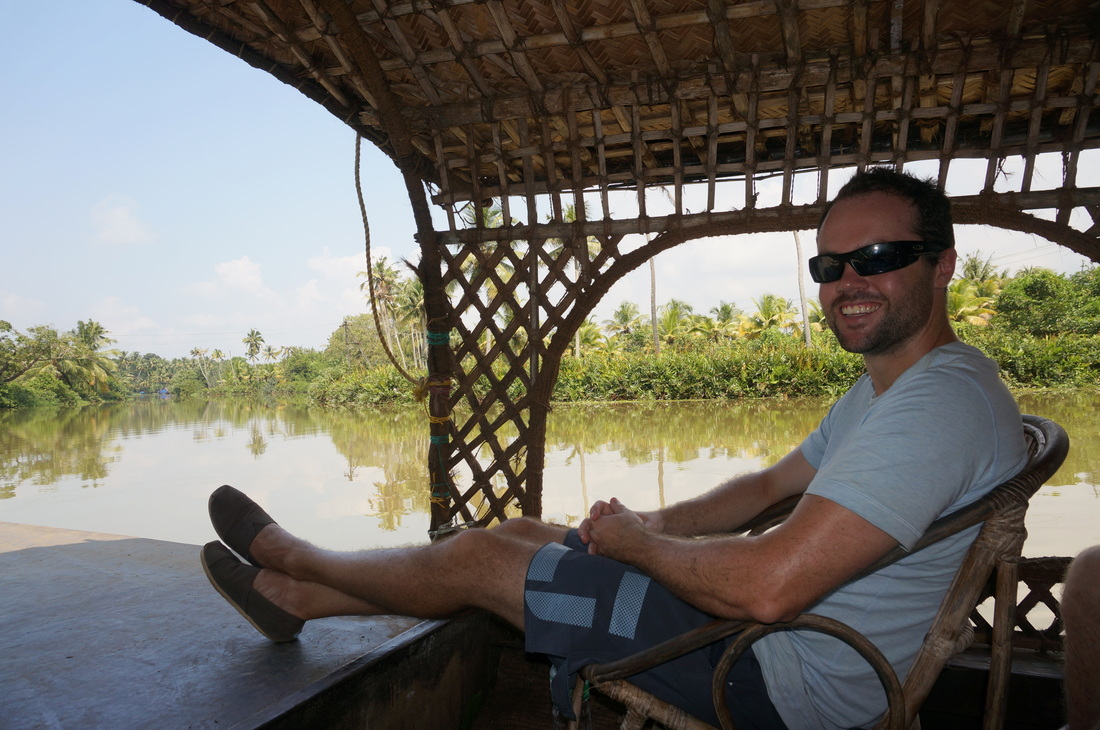
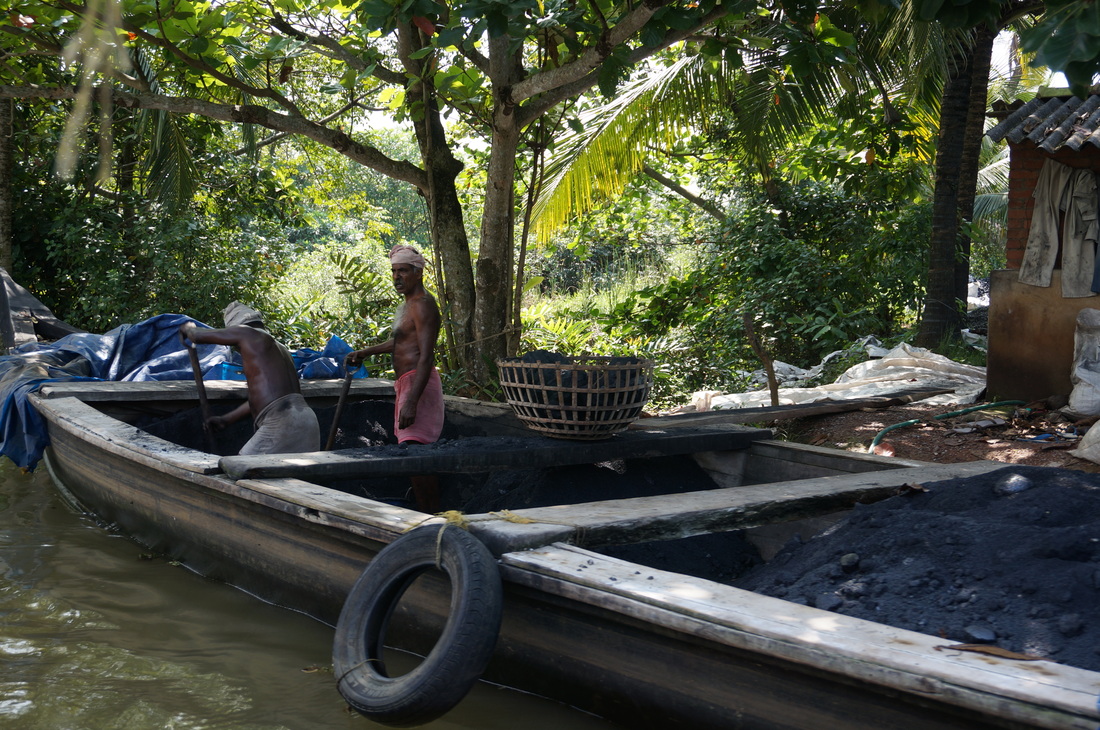
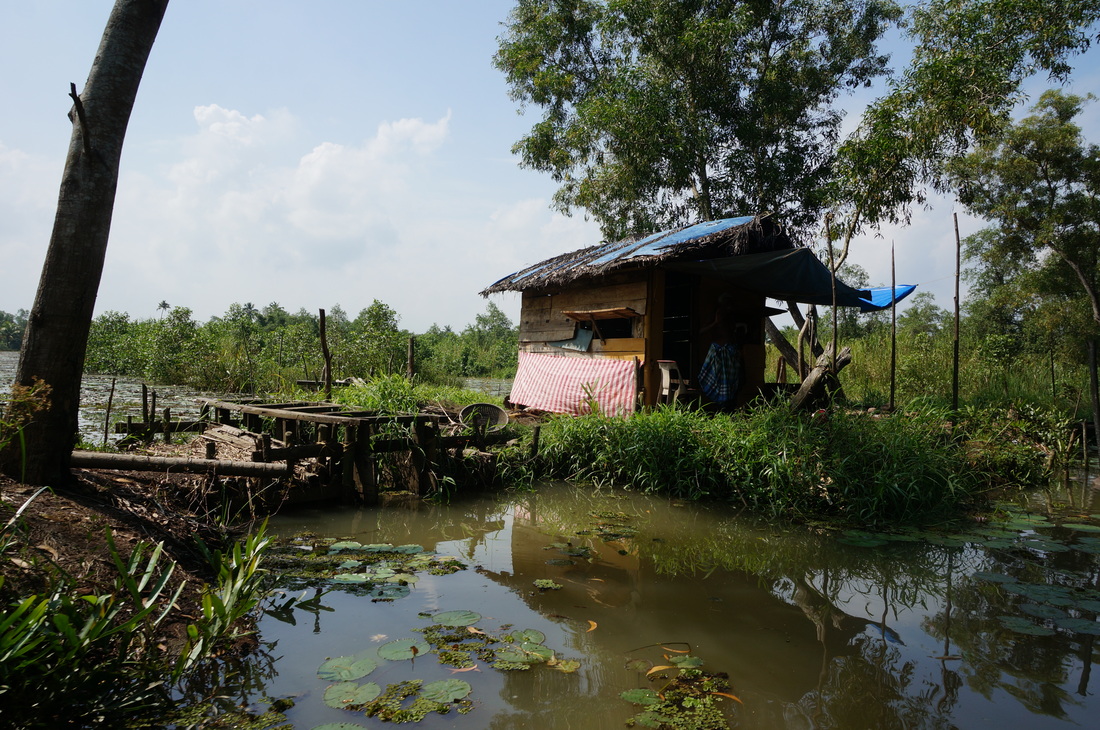
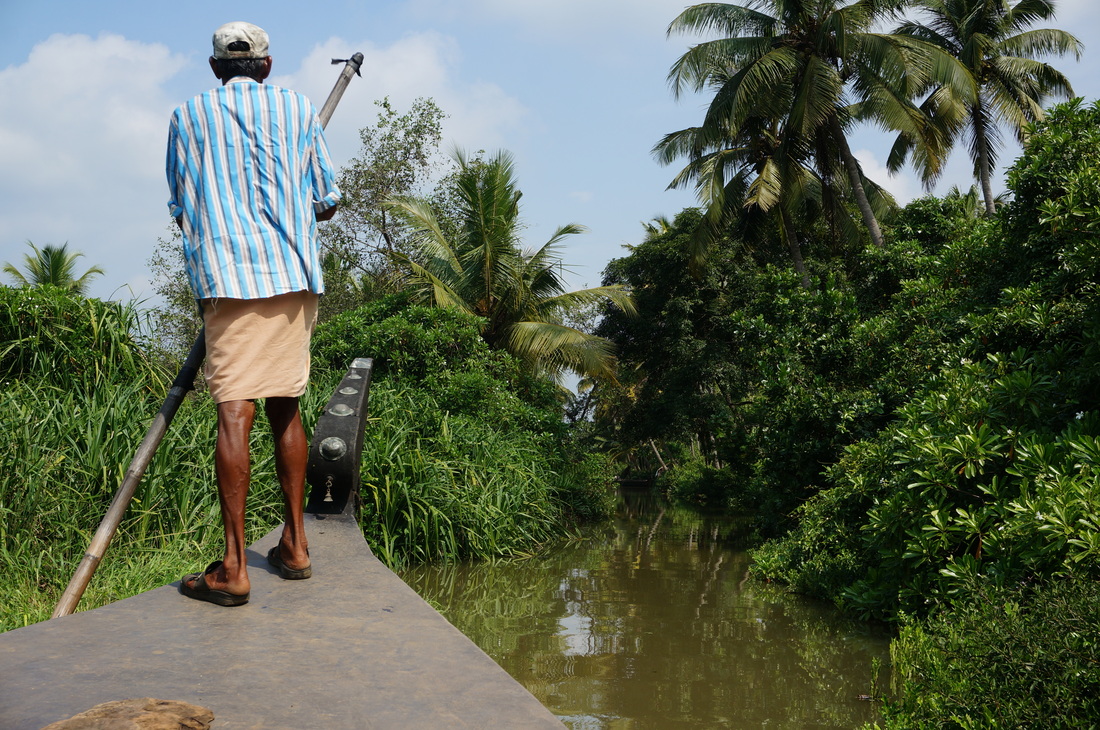
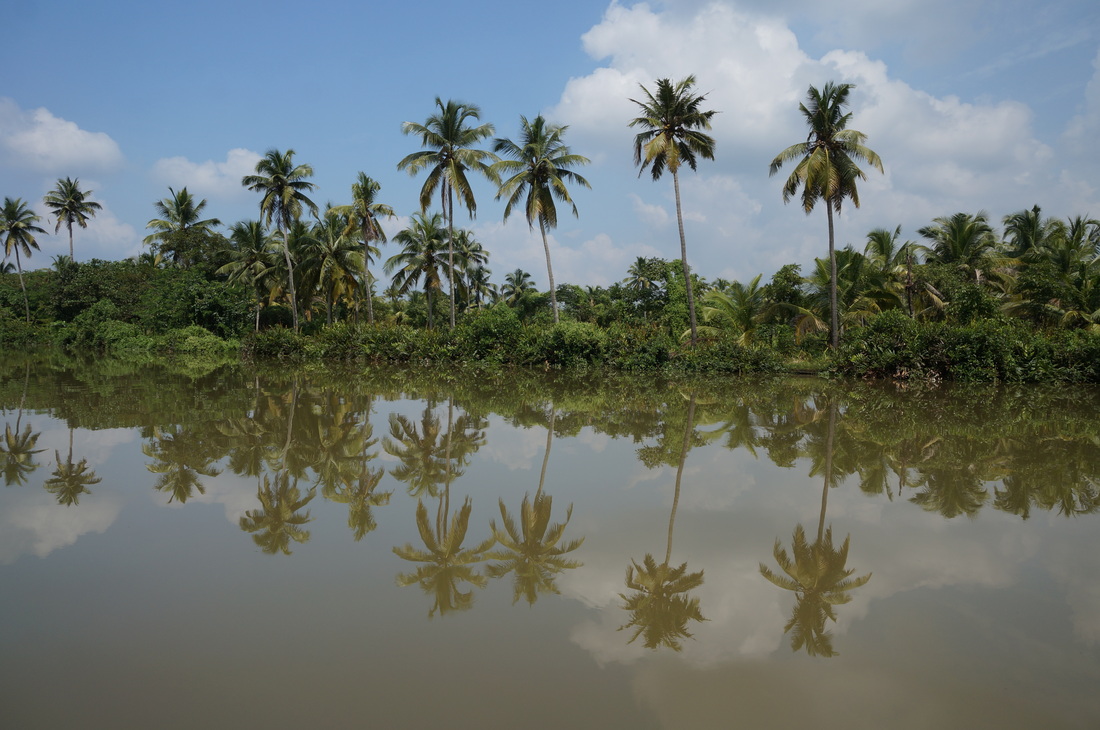
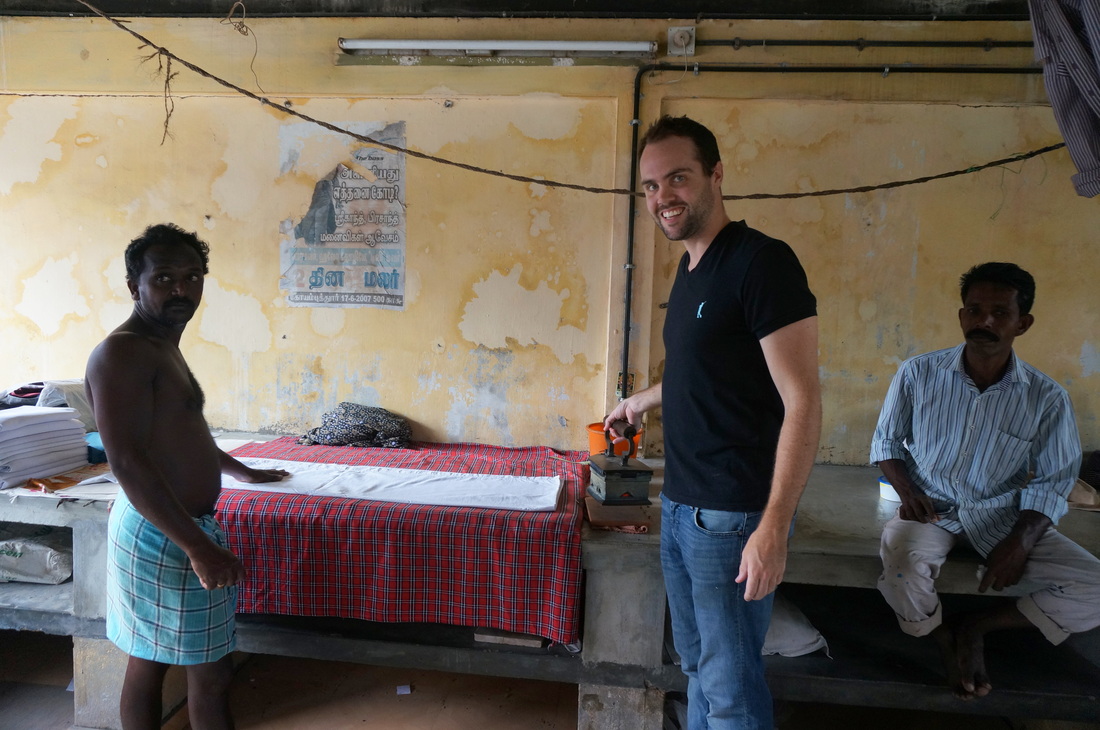
The first stop in our month-long stint in India was Kochi, the coastal capital of the south western state of Kerala. Top of the list for most tourists visiting Kochi is the nearby Kerala Backwaters, a network of rivers and lagoons, so that’s where we headed on our first full day. Many travelers hire a houseboat to spend a night anchored on the water, but for us an eight-hour day trip was more than enough. Our tour included, as small breaks from the pretty but relatively repetitive scenery, a couple of short stops to see how the locals make a living. We first visited a small factory that breaks down clam shells for all sorts of industrial uses (ranging from cement to pharmaceuticals), and later witnessed locals making rope from dried coconut fibers.
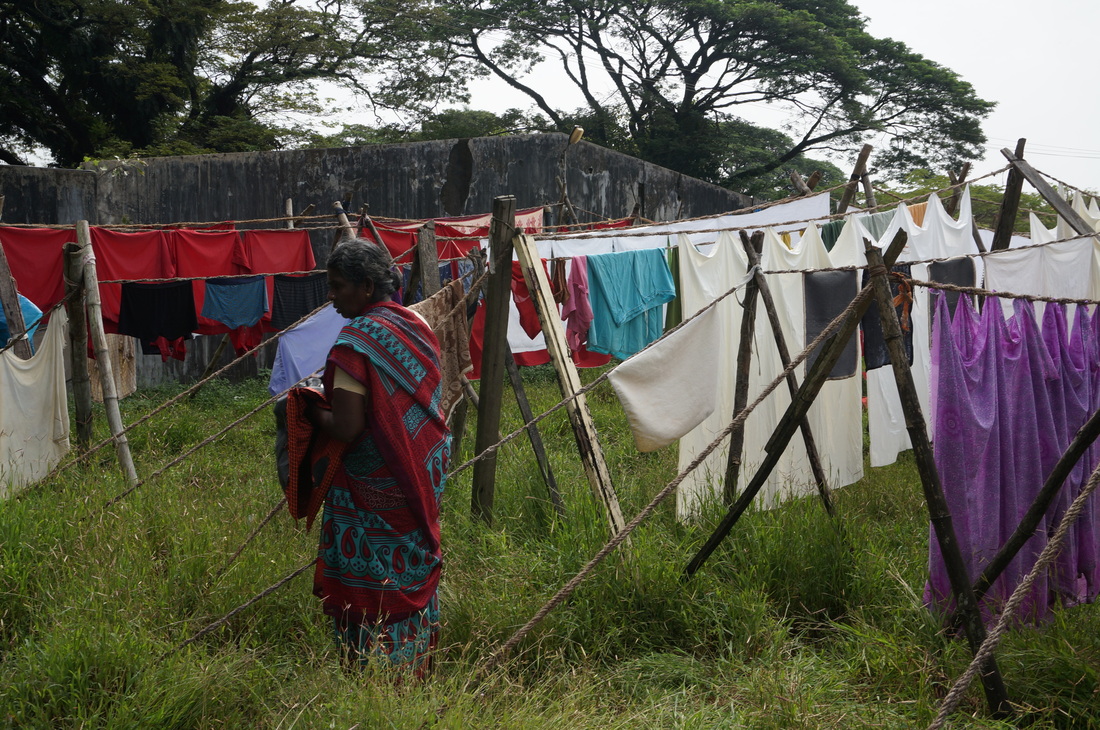
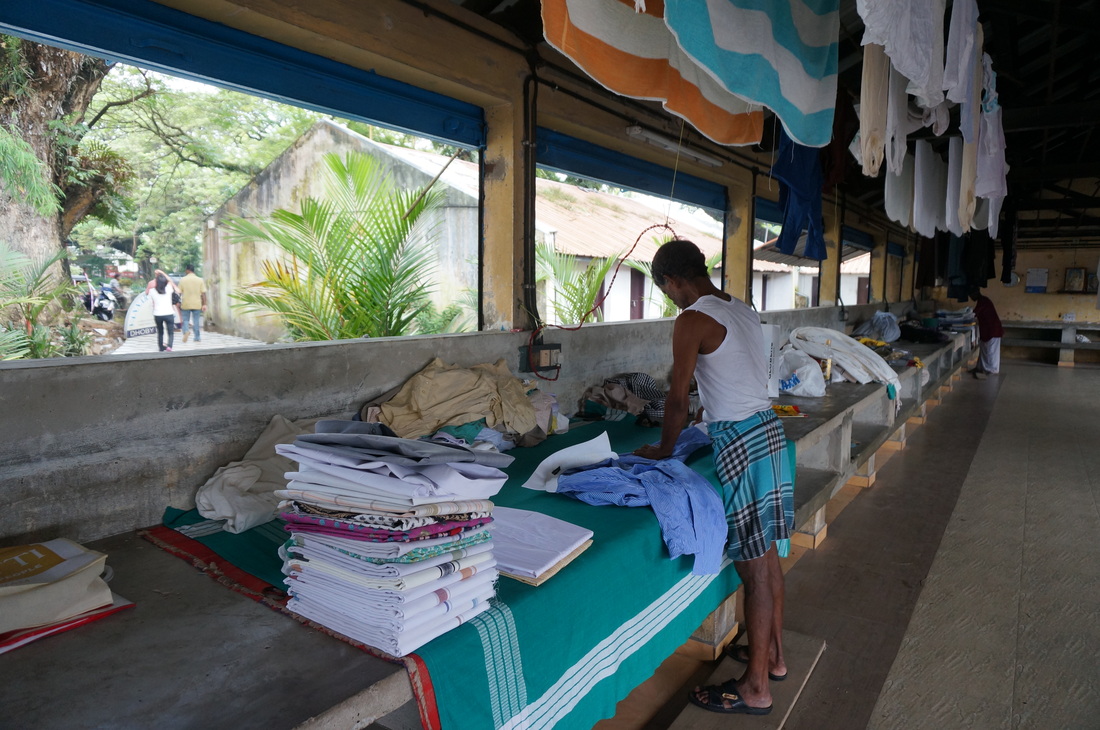
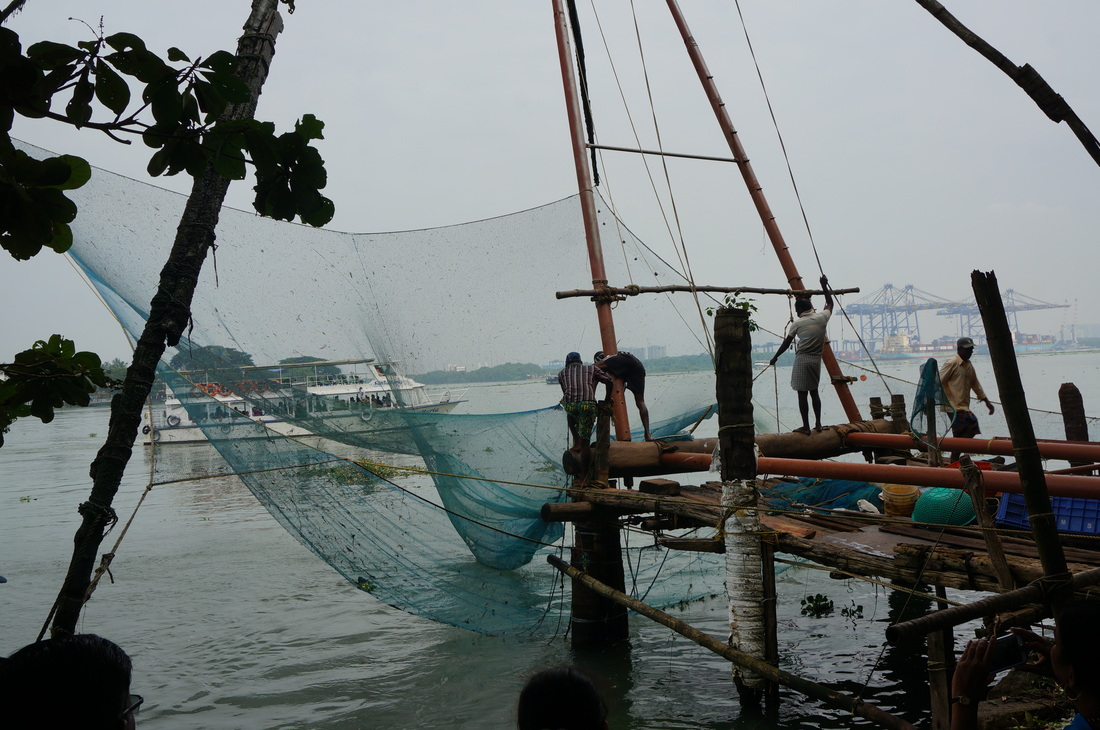
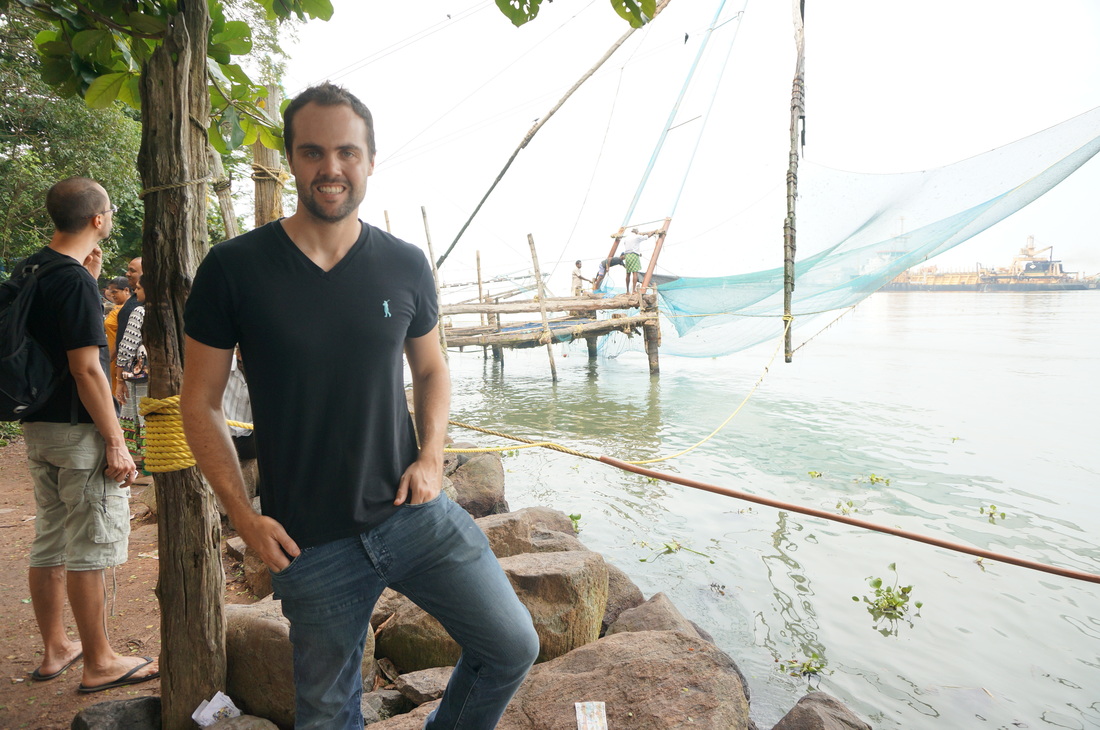
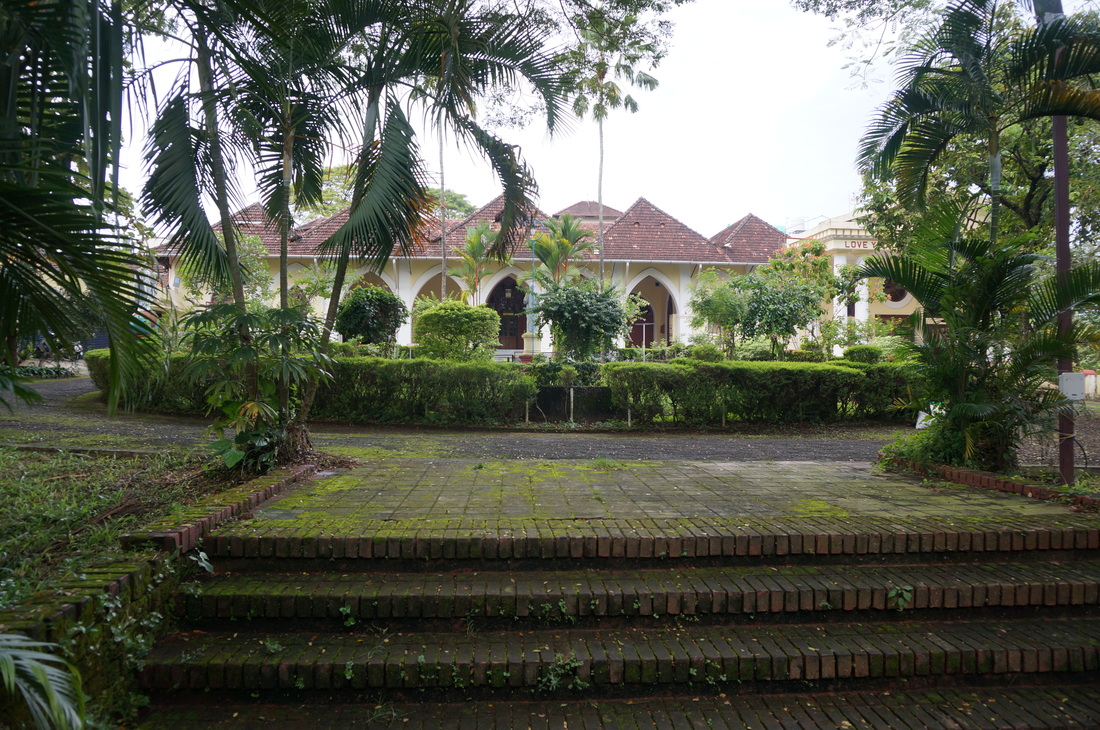
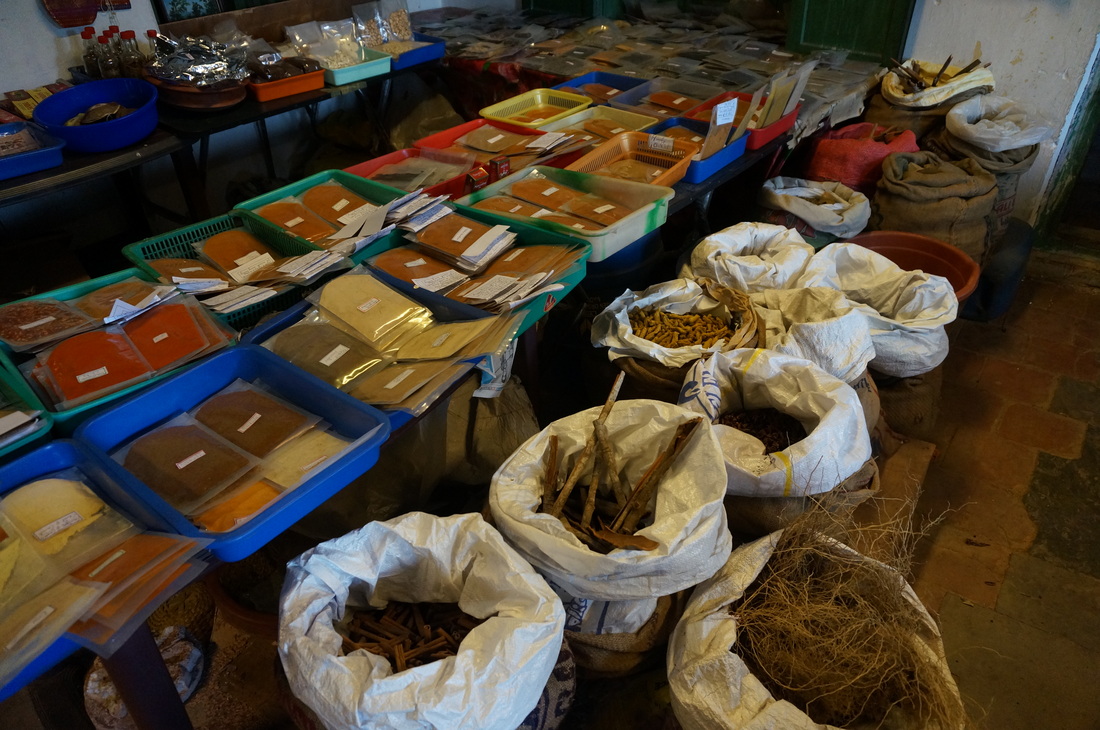
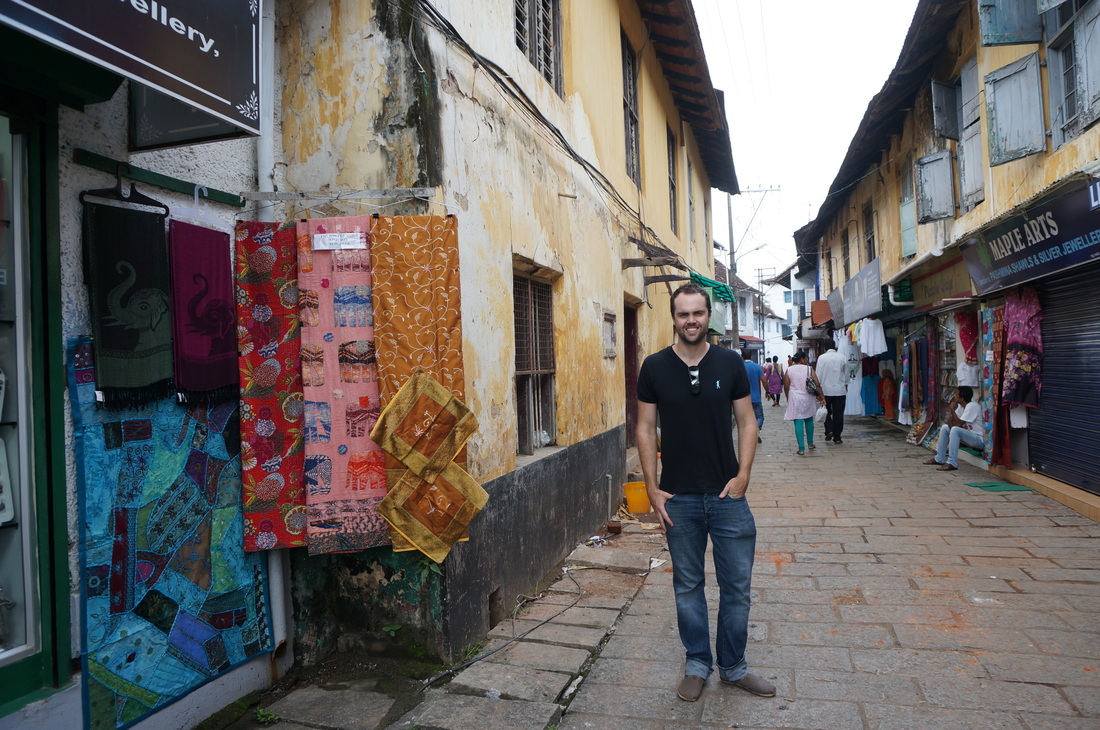
Kochi is known for its historic Fort, which played host to Portuguese, Dutch and British (in that order) traders during the 16th and 17th centuries, and now features lots of museums, hindu temples, christian churches and a famous jewish synagogue, each built during various stages of the Fort’s multicultural history. Despite the European influence, Fort Kochi is unmistakably Indian, with plenty of spice markets, local fishing nets and outdoor communal laundries (not to mention the cows and honking tuk tuks). We stayed close to the middle of the Fort, and could easily have walked to all of the attractions, but instead chose to take a tuk tuk, ensuring we wouldn’t get lost or get too sweaty wearing temple-compliant winter clothes in hot summer weather. We’d recommend the tuk tuk as a really good cheap option, so long as you’re prepared to say no when drivers insist on taking you to all sorts of small stores (a hefty commission, often as high as 50%, is where drivers really make their money).
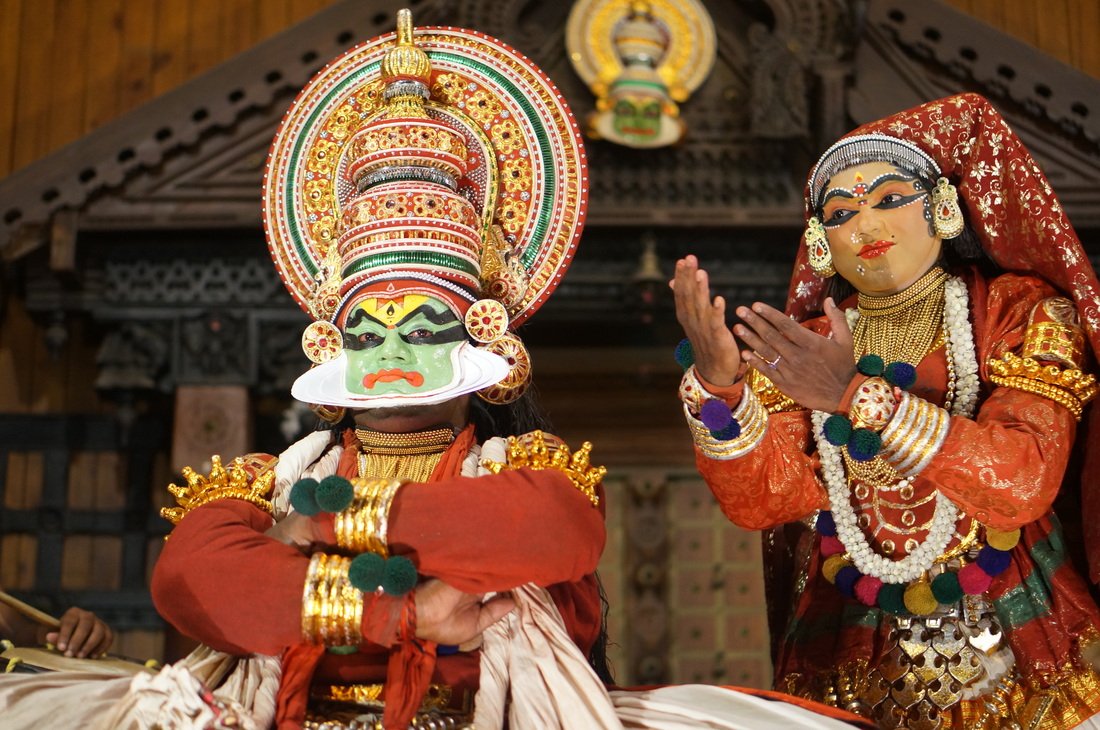
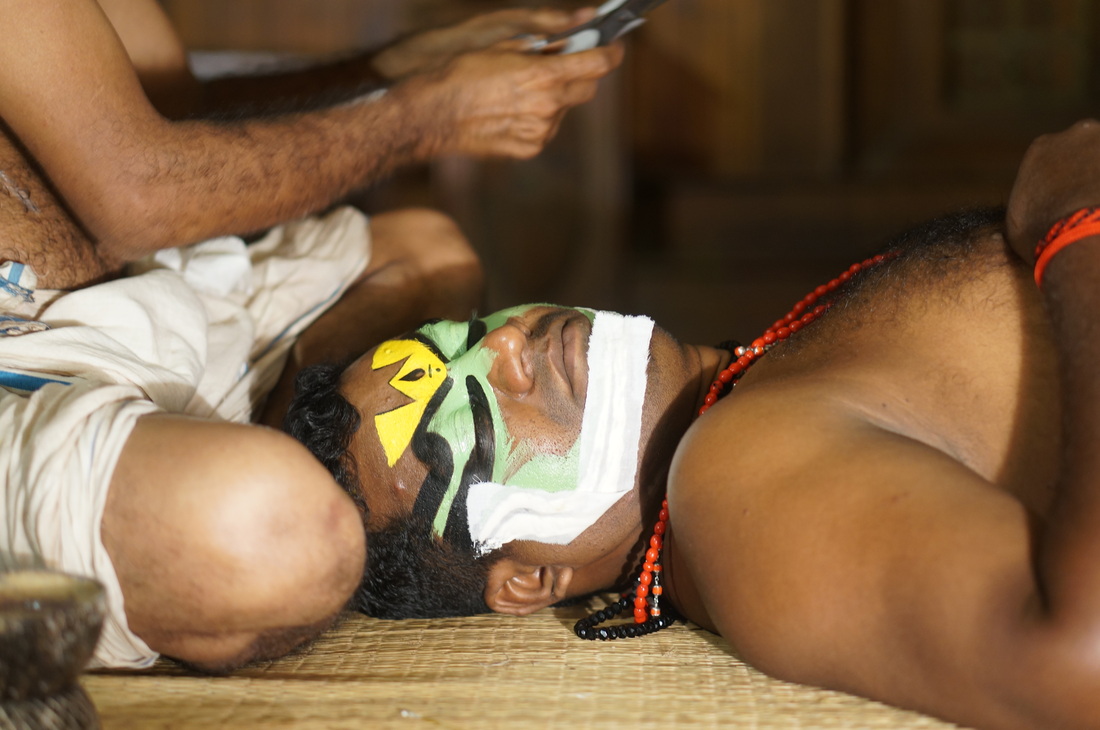
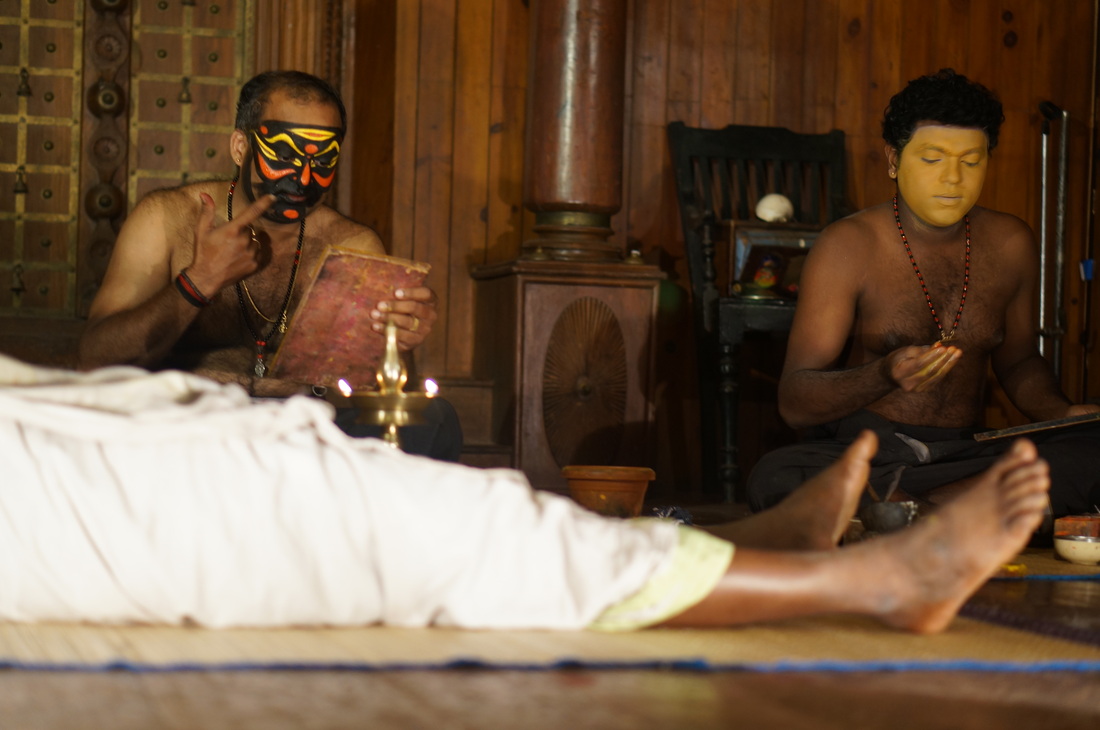
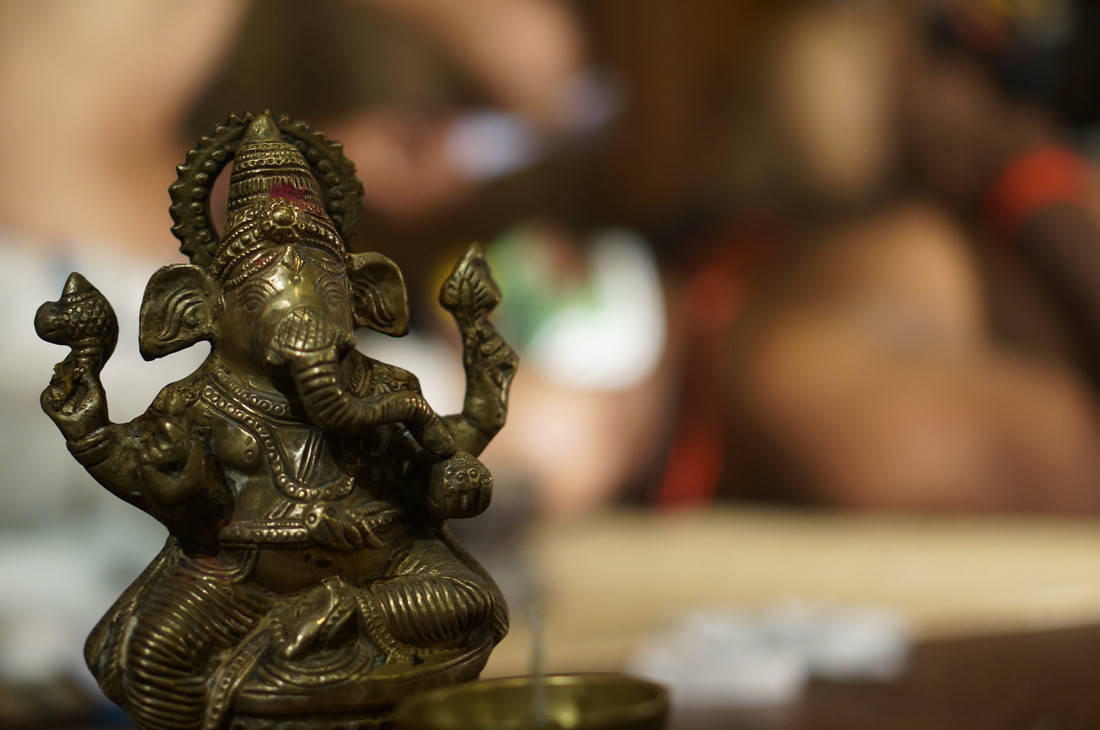
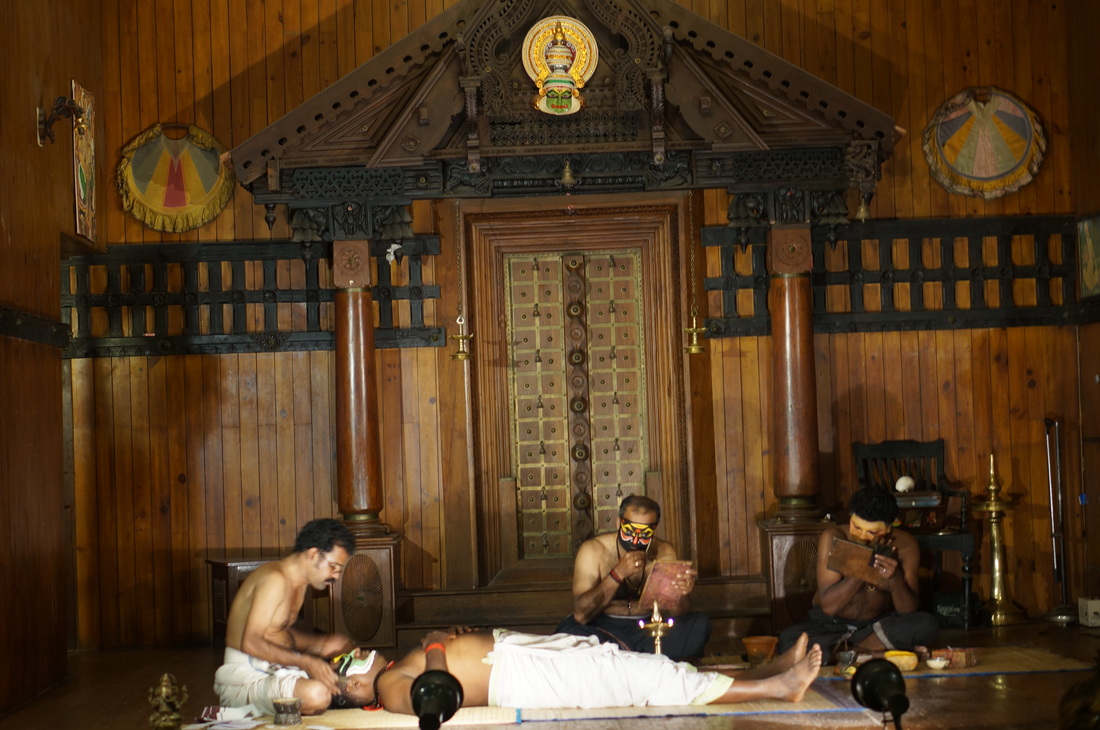
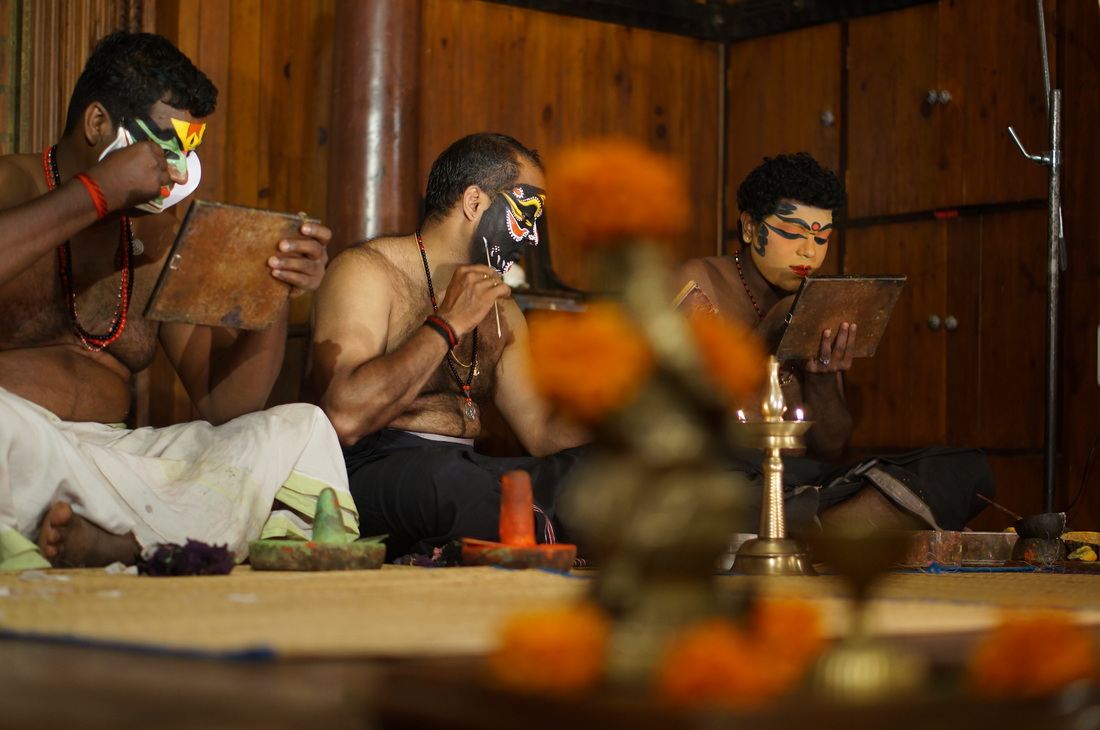
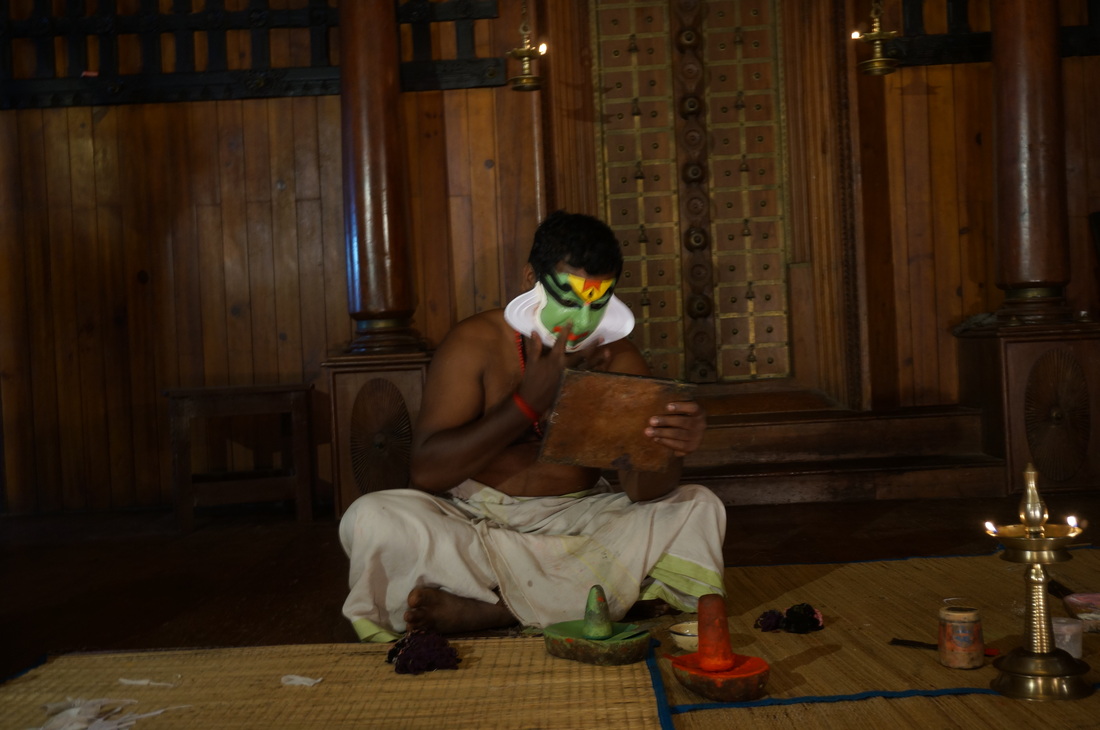
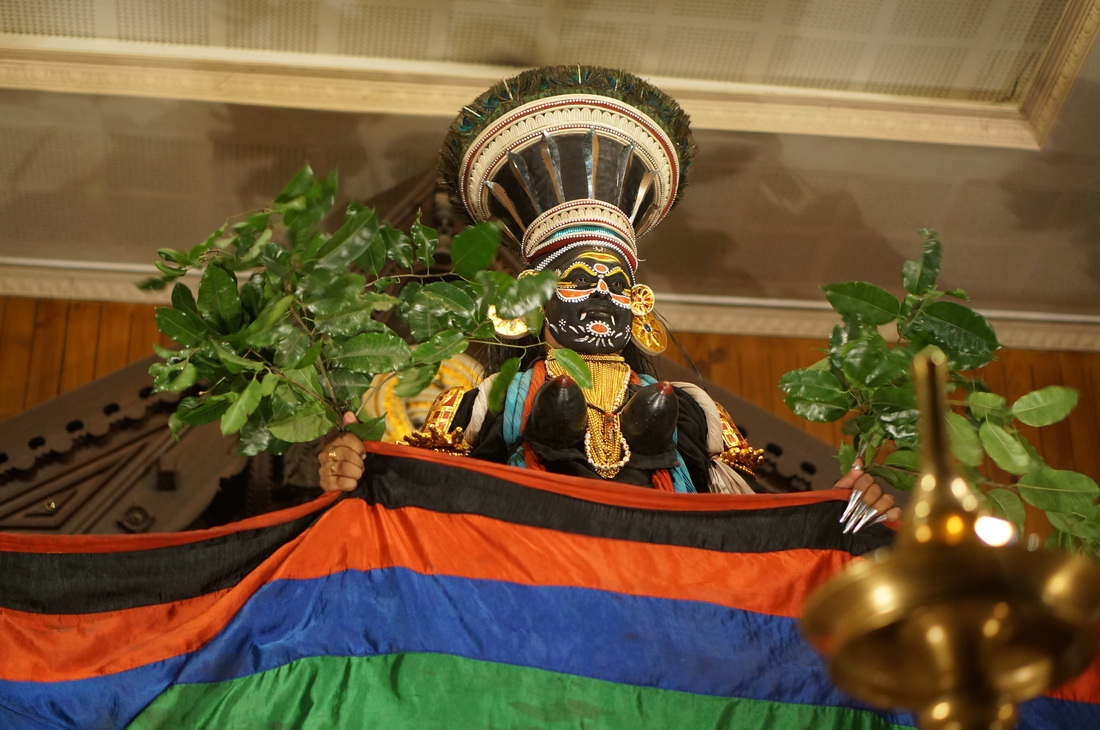
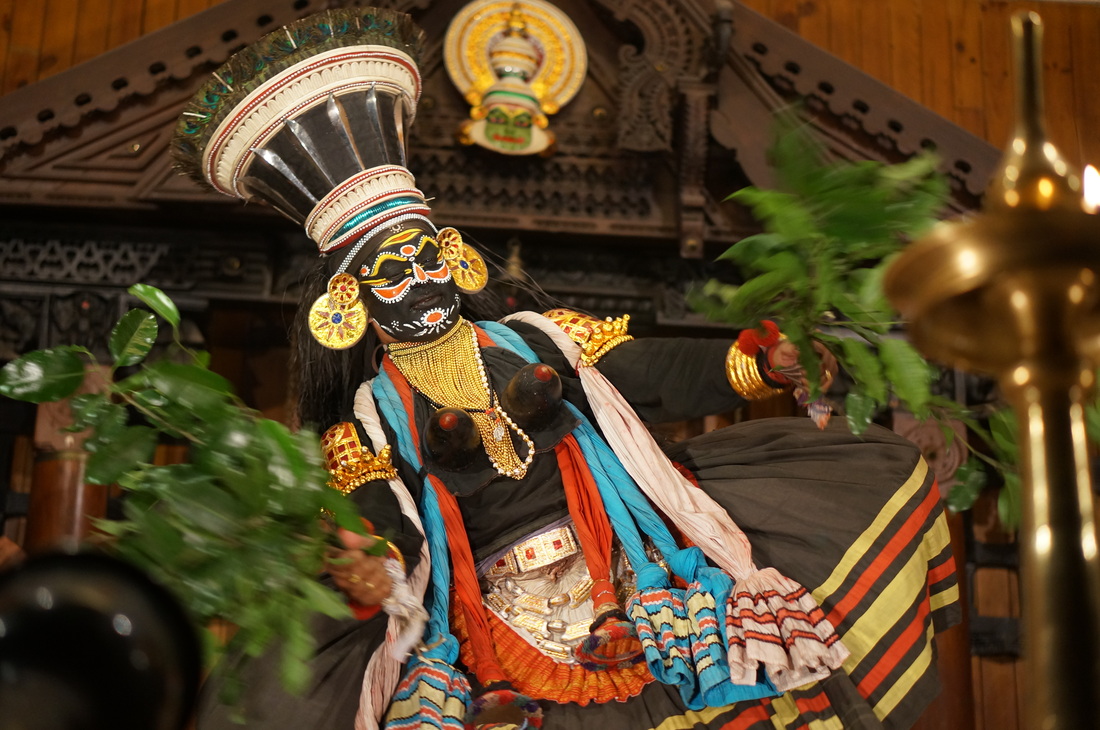
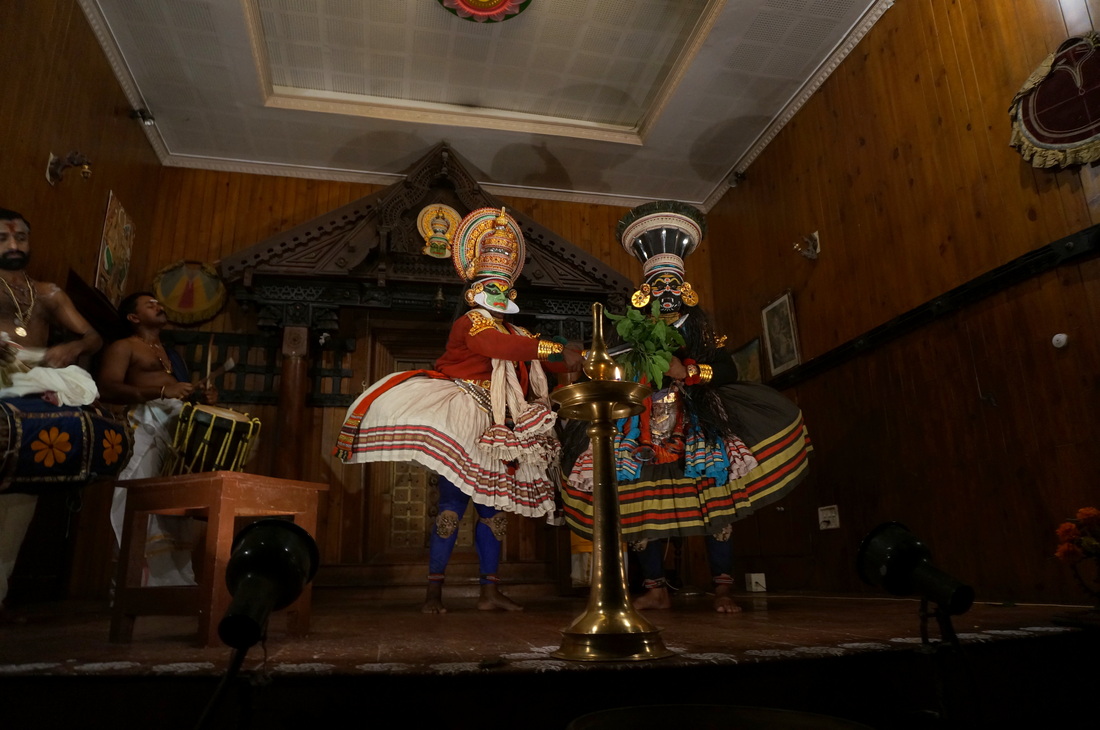
Kathakali (which in the local language means story play) is a style of Indian dance-drama that originated in Kerala in the 17th century, so while we were in Kochi we attended a performance. The play we saw told an 18th century story of an evil woman who tries to seduce a prince. The actors train for 10 years to tell the story using exaggerated facial expressions and dance, so there is no need for tourists to understand the language (although an open mind is necessary in order to enjoy the show and keep a respectfully straight face). One of the key features of Kathakali is the elaborate make-up, so we arrived at the theater an hour early to watch the actors transform themselves on stage.
Picture
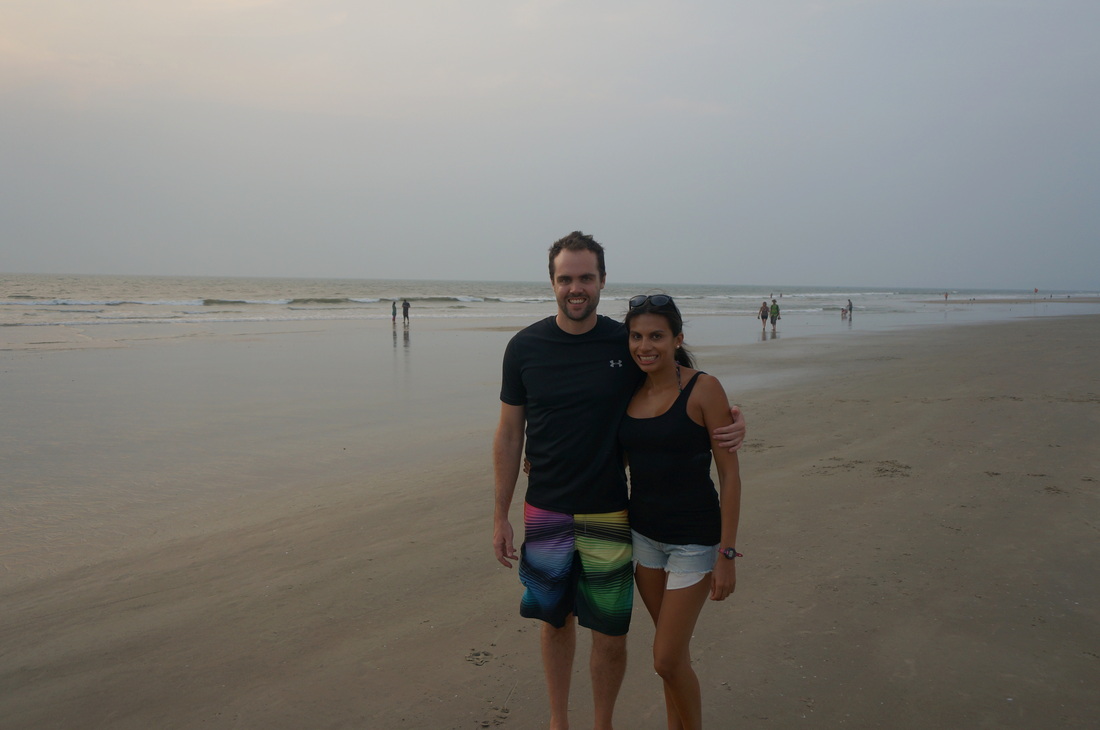
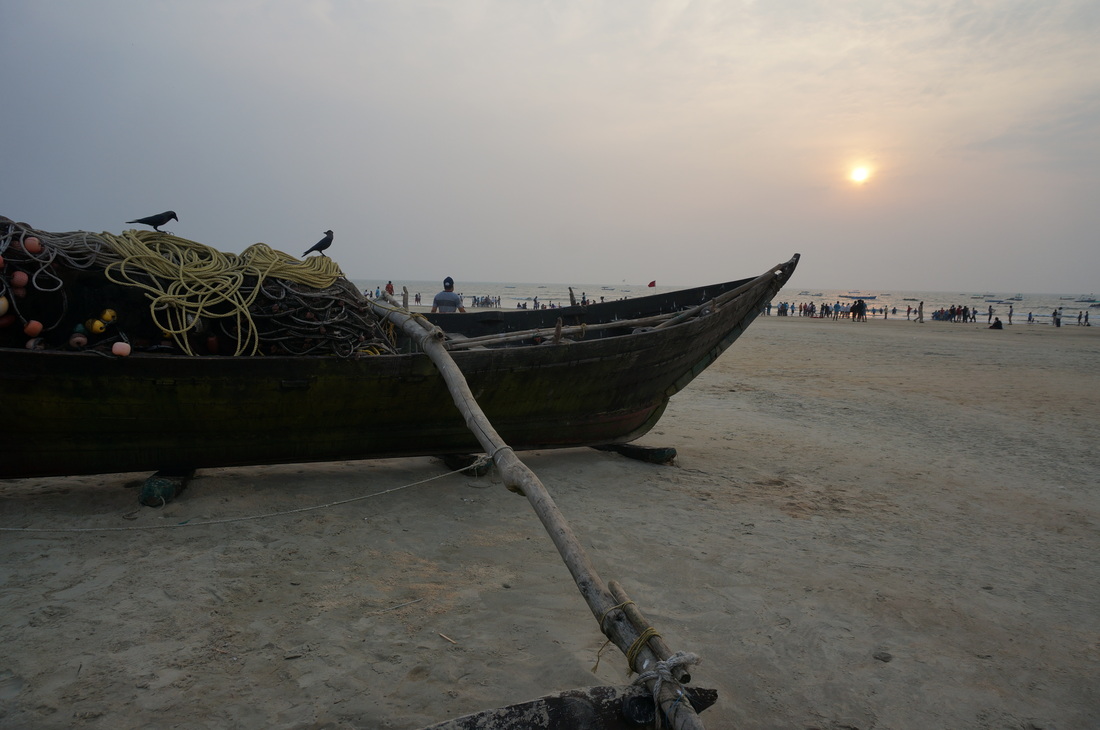
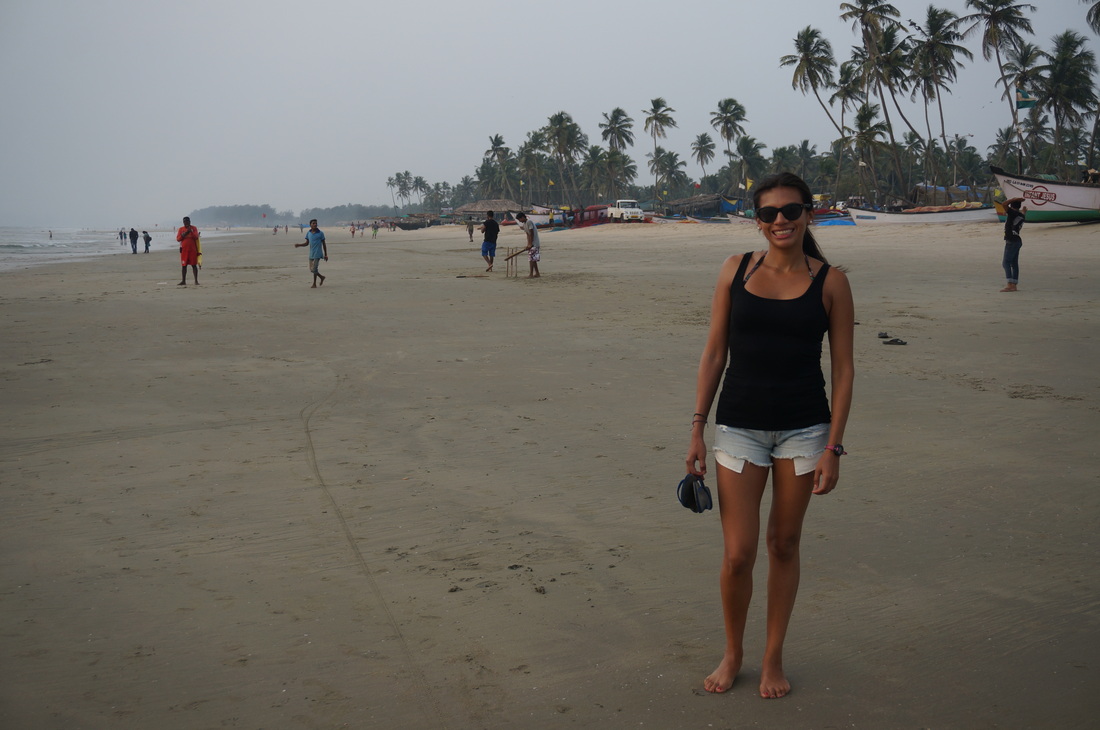
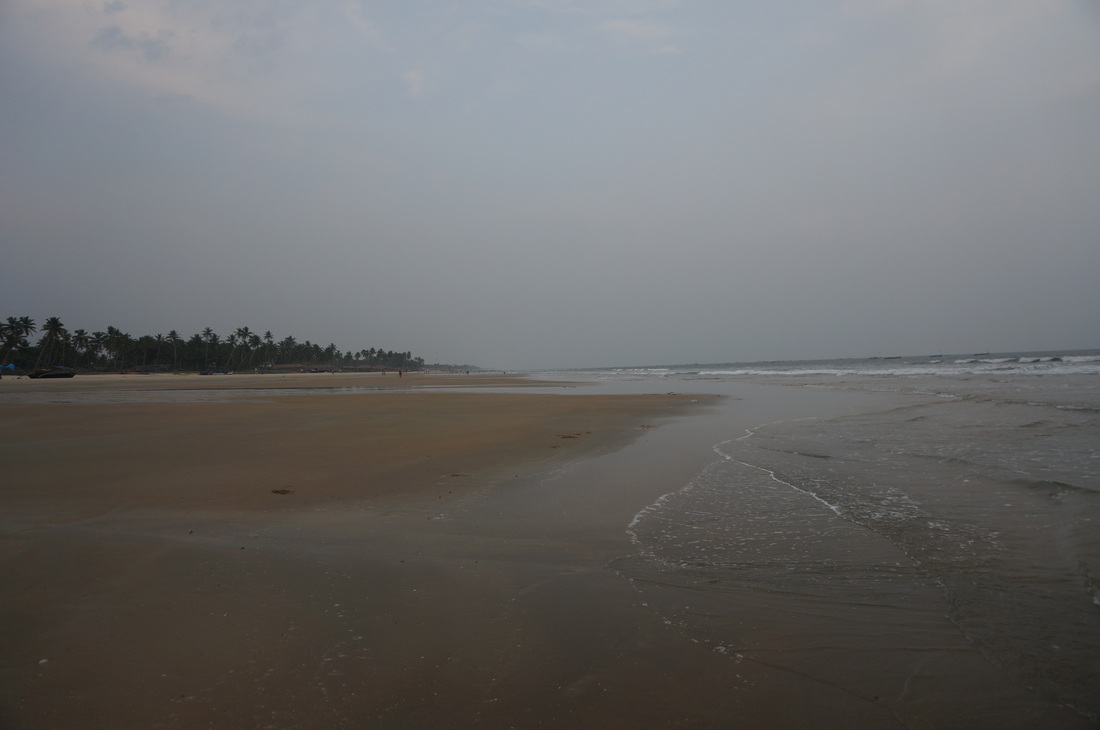
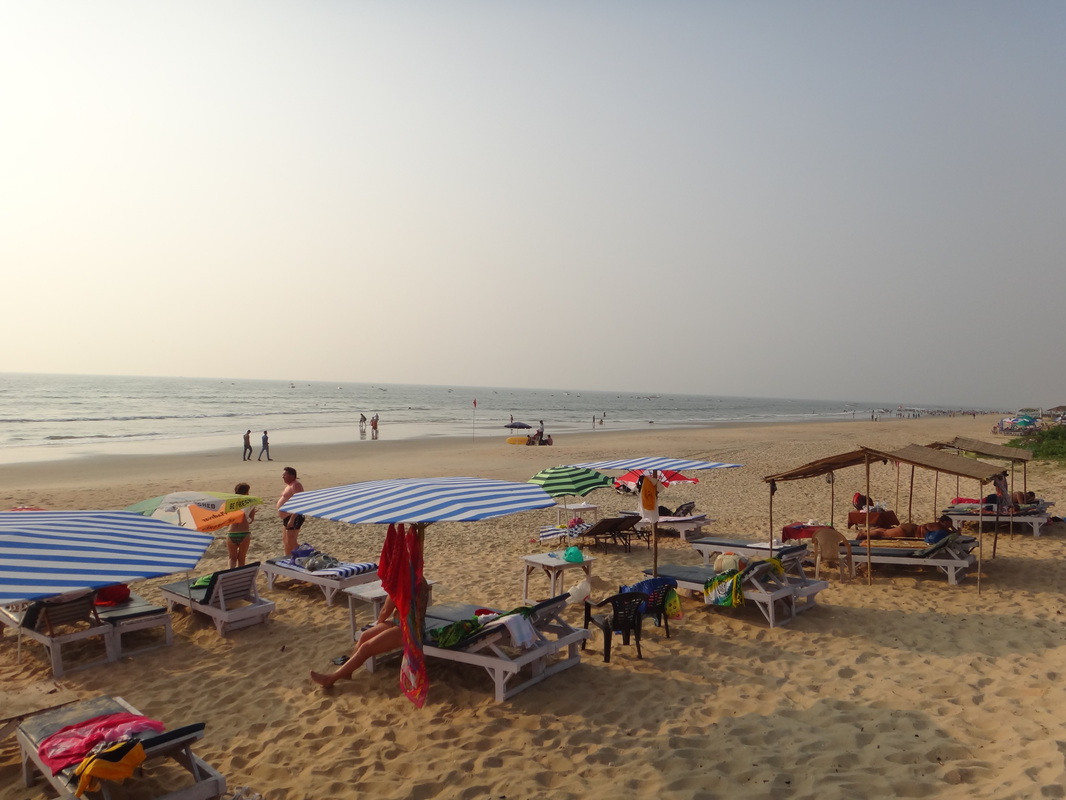
The next morning we left Kochi, taking a smooth three hour, one stop, flight to our next destination, Goa. The state of Goa features a beautiful stretch of beaches running for over 100 kilometers, with the airport in the middle. We were keen to choose one beach and stay put, but that meant doing a lot of research before making our choice. We ended up settling for Colva, a very pretty white sand beach in the south (where most of the nicer beaches are) that still offered a decent range of restaurants and bars (but not as many as some of the northern party beaches). We felt that Colva got the balance just right, particularly since we only had to walk 100 meters down the beach to get away from the crowds of locals.
Picture
Prior to Goa the only time we’d come across Russians in our travels was at the World Cup, but in Colva they were everywhere. The waiters all spoke Russian, the bars played exclusively Russian music and Sam (because of his white skin) would inevitably be given a Russian menu. This was certainly not expected, but I guess not too surprising since there aren’t many closer beach destinations for price conscious Russian tourists (which is a polite way of describing most of the people we came across, with many sneaking their own alcohol into restaurants and arguing about very reasonable food prices).

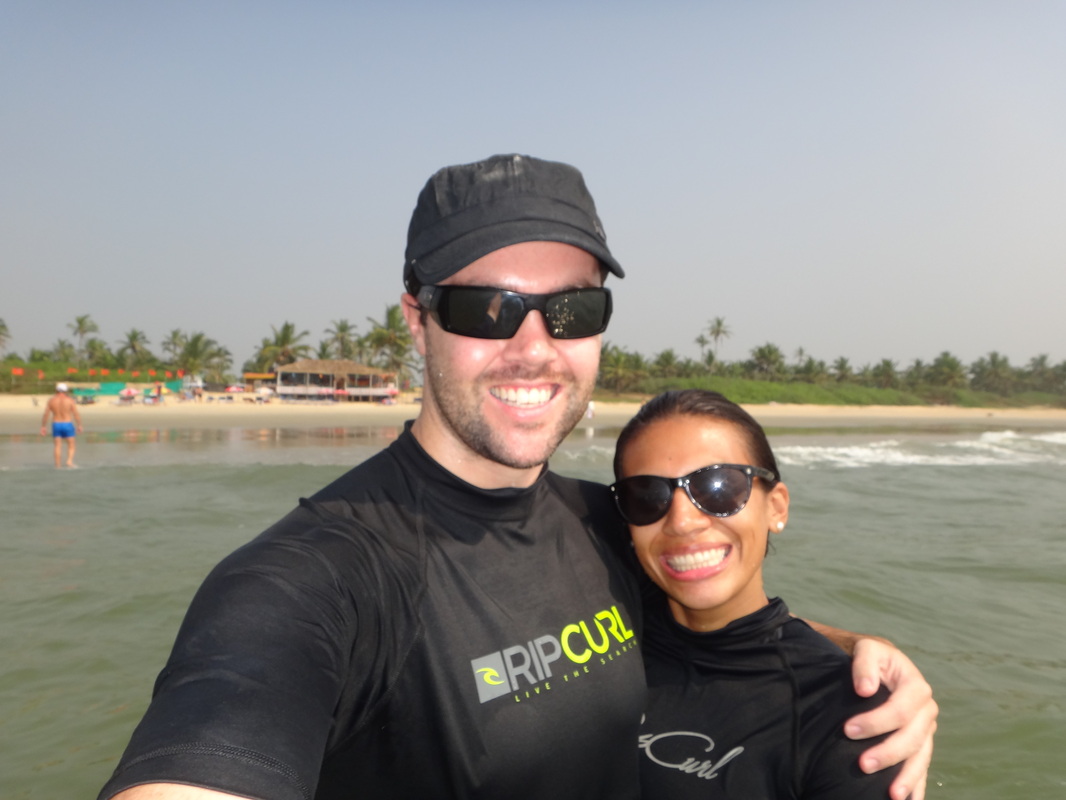
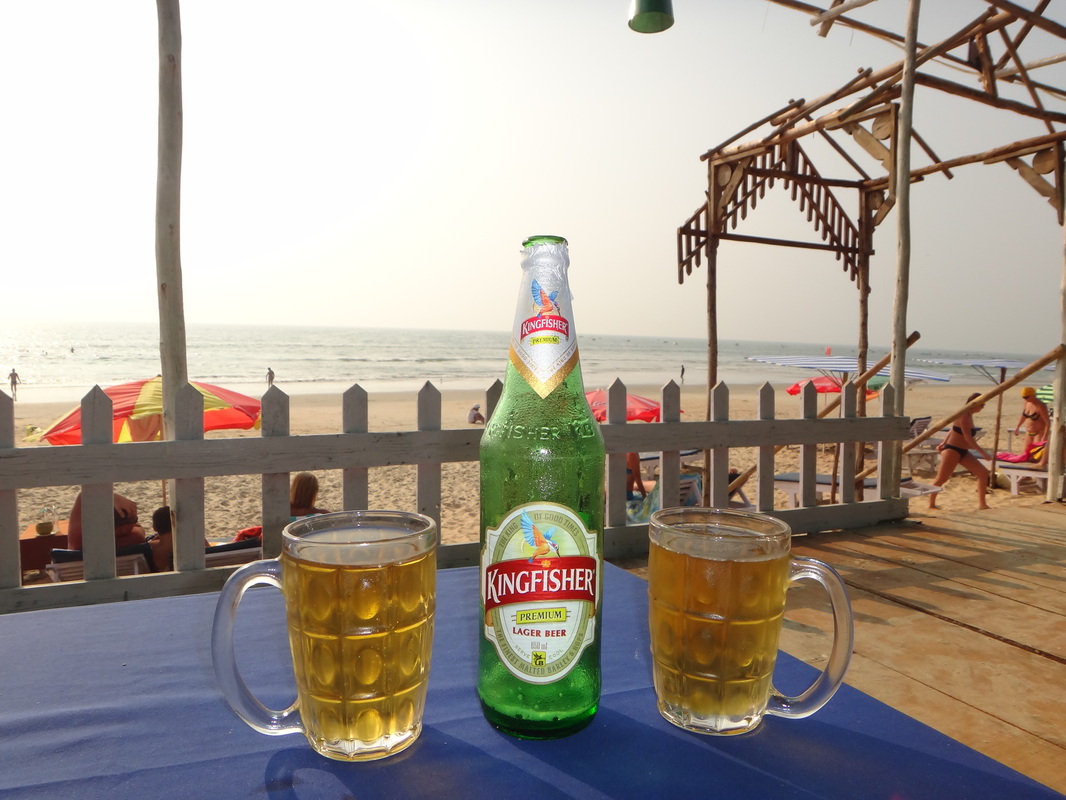
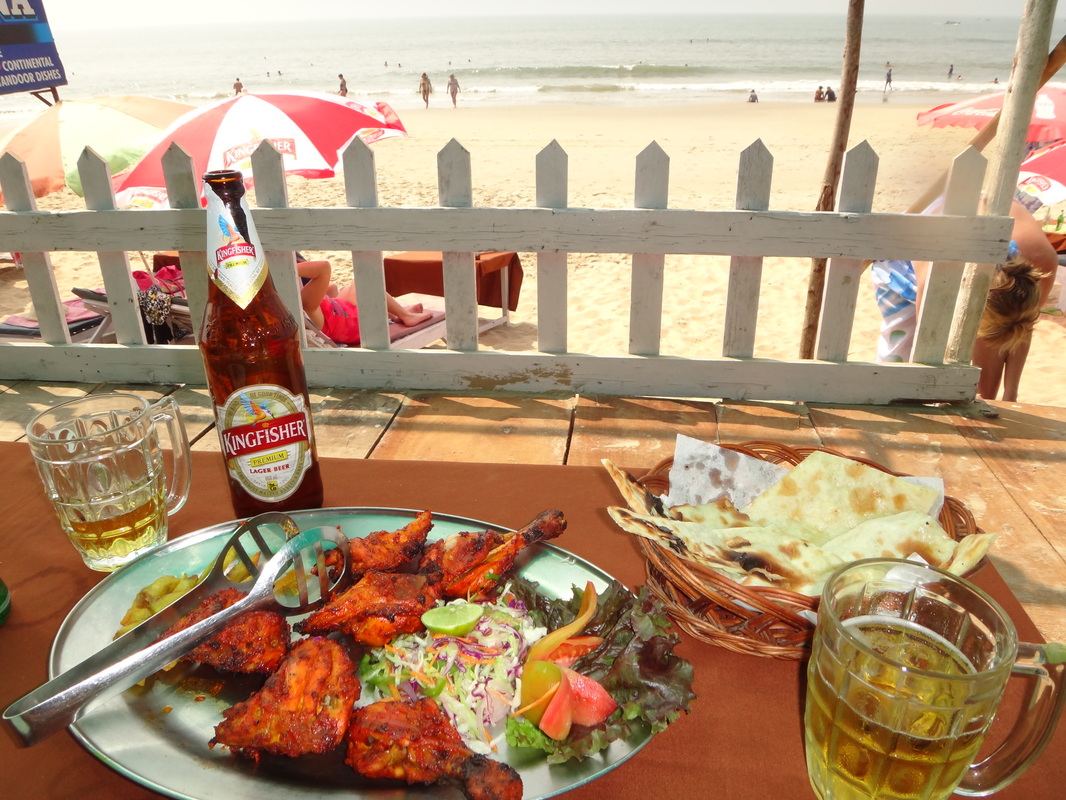
While in Colva we quickly settled into a nice routine. Each morning we walked to a chill beachfront shack to set ourselves up for the day on some sun loungers. Between swims we enjoyed very cheap kingfisher beers and tasty tandoori chicken with fresh garlic naan. At night, we kept going back to our hotel restaurant, which served some of the best Indian curries we’ve had anywhere. We could have happily stayed in Goa for a week, but after three full days we felt refreshed and, we thought, ready to take on the mad metropolis of Mumbai.
Picture
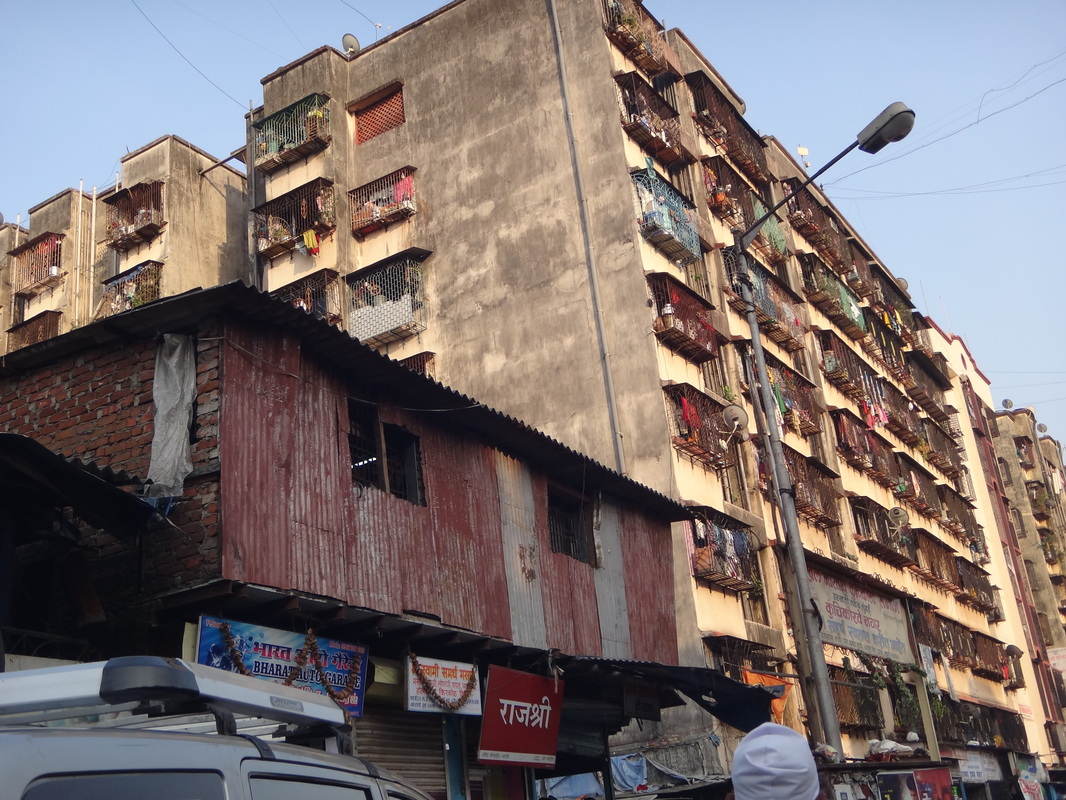
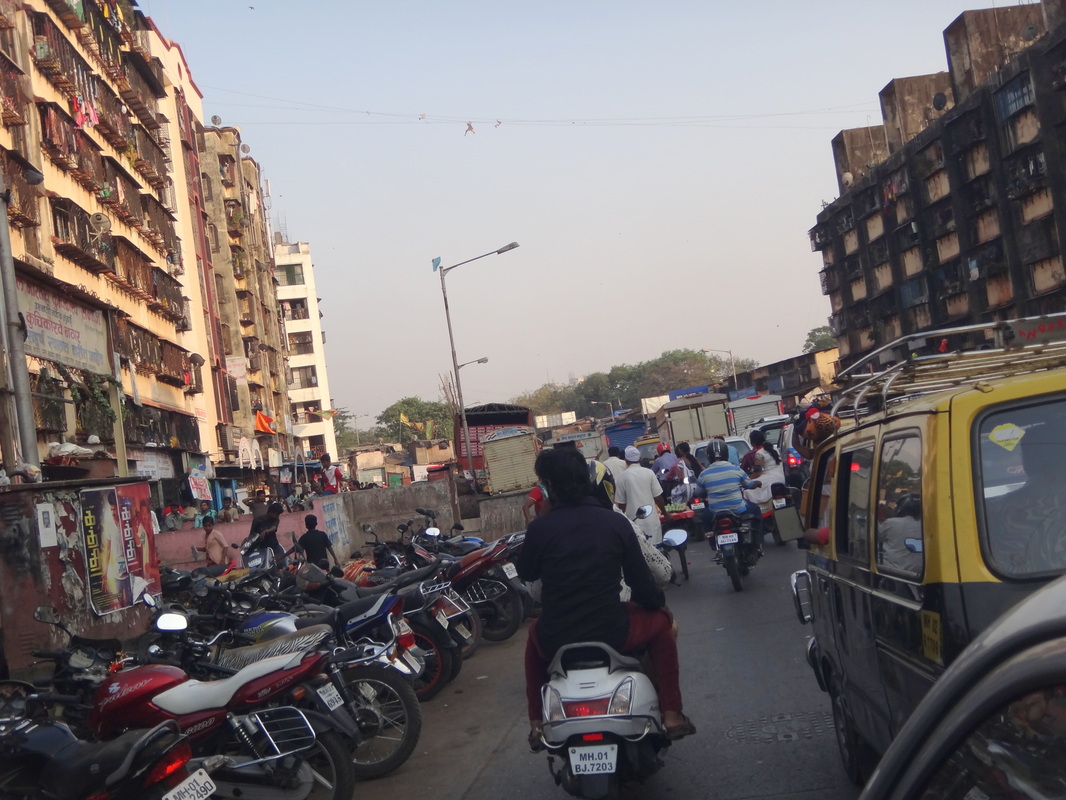
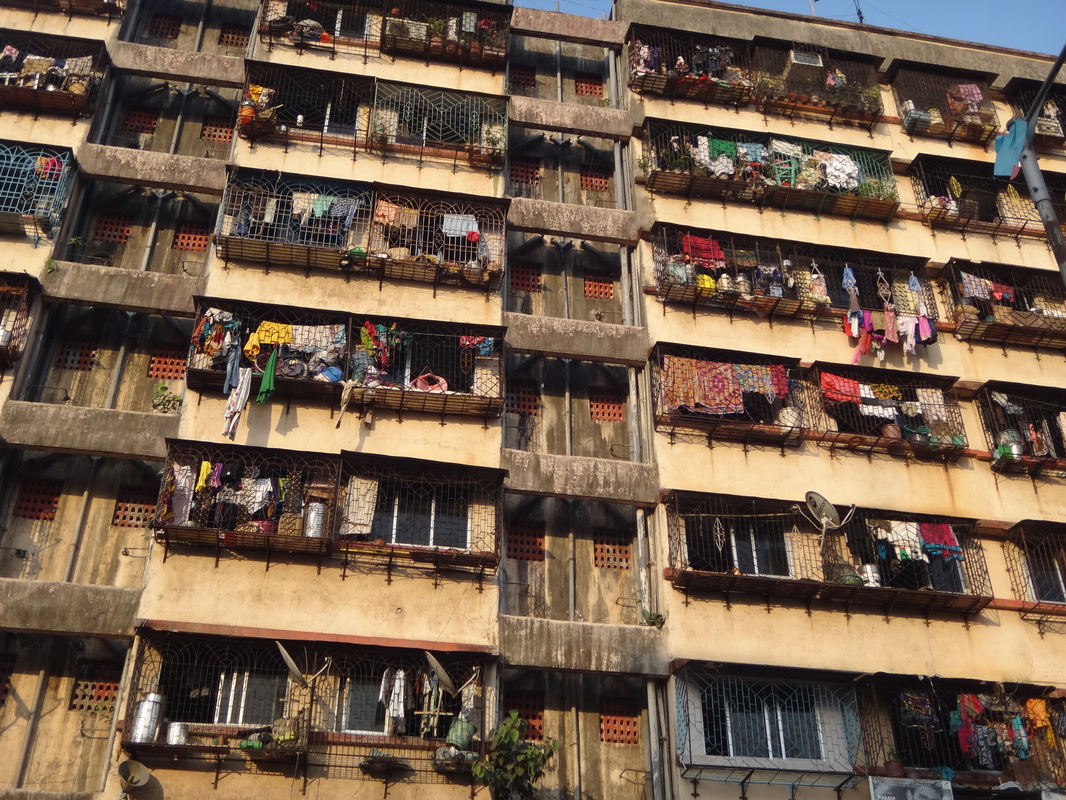
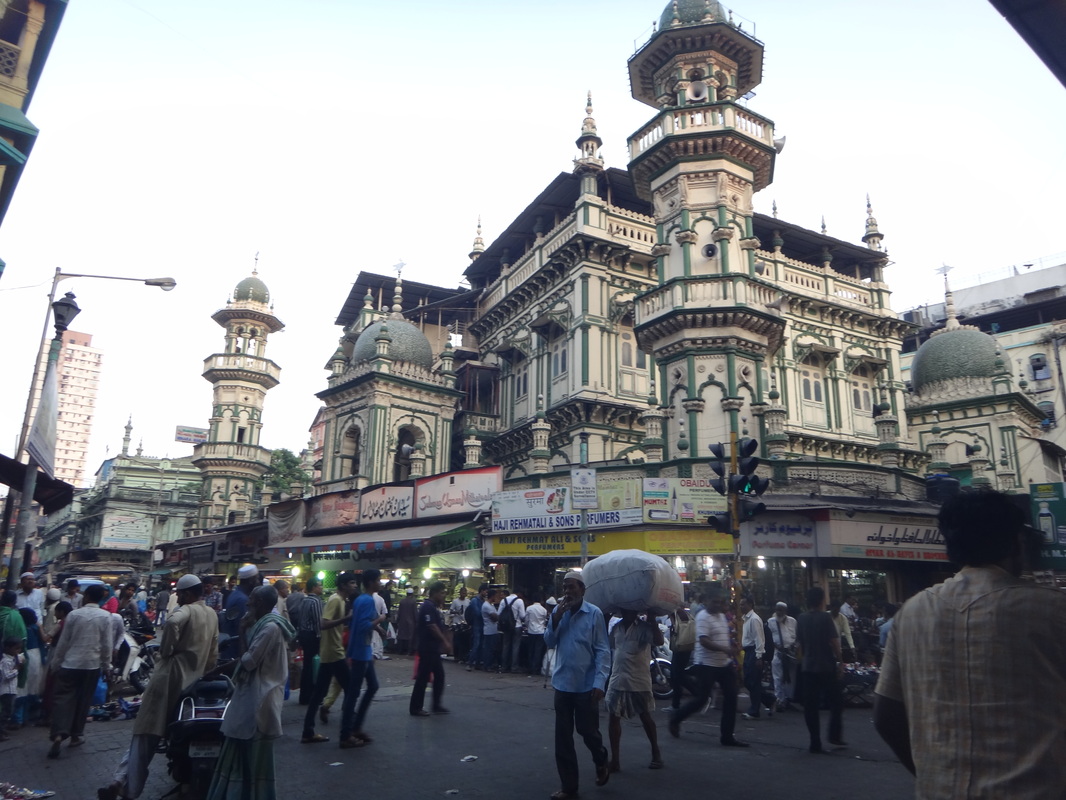
We didn’t feel so ready a few hours later, however, as our taxi crawled through horrific traffic, passing seemingly endless stretches of slums. At every traffic light, beggars knocked loudly on our windows as we wondered how long it would take us to get to the nice part of the city (where our well reviewed hotel must surely be located). We certainly hadn’t reached the nice area when we arrived at our hotel. Affordable accommodation is tough to come by in Mumbai, but we didn’t expect to be staying on top of rat infested restaurants in such a gloomy part of town.
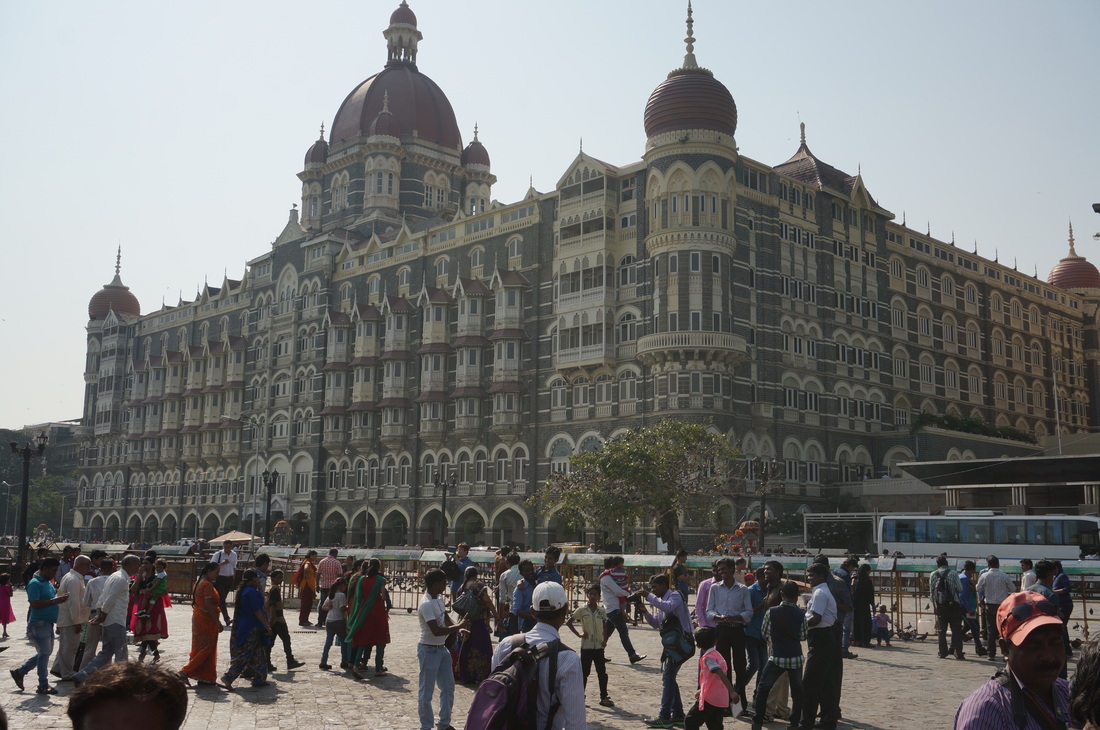
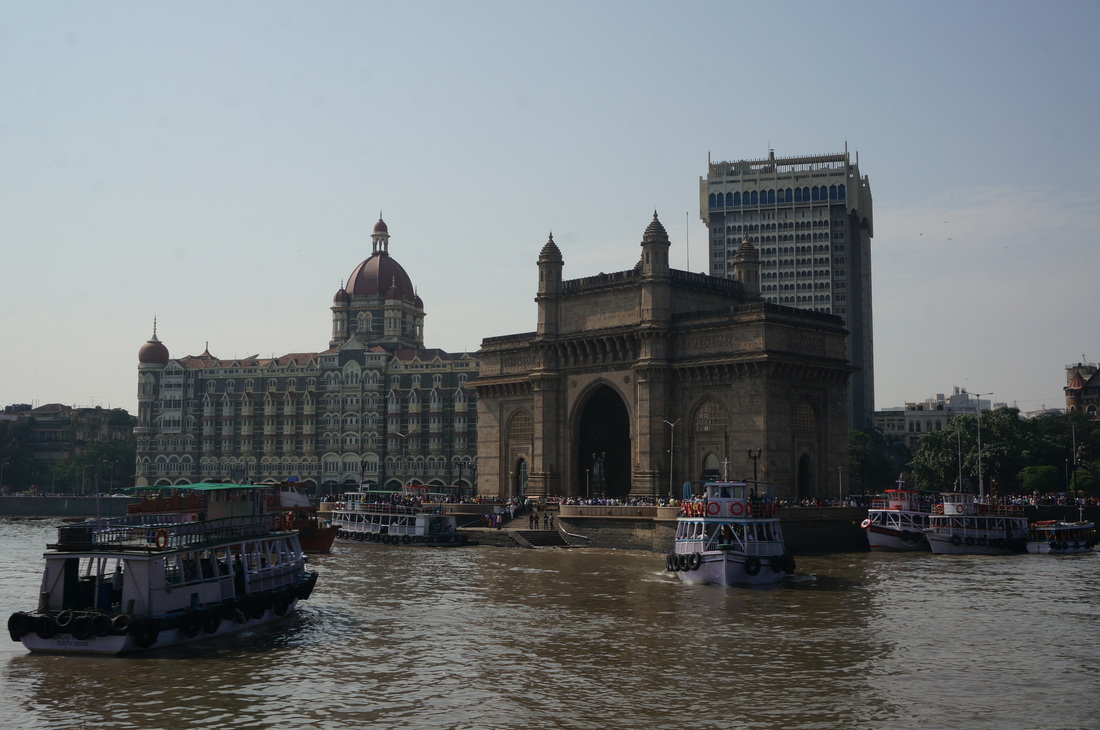
In one of the most fortunate travel cock-ups we’ve come across, our hotel had lost our reservation, was booked out and needed to find another place for us to stay. After much negotiation, we ended up getting a free taxi to a much nicer (and usually three times more expensive) hotel located immediately behind the iconic Taj Mahal palace hotel (Mumbai’s number one attraction). After regrouping for a while in our room, we headed out for dinner at the nearby Leopold cafe, which is famous both for its relatively affordable food and for being one of the targets of the 2008 Mumbai terrorist attacks (the major target was the Taj Mahal palace itself).
Picture
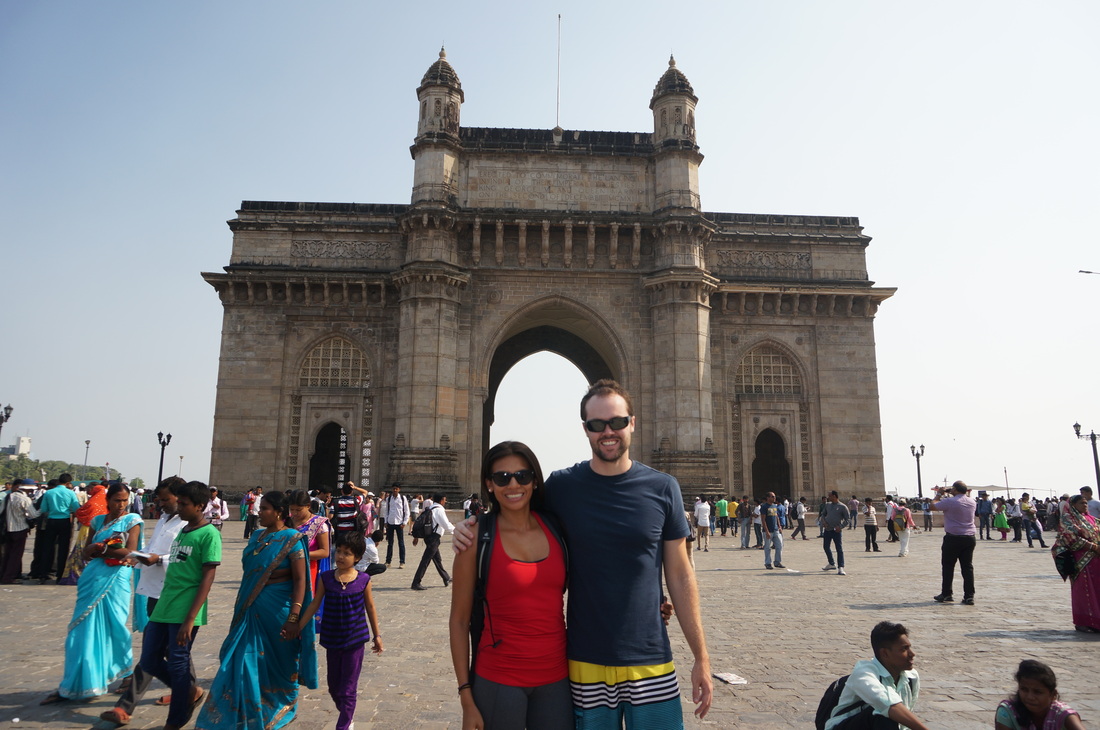
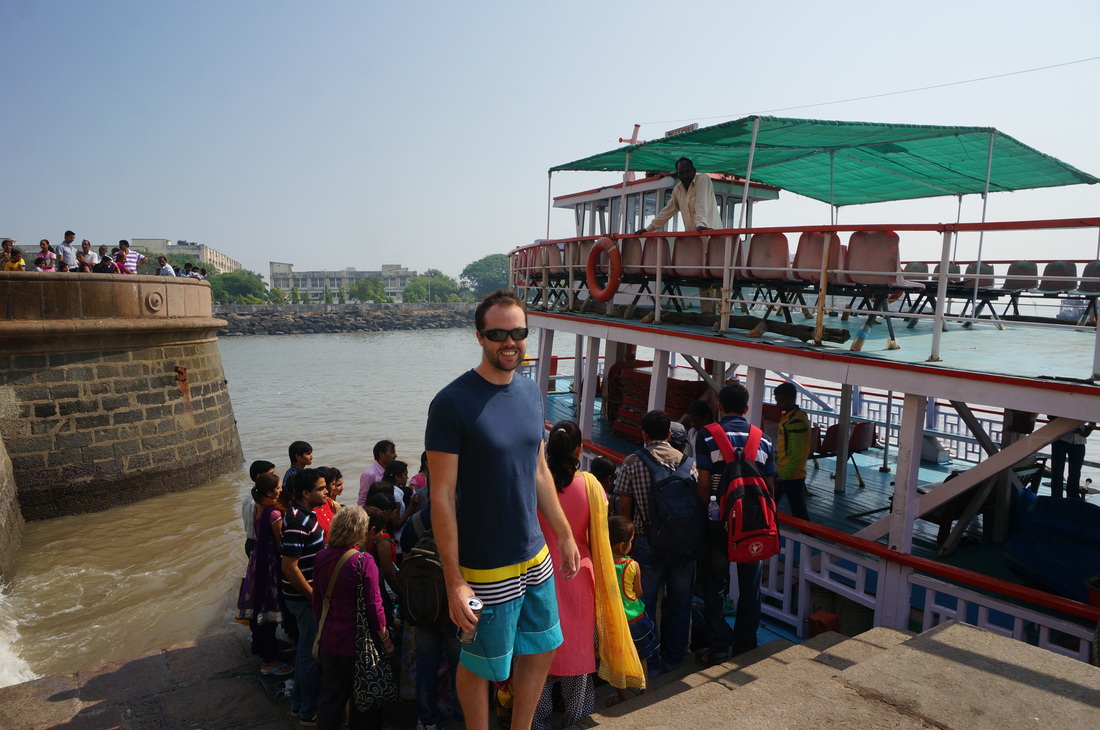
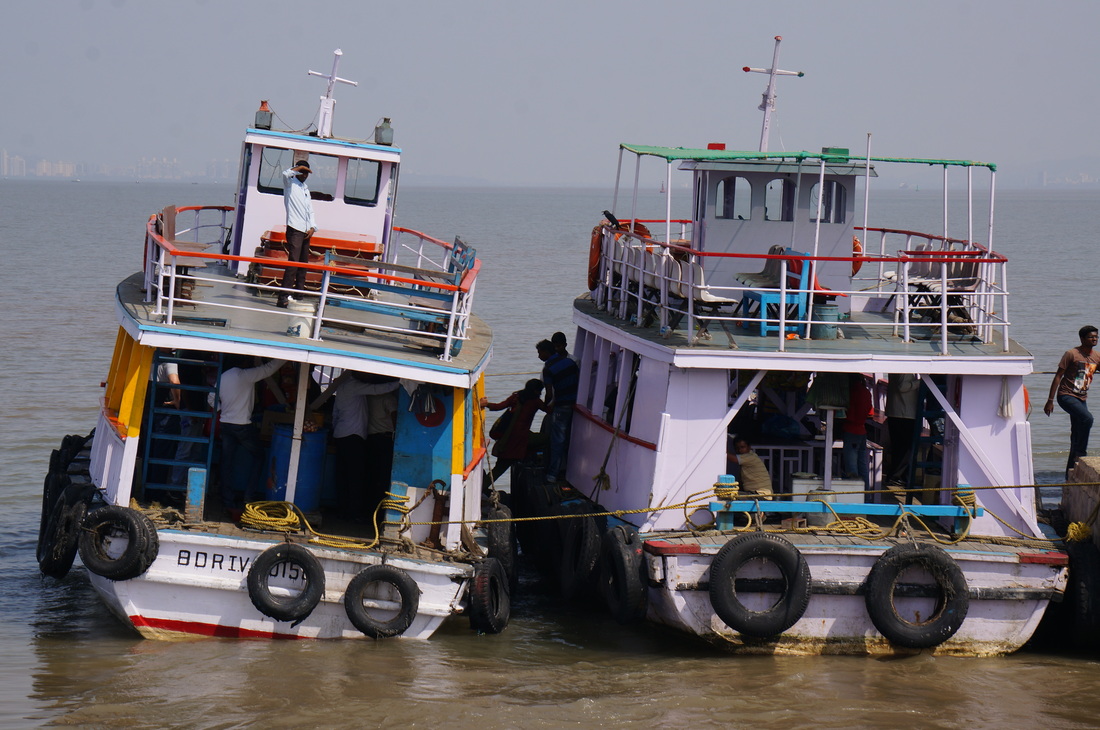
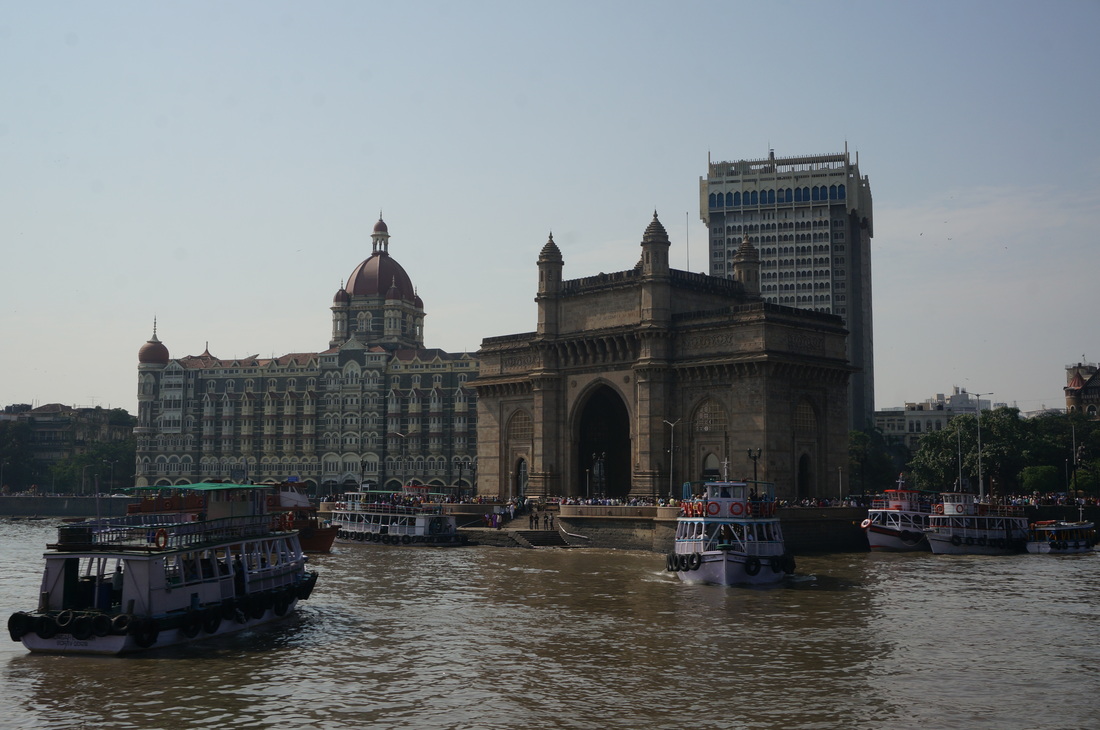
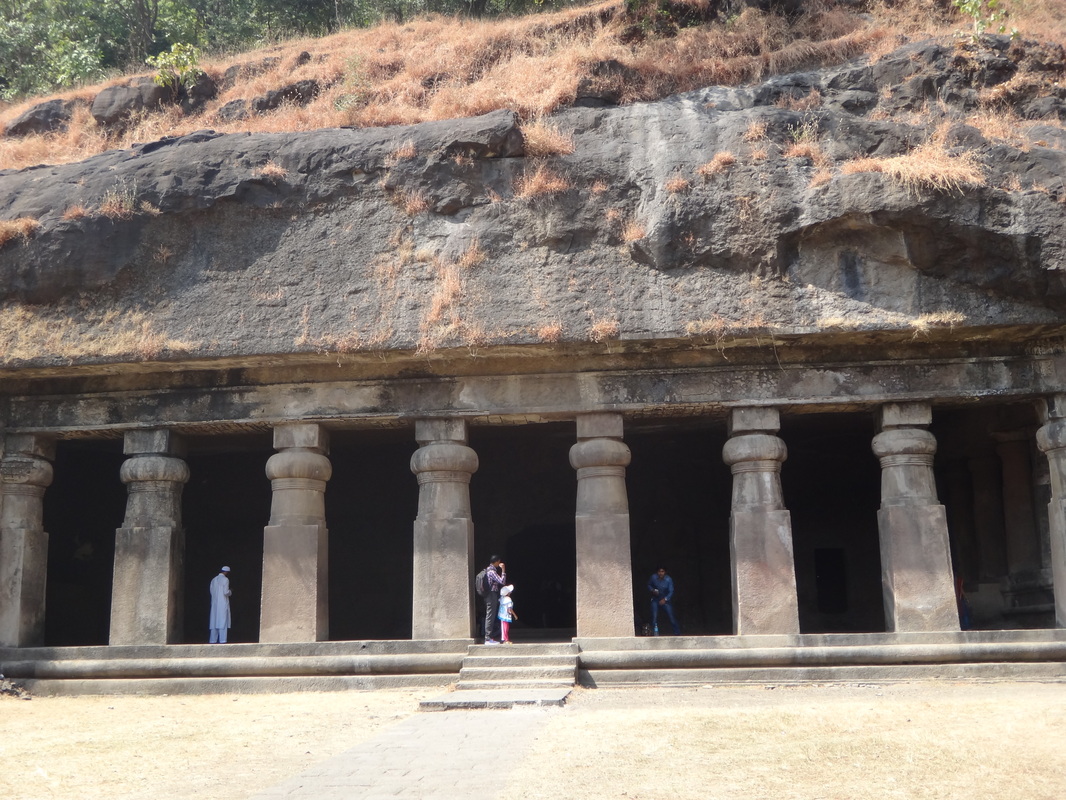
The following morning, we checked out the Gateway to India on the way to boarding a one-hour ferry to Elephanta island.
Picture
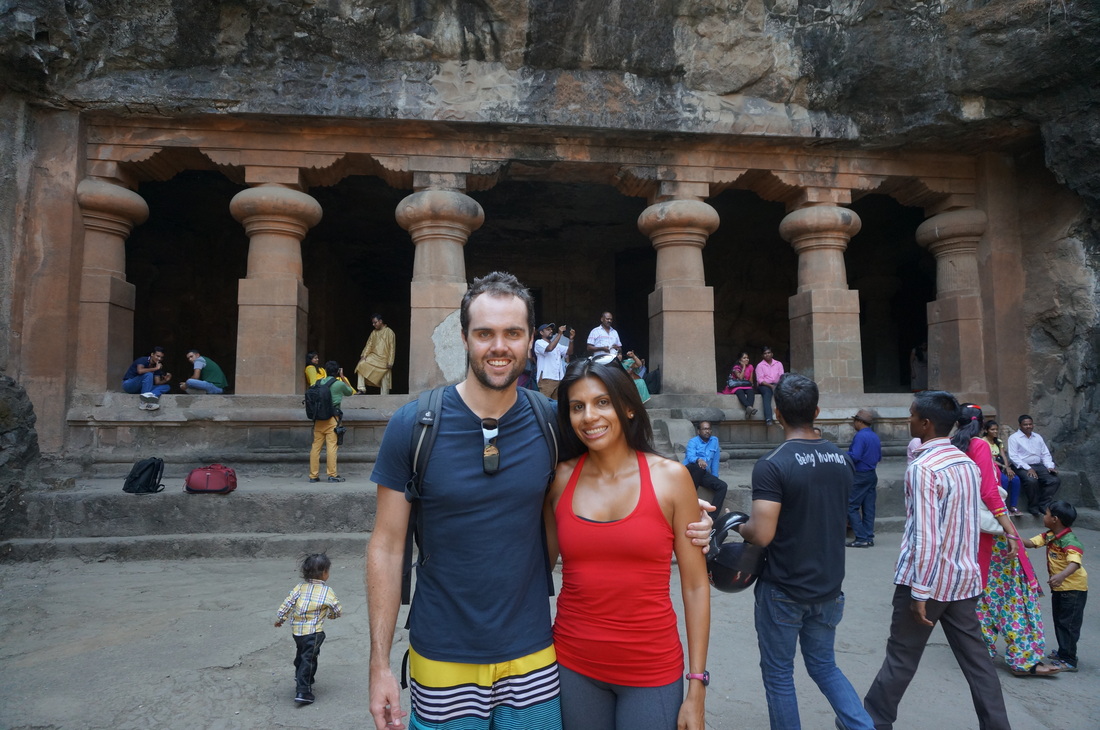
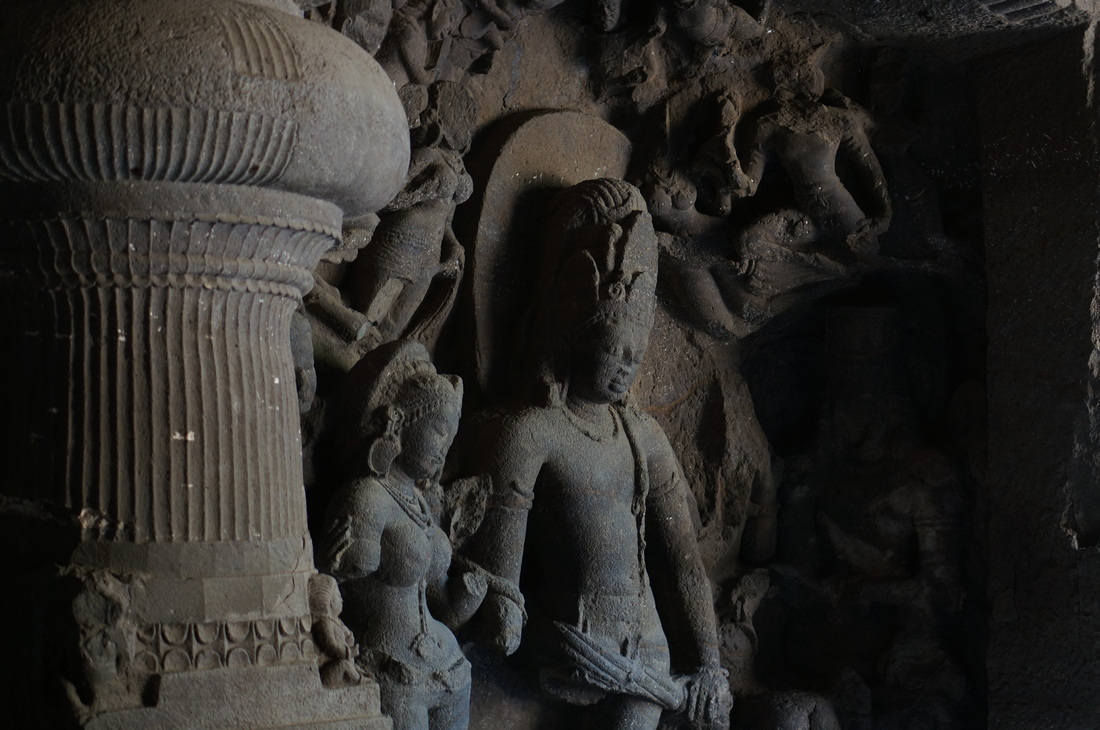
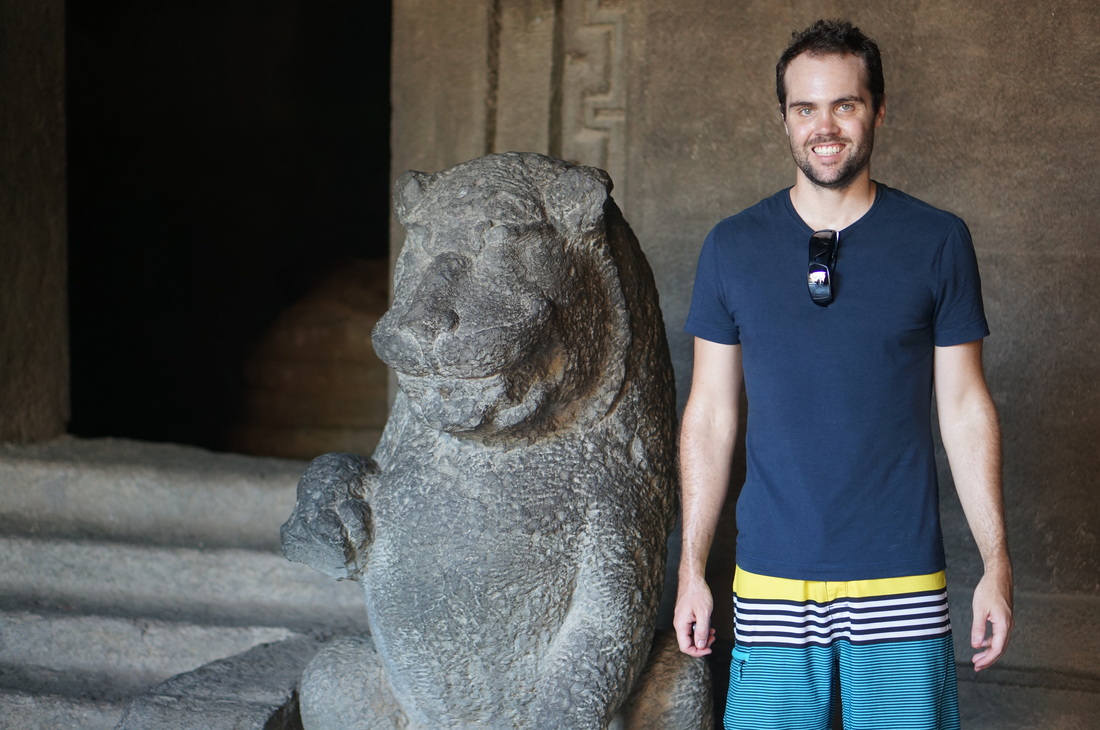
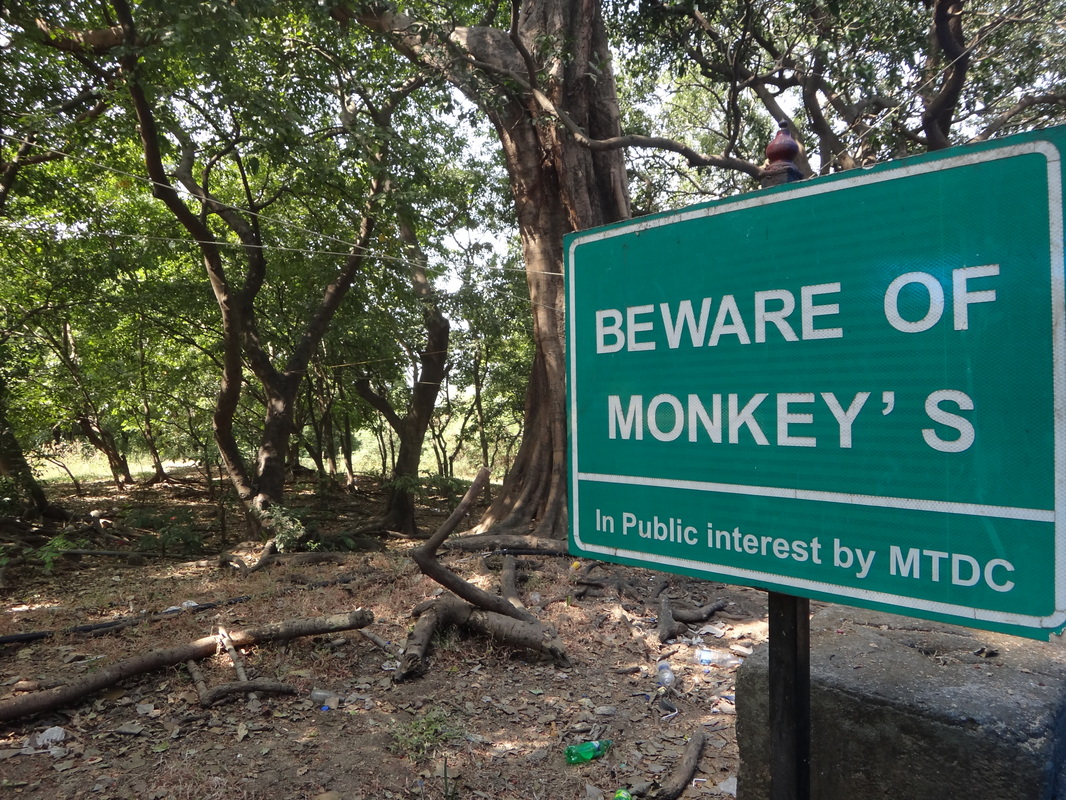
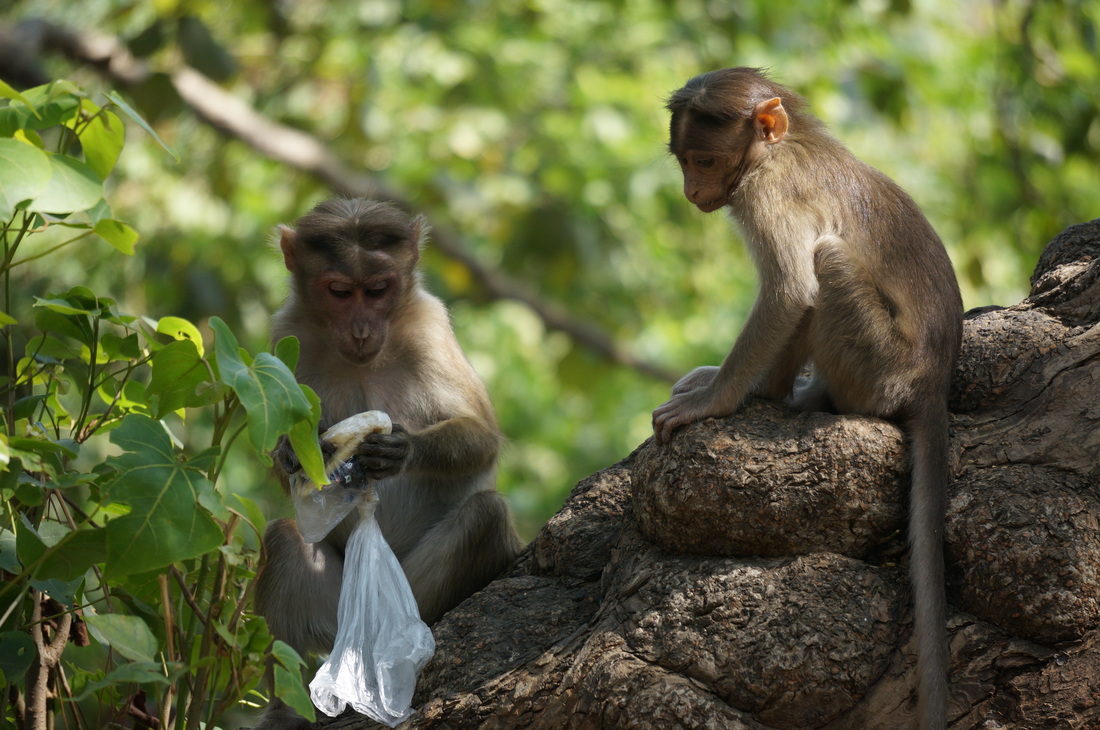
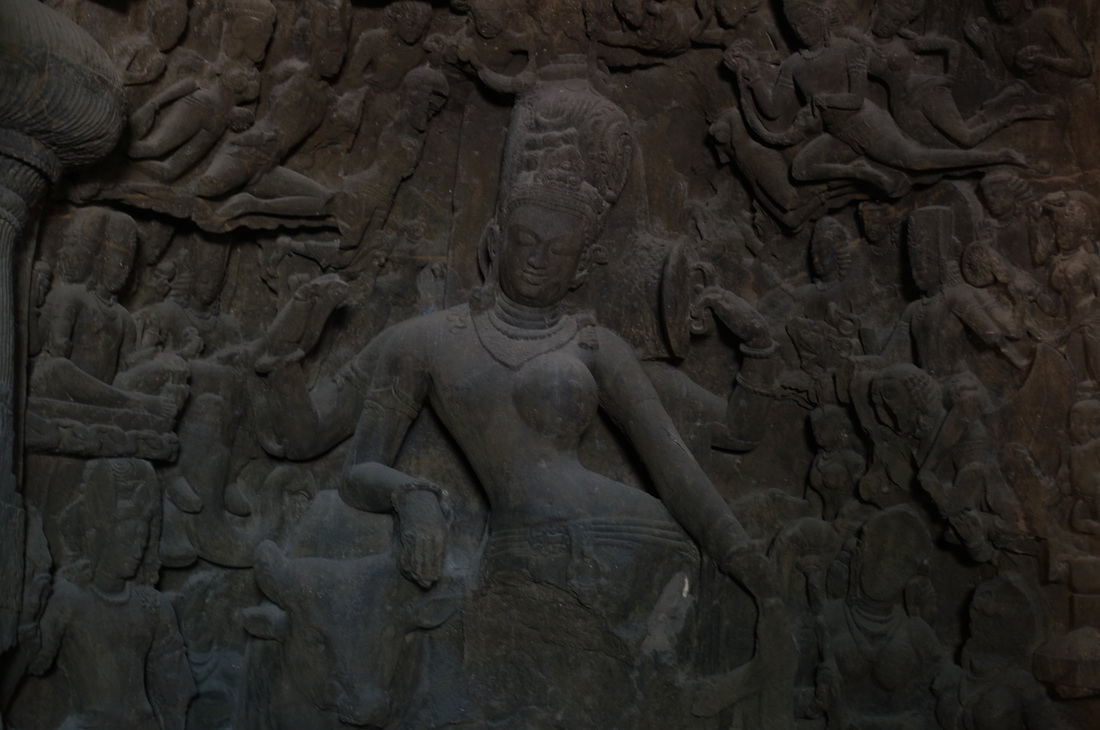
Between the 5th and 8th centuries, a series of impressive Buddhist and Hindu rock sculptures were cut inside three principal caves at the top of the island. The caves are still relatively well preserved despite several centuries of neglect, and the day trip was definitely worthwhile (just make sure you hold on to your belongings, because there are hordes of thieving monkeys on the island).
Picture
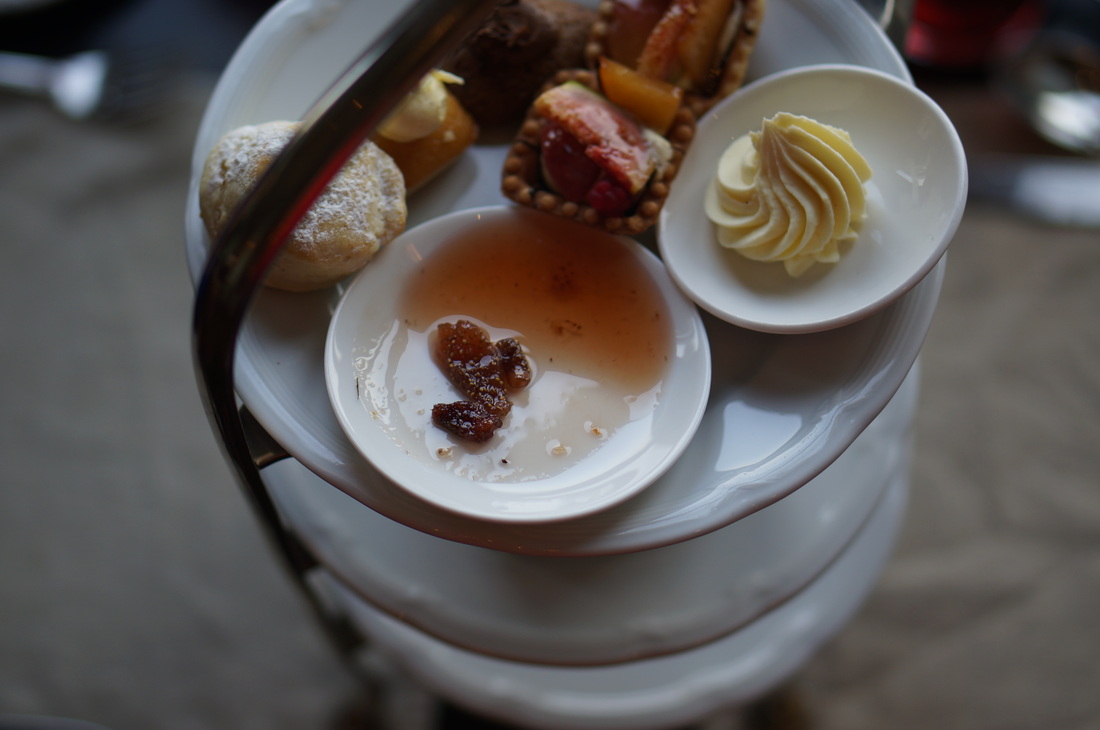
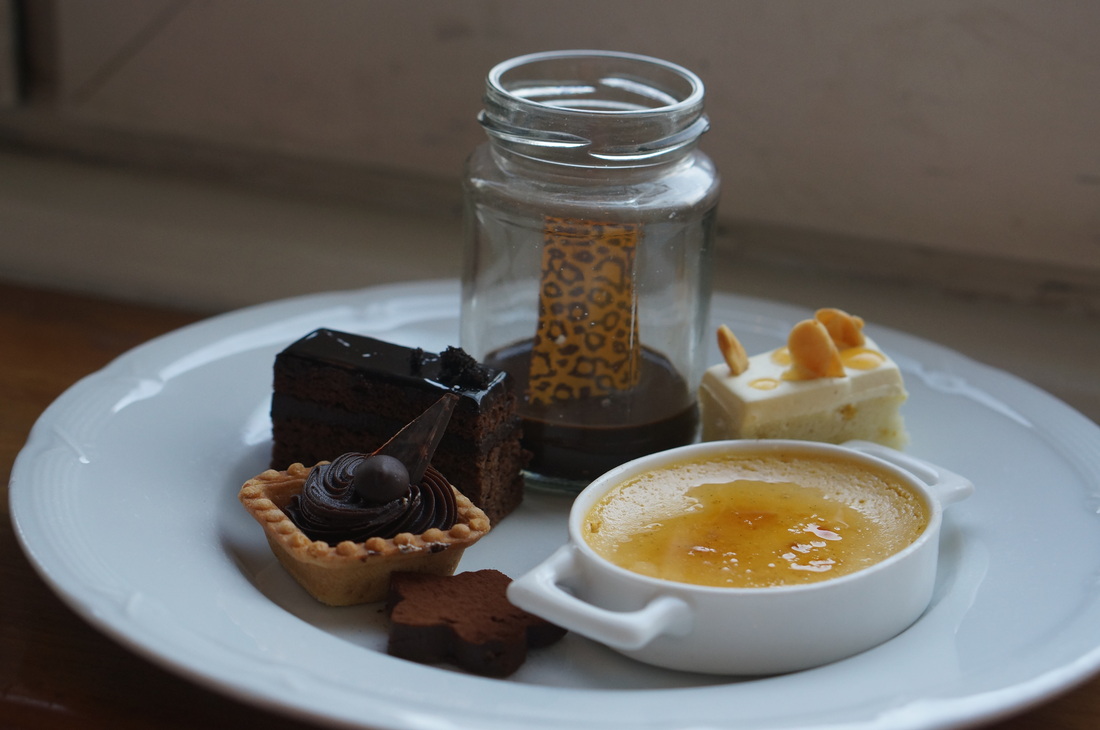
After a busy, hot, morning on the island, we were greeted by aggressive street vendors and beggars as we got off the boat. In need of some peace, quiet and air conditioning, we decided to indulge ourselves in a sugary taste of home inside the relative nirvana of the Taj Mahal Palace Starbucks. The real indulgence came later that afternoon, as we sat down for the famous all you can eat high tea at the Palace. The price of admission was not exactly backpacker friendly, but by treating it as our only meal for the day we managed to get very good value for money (especially when you take into account the quality of the view, the luxuriousness of the restaurant and the rarity of the view from our window seats).
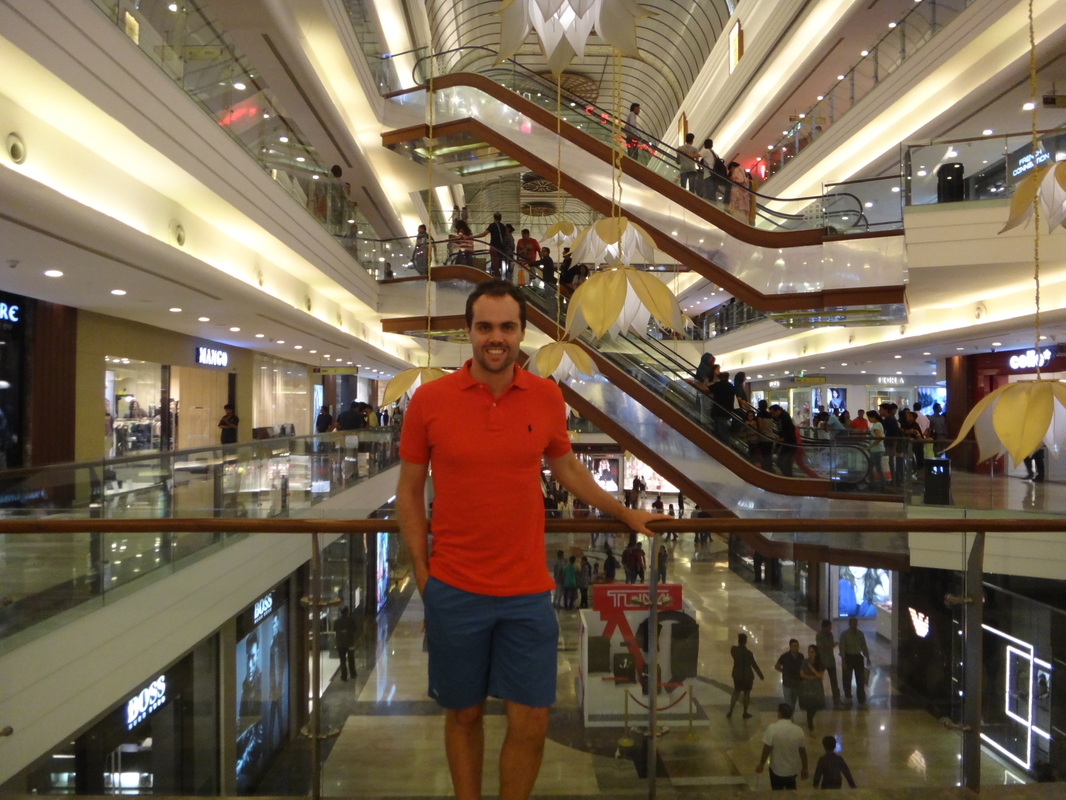
Mumbai is known for having the best shopping in India, so for our last night we headed to its biggest mega mall, High Street Phoenix. We were mostly there for window shopping and people watching, but ended up each getting a pair of very Indian pants (allowing Sam to wear something other than hot jeans or a make-shift skirt on temple days). The following morning we were quite happy to be heading to the airport having seen enough of Mumbai to know that we won’t be in a hurry to come back.
Picture
1 Comment

    Where are we?

    Browse by country

    All
    Argentina
    Bolivia
    Brazil
    Cambodia
    Chile
    Colombia
    Costa Rica
    Ecuador
    El Salvador
    Guatemala
    India
    Malaysia
    Myanmar
    Nepal
    Nicaragua
    Panama
    Peru
    Sri Lanka
    Thailand
    Uruguay


Proudly powered by Weebly